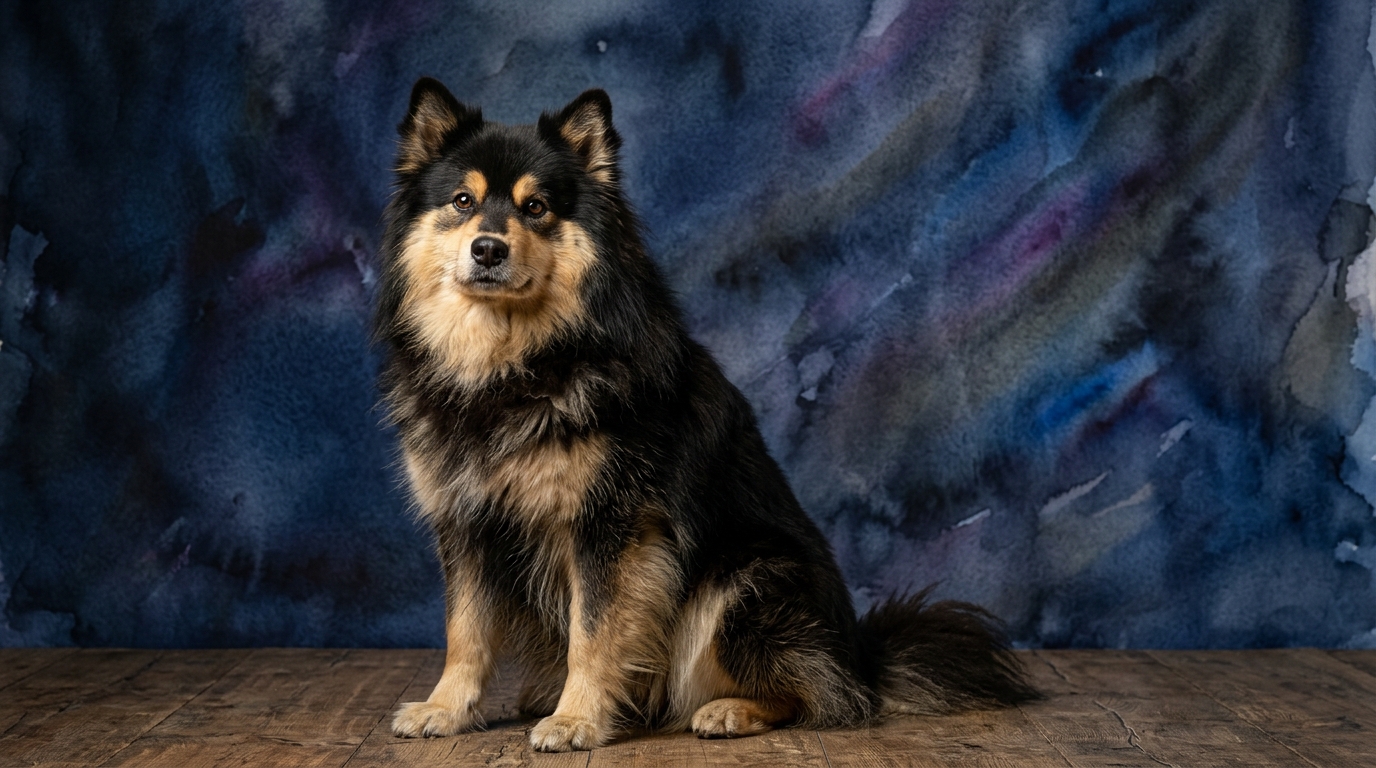
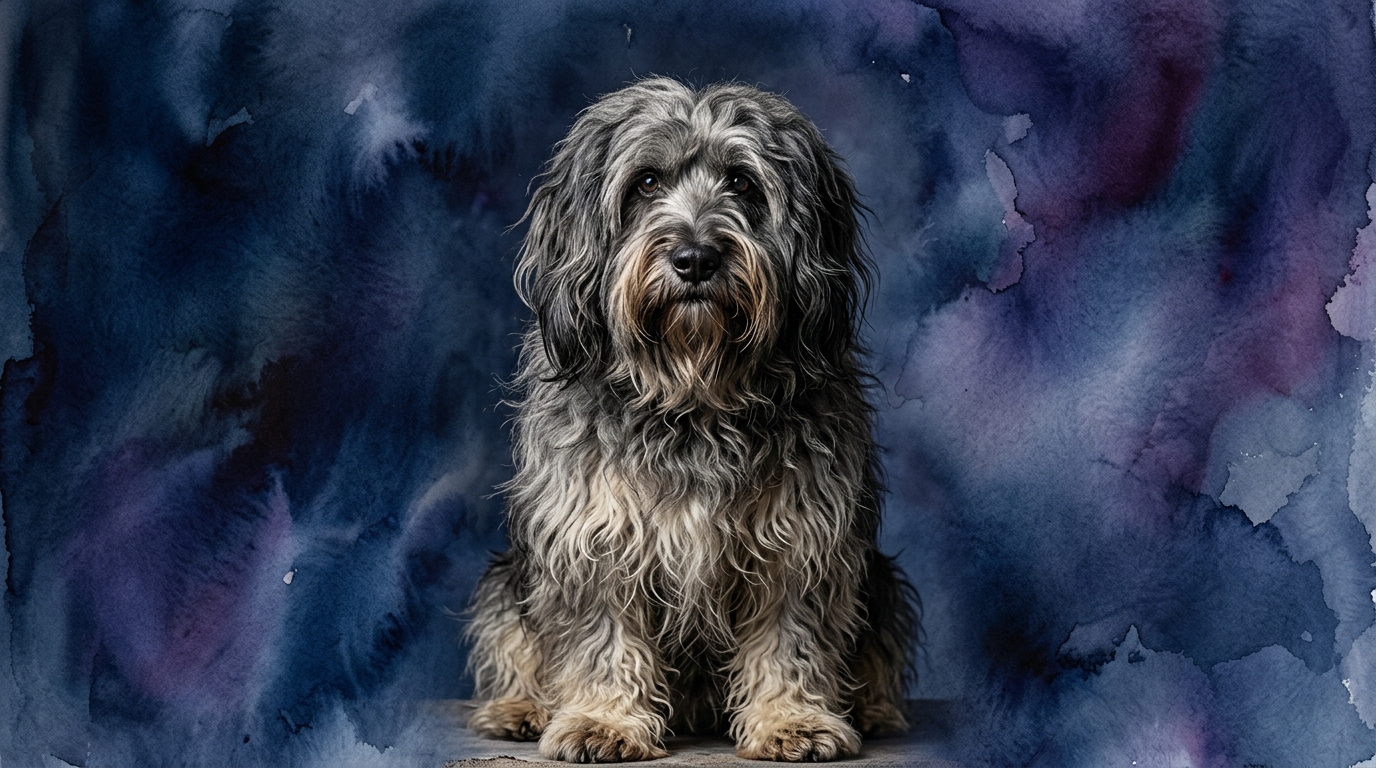
Side-by-Side Cognitive Profiles: Decoding the Shared 3/5 Score
The Cosmic Pet's IQ Lab assigns both the Finnish Lapphund and the Polish Lowland Sheepdog an identical 3 out of 5 across all five cognitive dimensions, a numerical parity that prompts a closer look at their nuanced brilliance. For the Finnish Lapphund, a breed steeped in the demanding task of herding semi-wild reindeer across vast Arctic landscapes, these scores reflect a balanced yet remarkably adaptive intelligence. Their problem-solving (3/5) manifests in autonomous decision-making for herd management in unpredictable conditions, while training speed (3/5) highlights their receptive but self-reliant learning style. Social intelligence (3/5) indicates a cooperative bond with humans, tempered by independence, and an instinctive drive (3/5) for herding is channeled with thoughtful purpose. Memory (3/5) is crucial for recalling routes and individual animals across expansive territories.
The Polish Lowland Sheepdog, or PON, originating from the low-lying, often marshy agricultural lands of Poland, also registers a consistent 3/5, but their cognitive strengths are honed for different challenges. Their problem-solving (3/5) is geared towards vigilant protection within defined territories, requiring sharp observation and strategic responses to perceived threats. Training speed (3/5) signifies their capacity for complex learning, though often accompanied by a characteristic independent streak that demands engaging instruction. Social intelligence (3/5) involves a deep loyalty to their family combined with a discerning wariness of outsiders, while an instinctive drive (3/5) is powerfully expressed as territorial guarding and persistent herding. Memory (3/5) is vital for maintaining patrol patterns and recalling specific flock members or potential dangers.
Where the Finnish Lapphund's Cognition Shines
Despite their matched scores, the Finnish Lapphund often demonstrates a particular cognitive strength in situations demanding profound adaptability and independent initiative. Generations of herding reindeer across vast, ever-changing Arctic terrains fostered a problem-solving ability that prioritizes self-reliance and flexible decision-making without constant human direction. This manifests as a calm resourcefulness when navigating novel environments or unexpected challenges, allowing them to assess and act autonomously. Their social intelligence, while 3/5, leans towards a perceptive, cooperative partnership, where they often anticipate owner needs through subtle cues, contributing their own insights rather than merely obeying.
Where the Polish Lowland Sheepdog's Cognition Excels
Conversely, the Polish Lowland Sheepdog frequently excels in cognitive domains requiring intense vigilance, precise pattern recognition, and unwavering protective instincts. Their heritage as guardians and herders in more confined, agricultural settings sharpened their problem-solving (3/5) to quickly identify anomalies within their territory—a strange sound, an unfamiliar scent, or a new movement. This makes them exceptionally adept at 'reading' situations involving potential threats, often making swift, decisive judgments based on subtle environmental cues. Their instinctive drive (3/5) is notably potent in tasks tapping into their guarding heritage, such as focused agility or scent work, coupled with a robust memory (3/5) for routines and boundaries, making them exceptionally dedicated to their perceived 'job'.
Training Dynamics: Navigating Independence and Instinct
When considering ease of training for breeds both rated 3/5 in training speed, the perceived experience can differ significantly based on their social intelligence and instinctive drives. The Finnish Lapphund, with its cooperative yet independent nature, often approaches training with an eager-to-please attitude balanced by a thoughtful consideration. They are generally responsive to positive reinforcement and clear, consistent communication. Their underlying desire to work alongside their human partner, combined with their capacity for independent thought, means they learn quickly when the task makes sense to them and they feel like a valued contributor. However, their self-reliance means they might question repetitive drills or seemingly pointless exercises, requiring an owner who can make training engaging and purpose-driven.
The Polish Lowland Sheepdog, while equally capable of learning at a 3/5 speed, can present a different training challenge due to their strong guarding instincts and often playful, sometimes mischievous, independence. Their social intelligence (3/5) includes a discerning wariness of strangers and a deep bond with their family, which means they might be less immediately compliant with new people or in distracting environments. Their instinctive drive (3/5) often translates into a strong will and a tendency to 'test boundaries,' requiring an owner who is patient, firm, and consistent, using positive reinforcement to channel their intelligence. A PON might learn a command quickly but then decide whether or not to obey based on their assessment of the situation, demanding an owner who can establish clear leadership and make training feel like a collaborative problem-solving exercise rather than rote obedience.
Lifestyle Compatibility: Active Engagement vs. Vigorous Purpose
Both breeds are herding dogs, implying a need for mental and physical activity, but their ideal lifestyle match diverges based on how their intelligence is best stimulated. The Finnish Lapphund, while active, possesses a remarkable adaptability. Their problem-solving (3/5) and social intelligence (3/5) allow them to thrive with owners who provide consistent mental engagement through varied activities like obedience, agility, herding games, or even just long, exploratory walks where they can use their senses. They are often content to relax indoors after adequate stimulation, making them suitable for active owners who enjoy a range of outdoor pursuits but also appreciate a calm home companion. Their adaptability also means they can adjust well to different living situations, provided their cognitive needs are met.
The Polish Lowland Sheepdog, on the other hand, often requires a more vigorous and purposeful outlet for their strong instinctive drive (3/5) and problem-solving abilities (3/5). Their historical role demanded constant vigilance and physical robustness, and this translates into a need for consistent, challenging activity that engages both body and mind. Owners who enjoy structured dog sports such as advanced agility, competitive obedience, rally, or even scent work will find a willing and capable partner in the PON. They are less suited for truly 'relaxed' owners who cannot commit to daily, engaging exercise and mental challenges, as their untapped intelligence and drive can lead to boredom and potentially destructive behaviors. They thrive with owners who can provide a 'job' that satisfies their inherent desire to guard and manage.
The Verdict
Choose the Finnish Lapphund if you seek a cooperative, adaptable companion who excels at independent thought in varied environments and appreciates a balanced life of outdoor exploration and calm indoor companionship.
Opt for the Polish Lowland Sheepdog if you're an experienced owner ready to engage a vigilant, robust partner in consistent, purposeful activities that tap into their deep guarding instincts and keen problem-solving skills.
🧠 Find Your Pet's IQ Score
Our Pet IQ Lab assessment covers 25+ tests across 5 cognitive dimensions — personalized to your breed.
Take the Full IQ Test →Frequently Asked Questions
Do Finnish Lapphunds and Polish Lowland Sheepdogs learn at the same pace?
According to The Cosmic Pet's IQ Lab, both breeds have a training speed of 3/5, suggesting they learn new commands and tasks at a comparable rate. However, the *experience* of training can differ due to their distinct motivations and independent streaks, with Lapphunds often being more cooperative and PONs more discerning.
Which breed is better for an owner new to herding breeds?
The Finnish Lapphund's generally more adaptable and cooperative nature might make them a slightly more forgiving choice for a first-time herding breed owner, provided their needs for mental stimulation are met. The Polish Lowland Sheepdog's strong guarding instincts and independent will often benefit from an owner with experience in channeling such traits effectively.
How do their social intelligence scores of 3/5 manifest differently?
For the Finnish Lapphund, 3/5 social intelligence often means a cooperative yet self-possessed connection, attentive to family but not overly reliant. The Polish Lowland Sheepdog's 3/5 social intelligence often includes a discerning watchfulness towards strangers and a deep, protective bond with their immediate family, leading to more overt guarding behaviors.