Side-by-Side IQ Profile: Herding Instinct vs. Terrier Tenacity
The Cosmic Pet Pet IQ Lab assesses five key cognitive dimensions, providing a granular look at how different breeds process information. While both the Finnish Lapphund and the Scottish Terrier score a 3/5 across the board, the *nature* of these scores is deeply influenced by their ancestral roles.
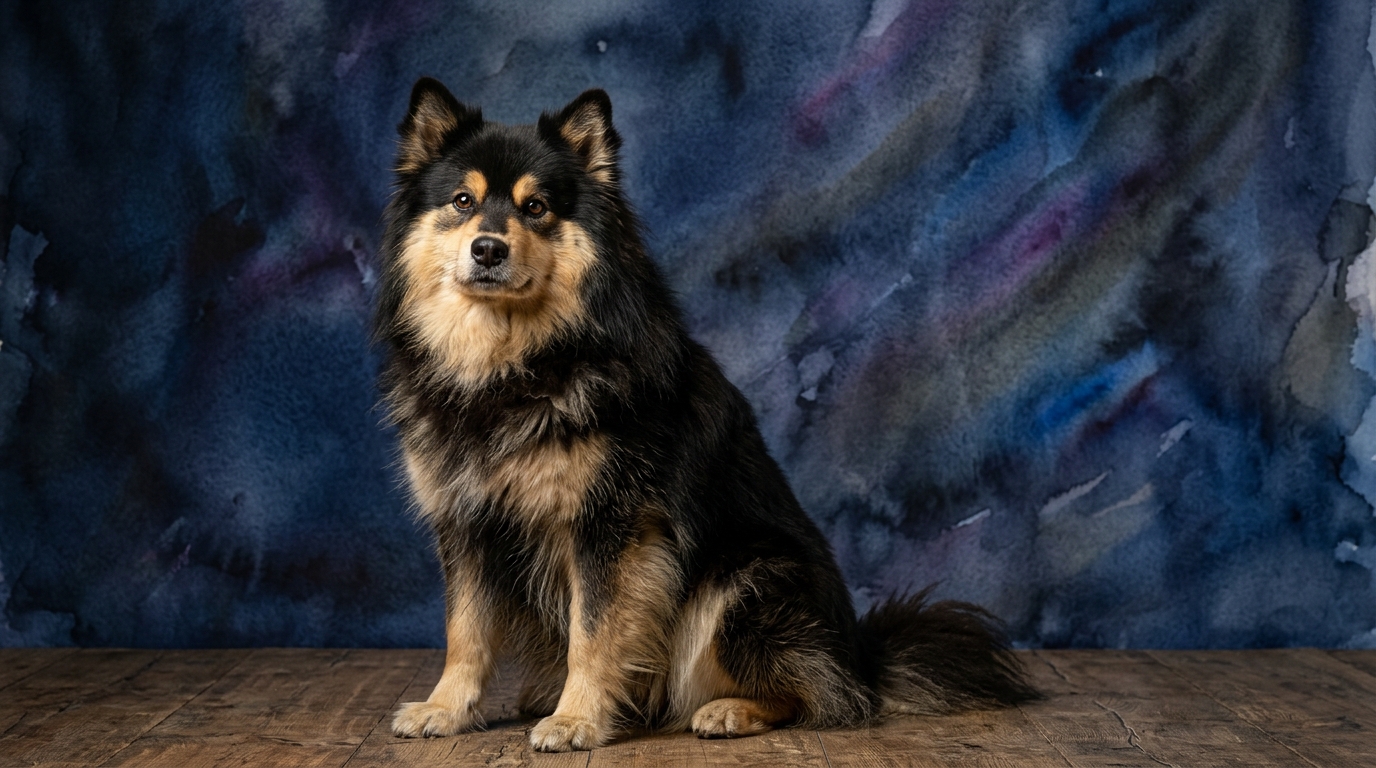
**Finnish Lapphund (Herding Group):** This breed’s intelligence is steeped in cooperation and observation, honed over centuries of working with reindeer in the Arctic. Their cognitive strengths are geared towards partnership and understanding complex social dynamics. For **Problem Solving (3/5)**, Lapphunds excel at practical, adaptive solutions, particularly in scenarios involving observation, spatial reasoning, and understanding cause-and-effect within a group dynamic, like managing livestock. Their solutions often involve strategic movement and communication rather than brute force. Their **Training Speed (3/5)** reflects a good capacity for learning new commands and routines, driven by an eagerness to please and a cooperative nature, meaning they generally grasp concepts with moderate repetition, especially when the training is engaging and positive. **Social Intelligence (3/5)** is a hallmark of the Lapphund, as they are adept at reading human cues and responding appropriately to social situations, attuned to their family's moods and intentions, displaying a nuanced understanding of pack hierarchy. Their **Instinctive Drive (3/5)** is primarily rooted in herding, manifesting as a desire to gather, protect, and manage, translating into a strong inclination for cooperative activities and a keen awareness of their surroundings. Finally, their **Memory (3/5)** is solid, recalling learned commands, routines, and environmental layouts, aiding in consistent performance and adaptation to familiar changes.
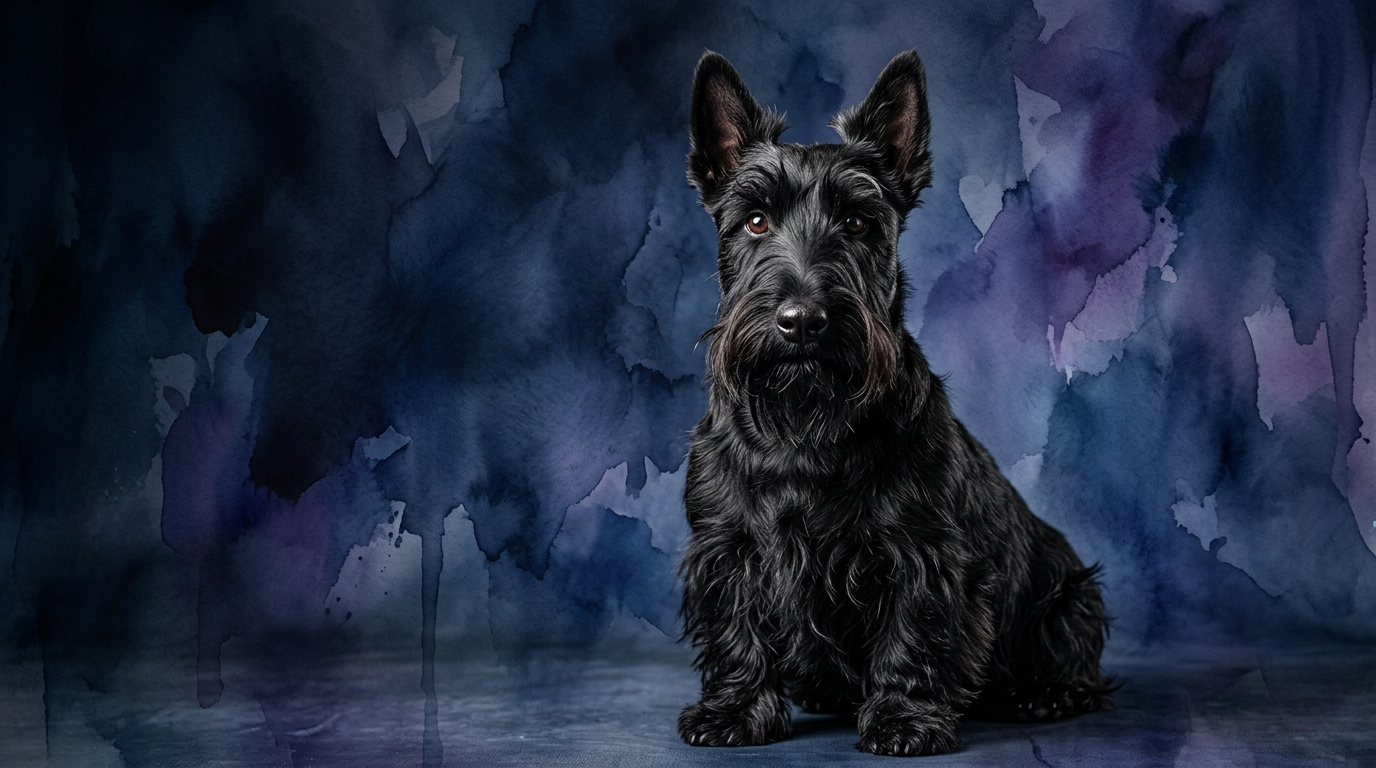
**Scottish Terrier (Terrier Group):** The Scottish Terrier’s intelligence, by contrast, is a testament to independence, persistence, and a singular focus on their original purpose: hunting vermin. Their cognitive profile reflects a self-reliant and determined approach to the world. For **Problem Solving (3/5)**, Scotties exhibit a distinct type of problem-solving centered on independence and persistence. Their solutions often involve strategic pursuit, digging, or navigating tight spaces to achieve a goal, such as locating prey, relying on their own wits rather than external guidance. Their **Training Speed (3/5)**, while moderate, is contingent on their motivation and the perceived value of the task; they can learn quickly when engaged, but might require more creative approaches to maintain interest compared to a biddable herding dog. **Social Intelligence (3/5)** in Scotties is displayed through their discerning interactions; loyal to their chosen people but often reserved with strangers, they evaluate social situations with a keen, often independent, eye. Their **Instinctive Drive (3/5)** is intensely focused on hunting, manifesting as a strong prey drive, an insatiable curiosity for digging, and a determined, tenacious approach to any perceived “hunt” or challenge. Their **Memory (3/5)** is reliable, particularly for places where interesting scents were found, effective hunting strategies, and the routines of their preferred humans, contributing to their consistent character.
Where the Finnish Lapphund Wins Cognitively
The Finnish Lapphund’s cognitive strengths shine brightest in cooperative endeavors and tasks requiring nuanced social understanding. Their herding background has honed their ability to anticipate human intentions and respond to subtle cues, making them exceptional partners in activities like obedience, agility, or even complex service roles where teamwork is paramount. A Lapphund will naturally look to their handler for guidance and adjust their behavior based on perceived human needs, demonstrating a form of social problem-solving that involves adapting to the group's overall goal. Their intuitive grasp of group dynamics allows them to navigate social interactions with a smooth adaptability, often diffusing tension or mediating play effectively among other dogs. This collaborative intelligence, coupled with their strong memory for routines, means they can execute intricate sequences of commands with remarkable fluidity once learned, always checking in with their human counterpart.
Where the Scottish Terrier Wins Cognitively
The Scottish Terrier truly excels in scenarios demanding independent thought, unwavering focus, and tenacious problem-solving. Their terrier heritage has ingrained a singular determination to overcome obstacles, whether it's figuring out how to access a hidden toy or patiently tracking an intriguing scent. A Scottie's cognitive “win” lies in their ability to make decisions autonomously and stick to a task, even when faced with setbacks, without constant human direction. This manifests as a strategic approach to challenges, often involving trial-and-error and a robust memory for what worked (or didn't) in previous attempts to achieve a self-directed goal. Their social intelligence, while perhaps appearing less overtly cooperative, allows them to skillfully assess threats or opportunities in their environment and react with self-preservation or opportunistic action, demonstrating a deep, street-smart cunning.
Training Dynamics: Biddable Partner vs. Independent Thinker
When considering ease of training, the Finnish Lapphund generally presents a more straightforward experience due to their inherent biddability and desire to work alongside their human. Their background as herding dogs means they are predisposed to paying attention to their handler, responding to signals, and finding satisfaction in cooperative tasks. While both breeds have a 3/5 training speed, the Lapphund's willingness to engage and its social intelligence for reading cues makes the process feel more intuitive and less prone to stubbornness. They are often keen to learn for the sake of partnership and positive reinforcement.
In contrast, the Scottish Terrier's independent nature, a hallmark of its terrier lineage, means training requires a different approach. A Scottie will learn, but often needs to be convinced that a command serves a purpose beneficial to them, or that the reward is sufficiently enticing. Their problem-solving skills might be applied to finding ways around commands rather than simply complying, making consistency, patience, and highly motivating rewards crucial for effective training. This isn't a lack of cognitive ability, but rather a difference in motivational drivers and how they process authority; they are more likely to question “why” before complying, requiring a handler who understands how to make learning a game they want to play.
Matching Canine Cognition to Owner Lifestyles
The Finnish Lapphund is a better match for active owners who relish regular engagement and outdoor adventures. Their herding drive translates into a need for consistent mental stimulation and physical activity, whether it's long hikes, dog sports, or interactive play sessions that tap into their cooperative intelligence. They thrive when given a “job” or purpose, even if it's just being an active family companion involved in daily routines. Owners who enjoy teaching new tricks, participating in canine activities, and providing ample outdoor exploration will find a Lapphund a delightful partner, as their cognitive needs align with a busy, interactive lifestyle.
The Scottish Terrier, while not a couch potato, might suit owners who appreciate bursts of activity interspersed with periods of independent relaxation. Their energy is often expressed in intense, focused play or determined explorations of their immediate environment, rather than sustained, high-endurance activities. They are content with moderate daily walks and opportunities for scent work or puzzle toys that satisfy their innate drive to “hunt” and problem-solve on their own terms. Owners who enjoy a dog with character, who can be independent but also enjoys cozy indoor companionship, and who are prepared for the occasional tenacious pursuit of a perceived “quarry,” might find the Scottie a suitable companion. They are less about continuous human-directed activity and more about self-directed engagement, making them a good fit for owners who appreciate a dog with a strong, self-contained personality.
The Verdict
Choose the Finnish Lapphund if you seek a highly cooperative, socially attuned companion eager to partner in diverse activities and thrive on consistent engagement.
Opt for the Scottish Terrier if you appreciate an independent, tenacious thinker who enjoys solving problems on their own terms and offers a spirited, self-assured companionship.
🧠 Find Your Pet's IQ Score
Our Pet IQ Lab assessment covers 25+ tests across 5 cognitive dimensions — personalized to your breed.
Take the Full IQ Test →Frequently Asked Questions
Do Finnish Lapphunds bark a lot?
Yes, Finnish Lapphunds are known for being vocal, using barks to communicate and alert. Their herding background means they are watchful and often use their voice to express observations or gather attention, though training can help manage excessive barking.
Are Scottish Terriers good with children?
Scottish Terriers can be good with respectful, older children who understand how to interact with a dog that values its personal space. Their independent nature means they might not tolerate rough play as readily as some more boisterous breeds, and supervision is always recommended.
How do these breeds handle living in apartments?
Both breeds can adapt to apartment living if their exercise and mental stimulation needs are consistently met. The Finnish Lapphund requires more dedicated outdoor activity and mental engagement, while the Scottish Terrier needs regular walks and opportunities for independent exploration or puzzle play within their space.