
Side-by-Side Cognitive Profiles: A Detailed Look
To understand the unique mental landscapes of the Finnish Spitz and Miniature Poodle, we examine their cognitive abilities across five specific dimensions. These insights reveal how each breed approaches the world, processes information, and interacts with their environment and human companions.
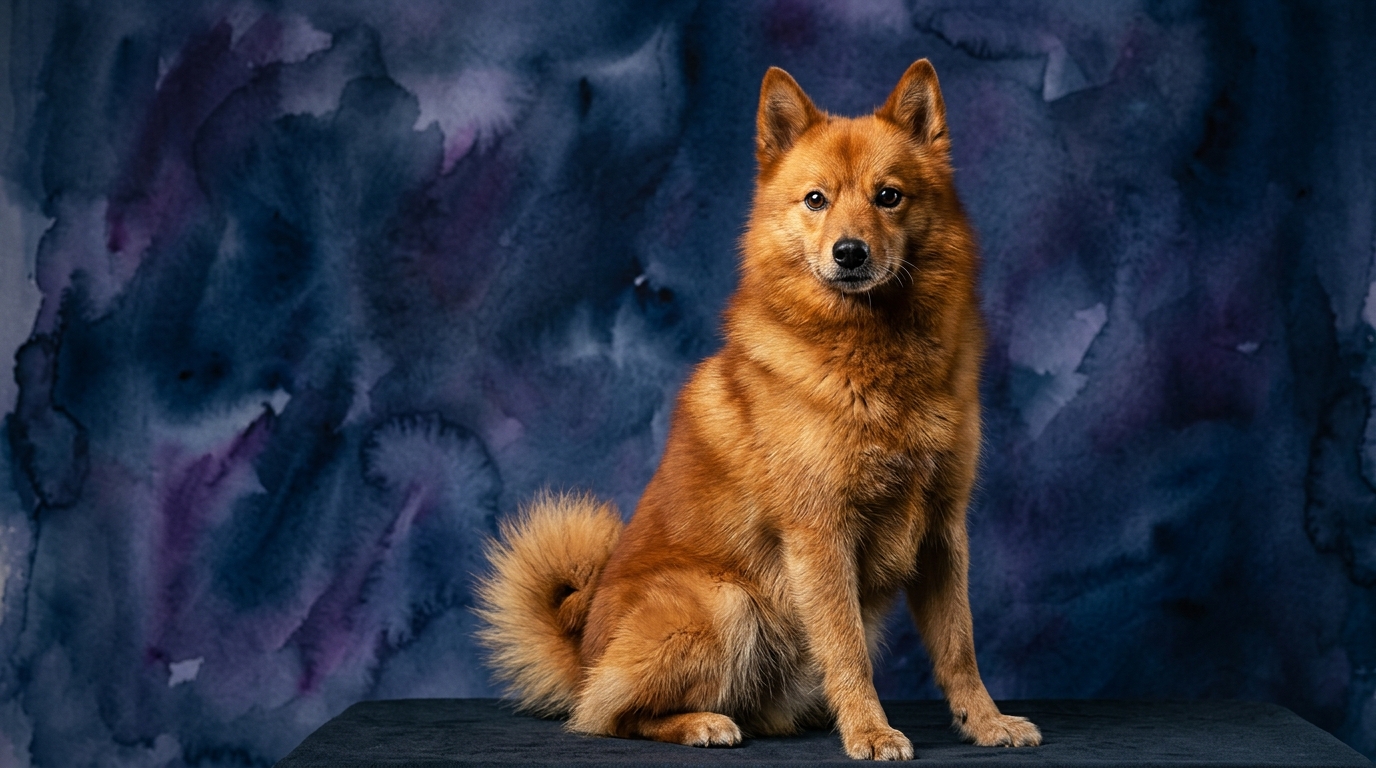
The Finnish Spitz presents a balanced and consistent cognitive profile, with a rating of 3/5 across all five categories: Problem Solving, Training Speed, Social Intelligence, Instinctive Drive, and Memory. This indicates a capable, yet not exceptional, aptitude in each area. Their problem-solving skills are adequate for navigating typical daily challenges, though they may not devise complex solutions rapidly. Learning new commands requires patience and repetition, reflecting their moderate training speed. Socially, they can read cues and interact appropriately, but often maintain a degree of independence. Their instinctive drive is present but not overwhelming, typically manifesting as an alert nature and a focused, purposeful approach to specific tasks. Memory is functional, allowing them to retain learned information and experiences, albeit not with perfect recall over long periods.
In stark contrast, the Miniature Poodle showcases a profile marked by exceptional strengths in key areas, earning them a Coren rank of #2, signifying their remarkable working and obedience intelligence. They achieve a standout 5/5 in Problem Solving, Training Speed, and Memory. This means they are adept at quickly analyzing new situations, devising ingenious solutions, and comprehending complex sequences of actions. Their training speed is extraordinarily fast, allowing them to pick up new commands and routines with minimal repetition. Their memory is equally impressive, enabling them to retain vast amounts of information and recall it accurately over extended durations. Interestingly, their Social Intelligence and Instinctive Drive are rated 3/5, mirroring the Finnish Spitz. This suggests a balanced social awareness and a moderate, manageable level of innate drives, rather than an intense focus on human interaction or overwhelming primal urges.
Where the Finnish Spitz Shines Cognitively
While the Miniature Poodle’s 5/5 scores are undeniable, the Finnish Spitz’s consistent 3/5 ratings across the board offer a different kind of cognitive advantage, particularly in fostering self-reliance and a unique environmental awareness. Their moderate social intelligence, for instance, means they are not overly dependent on constant human direction or approval. This fosters a resilient independence, allowing them to make decisions and navigate situations without needing explicit instructions for every step, a trait valuable for owners who appreciate a dog with its own distinct personality and less clingy disposition.
Their instinctive drive, while rated 3/5, is specifically honed for their historical role as a 'barking bird dog,' which implies a focused and specialized form of intelligence. This drive isn't about generalized prey pursuit but a highly specific, sustained attention to avian targets, using a unique, rapid vocalization to alert hunters. This specialized focus demands a refined ability to detect, track, and communicate about a particular type of stimulus in a way that many other breeds, even those with higher overall drives, might not possess. It's a cognitive strength tailored for a niche purpose, requiring acute sensory perception and a distinct communication strategy that sets them apart.
Furthermore, the Finnish Spitz’s balanced cognitive profile across all dimensions can translate into a more stable and less neurotic temperament. Without extreme highs in problem-solving or training speed, they may be less prone to boredom-induced destructive behaviors if not constantly challenged, unlike breeds that demand perpetual mental engagement. Their moderate memory and learning speed mean they learn at a steady pace, and while they require more patience, they often internalize lessons deeply once understood, leading to reliable, albeit slower, acquisition of skills.
Where the Miniature Poodle Excels Cognitively
The Miniature Poodle's exceptional 5/5 ratings in Problem Solving, Training Speed, and Memory position them as a truly outstanding cognitive performer. Their problem-solving prowess allows them to quickly assess novel situations, understand cause-and-effect relationships, and devise creative solutions to challenges, whether it's figuring out a complex puzzle toy or navigating an unfamiliar environment. This capacity for intricate thought makes them highly adaptable and capable of learning sophisticated tasks that confound many other breeds.
Their remarkable training speed means they grasp new commands and concepts with astonishing rapidity, often requiring only a handful of repetitions to solidify a behavior. This makes them incredibly versatile for various dog sports and roles, from competitive obedience and agility to assistance work. Coupled with their exceptional memory, they not only learn quickly but also retain a vast repertoire of commands and routines over long periods, allowing for complex sequencing and reliable recall even after extended breaks from training.
This combination of rapid learning and strong retention means Miniature Poodles thrive on mental stimulation and structured engagement. They excel in environments where their cognitive abilities are consistently challenged, eagerly absorbing new information and demonstrating a profound capacity for understanding human communication. Their ability to make strong associations between commands and actions, and to recall these associations flawlessly, makes them exceptionally responsive and precise partners in any activity demanding mental agility.
Trainability: A Tale of Two Approaches
When it comes to trainability, the contrast between these two breeds is significant, largely dictated by their respective scores in Training Speed and Memory. The Miniature Poodle, with its 5/5 ratings in both categories, is widely regarded as one of the most trainable breeds. They pick up new commands and behaviors almost effortlessly, often appearing to anticipate what is expected of them. Their eagerness to engage, combined with their quick minds, means they thrive on positive reinforcement and consistent, engaging training sessions. They are capable of mastering complex chains of commands and intricate tricks, making them a joy for owners who enjoy advanced training and dog sports.
The Finnish Spitz, with its 3/5 ratings for Training Speed and Memory, requires a more patient and nuanced approach. They certainly can be trained, but they will not learn as rapidly or retain information as flawlessly as a Miniature Poodle. Their independent nature, a hallmark of their hunting heritage where they worked semi-autonomously, means they often evaluate a command before complying. They are not inherently driven by a strong desire to please in the same way some other breeds are, requiring owners to find what truly motivates them – whether it's a specific treat, toy, or opportunity for exploration. Consistency, clear communication, and making training fun and rewarding are paramount to success, as repetition is key for them to internalize lessons.
Real behavioral differences highlight this disparity: a Miniature Poodle might master 'stay' for minutes after just a few sessions, while a Finnish Spitz might take weeks to achieve the same reliability. Furthermore, the Finnish Spitz's characteristic vocalizations, while natural to their breed, can be a specific training challenge, requiring dedicated effort to manage barking in inappropriate contexts. Owners must understand that a Finnish Spitz will learn, but on their own timeline and often with a greater need for intrinsic motivation rather than external pressure.
Matching Canine Intellect to Lifestyle: Active vs. Relaxed Owners
The cognitive profiles of the Finnish Spitz and Miniature Poodle dictate different ideal environments, particularly when considering an owner's activity level and desired canine engagement. For active owners, both breeds can be excellent companions, but their ideal activities diverge. The Miniature Poodle thrives in structured, mentally demanding activities that leverage their exceptional problem-solving and memory, such as competitive agility, advanced obedience, rally, or even scent detection. They excel when given specific tasks to master and enjoy the mental workout as much as the physical exertion. An active owner who enjoys consistent training and complex challenges will find the Miniature Poodle an eager and capable partner, always ready to learn something new.
The Finnish Spitz, while also needing regular exercise, benefits more from activities that align with their independent spirit and natural drives. Long hikes, exploring varied terrain, scent-tracking games, or 'birding' walks where they can utilize their keen senses and vocalizations are ideal. They appreciate opportunities for independent exploration and less structured play, rather than constant command-and-response drills. An active owner who enjoys outdoor adventures and respects a dog's natural inclinations will appreciate the Finnish Spitz's enduring stamina and focused attention on their environment, even if their obedience isn't always show-ring perfect.
For owners seeking a more 'relaxed' lifestyle, neither breed is truly a low-maintenance companion if 'relaxed' implies minimal engagement. A Miniature Poodle, despite its smaller size, requires significant mental stimulation; without it, their quick minds can lead to boredom, anxiety, and destructive behaviors. A 'relaxed' Poodle owner must still commit to daily mental challenges, even if it's through puzzle toys, short training sessions, or interactive games, to prevent their sharp intellect from becoming a source of frustration. A Finnish Spitz, conversely, might not demand constant mental challenges in the same structured way, but their independent nature and vocal tendencies mean a 'relaxed' owner must be prepared to manage their natural behaviors and provide outlets for their instinctive drives, often through consistent exercise and a clear understanding of their communication style. They are not content to simply be a decorative presence; they are working dogs at heart, even if their 'work' is simply patrolling the yard and announcing every passing squirrel.
The Verdict
Choose the Finnish Spitz if you appreciate an independent, self-reliant canine companion with a unique vocal expression, valuing a dog that thinks for itself and offers a balanced, moderate cognitive style, and you are prepared for patient, consistent training.
Opt for the Miniature Poodle if you seek a highly adaptable and eager learner, excelling in rapid skill acquisition and complex task mastery, thriving on consistent, engaging training that challenges a quick and retentive mind.
🧠 Find Your Pet's IQ Score
Our Pet IQ Lab assessment covers 25+ tests across 5 cognitive dimensions — personalized to your breed.
Take the Full IQ Test →Frequently Asked Questions
Do Finnish Spitz truly bark more than Miniature Poodles?
Finnish Spitz are often called 'barking bird dogs' due to their historical role, using a distinct, rapid bark to alert hunters to game. Miniature Poodles can be vocal, but their barking is generally not as central to their breed identity or functional purpose as it is for the Finnish Spitz.
Can a Miniature Poodle excel in scent work despite its average instinctive drive?
Absolutely. While their instinctive drive is rated 3/5, their exceptional problem-solving and memory (both 5/5) allow them to quickly learn and master the complex patterns and recall required for scent work. Their high trainability makes them adept at focusing their energies on specific tasks.
Is the 3/5 social intelligence of both breeds a disadvantage?
Not necessarily. A 3/5 rating indicates they can read human cues adequately and interact appropriately, but may not be as overtly 'people-focused' or hyper-sensitive to every subtle human emotion as breeds with higher social intelligence. For some owners, this balanced approach to social interaction is preferable, fostering a more independent companion.