Side-by-Side IQ Profile
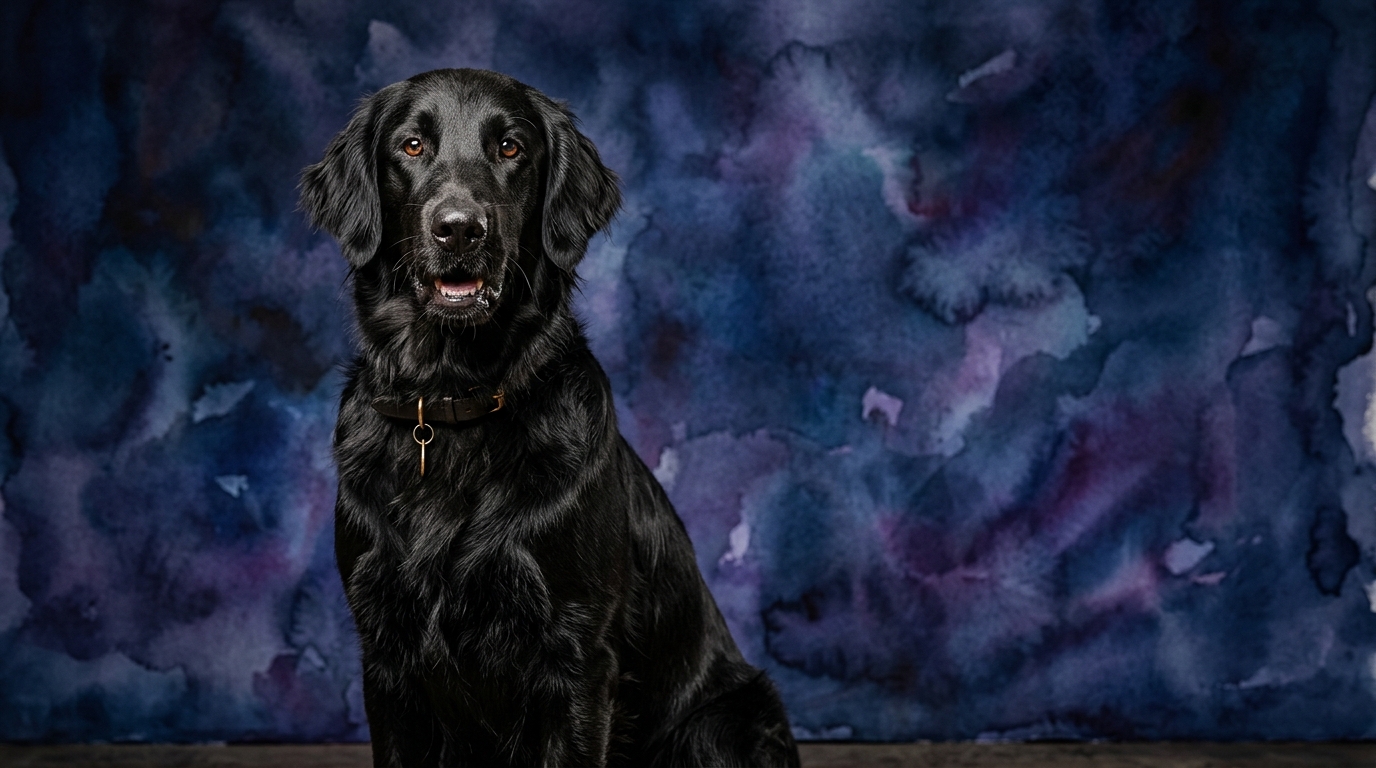
The Flat-Coated Retriever, a member of the Sporting group, boasts a Coren rank of #17, signaling a breed with a strong capacity for working and learning. Its cognitive profile includes a Problem Solving score of 4/5, indicating a resourceful mind that can navigate new challenges effectively. Training Speed is rated 4/5, suggesting a quick uptake of commands and new behaviors, making them responsive learners. Their Social Intelligence stands at 3/5, reflecting a generally friendly and engaging nature without being overly reliant on constant human interaction. An Instinctive Drive of 3/5 points to a moderate natural inclination for their original retrieving tasks, manifesting as enthusiasm for activity. Crucially, their Memory is exceptional at 5/5, allowing them to retain vast amounts of information and recall experiences over significant periods.
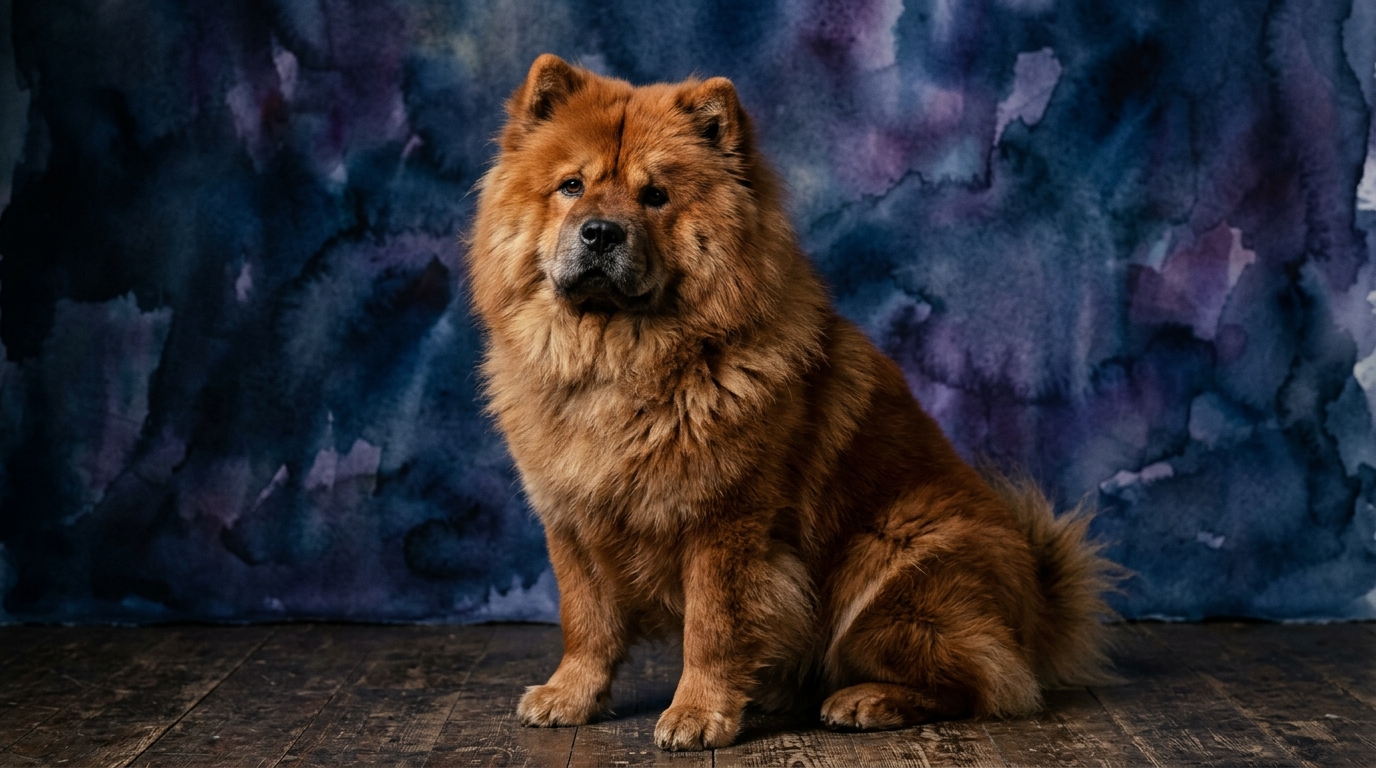
In contrast, the Chow Chow, originating from the Non-Sporting group, holds a Coren rank of #76, which places it further down the spectrum for working and obedience intelligence. Its Problem Solving ability is rated 3/5, meaning they are capable of solving issues but may approach them with more deliberation or require clearer direction. Training Speed is also 3/5, indicating they learn at a steady pace but might need more repetition and patience compared to faster learners. Their Social Intelligence matches the Flat-Coat at 3/5, though it typically manifests as a reserved and independent demeanor, loyal to their inner circle but aloof with strangers. An Instinctive Drive of 3/5 often reflects their historical role as guardians and hunters, leading to a focused, purposeful drive rather than a scattered eagerness. Their Memory is rated 3/5, respectable but not as prodigious as some breeds, meaning consistent reinforcement helps maintain learned behaviors.
Where Flat-Coated Retriever Wins Cognitively
The Flat-Coated Retriever demonstrates clear cognitive advantages, particularly in areas demanding adaptability and retention. With a Problem Solving score of 4/5, these dogs exhibit a remarkable capacity for figuring things out, whether it's navigating a complex agility course, understanding how to open a gate, or devising strategies to retrieve a hidden toy. This translates into a resourceful companion who often anticipates challenges and finds solutions, making them engaging partners in various activities. Their ability to process and act on information efficiently allows them to excel in dynamic environments where quick thinking is an asset.
Furthermore, the Flat-Coated Retriever's Training Speed of 4/5 positions them as exceptionally receptive learners. They absorb new commands and routines with impressive alacrity, often requiring fewer repetitions than many other breeds. This quick grasp of concepts is complemented by their outstanding Memory, rated at 5/5. This perfect score means they not only learn rapidly but also retain those lessons for extended durations, making refresher sessions brief and effective. Owners often report their Flat-Coats remembering complex sequences of commands or specific instructions even after long breaks, a testament to their robust cognitive retention. This combination of swift learning and durable memory makes them formidable competitors in dog sports and highly reliable working dogs.
Where Chow Chow Wins Cognitively
While the Chow Chow’s cognitive profile differs from the Flat-Coated Retriever, it possesses distinct strengths that cater to specific lifestyles and owner preferences. Its Social Intelligence of 3/5, though numerically equal to the Flat-Coat's, manifests as a profound independence and self-sufficiency. This isn't a deficiency; rather, it's a cognitive trait that allows the Chow Chow to be content without constant human direction or validation. They form deep, selective bonds, exhibiting a loyal, protective intelligence towards their chosen family, processing social dynamics within their trusted circle with keen awareness, yet maintaining a dignified distance from outsiders. This reserved nature means they don't constantly seek approval, fostering a unique, self-reliant companionship.
The Chow Chow's Problem Solving score of 3/5, while not as exploratory as the Flat-Coat, reflects a pragmatic and often deliberate approach to challenges. They are not necessarily interested in solving problems for the sake of it, but will apply their intellect to situations directly impacting their comfort, routine, or perceived security. This translates into a focused problem-solving style, where solutions are often sought with a clear purpose in mind, rather than playful experimentation. Their Instinctive Drive of 3/5, rooted in their historical roles as guardians and hunters, further supports this. It manifests as a watchful, discerning awareness of their surroundings, and a purposeful application of their cognitive resources to maintain order and protect their territory, rather than a broad, energetic drive for varied activities. This independent thought process and self-reliant problem-solving are precisely what some owners seek.
Which is Easier to Train and Why
When considering ease of training, the Flat-Coated Retriever presents a significantly more straightforward experience due to its cognitive makeup. Their Training Speed of 4/5 means they pick up new commands and behaviors quickly, often showing enthusiasm for the learning process itself. This quick assimilation is bolstered by their 4/5 Problem Solving ability, allowing them to grasp the 'why' behind tasks and adapt readily to variations. Furthermore, their exceptional Memory (5/5) ensures that once a lesson is learned, it's firmly embedded, requiring less frequent reinforcement to maintain proficiency. They thrive on positive interaction and collaboration, viewing training as an engaging activity to share with their human.
The Chow Chow, with its 3/5 scores in both Training Speed and Problem Solving, demands a different, more patient approach. They learn at a steady pace, but require consistent repetition and clear, concise instructions. Their independent nature, stemming from their particular manifestation of Social Intelligence (3/5), means they aren't driven by an inherent desire to constantly please their handler in the same way a Flat-Coat might be. Motivation for a Chow Chow often needs to appeal to their self-interest or routine, rather than just the joy of cooperation. Training sessions need to be kept engaging and relatively short to hold their attention, and owners must be prepared for a journey where progress is steady but not always instantaneous, and where the dog's own judgment might occasionally override a command if it perceives no immediate benefit.
Which Suits Active Owners vs Relaxed Owners
The choice between these breeds often boils down to an owner's lifestyle and preferred level of engagement. The Flat-Coated Retriever is an ideal companion for active owners. Its moderate Instinctive Drive (3/5), combined with its problem-solving prowess and high training speed, makes it eager for participation in a wide array of activities. They thrive on consistent physical and mental stimulation, excelling in dog sports like retrieving, agility, and obedience, or simply enjoying long hikes, swimming, and exploring new environments. Their joyful, energetic disposition and desire for interaction mean they integrate seamlessly into a busy, outdoor-oriented lifestyle, always ready for the next adventure.
Conversely, the Chow Chow is generally better suited for more relaxed owners who appreciate a dignified, self-contained companion. While they still require regular, moderate exercise to stay healthy, their cognitive profile—particularly their reserved Social Intelligence (3/5) and focused Instinctive Drive (3/5) often expressed as watchful guarding—means they are not typically driven by the same boundless energy or constant need for engagement. They are content with a predictable routine, shorter walks, and quiet companionship. Owners who understand and respect their independent nature, and are prepared to provide consistent, calm leadership without expecting effusive displays of affection or constant playful interaction, will find a deeply loyal and composed partner in the Chow Chow.
The Verdict
Choose the Flat-Coated Retriever if you seek an enthusiastic, highly trainable companion eager to learn new tasks, participate in dynamic activities, and collaborate closely with you.
Opt for the Chow Chow if you prefer a self-sufficient, reserved, and dignified partner who offers quiet loyalty, thrives on routine, and values a more independent relationship.
🧠 Find Your Pet's IQ Score
Our Pet IQ Lab assessment covers 25+ tests across 5 cognitive dimensions — personalized to your breed.
Take the Full IQ Test →Frequently Asked Questions
Is the Flat-Coated Retriever truly better at remembering things than a Chow Chow?
Yes, the Flat-Coated Retriever excels with a memory score of 5/5, indicating superior retention of commands and experiences compared to the Chow Chow's 3/5, making them quicker to recall learned behaviors and complex routines.
How does the Chow Chow's social intelligence differ from the Flat-Coated Retriever's, given both are 3/5?
While both score 3/5, the Flat-Coated Retriever's social intelligence typically manifests as general friendliness and a desire to engage, whereas the Chow Chow displays a more reserved, independent social style, often bonding deeply with a select few and being aloof with strangers.
Does a lower problem-solving score for the Chow Chow mean it can't learn new tricks?
Not at all; a 3/5 problem-solving score means the Chow Chow can learn new tricks and adapt to situations, but might take more time and consistent guidance compared to the Flat-Coated Retriever's more exploratory and quicker 4/5 approach to novel challenges.