Side-by-Side IQ Profile: Flat-Coated Retriever vs. Harrier
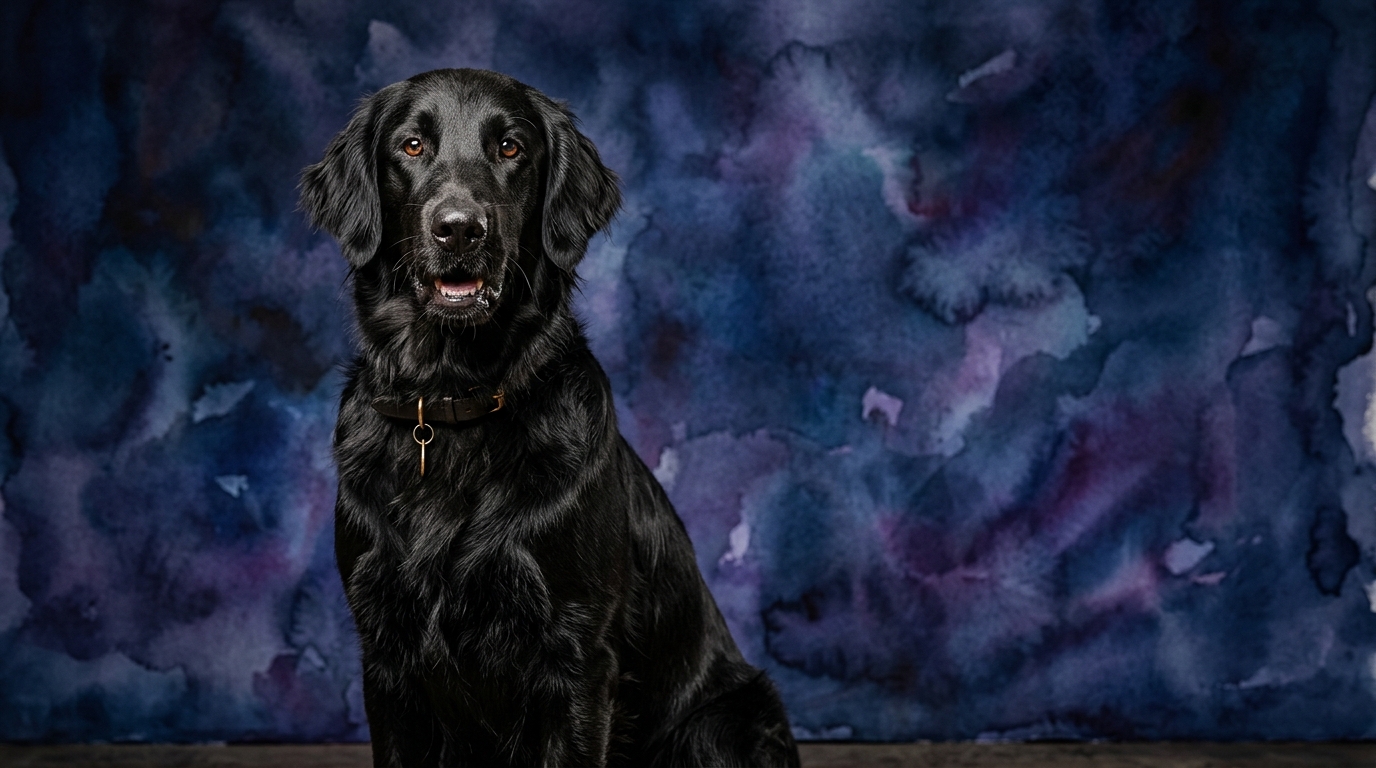
At The Cosmic Pet Pet IQ Lab, we evaluate canine intelligence across five key dimensions, providing a nuanced understanding beyond simple rankings. The Flat-Coated Retriever, a Sporting group member and Coren-ranked #17, demonstrates a well-rounded cognitive profile geared towards cooperative work. Its Problem Solving is rated 4/5, indicating an ability to decipher complex tasks and adapt strategies effectively. Training Speed also scores 4/5, reflecting its quick uptake of new commands and routines. Social Intelligence stands at 3/5, showing general responsiveness to human interaction, while Instinctive Drive is 3/5, channeled towards retrieving and partnership. A standout feature is its Memory, scoring an impressive 5/5, suggesting exceptional recall and retention.
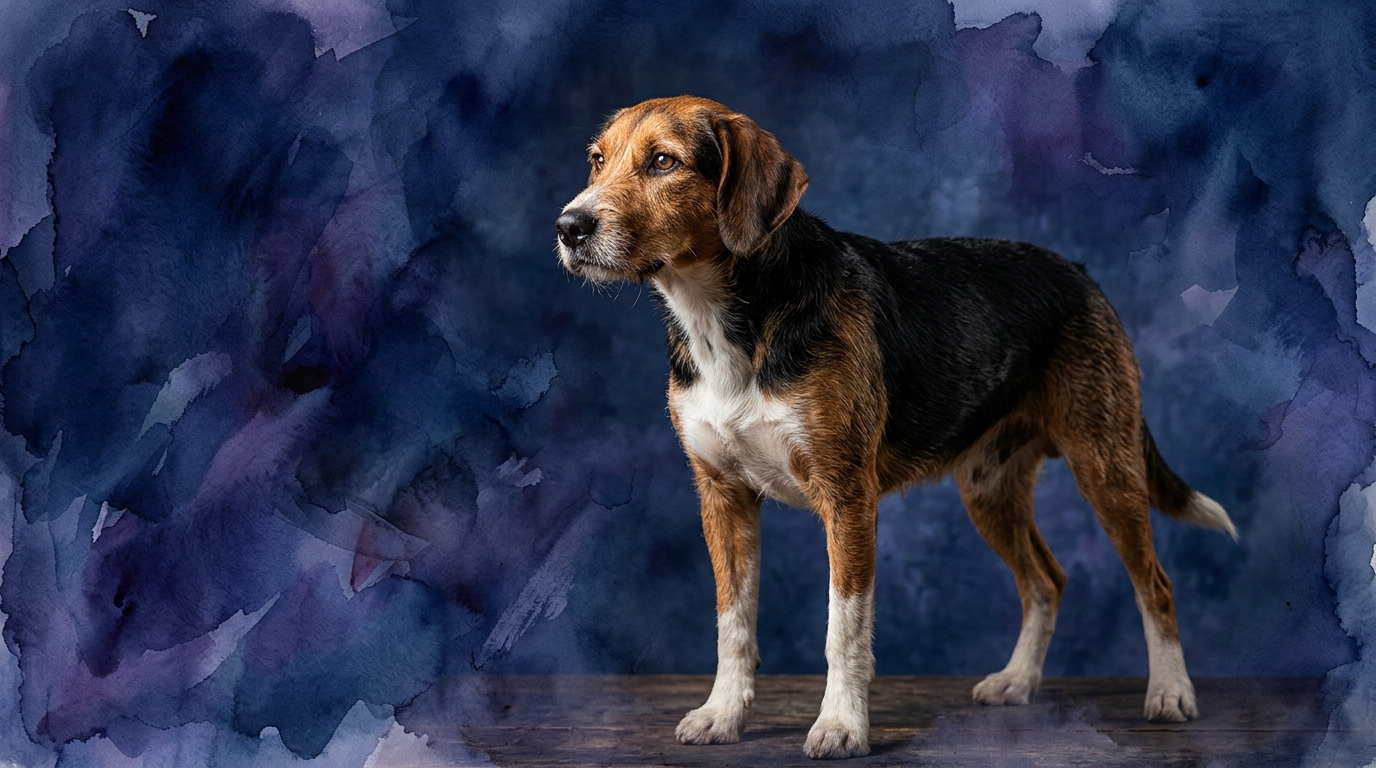
In contrast, the Harrier, a member of the Hound group and not Coren-ranked, presents a profile shaped by its specialized hunting heritage. Its Problem Solving is rated 3/5, capable within its domain but perhaps less broadly adaptive than a retriever. Training Speed is 3/5, indicating a moderate learning pace that requires consistent effort. Social Intelligence is 3/5, allowing for good pack dynamics, while its Instinctive Drive is also 3/5, manifesting as a powerful, independent prey and scenting urge. The Harrier’s Memory scores 3/5, adequate for its specific tasks but not reaching the extraordinary levels of the Flat-Coat. These scores highlight fundamental differences in how each breed perceives and interacts with their environment and human companions.
Where the Flat-Coated Retriever Wins Cognitively
The Flat-Coated Retriever consistently demonstrates a cognitive edge in areas demanding adaptable problem-solving and rapid assimilation of new information. Their 4/5 problem-solving score means they excel at tasks requiring more than simple repetition, such as navigating complex agility courses or figuring out how to open a treat-dispensing puzzle. This breed shows a remarkable capacity for 'figuring things out' rather than just following rote commands, often applying learned principles to novel situations. Furthermore, their superior 5/5 memory allows them to retain vast amounts of learned behaviors and associative knowledge over long periods, making multi-step tasks or advanced obedience routines almost second nature. They can recall specific cues and their associated actions even after extended breaks, a testament to their robust long-term memory. This robust memory also contributes significantly to their 4/5 training speed, as fewer repetitions are needed for a command to become ingrained, allowing them to progress quickly through advanced training protocols and diverse activities.
Where the Harrier Wins Cognitively
While the Harrier's overall scores might appear lower by traditional metrics, their cognitive strengths lie in specialized areas, particularly their instinctive drive and focused problem-solving related to scent work. Their 3/5 instinctive drive, though numerically similar to the Flat-Coat's, manifests as an unyielding determination to follow a scent trail, demonstrating an innate, complex problem-solving ability honed over centuries of selective breeding. This isn't about solving a human-devised puzzle, but rather deciphering an intricate olfactory landscape, distinguishing subtle scent variations, and navigating terrain to locate a quarry. Their persistence in tracking, often for hours, showcases a unique form of cognitive endurance and single-mindedness that surpasses many breeds. While their general memory is rated 3/5, their olfactory memory is exceptional, allowing them to remember specific scents and trails, sometimes even after considerable time has passed. This specialized cognitive function is crucial for their historical role as a hunting hound, allowing them to excel in activities like tracking or scent work.
Training Dynamics: Flat-Coat's Eagerness vs. Harrier's Independence
When assessing ease of training, the Flat-Coated Retriever generally presents a more straightforward experience for the average owner. Their 4/5 training speed is a significant advantage, meaning they grasp new commands and concepts with fewer repetitions than many other breeds. This rapid learning is coupled with a strong desire to engage and cooperate with their human companions, making them highly responsive to positive reinforcement. Their exceptional 5/5 memory ensures that once a command is learned, it is retained, leading to consistent performance across various environments and distractions. Flat-Coats often approach training as a collaborative game, eager to please and earn rewards, which streamlines the learning process for both basic obedience and advanced skills.
In contrast, the Harrier, with a 3/5 training speed, requires more patience and consistent effort. Their strong 3/5 instinctive drive, particularly their powerful scenting ability, means they can be easily distracted by an interesting smell, often tuning out human instruction in favor of following their nose. This independent streak, typical of many hounds, means training sessions need to be engaging, short, and highly rewarding to maintain their focus and overcome their natural inclination to explore the world through scent rather than strict obedience. While capable of learning, their motivation often comes from internal drive rather than a strong desire to please, making them less inherently 'biddable' than a Flat-Coat. Owners must understand and work with their hound nature, using long lines for safety and making training feel like a partnership in exploration rather than strict command-following.
Matching Breeds to Lifestyles: Active Engagement vs. Focused Drive
Both breeds require active owners, but their activity needs manifest differently, deeply tied to their cognitive profiles. The Flat-Coated Retriever thrives with owners who can provide consistent mental engagement alongside physical exercise. Their 4/5 problem-solving ability and 5/5 memory mean they benefit immensely from activities like obedience trials, agility, retrieving games, and complex puzzle toys that challenge their minds. A relaxed owner who offers only basic walks and minimal mental stimulation would likely find a Flat-Coat becoming bored and potentially developing undesirable behaviors stemming from unfulfilled cognitive needs. They need a 'job' to do, even if it's just fetching the mail or learning new tricks, and they flourish when actively involved in family activities.
The Harrier also demands an active lifestyle, but one that caters more specifically to their powerful 3/5 instinctive drive for scenting and running. While they enjoy human companionship, their physical and mental fulfillment often comes from long, brisk walks or runs where they can explore scents, or participating in activities like tracking and lure coursing. A relaxed owner might struggle with a Harrier's independent nature and strong urge to follow a trail, which can lead to them roaming if not properly contained or exercised. They need an owner who appreciates and can safely channel their inherent drive, providing opportunities for them to use their nose and legs extensively, rather than expecting constant human-centric interaction or complex obedience. Owners who enjoy long hikes in varied terrain and understand the joy of a dog following its nose will find a Harrier a rewarding companion.
The Verdict
Choose the Flat-Coated Retriever if you seek a highly trainable, cooperative companion for diverse activities, enjoying mental engagement and a dog that thrives on working closely with you. Their robust memory and problem-solving skills make them excellent partners for obedience and performance sports.
Opt for the Harrier if you appreciate an independent, resilient hound with an exceptional scent drive, suitable for activities like tracking or long outdoor adventures. Be prepared for a more independent training journey and a dog whose primary joy comes from exploring the world through its nose.
🧠 Find Your Pet's IQ Score
Our Pet IQ Lab assessment covers 25+ tests across 5 cognitive dimensions — personalized to your breed.
Take the Full IQ Test →Frequently Asked Questions
Is the Flat-Coated Retriever a good choice for first-time dog owners?
Yes, their eagerness to please and quick learning make them suitable for committed first-time owners who are prepared for their exercise and mental stimulation needs. Their cooperative nature simplifies the training process compared to more independent breeds, fostering a strong bond.
Do Harriers get along well with other pets?
Harriers generally possess a friendly disposition and can co-exist with other pets, especially if socialized from a young age. However, their strong prey drive means careful introductions and supervision are crucial with smaller, non-canine animals to ensure harmony.
How do the social intelligence scores impact their family life?
Both breeds score 3/5 in social intelligence, meaning they are generally good with families, understanding basic social cues. Flat-Coats might be more overtly interactive and people-focused, while Harriers are content within their family pack but may exhibit more independent behavior, especially when a compelling scent is present.