Side-by-Side Cognitive Profiles
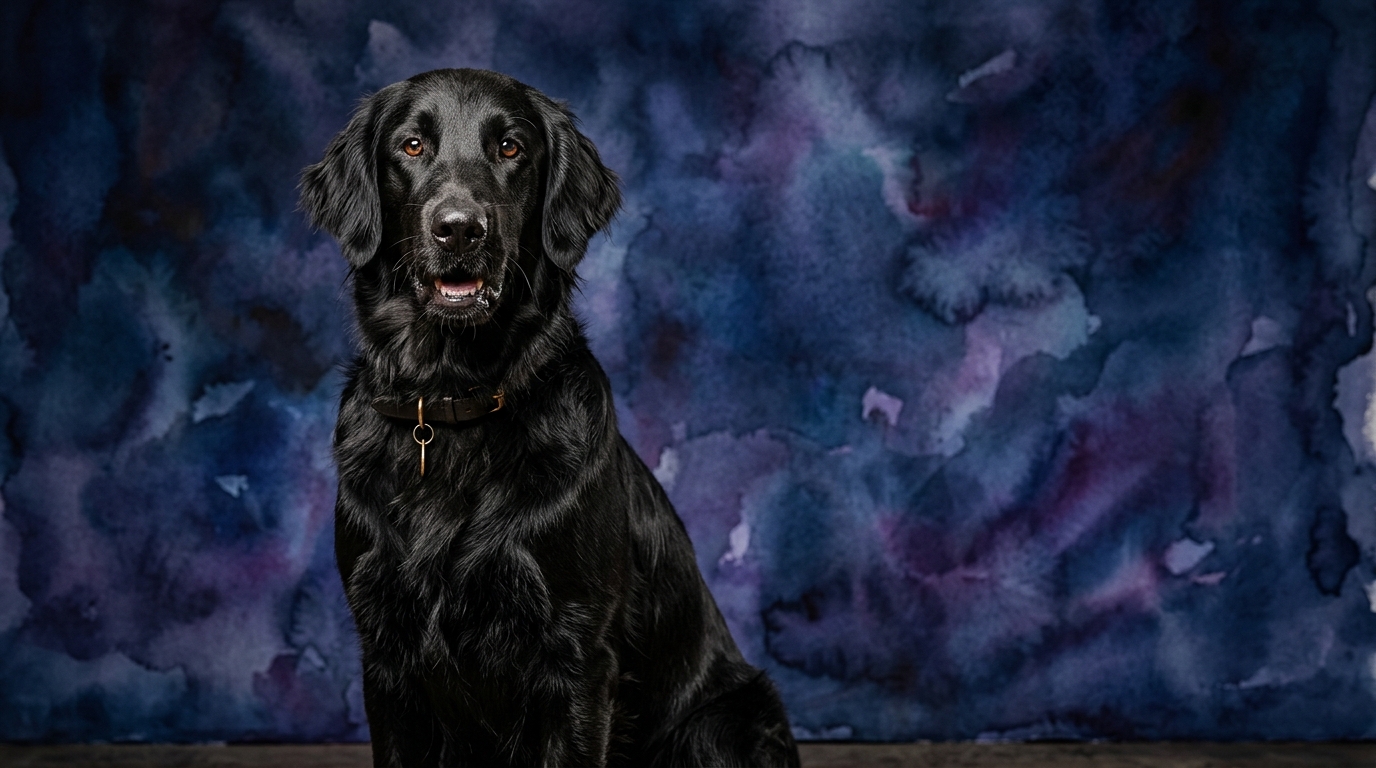
At The Cosmic Pet Pet IQ Lab, we delve beyond general perceptions to assess specific cognitive dimensions, providing a granular view of each breed's intellectual strengths and tendencies. For the Flat-Coated Retriever, officially recognized with a Coren ranking of #17, their cognitive blueprint showcases a robust capacity for understanding and retention.
The Flat-Coated Retriever exhibits Problem Solving at 4/5, indicating a strong aptitude for navigating novel situations and devising solutions, often through trial and error or by applying learned concepts. Their Training Speed, also 4/5, reflects an eagerness and ability to grasp new commands with fewer repetitions, making them responsive pupils. Social Intelligence stands at 3/5, suggesting a moderate capacity for interpreting human cues and adapting behavior based on social context, generally responsive but not overly nuanced. Instinctive Drive is 3/5, pointing to a balanced expression of natural predispositions like retrieving, which is manageable and can be channeled effectively. A standout trait is their Memory at 5/5, indicating an exceptional ability to retain learned behaviors, commands, and experiences over long periods, contributing significantly to their consistency.
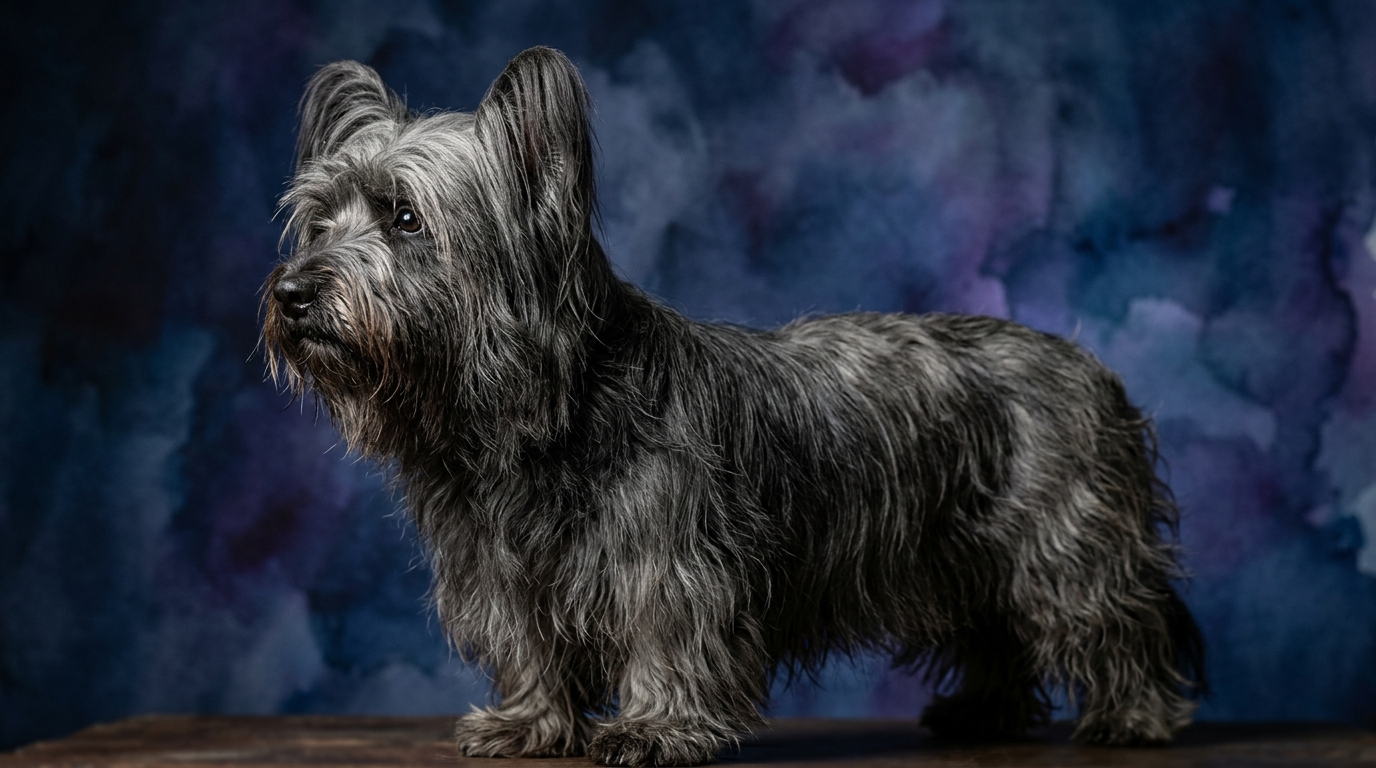
The Skye Terrier, not appearing on the Coren ranking, presents a different, yet equally valid, cognitive architecture. Their intellectual approach is often characterized by a thoughtful persistence rather than rapid acquisition, reflecting their historical role and independent spirit.
Skye Terriers score 3/5 in Problem Solving, suggesting a functional ability to resolve challenges, often through tenacity and independent thought rather than immediate insight, taking a more deliberate path. Their Training Speed is 3/5, reflecting a moderate pace in acquiring new commands, often requiring more repetition and consistent motivation due to their characteristic terrier independence. Social Intelligence, like the Flat-Coat, is 3/5, indicating a moderate capacity for understanding human interaction and forming strong bonds, albeit often with a dignified reserve. Instinctive Drive is 3/5, manifesting as a drive for digging or pursuing small prey, which is manageable but guides their interests. Finally, Memory at 3/5 indicates a solid, but not exceptional, capacity for recall, meaning they remember commands but might require refreshers more often if not consistently reinforced.
Where the Flat-Coated Retriever Shines Cognitively
The Flat-Coated Retriever's cognitive profile showcases distinct advantages, particularly in areas demanding rapid acquisition of information and sustained recall. Their exceptional Memory score of 5/5 means they absorb and retain complex command sequences and environmental details with remarkable fidelity. This isn't merely about remembering a basic 'sit' but recalling the specific steps of an intricate agility course or the location of a hidden retrieve item from weeks prior. This strong recall contributes to their reliability in performance.
Coupled with a Training Speed of 4/5, they process new information efficiently, translating instructions into action with fewer repetitions than many other breeds. This efficiency stems from a keen focus during learning sessions and a robust capacity for associating cues with desired outcomes. Their Problem Solving at 4/5 further elevates them, allowing them to adapt learned behaviors to novel situations. For instance, if a familiar retrieve path is blocked, a Flat-Coat is more likely to quickly devise an alternative route, demonstrating flexible thinking rather than simply giving up or repeating a failed attempt. This blend of strong memory, quick learning, and adaptive problem-solving makes them particularly adept at tasks requiring consistent performance and intelligent improvisation.
Where the Skye Terrier Excels Cognitively
While the Skye Terrier's scores might appear lower across the board, their cognitive strengths lie in their specific application and unique terrier mindset, rather than direct competition with a retriever's profile. Their Problem Solving at 3/5, though not as high as the Flat-Coat's, is characterized by a tenacious, independent approach. A Skye Terrier confronted with a puzzle might not solve it with speed, but with resolute persistence, often trying different methods until success is achieved. This reflects a cognitive resilience and self-reliance, rather than a lack of capacity.
Their Instinctive Drive, also 3/5, is channeled differently, focusing on tasks related to their heritage of hunting vermin, requiring focused attention and determination in specific contexts. This drive, while not about retrieving, signifies a concentrated cognitive effort towards a goal. The Skye's Social Intelligence at 3/5, matching the Flat-Coat, means they are equally capable of forming strong, meaningful bonds and understanding their human companions, albeit often expressing this connection with a dignified reserve. Their cognitive wins are less about speed and more about depth of character and unwavering dedication to their chosen task or bond, demonstrating a functional intelligence tailored to their historical role and independent spirit.
Training Dynamics: Effort and Engagement
Evaluating ease of training requires understanding both a breed's cognitive capacity and their inherent motivation. The Flat-Coated Retriever, with its 4/5 Training Speed and 5/5 Memory, presents as the undeniably easier breed to train for a wide array of tasks. Their quick grasp of commands means they require fewer repetitions to solidify a new behavior, and their exceptional memory ensures these commands are retained long-term. This efficiency is amplified by their generally biddable nature and eagerness to please, characteristic of many Sporting breeds. A Flat-Coat is likely to engage enthusiastically in training sessions, viewing it as a cooperative game.
In contrast, the Skye Terrier, with its 3/5 Training Speed and 3/5 Memory, requires a more patient and consistent approach. Their learning isn't slow due to a lack of ability, but often due to a strong independent streak and a selective ear for commands that don't immediately align with their interests. Real behavioral differences include the Flat-Coat's natural inclination to retrieve and work alongside humans, making recall and complex sequences relatively straightforward. The Skye, conversely, might exhibit a 'what's in it for me?' attitude, and their terrier heritage means they can be more easily distracted by environmental stimuli, requiring extra effort to maintain focus. While both can be trained to a high standard, the Flat-Coat offers a smoother, more direct path to obedience and skill acquisition.
Matching Canine Cognition to Owner Lifestyle
The cognitive profiles of these two breeds offer clear guidance for matching them with owner lifestyles. The Flat-Coated Retriever, with its robust problem-solving skills (4/5) and a balanced instinctive drive (3/5) that encourages engagement, thrives with active owners. These dogs benefit immensely from regular mental stimulation that challenges their quick minds and excellent memory, such as advanced obedience, agility, scent work, or consistent retrieving games. An owner who enjoys outdoor activities and can dedicate time to structured training and interactive play will find the Flat-Coat a joyful and responsive companion. Their moderate social intelligence (3/5) allows them to integrate well into family life and social outings, provided they receive appropriate guidance.
Conversely, the Skye Terrier, with its more deliberate problem-solving (3/5) and similar instinctive drive (3/5) often expressed through independent exploration rather than collaborative tasks, is better suited for owners who appreciate a more relaxed, yet consistent, approach to companionship. While they still require mental engagement, it might manifest as thoughtful exploration of their surroundings or solving puzzles at their own pace, rather than high-speed, repetitive tasks. A relaxed owner who values a loyal, dignified presence and is prepared for a terrier's occasional independent decision-making will find the Skye Terrier a rewarding partner. Their needs lean more towards companionship and consistent routine than intense, high-octane activities.
The Verdict
Choose a Flat-Coated Retriever if you are an active owner seeking a highly trainable, enthusiastic companion for structured activities, complex learning, and consistent performance, valuing a dog that remembers commands with exceptional clarity.
Opt for a Skye Terrier if you appreciate a loyal, independent spirit and are prepared for a more deliberate training pace, valuing a dignified companion who solves problems with persistence and offers unwavering devotion to their chosen family.
🧠 Find Your Pet's IQ Score
Our Pet IQ Lab assessment covers 25+ tests across 5 cognitive dimensions — personalized to your breed.
Take the Full IQ Test →Frequently Asked Questions
Does the Flat-Coated Retriever's high memory score mean they can learn anything?
While their 5/5 memory is exceptional for retention, it's combined with their other cognitive scores. It means they're very good at remembering what they've learned, but the complexity of 'anything' still depends on their problem-solving and training speed capabilities. They excel at retaining complex sequences and commands.
Is a Skye Terrier difficult to train because it's not Coren-ranked?
Not being Coren-ranked doesn't mean 'difficult,' it simply indicates a different cognitive focus than breeds primarily selected for obedience. Their 3/5 training speed means they learn at a moderate pace, often requiring more patience and motivation due to their independent terrier spirit, but they are certainly capable of learning.
How does social intelligence impact daily life for these breeds?
Both breeds have a 3/5 social intelligence, meaning they are capable of understanding human cues and forming strong bonds. For the Flat-Coat, this often manifests as eager interaction, while for the Skye, it might be expressed with a more reserved, yet deeply loyal, connection. Both will benefit from consistent socialization to navigate diverse human interactions comfortably.