Side-by-Side IQ Profile: Retrieving Grace vs. Terrier Grit
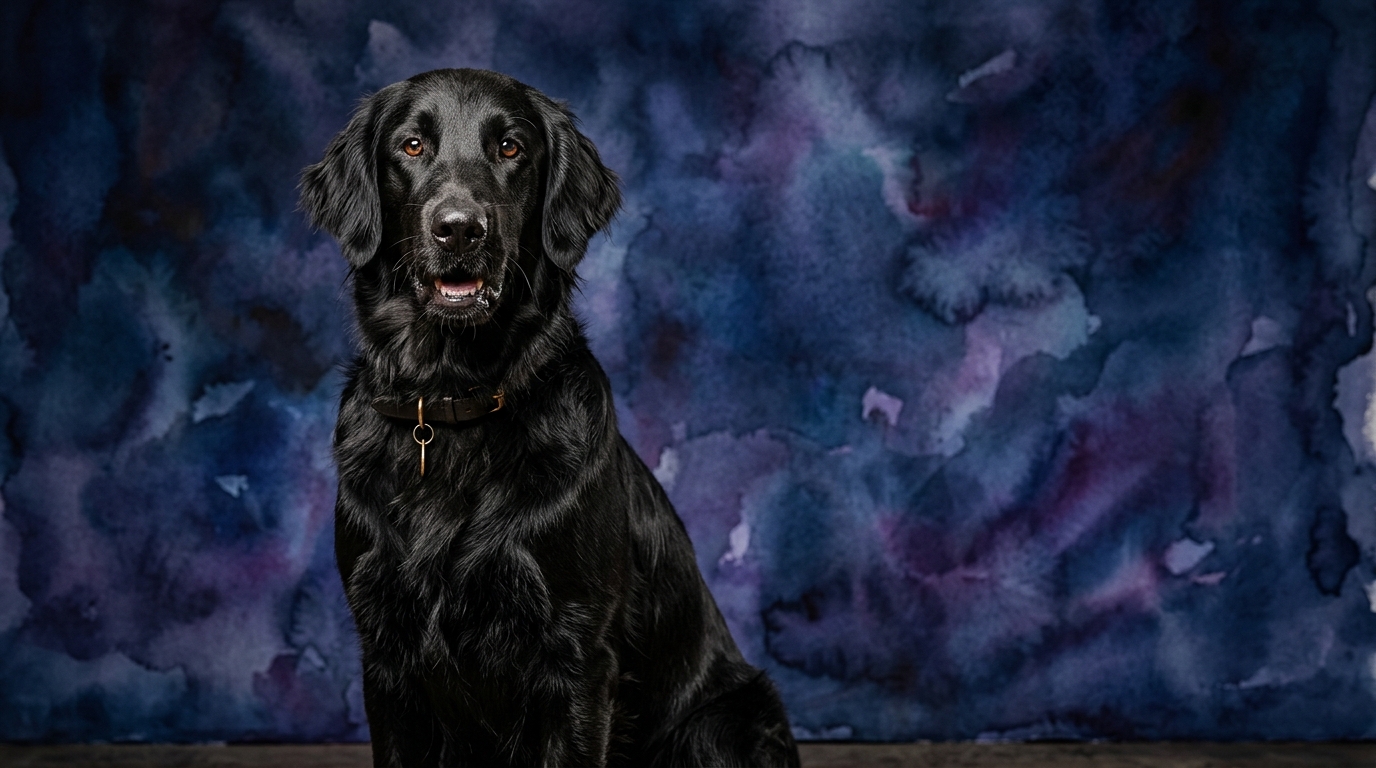
The Flat-Coated Retriever, a breed developed for water and land retrieval, ranks impressively at Coren #17, signaling a mind well-suited for complex tasks and cooperative learning. Their cognitive profile highlights exceptional memory and a strong capacity for rapid skill acquisition. They exhibit a Problem Solving score of 4/5, indicating an aptitude for navigating novel situations and understanding cause-and-effect relationships, often applied to retrieving challenges. Training Speed is also rated 4/5, reflecting their eagerness and ability to grasp new commands and routines with efficiency.
Their Social Intelligence stands at 3/5, suggesting a good understanding of human cues and a desire to engage, though perhaps not with the intense sensitivity of some companion breeds. An Instinctive Drive of 3/5 points to a moderate but focused drive, particularly for their core retrieving tasks, rather than an overwhelming, generalized prey drive. Crucially, their Memory is an outstanding 5/5, allowing them to recall complex sequences, past experiences, and learned behaviors over extended periods, a vital trait for a working retriever.
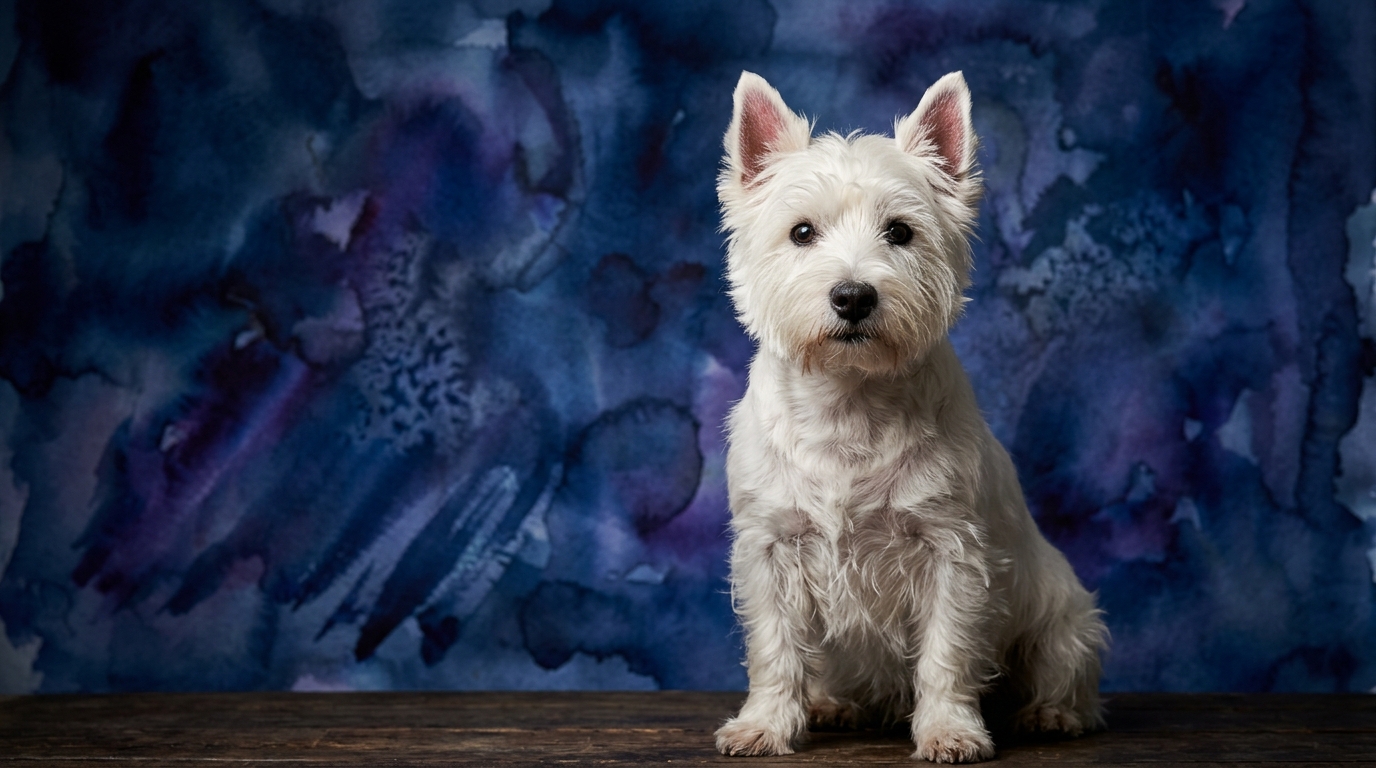
In contrast, the West Highland White Terrier, a breed historically tasked with hunting vermin, holds a Coren rank of #47, reflecting a different cognitive emphasis rooted in independence and persistence. Their Problem Solving score is 3/5, indicating competence in figuring things out, often through trial and error or a stubborn approach to obstacles. Training Speed is rated 3/5, meaning they can learn, but their independent nature often requires more patience and creative motivation to achieve consistent results.
Like the Flat-Coat, their Social Intelligence is 3/5, suggesting they form strong bonds and understand human intentions, but they maintain a distinct streak of self-reliance. Their Instinctive Drive, also 3/5, is channeled specifically towards hunting and digging, manifesting as a determined pursuit of small prey or an intense focus on scents. The Westie's Memory is a solid 4/5, demonstrating a good capacity to remember commands and routines, though perhaps not with the near-perfect recall and complex sequencing ability of the Flat-Coat.
Where the Flat-Coated Retriever Wins Cognitively
The Flat-Coated Retriever truly shines in areas demanding high memory retention and multi-step problem-solving, particularly within a cooperative framework. Their 5/5 Memory score is a significant advantage, enabling them to effortlessly recall a vast repertoire of commands, remember the location of hidden objects over time, and even anticipate routines based on past experiences. This superior memory allows for the mastery of intricate obedience sequences and advanced canine sports, where precision and recall are paramount.
Furthermore, their higher Problem Solving (4/5) combined with their Training Speed (4/5) means they excel at tasks requiring logical deduction and rapid adaptation within a structured environment. A Flat-Coat is more likely to quickly understand how to open a complex puzzle toy or figure out a new agility course layout with fewer repetitions. This cognitive synergy makes them exceptional partners for activities like competitive obedience, field trials, and search-and-rescue work, where a dog must process information quickly and apply learned knowledge under varying conditions.
Where the West Highland White Terrier Wins Cognitively
While the West Highland White Terrier may not boast the Flat-Coat's top-tier memory or training speed, their cognitive strengths lie in tenacious, independent problem-solving and a focused, unyielding instinctive drive. Their 3/5 Problem Solving score, though numerically lower, is often applied with a singular determination that can overcome significant obstacles. A Westie, faced with a problem like reaching a burrow or finding a hidden toy, will typically employ persistent, creative, and sometimes stubborn strategies, often without direct human guidance.
This independent problem-solving is intrinsically linked to their Instinctive Drive (3/5), which, though rated similarly to the Flat-Coat's, manifests very differently. For the Westie, this drive is a powerful, self-directed force for exploration, digging, and pursuit, honed over generations. They excel at figuring out how to bypass barriers to reach a perceived 'prey' or scent, demonstrating a cognitive resilience and self-sufficiency that is a hallmark of their terrier heritage. They might not learn a complex trick as fast, but they will relentlessly pursue a self-assigned 'mission' with impressive mental stamina.
Which is Easier to Train and Why
Based on their cognitive profiles, the Flat-Coated Retriever is generally easier to train for a broad range of obedience and cooperative tasks. Their 4/5 Training Speed and 5/5 Memory mean they grasp new commands quickly and retain them consistently. They possess a strong desire to please and a natural inclination to work collaboratively with their handler, making them highly responsive to positive reinforcement and clear instruction. Their higher Coren rank (#17) further supports this, indicating a strong capacity for understanding new commands with fewer repetitions.
The West Highland White Terrier, with a 3/5 Training Speed and an independent Problem Solving style, presents a different training challenge. Their strong will and self-directed instinctive drive mean they often question the necessity of a command if it doesn't align with their immediate interests. Training a Westie requires exceptional patience, consistency, and a deep understanding of their terrier motivations. While they are capable of learning, their independent spirit means owners must make training engaging and rewarding, often in shorter, more frequent sessions to maintain their focus against their natural inclination for self-directed activity.
Which Suits Active Owners vs. Relaxed Owners
The Flat-Coated Retriever is an ideal companion for active owners who relish engaging their dog in collaborative activities and mental challenges. Their high Training Speed and exceptional Memory make them fantastic partners for dog sports, extensive outdoor adventures, and structured training that goes beyond basic obedience. Owners who enjoy long hikes, retrieving games, agility, or even aspiring to therapy work will find a Flat-Coat's eager mind and body a perfect match. They thrive on having a 'job' and consistent mental stimulation.
The West Highland White Terrier, while energetic, suits owners who appreciate a spirited, independent companion and are prepared for a different kind of engagement. They are active dogs that enjoy walks, playtime, and exploring, but their activity often stems from their instinctive drive rather than a desire for structured, cooperative work. Relaxed owners might find their independent problem-solving and tenacious digging challenging. They are best suited for owners who are consistent, patient, and find joy in a dog with a distinct personality and a moderate need for self-directed outdoor activity, often enjoying shorter bursts of play rather than marathon training sessions.
The Verdict: Choosing Your Canine Companion
The Verdict
Choose the Flat-Coated Retriever if you seek a highly trainable, cooperative companion with exceptional memory for complex tasks and a strong desire to work alongside you in various activities. They thrive with active engagement and consistent mental stimulation.
Opt for the West Highland White Terrier if you appreciate a tenacious, independent dog with a spirited personality, capable of persistent, self-directed problem-solving. Be prepared for a training approach that respects their strong will and focuses on making learning highly rewarding.
🧠 Find Your Pet's IQ Score
Our Pet IQ Lab assessment covers 25+ tests across 5 cognitive dimensions — personalized to your breed.
Take the Full IQ Test →Frequently Asked Questions
Do Flat-Coated Retrievers require a lot of mental stimulation?
Yes, Flat-Coated Retrievers, with their high problem-solving ability and exceptional memory, thrive on consistent mental engagement. Activities like puzzle toys, advanced obedience training, and retrieving games are crucial to keep their minds active and prevent boredom, which can lead to unwanted behaviors.
Are West Highland White Terriers difficult to train because of their independence?
West Highland White Terriers can be more challenging to train due to their strong independent streak and focused instinctive drive, which can sometimes override a desire to comply. Success often comes from using highly motivating rewards, positive reinforcement, and consistent, engaging training sessions that leverage their problem-solving skills.
Which breed is better for a first-time dog owner?
For a first-time owner seeking an easier training experience and a highly cooperative dog, the Flat-Coated Retriever might be a more suitable choice due to their higher training speed and eagerness to please. Westies require an owner who understands terrier temperament and is prepared for more patient, creative training methods to manage their independent nature effectively.