
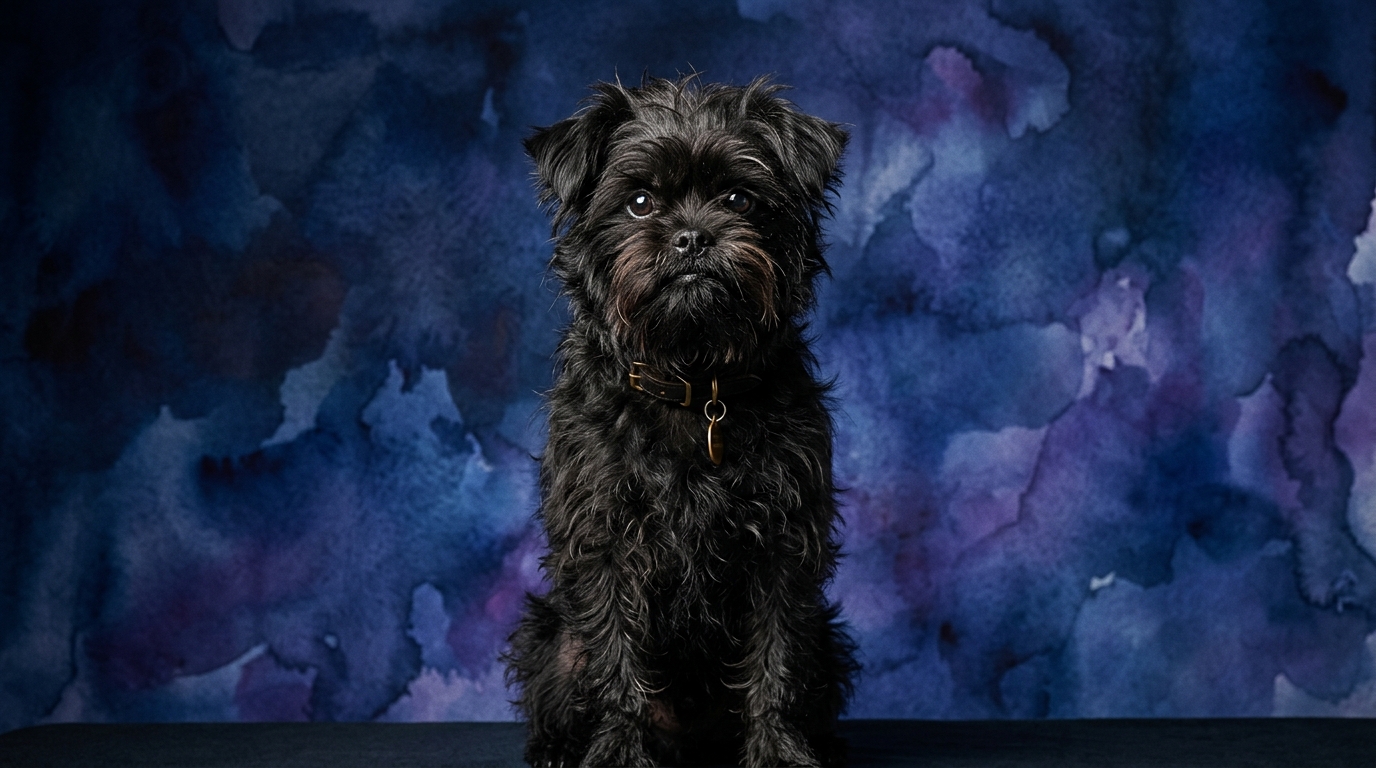
Side-by-Side IQ Profile: French Bulldog vs. Affenpinscher
The Cosmic Pet Pet IQ Lab provides a nuanced framework for understanding canine cognitive abilities across five key dimensions. Examining these scores for the French Bulldog and Affenpinscher reveals both shared capacities and distinct strengths.
French Bulldog — Problem Solving (3/5): French Bulldogs demonstrate moderate capacity for solving challenges like opening simple latches. Their physical structure can sometimes influence their interaction with complex puzzles, impacting practical application more than inherent cognitive skill. Consistent positive reinforcement aids their learning.
French Bulldog — Training Speed (3/5): They learn new commands at an average pace. Consistency and engaging repetition are key, as their occasional stubbornness or short attention span can require patience. They respond well to positive methods.
French Bulldog — Social Intelligence (5/5): A true strength, French Bulldogs exhibit exceptional understanding of human cues and emotions. They are highly attuned to their owners' moods, seeking to comfort or engage, driven by a strong desire for interaction and family integration.
French Bulldog — Instinctive Drive (2/5): This breed has a low level of innate drives like hunting or herding. Their interest in independent exploration or complex scent work is minimal, preferring human company over instinct-driven pursuits.
French Bulldog — Memory (3/5): French Bulldogs possess a moderate memory for commands, routines, and familiar people. They recall past training and favored spots, but complex sequences may require regular reinforcement to maintain.
Affenpinscher — Problem Solving (3/5): Affenpinschers demonstrate moderate problem-solving, driven by curiosity to investigate novel situations. They figure out how to access items or navigate obstacles, often using direct rather than multi-layered strategic thinking.
Affenpinscher — Training Speed (3/5): They learn at an average rate, mastering basics with consistent positive reinforcement. Their independent and sometimes mischievous nature means compliance might be conditional, requiring engaging rewards and a patient approach.
Affenpinscher — Social Intelligence (3/5): Affenpinschers have moderate social intelligence, bonding deeply with family and reading basic emotions. However, their self-reliant “big dog personality” means less overt empathy and more direct social interaction compared to the French Bulldog.
Affenpinscher — Instinctive Drive (3/5): This breed has a moderate instinctive drive, rooted in terrier-like curiosity and historical vermin control. This manifests as greater environmental exploration, chasing small objects, or digging, making them suitable for scent games.
Affenpinscher — Memory (3/5): Affenpinschers have an average memory for learned behaviors, routines, and social connections. They recall training cues and recognize people, with consistent reinforcement aiding retention, similar to the French Bulldog.
Where the French Bulldog Wins Cognitively
The French Bulldog's preeminent cognitive strength lies in its Social Intelligence (5/5). This breed demonstrates an exceptional capacity to interpret human body language, vocal tones, and emotional states, fostering a deeply empathetic bond. A French Bulldog is remarkably adept at recognizing an owner's mood, often responding with comforting nudges or seeking closeness. This isn't merely learned association; it reflects a sophisticated emotional attunement and a strong drive for social harmony. Their responsiveness to subtle human cues enables rapid integration into family dynamics, often anticipating needs based on non-verbal signals. This superior social acumen facilitates clearer communication and a profound, intuitive partnership in daily life, making them masters of human-canine social interaction.
Where the Affenpinscher Wins Cognitively
The Affenpinscher's slight advantage in Instinctive Drive (3/5) offers a distinct cognitive edge in specific situations. While both breeds share a similar problem-solving rating, the Affenpinscher's inherent curiosity and terrier-like tenacity translate into a more proactive engagement with its environment. For instance, an Affenpinscher is more likely to independently investigate a new scent or persistently work to retrieve a hidden toy, driven by internal motivation rather than solely human prompts. This higher drive fosters greater intrinsic interest in exploration and interaction with physical surroundings, potentially leading to more self-directed learning experiences. Their problem-solving, combined with this spirited curiosity, allows them to approach challenges with a determined independence, which can be channeled into enriching activities like scent work or agility.
Which is Easier to Train and Why
Despite identical Training Speed (3/5) ratings, the French Bulldog is generally perceived as easier to train due to its superior Social Intelligence (5/5). Their strong desire to please and deep emotional attunement mean they are highly motivated by positive social reinforcement like praise and affection. When a French Bulldog understands an owner's wishes, its social drive often compels compliance, making training feel collaborative. Conversely, the Affenpinscher, with its moderate social intelligence and slightly higher instinctive drive, tends to be more independent. While capable of learning, their compliance is often conditional, requiring more enticing rewards or finding the training inherently interesting. An Affenpinscher might understand a command but choose to ignore it if distracted or unmotivated. This independent streak demands exceptional patience and creative motivation from their handler, making the French Bulldog's people-focused nature a simpler training journey for most.
Which Suits Active Owners vs. Relaxed Owners
The French Bulldog is an ideal companion for relaxed owners who value deep companionship and a calm home life. Their low Instinctive Drive (2/5) means they don't require extensive physical exertion or complex mental tasks based on traditional dog roles. They are content with short walks, cuddles, and being an integrated part of family activities from a comfortable spot. Their exceptional Social Intelligence (5/5) ensures they thrive on human interaction and emotional connection, making them perfect for those seeking a devoted, empathetic presence over an adventure partner, adapting well to apartment living and predictable routines.
The Affenpinscher, with its slightly higher Instinctive Drive (3/5) and inherent curiosity, suits moderately active owners who enjoy varied, engaging activities. While not needing intense exercise, an Affenpinscher appreciates opportunities to explore, sniff, and engage in playful, interactive games that tap into their spirited nature. Short, brisk walks and puzzle toys challenge their moderate Problem Solving (3/5) and independent spirit. Owners who appreciate a dog with more spunk and a desire for playful engagement, without requiring an endurance athlete, will find the Affenpinscher a rewarding match for their lively disposition.
The Verdict
If you seek an exceptionally empathetic, intuitive, and deeply people-oriented companion who thrives on close social connection and a relaxed home environment, the French Bulldog is your ideal match.
If you prefer a spirited, curious, and somewhat independent companion who enjoys playful engagement and a bit more environmental exploration, and you appreciate a dog with a distinct personality, the Affenpinscher will bring unique joy.
🧠 Find Your Pet's IQ Score
Our Pet IQ Lab assessment covers 25+ tests across 5 cognitive dimensions — personalized to your breed.
Take the Full IQ Test →Frequently Asked Questions
Do French Bulldogs and Affenpinschers bark a lot?
French Bulldogs are not typically excessive barkers, often using their voice for specific communication or alerts. Affenpinschers, due to their terrier-like temperament and slightly higher instinctive drive, can be more prone to barking at novel sights or sounds, making early training important.
Are French Bulldogs or Affenpinschers better with children?
French Bulldogs, with their high social intelligence and gentle nature, often do very well with respectful children, enjoying being part of family activities. Affenpinschers can be good with older, considerate children, but their independent streak and smaller size mean they may not tolerate rough play as readily, preferring calmer interactions.
Which breed is easier to house train?
Both breeds have an average training speed, meaning house training requires consistency and patience for both. French Bulldogs' desire to please might make them slightly more cooperative, while Affenpinschers' independence might necessitate more diligent supervision and reinforcement during the house-training period.