
Side-by-Side IQ Profile: French Bulldog vs. Australian Terrier
The Cosmic Pet Pet IQ Lab offers a nuanced look at canine cognition, moving beyond simple 'smart' labels to explore five key dimensions. For the French Bulldog, a cherished companion breed, their profile highlights a balanced Problem Solving score of 3/5, indicating an average capacity to figure out puzzles or novel situations. Their Training Speed also sits at 3/5, suggesting they learn new commands at a moderate pace. However, their Social Intelligence truly shines with a remarkable 5/5, reflecting an exceptional ability to understand human emotions and cues. Their Instinctive Drive is lower at 2/5, meaning they are less driven by inherent breed-specific tasks, and their Memory is a solid 3/5, allowing them to retain information effectively.
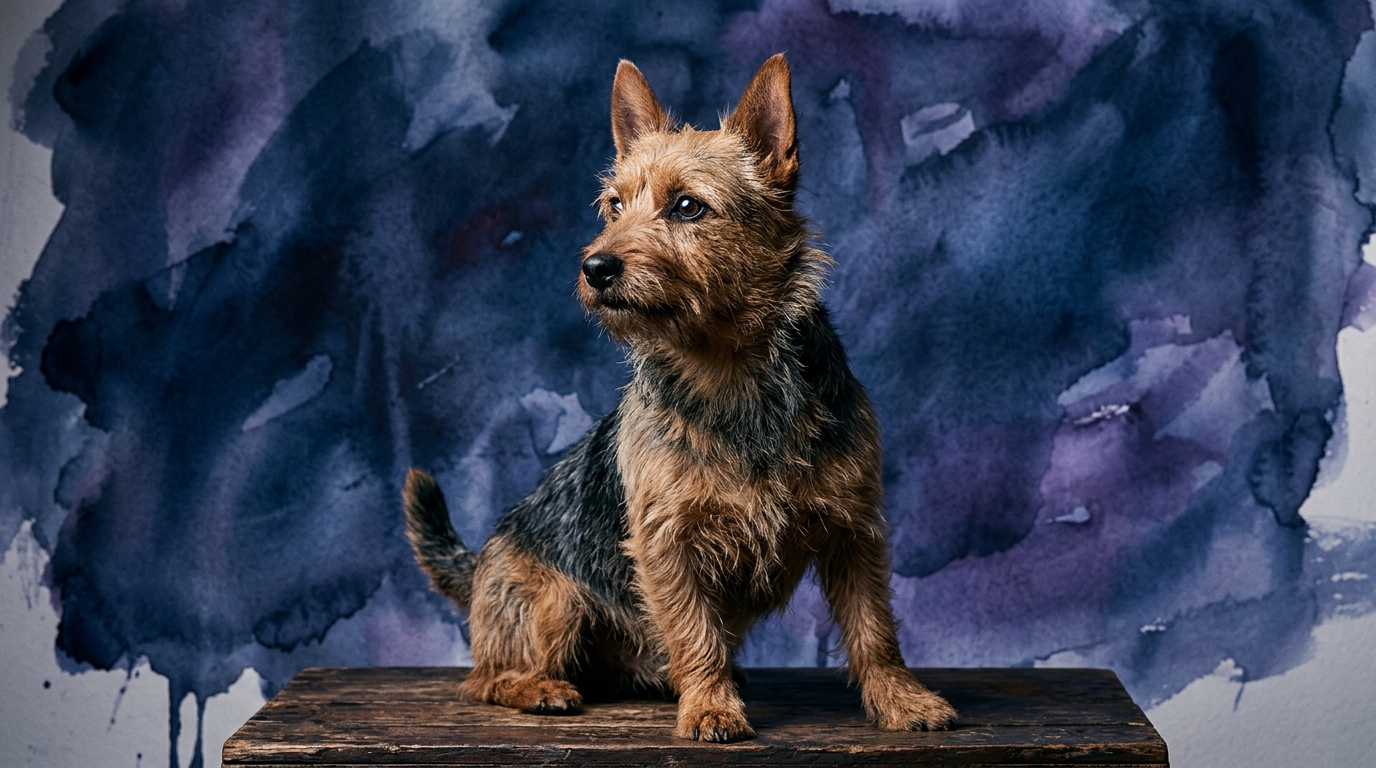
In contrast, the Australian Terrier, a spirited member of the Terrier group, presents a slightly different cognitive fingerprint. They match the French Bulldog with a 3/5 in Problem Solving, demonstrating similar capabilities in navigating challenges. Their Training Speed is also 3/5, suggesting a comparable pace of learning. Where they diverge is in Social Intelligence, scoring 3/5, indicating a good but less intense focus on human-centric communication compared to the French Bulldog. Their Instinctive Drive is a moderate 3/5, reflecting a natural inclination for terrier-typical activities like digging or chasing. Lastly, their Memory is rated at 3/5, on par with their French counterpart.
Where the French Bulldog Wins Cognitively
The French Bulldog's undeniable cognitive strength lies in its exceptional Social Intelligence, scoring a perfect 5/5. This isn't merely about being affectionate; it represents a profound capacity to read and respond to human emotions and intentions. A Frenchie can often anticipate their owner's mood, understand subtle shifts in tone of voice, or even interpret complex body language, making them incredibly attuned companions. This high social acumen allows them to integrate seamlessly into family life, responding to social cues that might be missed by other breeds.
This superior social intelligence translates into a dog that often feels deeply connected to its human family, understanding the dynamics of the household without extensive verbal instruction. They excel in situations requiring empathy and connection, often seeking to comfort or engage based on their perception of human needs. While their problem-solving or training speed might be average, their ability to navigate the complex world of human interaction is unparalleled, making them masters of companion-based communication and emotional reciprocity.
Where the Australian Terrier Wins Cognitively
The Australian Terrier's cognitive edge can be found in its Instinctive Drive, rated at 3/5, which is a point higher than the French Bulldog's 2/5. This isn't about aggression, but rather a robust, innate inclination towards exploration, vigilance, and engaging with their environment in a purposeful way. Originating as working terriers, they possess a natural curiosity and a desire to investigate, whether it's a rustle in the bushes or a new scent trail.
This stronger instinctive drive means Australian Terriers are often more independently motivated by tasks and environmental stimuli. They might display a greater zest for activities like digging, tracking, or even playful 'hunting' games, deriving satisfaction from these pursuits. While a French Bulldog might prefer to snuggle, an Australian Terrier is more likely to be found patrolling the yard or meticulously examining a new toy, showcasing a cognitive profile geared towards active engagement with their surroundings and a more self-directed form of 'work'.
Which is Easier to Train and Why
When considering ease of training, both breeds share a Training Speed score of 3/5, suggesting they learn new commands at a moderate pace. However, the 'feel' of training can differ significantly due to their other cognitive attributes. The French Bulldog's exceptional Social Intelligence (5/5) often makes them appear easier to train, despite their average speed. They are highly motivated by human approval and connection, meaning they are eager to please and respond well to positive reinforcement rooted in social interaction. While they can exhibit a stubborn streak, it's often overridden by their desire to maintain harmony and closeness with their people.
The Australian Terrier, with a Social Intelligence of 3/5 and a higher Instinctive Drive of 3/5, might present different training challenges. While equally capable of learning new commands at a similar pace, their motivation might be less centered on human approval and more on the task itself or external rewards. Their higher instinctive drive means they can be more easily distracted by environmental stimuli—a passing squirrel or an interesting scent—requiring a trainer to be more engaging and consistent. Training an Australian Terrier often benefits from methods that tap into their natural curiosity and desire for activity, perhaps incorporating games or scent work, rather than relying solely on social praise.
Which Suits Active Owners vs. Relaxed Owners
For owners seeking a more relaxed lifestyle, the French Bulldog is generally the more fitting choice. Their Instinctive Drive of 2/5 indicates they have lower demands for strenuous physical activity or complex tasks, preferring instead to be close to their human companions. Their high Social Intelligence (5/5) means they thrive on companionship, cuddles, and being an integral part of daily family life, even if that involves mostly lounging on the sofa. They are content with moderate walks and short play sessions, making them ideal for apartment living or less active households.
Conversely, the Australian Terrier is better suited for more active owners who can provide consistent mental and physical engagement. Their Instinctive Drive of 3/5, coupled with their terrier heritage, means they possess a natural zest for life and require outlets for their energy and curiosity. They enjoy exploring, playing fetch, going on brisk walks, and participating in activities that challenge their intellect and physical prowess. An Australian Terrier will thrive with owners who enjoy outdoor adventures, consistent training, and providing varied stimulation to satisfy their inherent drive and prevent boredom.
The Verdict
Choose the French Bulldog if you prioritize a deeply connected, emotionally responsive companion who thrives on human interaction and a generally relaxed home environment.
Opt for the Australian Terrier if you seek an inquisitive, spirited partner for more active pursuits, valuing independence and a dog eager to engage with the world.
🧠 Find Your Pet's IQ Score
Our Pet IQ Lab assessment covers 25+ tests across 5 cognitive dimensions — personalized to your breed.
Take the Full IQ Test →Frequently Asked Questions
Are French Bulldogs truly 'stubborn' in training?
While French Bulldogs have an average training speed, their high social intelligence means they usually want to please. Any perceived 'stubbornness' often stems from a strong desire for comfort or a playful challenge, rather than a lack of understanding, and can be overcome with positive, engaging methods.
Do Australian Terriers need a lot of exercise?
Australian Terriers have a moderate instinctive drive and benefit from regular physical and mental stimulation. They don't necessarily need hours of intense exercise, but consistent walks, playtime, and opportunities for exploration are important to satisfy their curious and active nature.
How do their memories compare?
Both the French Bulldog and the Australian Terrier score a 3/5 in memory. This indicates they have a similar capacity to retain learned commands, routines, and experiences over time, making them equally capable of remembering their training and daily patterns.