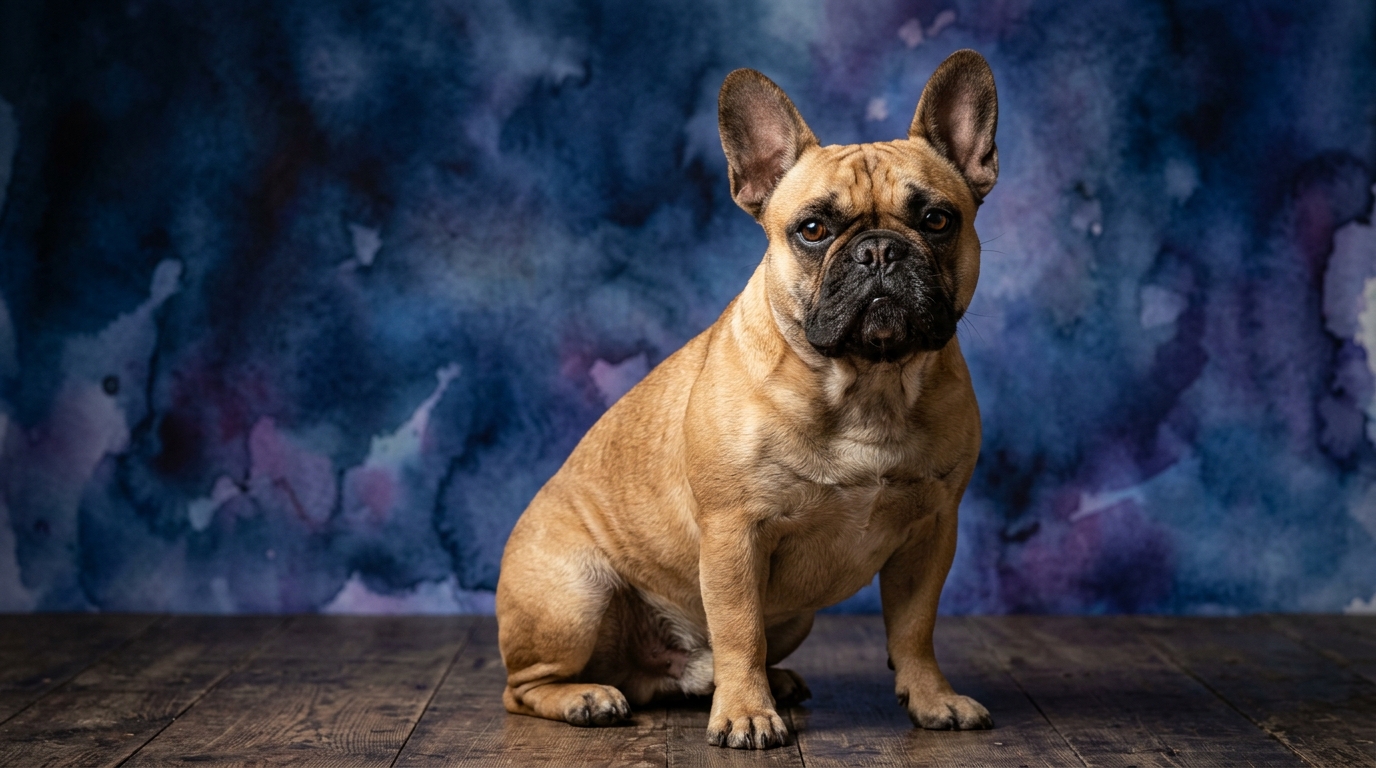
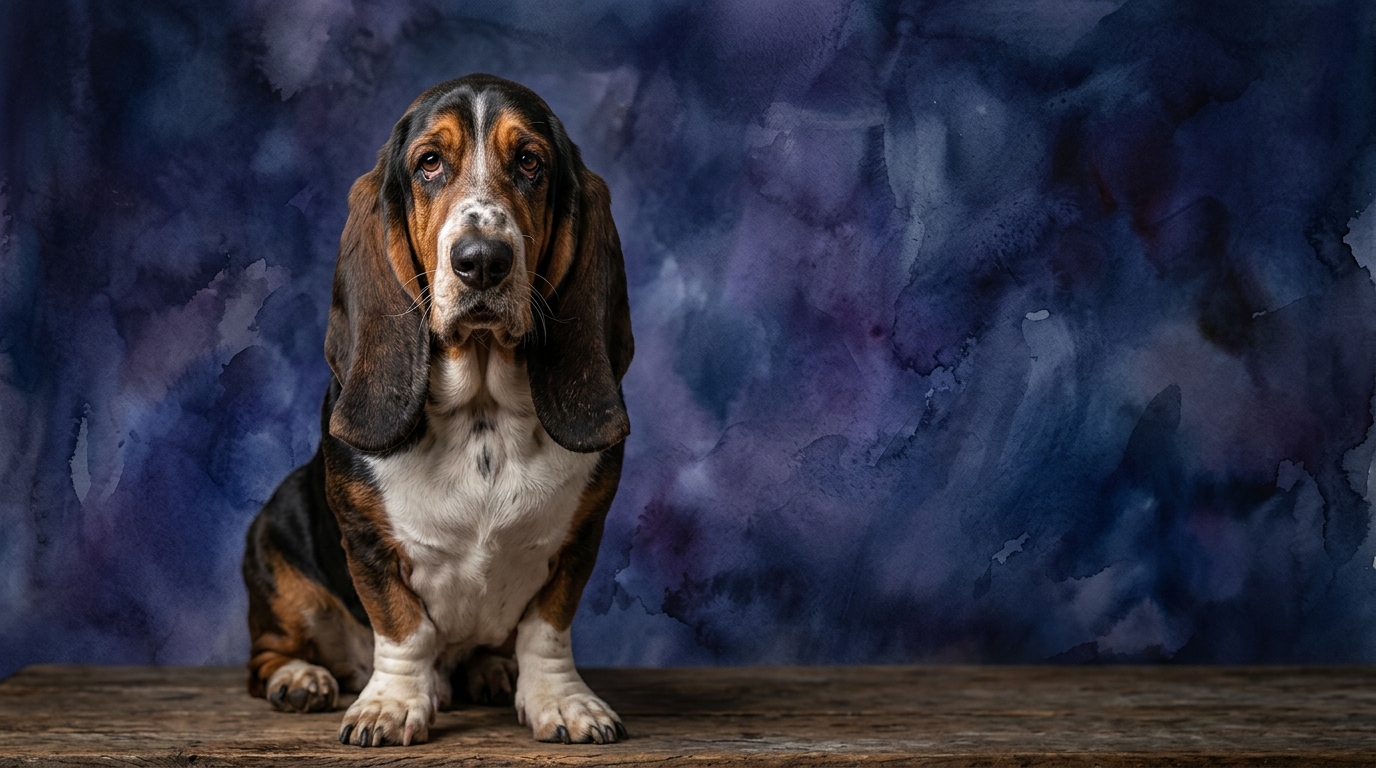
Side-by-Side IQ Profile
The Cosmic Pet Pet IQ Lab evaluates canine intelligence across five key dimensions, offering a nuanced view of each breed's cognitive strengths. Let's break down how the French Bulldog and Basset Hound measure up.
French Bulldog IQ:
Problem Solving (3/5): French Bulldogs demonstrate moderate problem-solving abilities, capable of figuring out straightforward challenges like opening simple latches or navigating familiar environments to find a desired toy. Their approach tends to be pragmatic rather than complex.
Training Speed (3/5): They learn new commands and routines at an average pace, responding well to consistent, positive reinforcement. Repetition helps solidify new behaviors, making them generally receptive to structured learning.
Social Intelligence (5/5): This is where the French Bulldog truly excels. They possess a profound capacity for understanding human cues, expressing empathy, and forming deep, intuitive bonds with their families. They are highly attuned to emotional states and social dynamics within their household.
Instinctive Drive (2/5): Their innate drives for behaviors like hunting, herding, or guarding are relatively low. They are primarily companion-oriented, with less inclination for independent, instinct-driven tasks or pursuits.
Memory (3/5): French Bulldogs recall learned commands and routines adequately, remembering familiar people and places without necessarily possessing exceptional long-term recall for intricate sequences.
Basset Hound IQ:
Problem Solving (3/5): Similar to French Bulldogs, Basset Hounds exhibit average problem-solving abilities, particularly effective at figuring out obstacles if a scent trail is involved. Their remarkable persistence can sometimes compensate for a lack of intricate strategic thinking.
Training Speed (3/5): Basset Hounds also learn at an average rate, but their independent nature, stemming from their hound heritage, means motivation and unwavering consistency are crucial. They process information steadily but might not always be quick to comply due to their own priorities.
Social Intelligence (3/5): Basset Hounds are amiable and enjoy companionship, but they don't possess the same profound attunement to human emotional nuances as French Bulldogs. Their social interactions are often more straightforward and less intensely focused on human mood shifts.
Instinctive Drive (3/5): Their primary drive is scent-tracking, a powerful and deeply ingrained instinct that defines much of their behavior. They are driven by their incredibly sensitive noses, often to the exclusion of other stimuli, making them persistent and focused when on a trail.
Memory (3/5): They have an average memory for commands and routines, particularly effective at remembering scent trails and locations associated with rewarding olfactory experiences.
Where French Bulldog Wins Cognitively
The French Bulldog's cognitive profile shines brightest in its exceptional Social Intelligence, scoring a perfect 5/5. This isn't merely about being friendly; it reflects a profound capacity for understanding and responding to human emotions and social cues. A French Bulldog often seems to anticipate its owner's mood, offering comfort or seeking interaction precisely when needed. They are adept at non-verbal communication, reading subtle shifts in body language and tone of voice, which allows for remarkably intuitive companionship. This high social acumen means they integrate seamlessly into family life, often acting as a highly empathetic presence. While their problem-solving and training speed are average, their desire to connect and please their human companions can often motivate them to engage in tasks they might otherwise find less compelling. Their lower Instinctive Drive (2/5) also means they are less likely to be distracted by external stimuli like scents or prey, making them more focused on human interaction within a domestic setting.
Where Basset Hound Wins Cognitively
The Basset Hound's cognitive strengths are rooted in its heritage as a scent hound, reflected in its Instinctive Drive score of 3/5. While this might seem average, it represents a highly specialized and powerful drive for scent-tracking that defines much of their mental processing. Their entire world is often interpreted through their incredibly sensitive noses, making them unparalleled at following a trail. This isn't just an instinct; it's a cognitive process involving scent discrimination, memory for trails, and persistent focus. While their social intelligence is a solid 3/5, they aren't as finely tuned to human emotional states as French Bulldogs. Instead, their intellect is geared towards independent work, where they can methodically unravel complex scent puzzles. Their Coren rank of #71, while lower than many breeds, still places them within a respectable range for working intelligence, indicating a capacity for understanding and executing tasks, particularly those aligned with their olfactory prowess. Their persistence in following a scent demonstrates a unique form of problem-solving, albeit one driven by a very specific sensory input.
Which is Easier to Train and Why
Both French Bulldogs and Basset Hounds share a Training Speed score of 3/5, suggesting they learn at an average pace. However, the ease of training them diverges significantly due to other cognitive factors. The French Bulldog's superior Social Intelligence (5/5) makes them generally more eager to please their human companions. They thrive on positive interaction and praise, which acts as a powerful motivator. Their lower Instinctive Drive (2/5) also means fewer distractions from external environmental stimuli, allowing them to concentrate more readily on the trainer. They are typically receptive to consistent, reward-based methods and enjoy the collaborative aspect of learning. In contrast, the Basset Hound's strong Instinctive Drive (3/5), particularly for scent, often presents a unique training challenge. Once a Basset Hound catches a compelling scent, their focus can become singularly devoted to following it, making them appear stubborn or inattentive to commands. While they are capable of learning, their independent, scent-driven nature means training requires exceptional patience, high-value rewards, and a deep understanding of their innate motivations to keep them engaged and responsive. Consistency is paramount for both, but for the Basset, it must contend with their powerful olfactory world.
Which Suits Active Owners vs Relaxed Owners
Considering their cognitive and behavioral profiles, the choice between these breeds often aligns with an owner's lifestyle. The French Bulldog, with its lower Instinctive Drive (2/5) and high Social Intelligence (5/5), is generally a better fit for relaxed owners who prioritize companionship and indoor activities. While they enjoy short bursts of play, their physical build and cognitive focus on human interaction mean they thrive in a less demanding environment. They are content to be near their people, engaging in gentle play or simply observing family life. Their cognitive energy is often spent on social bonding rather than extensive physical exploration. Conversely, the Basset Hound possesses a significant Instinctive Drive (3/5) for scent work. This means they require owners prepared to engage with this drive through regular opportunities for sniffing excursions, where they can explore their world through their nose. This could involve leisurely, scent-rich walks or engaging in scent games. Owners who appreciate a dog that explores methodically and independently, and who are willing to accommodate their hound's olfactory pursuits, will find a Basset Hound rewarding. Owners seeking a constant, highly interactive companion in a less active setting will lean towards the French Bulldog, while those valuing a dog with a strong, specialized drive for exploration will find the Basset Hound a fascinating partner.
The Verdict
Choose a French Bulldog if you seek a deeply empathetic and socially attuned companion who thrives on close human interaction and a relaxed home environment.
Opt for a Basset Hound if you appreciate a dog with a strong, specialized drive for scent exploration and are prepared to accommodate their independent, methodical pursuit of olfactory adventures.
🧠 Find Your Pet's IQ Score
Our Pet IQ Lab assessment covers 25+ tests across 5 cognitive dimensions — personalized to your breed.
Take the Full IQ Test →Frequently Asked Questions
Are French Bulldogs difficult to train due to their small size?
French Bulldogs have an average training speed (3/5), but their high social intelligence (5/5) often makes them eager to please. Consistency and positive reinforcement typically yield good results, as they value human connection. Their smaller stature doesn't inherently make them harder to train, but rather their desire for interaction can be leveraged effectively.
Do Basset Hounds truly have a strong sense of smell, and how does that impact their cognitive function?
Yes, Basset Hounds possess a powerful instinctive drive (3/5) for scent, which is central to their cognitive world. This means their problem-solving and memory are often highly attuned to olfactory cues, making them exceptional at tracking. Their intelligence is specialized towards processing and remembering complex scent information, often overriding other stimuli.
Which breed is better for a first-time dog owner?
For a first-time owner prioritizing a highly responsive and socially intuitive companion, a French Bulldog might be slightly easier due to their eagerness to please and lower instinctive distractions. A Basset Hound, while amiable, requires an owner prepared to manage their potent scent drive and independent streak, which can be more challenging for a novice.