
Side-by-Side Cognitive Profiles at The Cosmic Pet Pet IQ Lab
At The Cosmic Pet Pet IQ Lab, we analyze canine cognition across five key dimensions, providing a granular view of each breed's mental landscape. For the French Bulldog, a cherished member of the Non-Sporting group, their cognitive blueprint shows a balanced capability in several areas, paired with an exceptional aptitude for social connection. Their Problem Solving is rated at 3 out of 5, indicating a moderate ability to figure out novel situations or overcome obstacles, often through trial and error or by observing human cues. Training Speed also registers at 3 out of 5, suggesting they grasp new commands at an average pace, requiring consistent, positive reinforcement.
Where the French Bulldog truly shines is in Social Intelligence, earning a perfect 5 out of 5. This signifies an extraordinary capacity to understand human emotions, intentions, and communication, making them profoundly attuned companions. Their Instinctive Drive is a modest 2 out of 5, meaning they possess a relatively low intrinsic motivation for activities like hunting, herding, or guarding, preferring comfort and companionship over primal pursuits. Finally, their Memory is rated 3 out of 5, indicating an average ability to retain learned behaviors and recall past experiences.
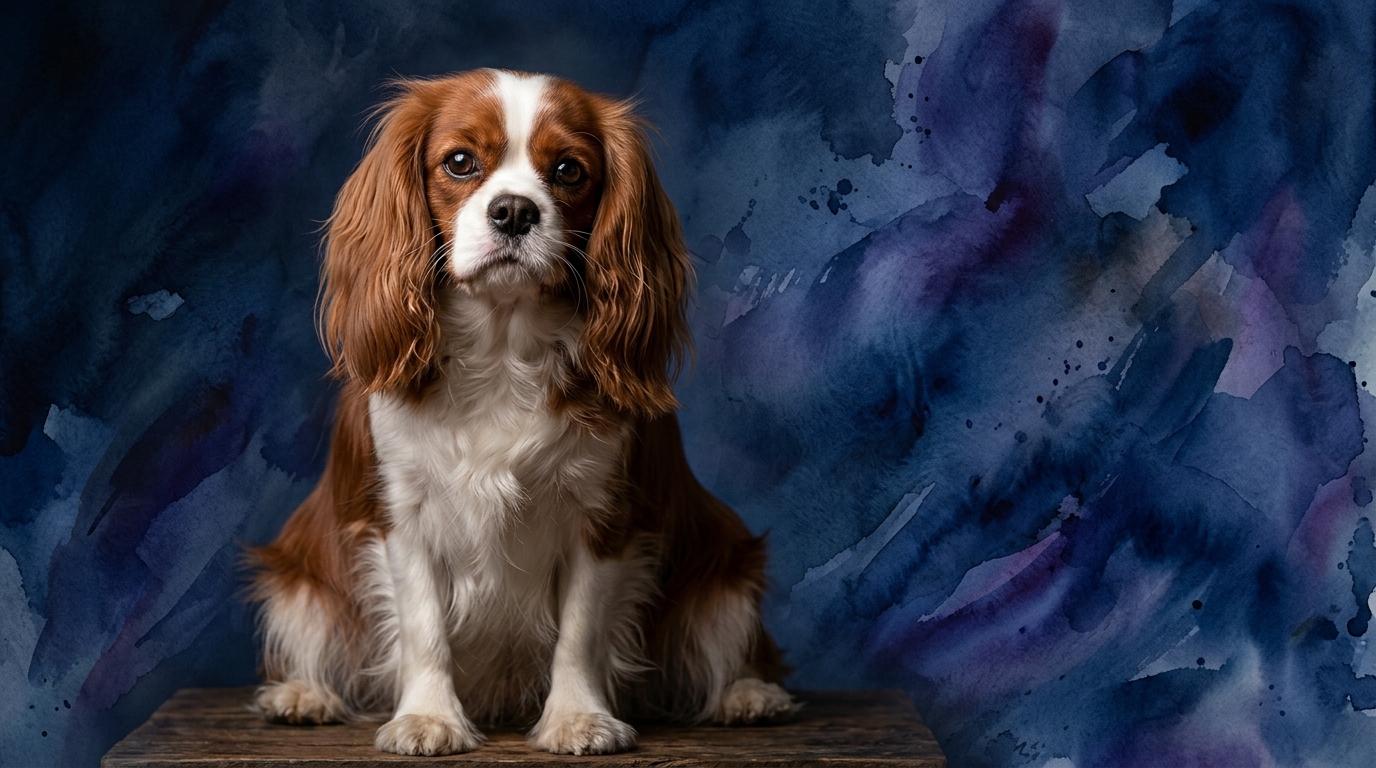
Turning our attention to the Cavalier King Charles Spaniel, a delightful member of the Toy group with a Coren ranking of #44, we observe a cognitive profile that shares many similarities with the French Bulldog but with distinct nuances. Like their French counterpart, Cavaliers also score 3 out of 5 in Problem Solving, demonstrating a comparable capacity for navigating minor challenges in their environment. Their Training Speed also aligns at 3 out of 5, suggesting they too learn new tasks with average alacrity, responding well to patient, reward-based methods.
The Cavalier’s Social Intelligence mirrors the French Bulldog’s impressive 5 out of 5, underscoring their exceptional ability to connect with humans on an emotional level, reading subtle cues and thriving on interaction. A key differentiator lies in their Instinctive Drive, which is rated 3 out of 5. This slightly higher score indicates a more pronounced, albeit still moderate, inclination towards ancestral spaniel behaviors such as flushing birds or engaging in playful pursuits, giving them a bit more inherent motivation for interactive games. Their Memory, like the French Bulldog's, stands at 3 out of 5, reflecting an average retention of experiences and learned commands.
Where the French Bulldog Excels Cognitively
While many cognitive metrics are shared between these two breeds, the French Bulldog's unique cognitive advantage often emerges from its lower Instinctive Drive, registering at 2 out of 5. This isn't a deficit but rather a redirection of focus. Unlike breeds with strong prey or herding drives, French Bulldogs are less distracted by external environmental stimuli that might activate primal urges. This lower drive means their attention is more consistently available for human interaction and observation, making them exceptionally present companions.
Their profound social intelligence, combined with this reduced instinctual pull, means a French Bulldog's world often revolves almost entirely around their human family. They display a remarkable ability to anticipate needs and moods, not because they are performing complex problem-solving, but because their cognitive energy is channeled into observing and responding to their people. This makes them outstanding emotional support animals, naturally attuned to subtle shifts in human demeanor, a cognitive strength particularly valuable in a companion.
Where the Cavalier King Charles Spaniel Shows Cognitive Strengths
The Cavalier King Charles Spaniel showcases its cognitive strengths through a slightly elevated Instinctive Drive of 3 out of 5, coupled with its notable Coren ranking of #44. This higher drive, while still moderate, suggests a greater innate curiosity and willingness to engage with their environment in a more active, exploratory manner than their French Bulldog counterparts. This cognitive trait makes Cavaliers potentially more adaptable to a wider range of activities that tap into their spaniel heritage, such as scent games or agility lite.
Their Coren ranking, which assesses a dog's ability to understand and obey commands, further underscores a practical intelligence for structured learning. While their Problem Solving and Training Speed scores are similar to the French Bulldog's, this ranking implies a slightly more robust capacity for consistent obedience and a readiness to learn tasks beyond simple household manners. This blend of moderate drive and practical intelligence means Cavaliers often enjoy and excel at engaging in structured play or learning new tricks, demonstrating a cognitive flexibility that supports varied owner interests.
Training Ease: French Bulldog vs. Cavalier King Charles Spaniel
Assessing which breed is 'easier' to train requires looking beyond the identical 3/5 Training Speed scores and considering their broader cognitive profiles. Both breeds learn at an average pace, but their motivations differ. The French Bulldog's exceptional 5/5 Social Intelligence means they are highly motivated by human praise, attention, and affection. They thrive on being involved and often learn quickly if the training feels like a joint activity that strengthens their bond with their owner. However, their 2/5 Instinctive Drive means they can lack intrinsic motivation for repetitive or complex tasks that don't directly involve pleasing their human, potentially leading to stubbornness if not approached with patience and positive reinforcement.
The Cavalier King Charles Spaniel, with its matching 3/5 Training Speed but a slightly higher 3/5 Instinctive Drive, brings a different dynamic to training. Their moderate drive means they can be more readily motivated by toys, treats, or the inherent joy of a game, making them potentially more receptive to varied training methods, including those involving retrieve or scent work. Their Coren ranking also suggests a foundational capacity for obedience that can make structured training feel more intuitive for them. While equally socially intelligent, a Cavalier might sustain interest in training sessions for longer periods due to this additional layer of intrinsic motivation, making them potentially more versatile in obedience challenges.
Suits Active vs. Relaxed Owners
When considering which breed aligns better with an owner's lifestyle, their inherent cognitive drives play a pivotal role. The French Bulldog, with its 2/5 Instinctive Drive, is a quintessential companion for relaxed owners. Their low drive translates into a preference for comfort, short bursts of gentle play, and extensive periods of lounging close to their human. They are content with minimal outdoor exercise, making them ideal for apartment living or individuals who prefer less physically demanding activities. Their cognitive energy is largely invested in social observation and bonding, fitting seamlessly into a calm, domestic routine.
Conversely, the Cavalier King Charles Spaniel, with its 3/5 Instinctive Drive, appeals to owners seeking a slightly more engaged and moderately active companion. While not requiring intense exercise, Cavaliers enjoy regular walks, interactive play sessions, and opportunities to explore their surroundings. Their moderate drive means they appreciate mental stimulation through games or short training sessions, making them a good fit for individuals who enjoy incorporating their dog into daily activities like park visits or casual hikes. This slight difference in inherent drive defines their suitability for varying owner energy levels.
The Verdict
Choose a French Bulldog if your lifestyle prioritizes a profoundly socially attuned companion who thrives on human connection and a relaxed pace, with minimal demands for strenuous activity or complex training tasks.
Opt for a Cavalier King Charles Spaniel if you desire a highly social dog with a slightly more active and curious nature, capable of engaging in varied play and demonstrating a solid capacity for structured obedience training.
🧠 Find Your Pet's IQ Score
Our Pet IQ Lab assessment covers 25+ tests across 5 cognitive dimensions — personalized to your breed.
Take the Full IQ Test →Frequently Asked Questions
Do French Bulldogs and Cavaliers understand human emotions equally well?
Yes, both French Bulldogs and Cavalier King Charles Spaniels score a perfect 5/5 in Social Intelligence at The Cosmic Pet Pet IQ Lab. This means they possess an exceptional ability to read human emotions, intentions, and non-verbal cues, making them both profoundly empathetic and sensitive companions. Their deep understanding of human feelings is a hallmark of both breeds.
Which breed is more likely to entertain itself independently?
The Cavalier King Charles Spaniel, with its 3/5 Instinctive Drive, is slightly more inclined to engage in independent exploration or play, often enjoying short bursts of activity like chasing a toy. The French Bulldog, with its 2/5 Instinctive Drive, generally prefers to be in close proximity to its human, often waiting for interaction rather than initiating independent activities for extended periods.
Does the Cavalier's Coren rank mean it's 'smarter' than the French Bulldog?
The Coren ranking specifically assesses a dog's working and obedience intelligence, reflecting their ability to understand and obey commands. While the Cavalier's #44 rank indicates a strong capacity in this area, the French Bulldog's lack of ranking doesn't imply a lack of intelligence, but rather a different cognitive emphasis. Both breeds have similar scores in problem-solving and training speed, but the Cavalier's rank suggests a slightly more pronounced aptitude for formal obedience tasks.