Side-by-Side IQ Profile
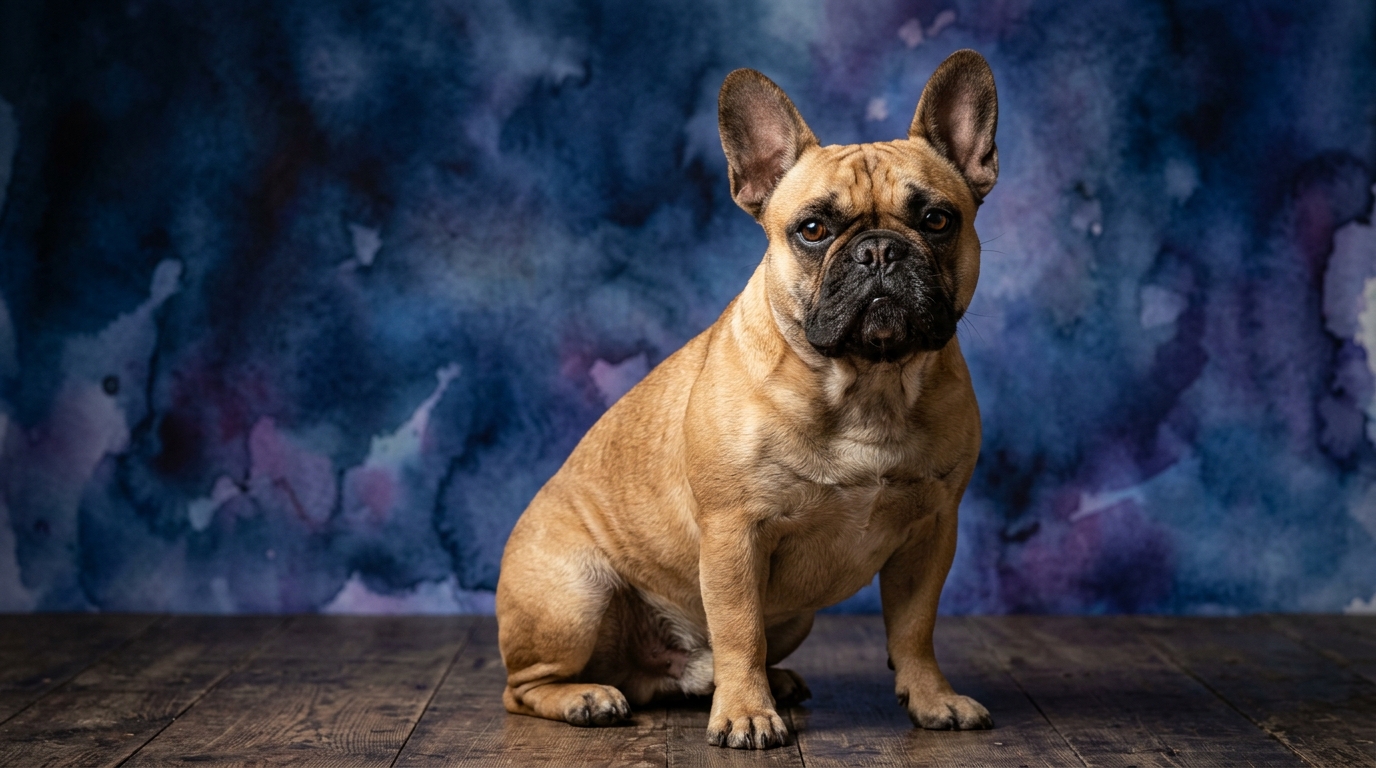
The French Bulldog, a beloved companion from the Non-Sporting group, showcases a unique blend of intellectual attributes. Their problem-solving capabilities register at a moderate 3 out of 5, indicating an average aptitude for navigating new challenges or figuring out puzzles. When it comes to learning new commands, their training speed also sits at a 3 out of 5, suggesting they learn at a steady, consistent pace. Where French Bulldogs truly shine is in social intelligence, scoring an exceptional 5 out of 5; this reflects a profound ability to interpret human emotions and cues, fostering deep, intuitive bonds. Their instinctive drive is notably low at 2 out of 5, meaning they possess less inherent motivation for independent tasks like hunting or guarding, preferring companionship. Finally, their memory stands at a moderate 3 out of 5, allowing them to recall learned behaviors and experiences with reasonable consistency.
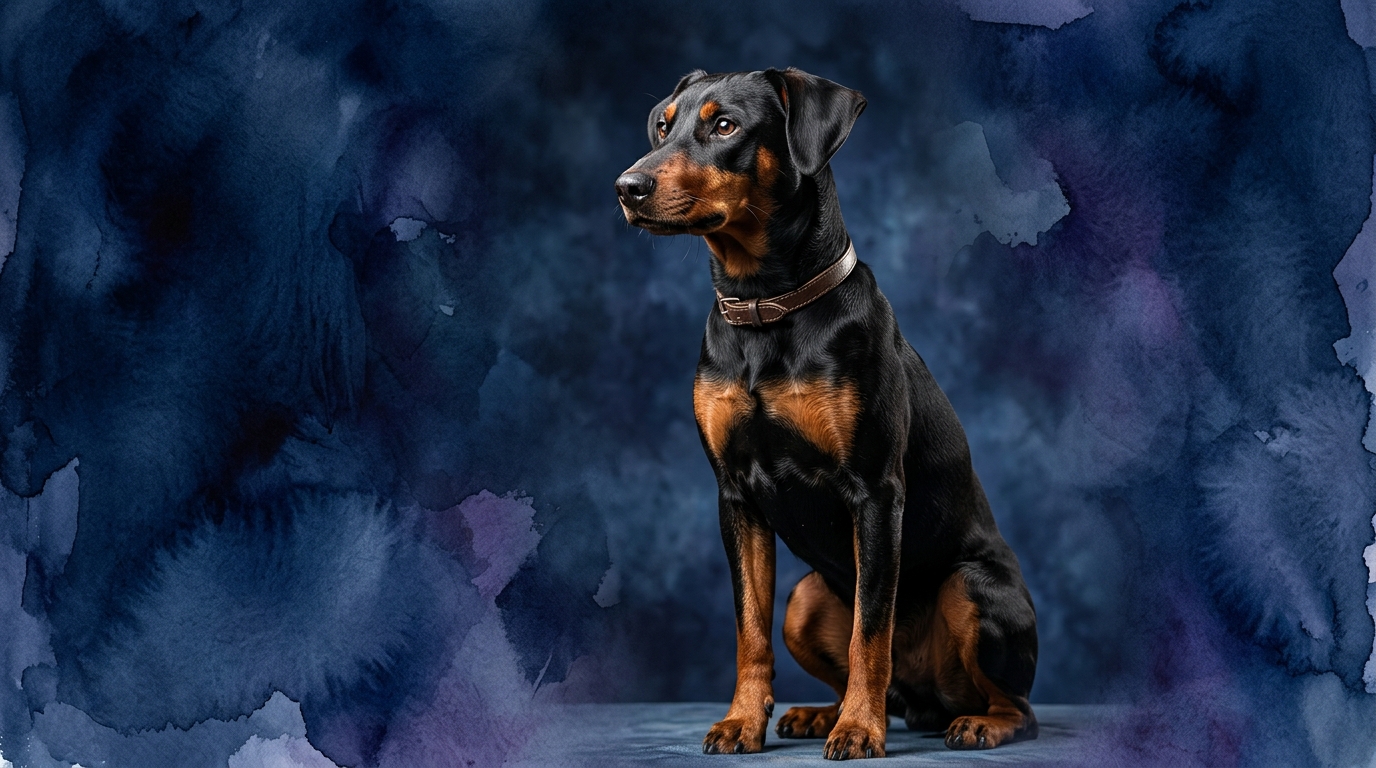
In contrast, the German Pinscher, a vigilant member of the Working group, presents a different cognitive profile. Their problem-solving score mirrors the French Bulldog at 3 out of 5, demonstrating an equivalent capacity for figuring out novel situations. Similarly, their training speed is also rated 3 out of 5, indicating they absorb new information and commands at a moderate velocity. The German Pinscher's social intelligence registers at a 3 out of 5, signifying a solid ability to connect with humans and understand cues, though perhaps not with the intense reliance seen in the French Bulldog. Their instinctive drive is a moderate 3 out of 5, reflecting a more pronounced inclination towards purpose-driven activities such as alertness, chasing, or independent exploration, typical of their working heritage. Their memory, like the French Bulldog's, is assessed at 3 out of 5, indicating a reliable retention of past lessons and events.
Where French Bulldog Wins Cognitively
The French Bulldog's standout cognitive advantage lies unequivocally in their exceptional social intelligence, scoring a perfect 5 out of 5 compared to the German Pinscher’s 3 out of 5. This elevated capacity means French Bulldogs possess an unparalleled ability to read human emotions, understand subtle body language, and respond empathetically to their owners' moods. They are remarkably attuned to the social dynamics of their household, often anticipating needs or seeking comfort when sensing distress. This translates into a highly reciprocal companionship, where the French Bulldog thrives on interaction and integrates seamlessly into family life, making them superb emotional barometers and deeply connected companions. Their motivation for interaction often stems from this deep understanding, making them incredibly intuitive partners in a home environment.
Where German Pinscher Wins Cognitively
The German Pinscher's cognitive edge manifests in its moderate instinctive drive, scoring 3 out of 5 compared to the French Bulldog’s 2 out of 5. This higher drive signifies a greater inherent inclination towards purpose-driven activities and independent thought, a hallmark of their working breed background. German Pinschers are more likely to exhibit alertness, a desire to patrol their surroundings, and a natural curiosity that propels them to explore and engage with their environment on their own terms. While they appreciate human interaction, this drive means they are not solely reliant on it for fulfillment. This cognitive strength makes them more adaptable to tasks requiring focus, such as agility sports, scent work, or even acting as vigilant household sentinels, demonstrating a robust internal motivation for engagement beyond mere companionship.
Which is Easier to Train and Why
Both breeds share a moderate training speed of 3 out of 5, suggesting they learn new commands at a similar pace. However, the ease of training each breed can differ significantly due to their other cognitive strengths. The French Bulldog's superior social intelligence (5/5) means they are often highly motivated to please their human companions and respond well to positive reinforcement rooted in connection and affection. Their desire for closeness can make them eager participants in training sessions, especially when the training involves interaction and praise. However, their lower instinctive drive (2/5) means they might lack the sustained focus for repetitive, task-oriented training if it doesn't directly involve human interaction. They can also exhibit a charming stubbornness if they don't see the immediate value or enjoyment in a task, requiring patience and creative motivation from their trainer.
In contrast, the German Pinscher, with its moderate social intelligence (3/5) and moderate instinctive drive (3/5), approaches training with a different mindset. While they are capable learners, their higher drive means they might be more inclined to follow their own independent instincts if training isn't consistently engaging and structured. They benefit from clear expectations and a trainer who understands their need for mental stimulation and purpose. A German Pinscher might require more consistency and a firm yet fair approach to channel their energy and focus, whereas a French Bulldog might respond more readily to a gentle, socially reinforced method. French Bulldogs are often easier to train for basic obedience and house manners because of their strong desire to be near and please their people, while German Pinschers may excel in more complex, task-based training that taps into their working instincts once properly motivated.
Which Suits Active Owners vs Relaxed Owners
When considering lifestyle compatibility, the French Bulldog and German Pinscher cater to distinct owner profiles. The French Bulldog, with its lower instinctive drive (2/5) and moderate problem-solving, generally thrives in a more relaxed household environment. They are content with moderate daily exercise, such as short walks and indoor play, and their exceptional social intelligence makes them ideal companions for individuals or families who desire a constant, affectionate presence. They are less inclined to independent exploration or high-energy pursuits, preferring to be a central part of the family’s daily routine, often curled up beside their human. Their primary need is close companionship and consistent social interaction, making them a superb choice for owners seeking a devoted, low-key canine friend who is deeply integrated into home life.
The German Pinscher, conversely, with its moderate instinctive drive (3/5) and working breed heritage, is better suited for active owners. They possess a greater need for physical and mental stimulation, requiring regular, vigorous exercise and engaging activities to prevent boredom. Owners who enjoy hiking, running, or participating in dog sports like agility, obedience, or rally will find a German Pinscher to be an enthusiastic and capable partner. Their moderate social intelligence means they appreciate human interaction but also possess a degree of independence, allowing them to engage in activities with purpose. This breed thrives with structured training, consistent challenges, and an owner who can channel their natural drive into productive outlets, making them a match for dynamic, experienced dog guardians.
The Verdict
When seeking a deeply empathetic, emotionally attuned companion for a more relaxed lifestyle, the French Bulldog's unparalleled social intelligence makes them an ideal choice.
For owners desiring an alert, purpose-driven partner eager for structured activities and a more independent spirit, the German Pinscher's balanced drive and cognitive profile will be a rewarding match.
🧠 Find Your Pet's IQ Score
Our Pet IQ Lab assessment covers 25+ tests across 5 cognitive dimensions — personalized to your breed.
Take the Full IQ Test →Frequently Asked Questions
Are French Bulldogs prone to stubbornness during training?
Yes, French Bulldogs can exhibit a charming stubbornness if they don't perceive immediate value or fun in a task. Their high social intelligence means they respond best to positive reinforcement rooted in connection and making training a rewarding, interactive experience.
Do German Pinschers require extensive exercise?
German Pinschers, with their moderate instinctive drive, do require regular, vigorous exercise and mental stimulation. They thrive with active owners who can provide structured activities like long walks, runs, or dog sports to channel their energy and intelligence.
Which breed is generally more adaptable to different living situations?
The French Bulldog's exceptional social intelligence and lower instinctive drive often make them more adaptable to various living situations, provided they receive ample human companionship. German Pinschers, while adaptable, benefit more from consistent routines and ample space or opportunities for physical and mental engagement.