Side-by-side IQ Profile
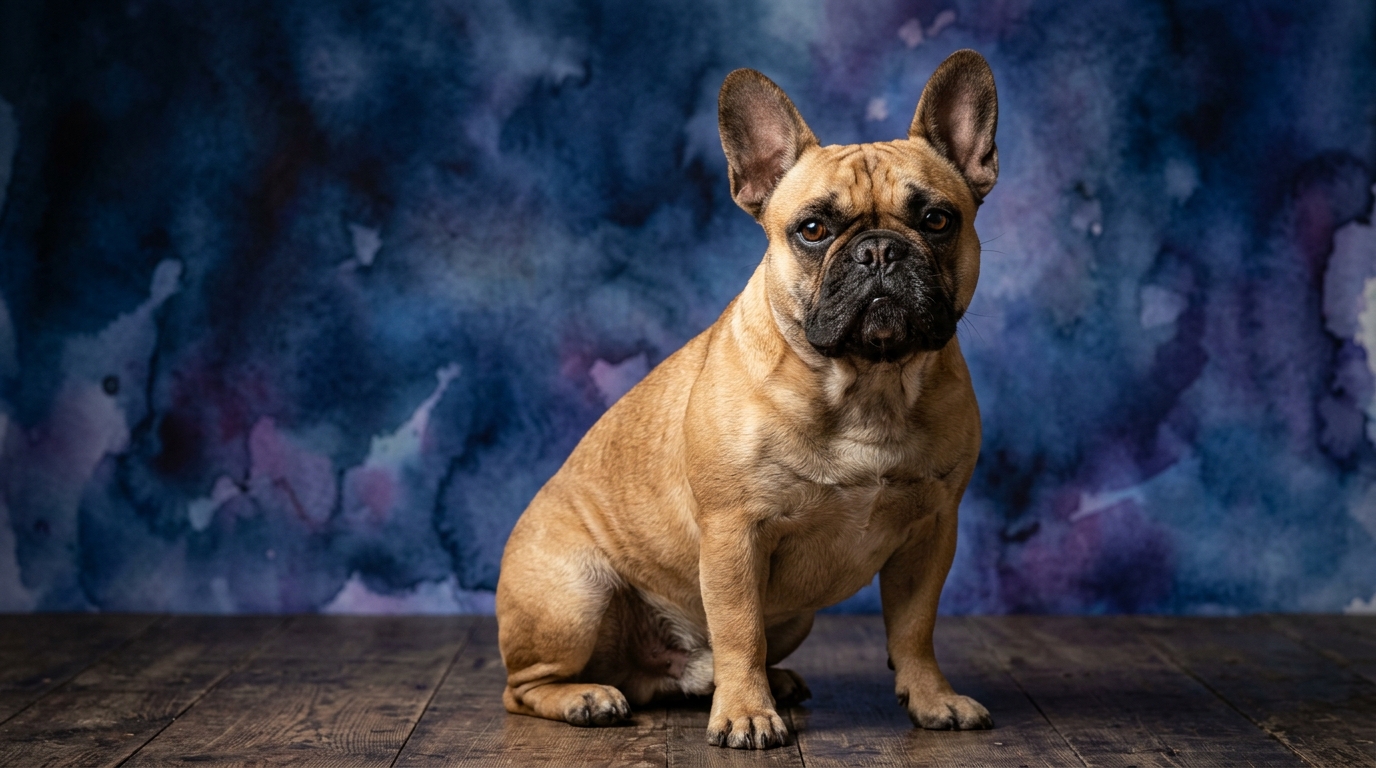
French Bulldogs, classified within the Non-Sporting Group, present a fascinating cognitive profile centered around companionship. Their Problem Solving is rated 3/5, indicating they can certainly navigate moderately challenging situations, such as figuring out how to get a favorite toy from under furniture or solving basic puzzle feeders. However, they might become easily frustrated with complex, multi-step tasks, preferring human intervention over persistent, independent strategizing. Training Speed, also at 3/5, means they learn foundational commands like "sit" or "stay" with consistent effort and positive reinforcement, achieving reliable proficiency in basic obedience. More advanced or intricate behaviors, however, may require extended patience and creative motivation. Where the French Bulldog truly shines is in Social Intelligence, scoring a perfect 5/5. This reflects an exceptional, almost uncanny, capacity to interpret human emotions, body language, and even subtle vocal inflections. They are masters at fostering deep, intuitive bonds, often anticipating their owner's needs or offering comfort without direct prompting, making them profoundly empathetic companions. Their Instinctive Drive is a modest 2/5; they possess minimal inclination for traditional working roles such as herding, guarding, or retrieving, their focus being almost entirely on close human interaction rather than independent task fulfillment. Finally, their Memory, rated 3/5, allows them to recall routines, recognize familiar faces and places, and retain learned commands over time, though perhaps not with the precision or long-term retention required for complex, sequential tasks. Their memory serves their social needs well, remembering who provides comfort and food.
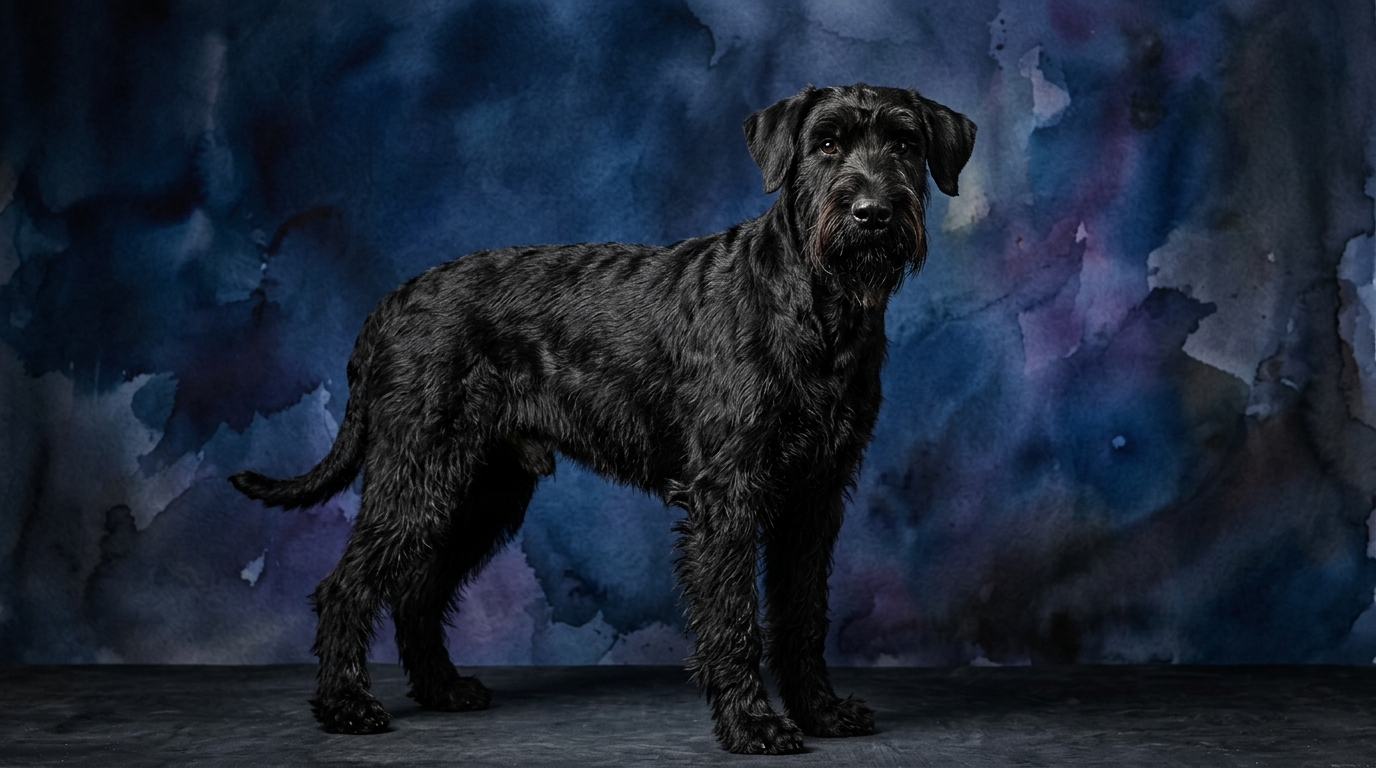
The Giant Schnauzer, a robust member of the Working Group, brings a distinctly different set of cognitive strengths, underscored by their Coren rank of #28, signifying strong working and obedience intelligence. Their Problem Solving ability is robust at 4/5, indicating a capacity for strategic thinking and overcoming environmental obstacles. They can discern cause-and-effect relationships, making them adept at tasks requiring ingenuity, whether it's figuring out a tricky latch or navigating a complex search pattern. Training Speed, also 4/5, highlights their quick grasp of new commands and concepts. They genuinely enjoy the mental stimulation of learning and can rapidly acquire and retain a wide repertoire of behaviors, often excelling in advanced obedience, protection sports, or complex trick training. Social Intelligence for the Giant Schnauzer is 3/5. While they form intensely loyal and protective bonds with their immediate family, they tend to be more reserved, even aloof, with strangers, relying on their owner's cues to assess new interactions rather than seeking universal affection. Their strong sense of discernment contributes to their effectiveness as guardians. Their Instinctive Drive, rated 3/5, reflects their historical roles as guardians, herders, and police dogs, manifesting as a natural vigilance, a moderate prey drive, and a desire for purposeful activity. This drive fuels their need for engagement and work. Their Memory, an impressive 4/5, allows them to retain complex sequences of commands, remember locations and people with remarkable clarity, and learn from past experiences with lasting effect, contributing significantly to their reliability and consistency in demanding roles.
Where French Bulldog Wins Cognitively
The French Bulldog's cognitive superiority is undeniably rooted in their social acumen. Their perfect 5/5 Social Intelligence means they possess an almost unparalleled ability to interpret and respond to human emotional states. They excel at offering comfort, reading subtle shifts in mood, and adapting their behavior to create a harmonious and emotionally supportive environment within the household. This profound social attunement allows them to navigate complex family dynamics with an intuitive grace, making them superb companions for individuals or families who prioritize a deeply empathetic and responsive canine presence that thrives on connection.
Where Giant Schnauzer Wins Cognitively
The Giant Schnauzer's intellectual prowess shines brightly in areas requiring practical application, strategic thought, and sustained focus. Their 4/5 Problem Solving and 4/5 Memory contribute to a superior capacity for mastering multi-step tasks and retaining intricate information over time. Whether it's learning an extensive agility course, excelling in protection work that demands discerning judgment and precise execution, or even figuring out how to manipulate objects to achieve a goal, their cognitive architecture supports a higher level of strategic thinking, robust recall, and a consistent drive to perform. This makes them exceptional candidates for roles requiring both mental and physical engagement.
Which is Easier to Train and Why
When evaluating ease of training, the Giant Schnauzer generally offers a more streamlined experience for owners aiming for advanced obedience, specialized tasks, or competitive dog sports. Their 4/5 Training Speed and 4/5 Memory mean they grasp new commands quickly and retain them effectively, often thriving on the mental challenge presented by complex learning. They respond exceptionally well to clear, consistent instruction and positive reinforcement, showcasing a strong desire to work collaboratively with their handler. In stark contrast, the French Bulldog's 3/5 Training Speed and 3/5 Memory suggest that while they can learn basic commands reliably, they may require more repetition, patience, and creative motivation for advanced tasks. Their strong social intelligence might sometimes lead them to prioritize interaction or comfort over strict adherence to commands, especially if the training isn't inherently engaging or feels too repetitive. Their lower instinctive drive also means they might lack the inherent motivation for sustained, task-based work that a working breed naturally possesses.
Which Suits Active Owners vs Relaxed Owners
For active owners seeking a true canine partner for challenging activities and consistent engagement, the Giant Schnauzer is the definitive choice. Their 3/5 Instinctive Drive, coupled with their superior problem-solving and memory capabilities, means they thrive on structured exercise, consistent mental stimulation, and a clear "job" to do, whether it's advanced obedience, demanding dog sports, or protection training. They possess the physical stamina and mental fortitude to engage in prolonged, demanding activities and become bored without adequate outlets. Conversely, relaxed owners, or those seeking a devoted, low-key companion primarily focused on home life, would find the French Bulldog more suitable. Their 2/5 Instinctive Drive and exceptional social intelligence make them perfectly content with moderate daily walks and ample cuddle time, prioritizing human interaction, comfort, and emotional connection over strenuous physical or mental tasks. They are adept at fitting into a quieter, more sedentary lifestyle, as long as they receive consistent attention and affection.
The Verdict
Choose the French Bulldog if your priority is an exceptionally empathetic, low-drive companion who excels at emotional connection and thrives in a relaxed, family-centric environment.
Choose the Giant Schnauzer if you desire a highly trainable, protective partner with strong problem-solving skills and the drive for engaging in advanced training and active pursuits.
🧠 Find Your Pet's IQ Score
Our Pet IQ Lab assessment covers 25+ tests across 5 cognitive dimensions — personalized to your breed.
Take the Full IQ Test →Frequently Asked Questions
Does a French Bulldog's low instinctive drive make them less engaged?
Not at all; their lower instinctive drive simply means their engagement is primarily directed towards social interaction and companionship rather than traditional working tasks. They are deeply attentive to their human families, finding purpose in being a loving presence and offering emotional support.
How does the Giant Schnauzer's Coren ranking of #28 relate to its IQ profile?
The Coren ranking primarily reflects "working and obedience intelligence," aligning perfectly with the Giant Schnauzer's 4/5 scores in Problem Solving, Training Speed, and Memory. This indicates a strong, innate capacity for understanding and executing complex commands efficiently and reliably.
Can a French Bulldog participate in dog sports despite its lower scores in some areas?
Absolutely, French Bulldogs can excel in certain dog sports, particularly those emphasizing their social intelligence and agility, such as obedience, rally, or even some forms of trick training. While their lower instinctive drive might mean less inherent motivation for high-energy, repetitive tasks, with positive reinforcement and fun, they can certainly enjoy and succeed.