Side-by-Side IQ Profile: French Bulldog vs. Harrier
The Cosmic Pet Pet IQ Lab employs a multi-dimensional approach to assess canine cognition, moving beyond simplistic notions of 'smartness' to evaluate specific mental aptitudes. By examining problem-solving, training speed, social intelligence, instinctive drive, and memory, we gain a clearer picture of each breed's unique intellectual composition. For both the French Bulldog and the Harrier, our analysis provides a comparative framework, highlighting where their cognitive strengths and approaches diverge.
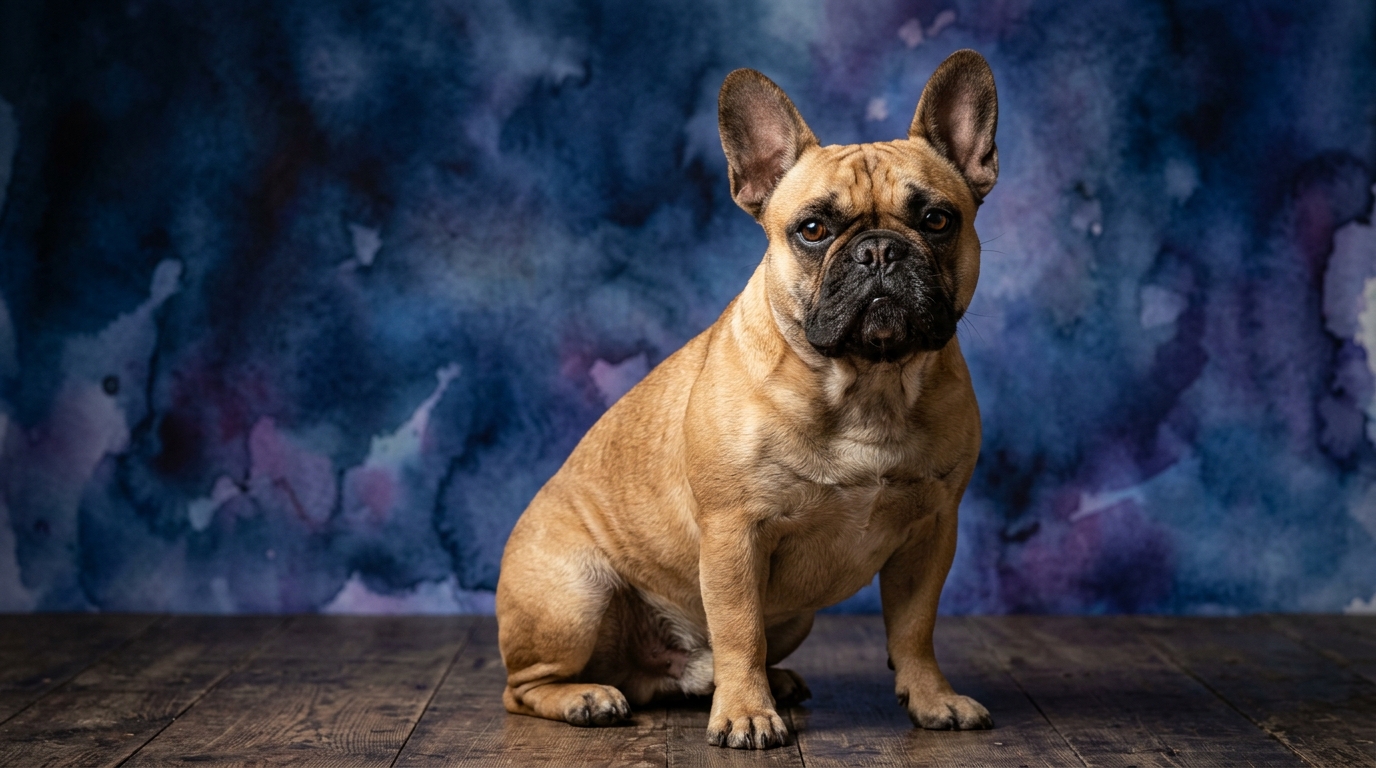
The French Bulldog, a breed celebrated for its companionable nature, presents a distinctive cognitive profile. Their Problem Solving is rated at 3/5, suggesting they can navigate routine challenges but may not be inclined towards complex, multi-step puzzles. Training Speed also stands at 3/5; while capable of learning, their attention might be swayed by comfort or personal preference, requiring consistent, positive reinforcement. Where they truly shine is in Social Intelligence, earning a perfect 5/5, indicating an exceptional ability to interpret human cues, emotions, and social dynamics. Their Instinctive Drive is low at 2/5, reflecting their evolution away from working roles, and their Memory is a solid 3/5, allowing them to recall routines and familiar faces with ease.
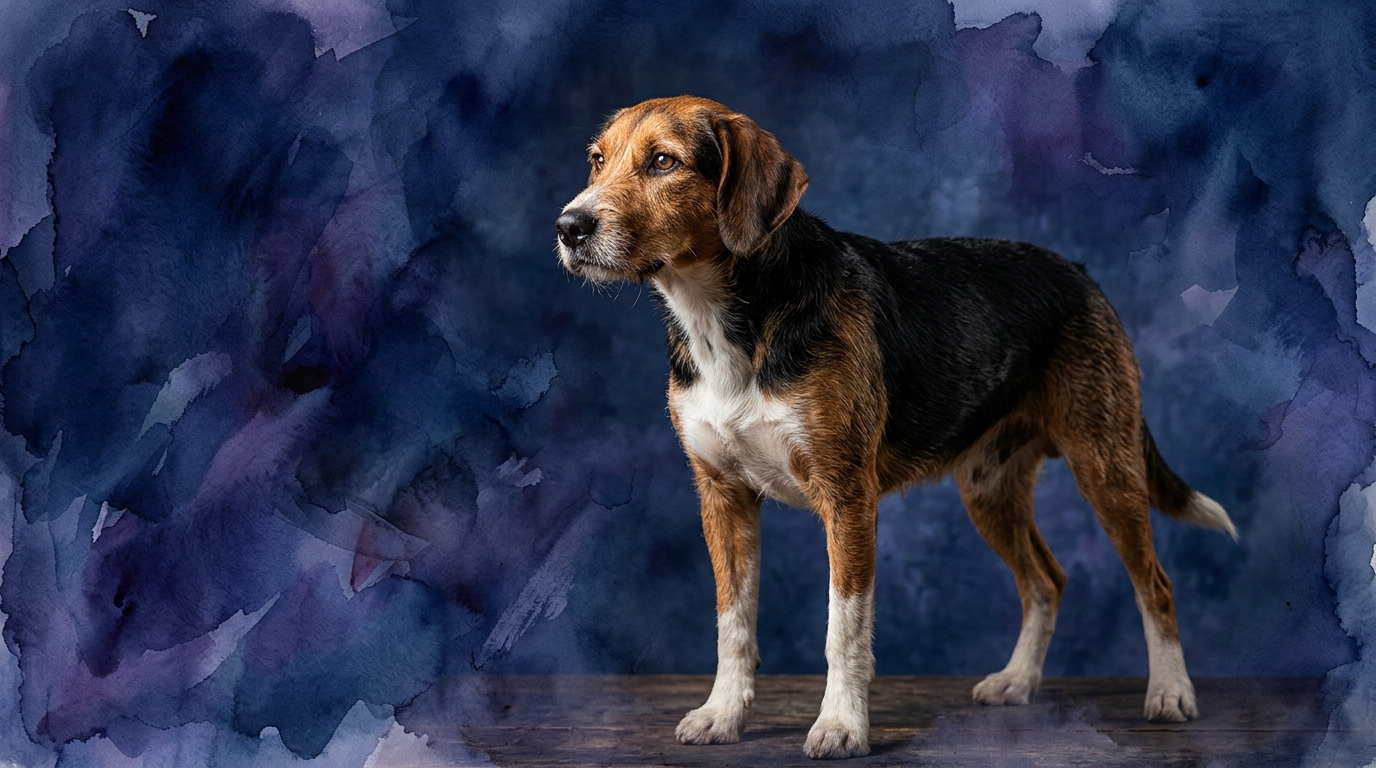
In contrast, the Harrier, a breed rooted in scent-based hunting, displays a cognitive makeup tailored to its historical function. Their Problem Solving ability is rated 3/5, often manifested in their persistent pursuit of a scent trail rather than abstract reasoning. Training Speed is also 3/5; Harriers are capable learners, but their powerful instincts can sometimes override commands, demanding patient and understanding guidance. Their Social Intelligence is 3/5, indicating they are capable of forming bonds and interacting within a pack or family unit, though perhaps less attuned to subtle human emotional shifts than a dedicated companion breed. The Harrier's Instinctive Drive is 3/5, a clear nod to their strong prey drive, scenting prowess, and endurance. Their Memory is rated 3/5, particularly effective for retaining information relevant to tracking and their hunting activities.
A direct comparison of these profiles reveals intriguing similarities and critical differences. Both breeds share identical scores in Problem Solving, Training Speed, and Memory, suggesting a baseline cognitive capacity for learning and retention. However, their divergent scores in Social Intelligence and Instinctive Drive illuminate the profound impact of selective breeding on canine cognition, highlighting specialized aptitudes that cater to their respective purposes.
Where the French Bulldog Wins Cognitively
The French Bulldog's undeniable cognitive victory lies in its exceptional Social Intelligence, scoring a perfect 5/5 compared to the Harrier's 3/5. This isn't merely about being 'friendly'; it signifies a sophisticated capacity for understanding and responding to human social cues. French Bulldogs possess an acute ability to read subtle shifts in tone, body language, and facial expressions, allowing them to anticipate human needs and reactions. Their cognitive energy is heavily invested in maintaining harmonious relationships with their human companions.
This superior social cognition translates into a deep emotional attunement. A French Bulldog can often sense when their owner is upset or happy, adjusting their behavior accordingly – offering comfort or engaging in playful antics to match the mood. Their problem-solving, though rated 3/5, is often channeled through this social lens; they might 'solve' the problem of a bored owner by initiating interaction, or figure out how to get attention using charming, learned behaviors. This makes them incredibly intuitive companions, adept at navigating the complexities of a human household.
Where the Harrier Wins Cognitively
The Harrier's cognitive strength is most evident in its Instinctive Drive, rated 3/5 compared to the French Bulldog's 2/5. While the numerical difference appears small, the nature of this drive is fundamentally different and represents a highly specialized form of intelligence. For the Harrier, this drive is a powerful engine for sustained, focused activity, particularly related to scent work and endurance, which are critical for their hound heritage.
This instinctive drive underpins a unique problem-solving approach. A Harrier's 'problem' is often how to locate and follow a scent trail, requiring complex olfaction, spatial reasoning, and sustained focus over varying terrains. Their memory is finely tuned to recall specific scents and the routes taken, allowing them to methodically work through environmental puzzles that would overwhelm a breed without such a specialized drive. This persistence and dedication to a task, fueled by instinct, represents a robust cognitive advantage in their specific domain.
Which is Easier to Train and Why
Despite both breeds sharing a 3/5 rating for Training Speed, the practical experience of training them can differ significantly due to their other cognitive attributes. The French Bulldog's high Social Intelligence often makes them appear easier to train for general obedience in a home environment. They are highly motivated by human approval and interaction, meaning positive reinforcement, praise, and a desire to please their owner are potent tools.
However, their moderate training speed and potential for stubbornness mean consistency is key. A French Bulldog might learn a command quickly if it's clear and rewarding, but they might also choose to ignore it if they are comfortable or see no immediate benefit. Their cognitive focus on social harmony generally means they are less likely to be distracted by external stimuli compared to a scent hound.
The Harrier, while equally capable of learning (3/5 Training Speed), presents a different set of training challenges due to their pronounced Instinctive Drive. When a Harrier locks onto a compelling scent, their powerful natural urge to follow it can override even well-learned commands. This isn't stubbornness in the same way as a French Bulldog's comfort-seeking; it's a profound, instinct-driven focus that can make them seem 'deaf' to their handler. Training a Harrier effectively requires understanding and channeling this drive, often through scent games or structured activities that engage their natural abilities, rather than solely relying on social motivators. Patience and creative methods to compete with their nose are essential.
Which Suits Active Owners vs. Relaxed Owners
The distinct cognitive profiles of the French Bulldog and Harrier directly influence their suitability for different owner lifestyles, particularly regarding activity levels and engagement needs. The French Bulldog, with its low Instinctive Drive (2/5) and supreme Social Intelligence (5/5), is an ideal match for relaxed owners or those with less time for strenuous outdoor activities. Their contentment stems primarily from human companionship and comfortable surroundings, rather than extensive physical exertion.
A French Bulldog thrives on being an integral part of family life, enjoying short walks, indoor play, and plenty of cuddle time. Their cognitive makeup means they are highly satisfied with social interaction as their primary form of enrichment, making them excellent companions for apartment dwellers or individuals seeking a low-maintenance exercise routine. Their mental stimulation comes from observing and participating in household dynamics and receiving affection.
Conversely, the Harrier, with its moderate Instinctive Drive (3/5) and origins as a hunting hound, is best suited for active owners who can provide ample opportunities for physical and mental engagement. These dogs possess considerable stamina and a persistent nature, requiring more than just a casual stroll around the block. Their cognitive functions are optimized for sustained effort and problem-solving through scent, meaning they need outlets for these natural behaviors.
Owners who enjoy hiking, running, or participating in dog sports like scent work or agility will find a Harrier a rewarding partner. Without sufficient activity that engages both their body and their keen nose, a Harrier can become bored and potentially destructive. Their independent streak and focus on environmental exploration mean they need owners who are prepared to integrate their cognitive and physical needs into an active lifestyle.
The Verdict: When to Choose Each
The Verdict
Choose the French Bulldog if you prioritize a deeply intuitive, emotionally responsive companion dog that thrives on human connection and a more relaxed, indoor-centric lifestyle. They are masters of social engagement and offer unparalleled empathy within a home setting.
Opt for the Harrier if you lead an active lifestyle, appreciate a dog with a robust independent spirit, and are prepared to channel their powerful scenting instincts through consistent outdoor activities and training. They offer a tenacious, enduring partner for adventure.
🧠 Find Your Pet's IQ Score
Our Pet IQ Lab assessment covers 25+ tests across 5 cognitive dimensions — personalized to your breed.
Take the Full IQ Test →Frequently Asked Questions
Are French Bulldogs good at learning tricks?
Yes, their high social intelligence and moderate training speed mean they can learn a variety of tricks, especially those involving human interaction and positive reinforcement. Their motivation often stems from pleasing their owner and receiving attention.
Can a Harrier live in an apartment?
While possible, a Harrier requires extensive daily exercise and mental stimulation to prevent boredom and destructive behaviors. Their moderate instinctive drive and need for activity make a large yard or frequent outdoor adventures preferable for their well-being.
Which breed is better with children?
Both breeds can be good with children, but their approaches differ. French Bulldogs are often gentle and patient due to their high social intelligence, while Harriers, with their pack mentality, might enjoy playing but require supervision due to their energy levels and potential for boisterousness.