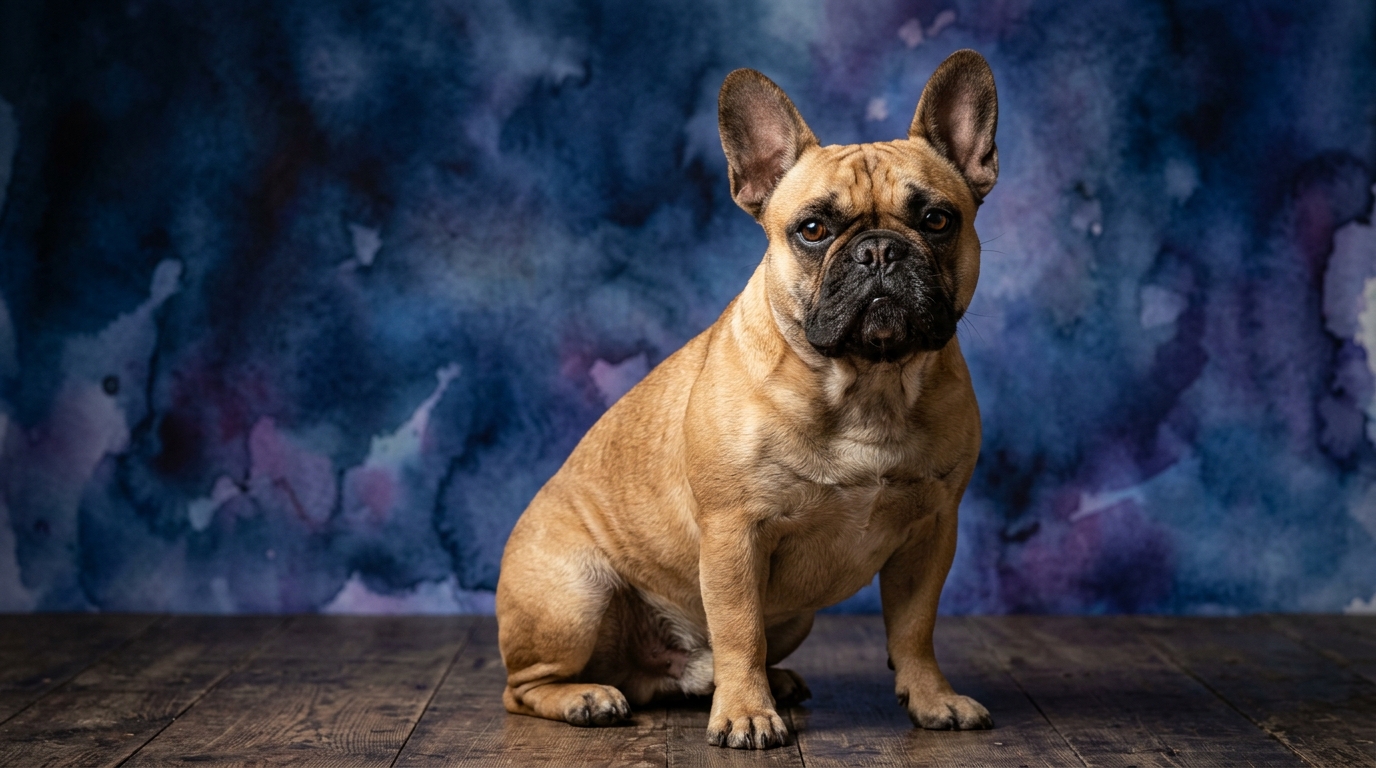
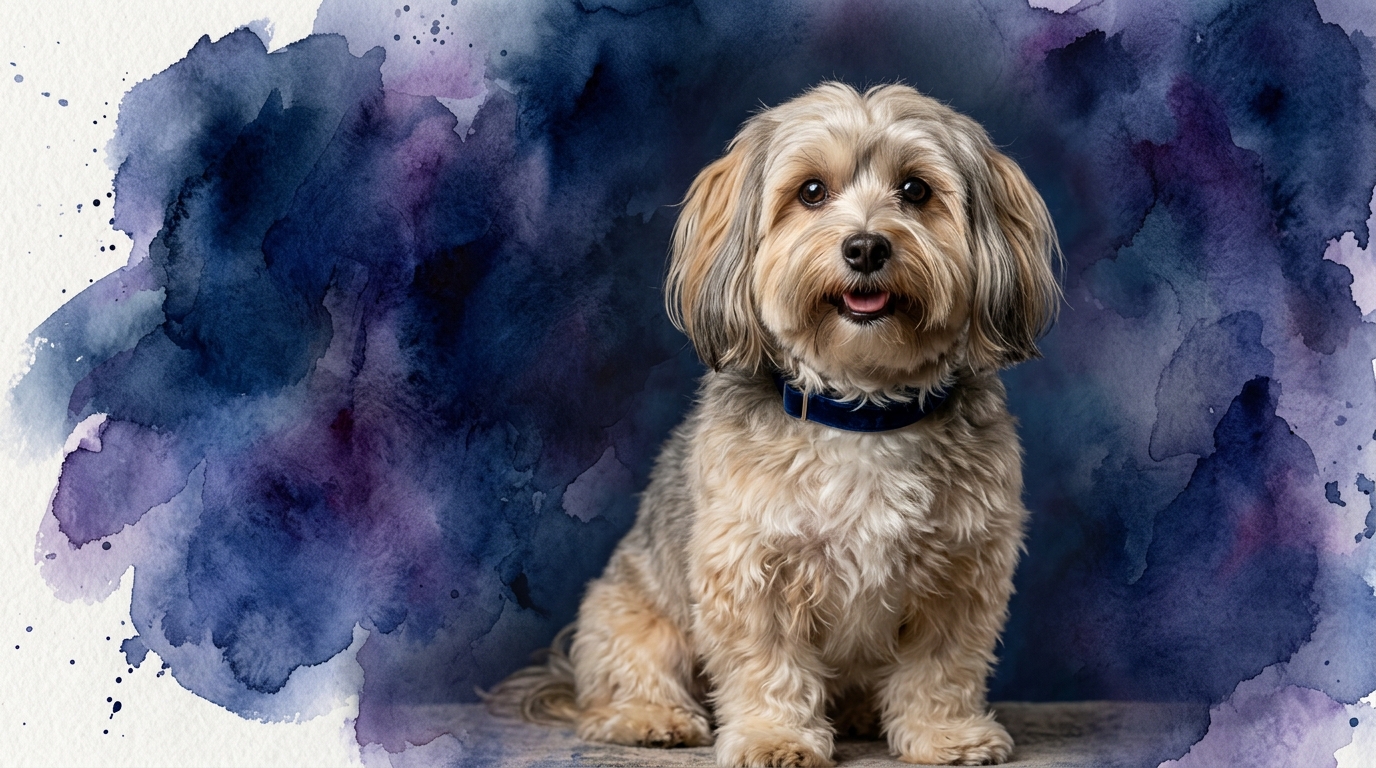
Side-by-Side IQ Profile: French Bulldog vs. Havanese
The Cosmic Pet Pet IQ Lab employs a multi-faceted approach to assess canine cognition, moving beyond simple obedience to explore the nuances of a dog's mind. For both the French Bulldog and the Havanese, our lab results present a remarkably similar cognitive blueprint across five key dimensions. This parity in raw scores invites a deeper exploration into how these capacities are utilized and expressed within each breed's distinct world.
Beginning with Problem Solving, both breeds score a solid 3 out of 5. This indicates a moderate capacity for navigating novel situations, figuring out how to access desired objects, or understanding cause-and-effect relationships within their environment. They possess a reasonable aptitude for figuring things out independently, without excessive human intervention, though complex, multi-step puzzles might present a significant challenge.
Their Training Speed also aligns at 3 out of 5, suggesting a moderate pace for acquiring new commands, tricks, or behavioral modifications. Neither breed is an instantaneous learner, nor are they exceptionally slow to grasp concepts. With consistent, positive reinforcement, owners can expect a steady progression in their learning journey, requiring patience and clarity in instruction.
Where both breeds truly shine is in Social Intelligence, scoring an impressive 5 out of 5. This metric reflects an exceptional ability to read and respond to human emotions, body language, and social cues. They are highly attuned to their human companions, often anticipating needs and reacting empathetically, making them profoundly connected and responsive members of the family unit.
Instinctive Drive for both breeds registers at a low 2 out of 5. This dimension measures the inherent drive for traditional canine 'jobs' like hunting, herding, or guarding. Their low scores indicate that neither the French Bulldog nor the Havanese typically exhibits strong predispositions for these instinctual behaviors, preferring companionship over independent task execution.
Finally, Memory for both breeds stands at 3 out of 5. This moderate score implies a good ability to retain learned commands, remember routines, and recall past experiences, whether positive or negative. They will remember their training and their favorite people, but might not possess the encyclopedic recall of breeds with higher memory scores.
Where the French Bulldog Wins Cognitively
While the raw IQ scores are identical, the French Bulldog's specific physical and temperamental traits allow its cognitive profile to 'win' in certain contexts, particularly for owners seeking a calm, deeply connected companion. Their moderate problem-solving (3/5) and training speed (3/5) are often leveraged in a more relaxed, indoor-centric lifestyle. A French Bulldog might excel at figuring out how to comfortably position themselves on a sofa to get maximum cuddles or how to subtly nudge a human for attention, rather than solving complex environmental puzzles. Their brachycephalic structure means they are less suited to strenuous physical activity, which naturally channels their problem-solving energy into domestic challenges.
Their exceptional Social Intelligence (5/5) is arguably their most pronounced cognitive advantage within their typical lifestyle. A French Bulldog's ability to read human emotions is profound, making them incredibly empathetic and responsive to their owner’s mood. This high social acumen, combined with their generally placid nature and low instinctive drive (2/5), means they are masters of quiet companionship. They 'win' in creating a deeply reassuring and emotionally supportive presence, often requiring little verbal communication to understand and respond to their human's emotional state, making them superb emotional support animals for those who value deep, intuitive connection over active engagement.
Where the Havanese Wins Cognitively
The Havanese, despite identical IQ scores, leverages its cognitive strengths in different, often more dynamic, ways, making it a 'winner' for owners who appreciate a more interactive and adaptable companion. Their moderate Problem Solving (3/5) and Training Speed (3/5) are often expressed through a greater willingness to engage with varied learning opportunities and environmental exploration. A Havanese might be quicker to investigate a new toy or figure out a simple trick that earns a reward, driven by their generally more curious and playful disposition. Their agility and longer snout allow for a broader range of physical interactions with their environment, enhancing their practical application of problem-solving skills.
The Havanese's exceptional Social Intelligence (5/5) manifests as a highly adaptable and engaging demeanor. Their desire to be involved in family activities means they actively use their social acumen to integrate into diverse social settings, making friends with new people and pets with relative ease. This breed 'wins' in its versatility as a social companion, often thriving in homes that provide plenty of interaction and varied experiences. Their moderate memory (3/5) combined with their social drive means they quickly learn who is friendly and where the fun is to be had, making them excellent ambassadors of joy and engagement in any social situation.
Which is Easier to Train and Why
When comparing the ease of training between French Bulldogs and Havanese, despite identical Training Speed scores (3/5), real behavioral differences come into play. French Bulldogs can exhibit a notorious stubborn streak. While they understand commands and are often food motivated, their 'what's in it for me?' attitude requires patience and consistent, high-value rewards. Their lower energy and instinctive drive (2/5) can sometimes make them less enthusiastic about repetitive drills, preferring to conserve energy. However, their strong social intelligence (5/5) means they respond well to positive reinforcement and praise, understanding their owner's pleasure in their compliance. The challenge often lies in motivating them to *start* the task, not necessarily in their capacity to *understand* it.
Havanese, conversely, are generally more eager to please and possess a higher overall energy level, which can make them appear easier to train for active owners. Their keen social intelligence (5/5) makes them highly receptive to their owner's guidance and praise, often thriving on the interaction that training provides. While their moderate training speed (3/5) is the same as the French Bulldog's, their active curiosity and desire to participate can translate into a more enthusiastic learner. However, their sensitivity means harsh corrections are counterproductive; they respond best to gentle, positive methods. Their higher overall activity level, while beneficial for engagement, can also lead to more distractions in a busy environment, requiring a trainer to maintain focus and make training sessions engaging and fun.
Which Suits Active Owners vs. Relaxed Owners
The distinction between French Bulldogs and Havanese becomes particularly clear when considering owner lifestyle preferences. French Bulldogs are unequivocally suited for relaxed owners. Their low instinctive drive (2/5) and inherent low energy levels mean they require minimal exercise – short daily walks and indoor play are typically sufficient. Their brachycephalic nature makes them prone to overheating, further limiting strenuous activity. For individuals or families seeking a calm, affectionate companion content with lounging and short bursts of activity, the French Bulldog is an ideal match. Their high social intelligence (5/5) makes them excellent couch companions, happy to simply exist alongside their human.
Havanese, on the other hand, are better suited for owners who maintain a moderately active lifestyle. While not requiring extreme exercise, they do benefit from regular walks, play sessions, and mental stimulation to keep their moderate problem-solving (3/5) and memory (3/5) skills engaged. Their generally robust health and more agile build allow them to participate in activities like dog sports (e.g., agility, obedience) at a beginner to intermediate level. Their exceptional social intelligence (5/5) means they thrive on interaction and being included in family outings, making them a better fit for those who enjoy taking their dog along on adventures and providing consistent engagement.
The Verdict
Choose a French Bulldog if you prioritize a deeply empathetic, calm, and low-maintenance companion whose social intelligence manifests as quiet, devoted presence, ideal for relaxed indoor living.
Opt for a Havanese if you desire an adaptable, engaging, and moderately active companion whose social acumen and curiosity thrive on varied interactions and participation in family life.
🧠 Find Your Pet's IQ Score
Our Pet IQ Lab assessment covers 25+ tests across 5 cognitive dimensions — personalized to your breed.
Take the Full IQ Test →Frequently Asked Questions
Are French Bulldogs good at learning tricks?
French Bulldogs can certainly learn tricks, thanks to their moderate problem-solving and training speed scores. Their motivation is often tied to food rewards and pleasing their beloved humans, so consistent, positive reinforcement is key to success.
Do Havanese need a lot of mental stimulation?
Yes, Havanese benefit significantly from mental stimulation to keep their moderate problem-solving and memory skills sharp. Puzzle toys, training sessions, and varied environments help prevent boredom and channel their curiosity constructively.
Which breed is more prone to separation anxiety?
Both breeds, with their exceptionally high social intelligence, can be prone to separation anxiety if not properly socialized and habituated to being alone. Their deep bond with humans means they thrive on companionship and can struggle when left for extended periods.