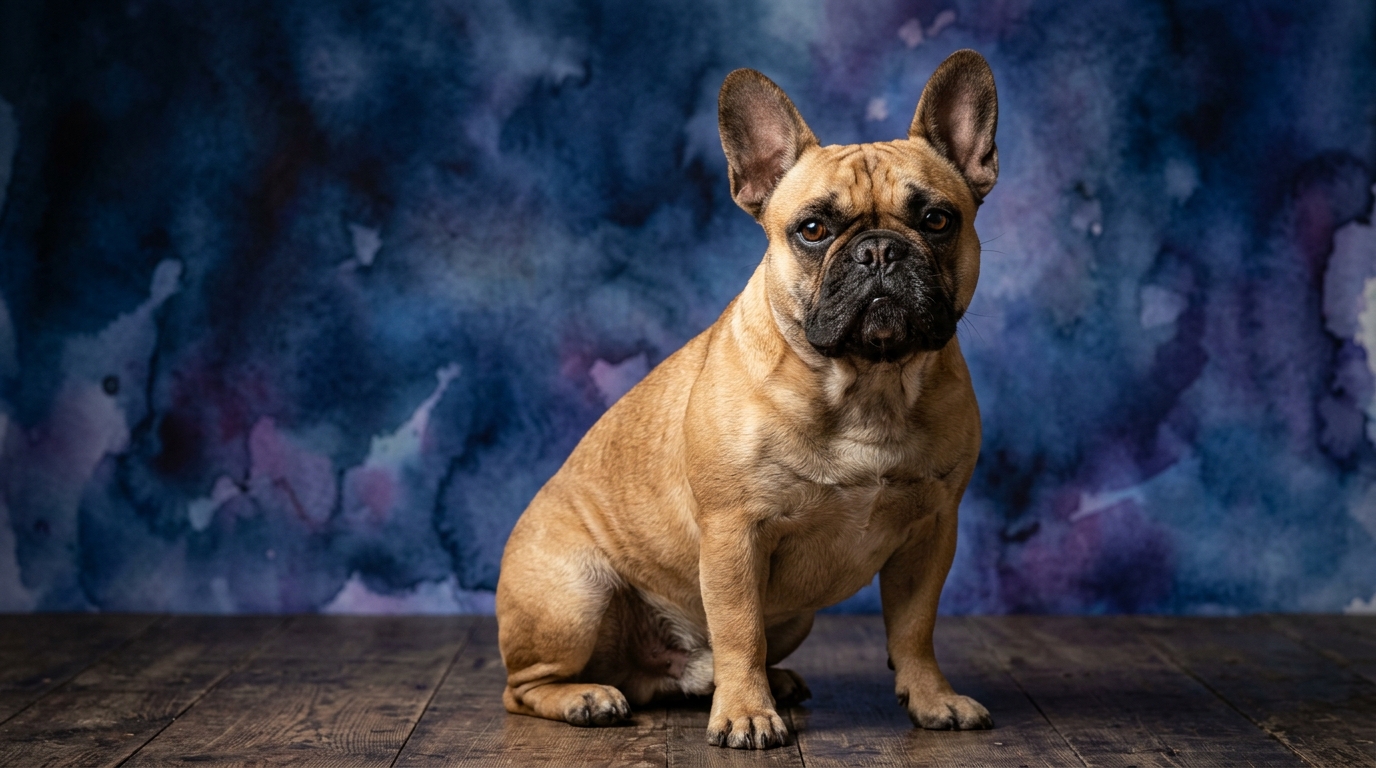
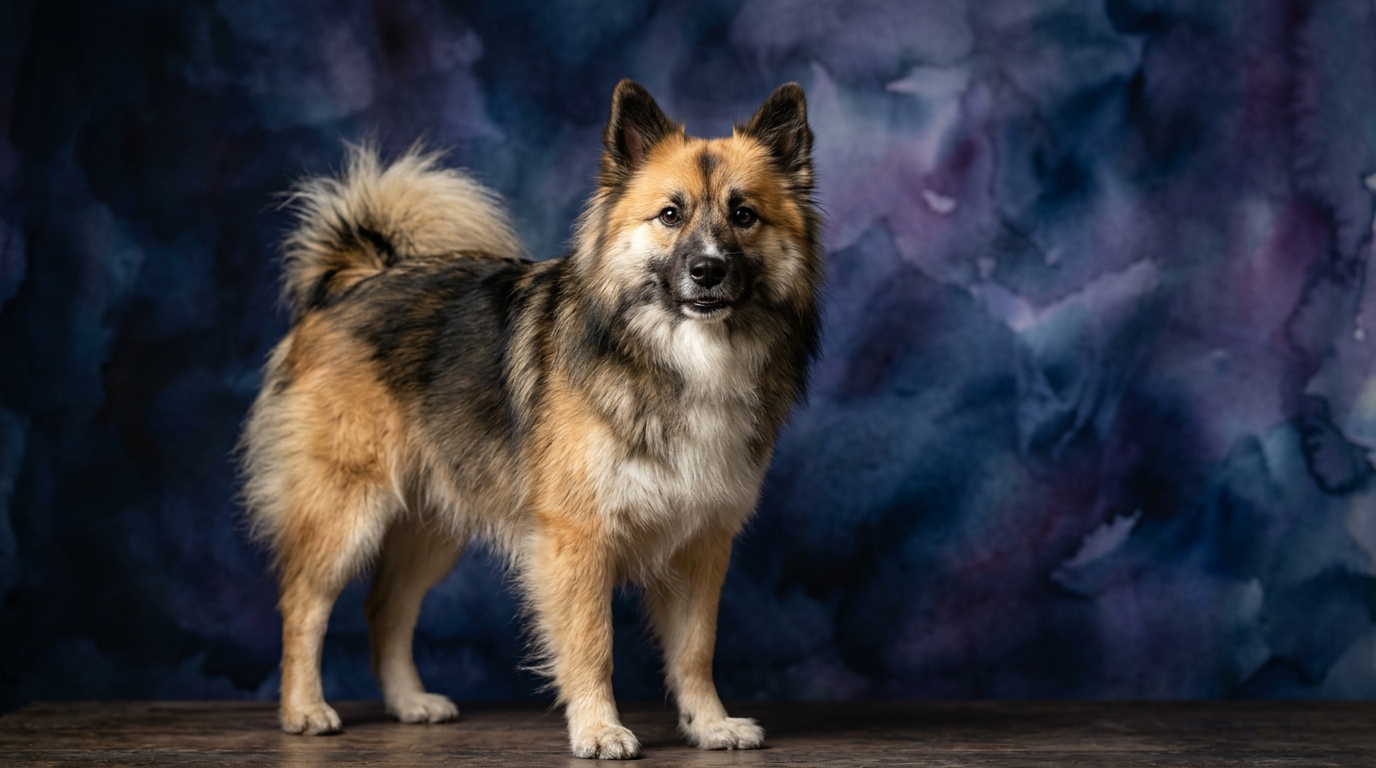
Side-by-Side IQ Profile: French Bulldog vs. Icelandic Sheepdog
In The Cosmic Pet Pet IQ Lab, canine intelligence is assessed across five key dimensions, offering a nuanced understanding beyond simple 'smart' labels. For the French Bulldog and the Icelandic Sheepdog, these profiles reveal both surprising commonalities and distinct differences, painting a clear picture of their cognitive landscapes.
**Problem Solving:** Both breeds register a moderate 3/5 in problem-solving, indicating a solid, practical capacity for navigating their environments. For the French Bulldog, this often translates into clever strategies for achieving comfort or attention; they might figure out how to open a treat cupboard with a loose latch or strategically position themselves for maximum belly rubs. Their problem-solving is often geared towards social manipulation or immediate environmental comfort. The Icelandic Sheepdog, while scoring the same, likely applies this skill differently. As a herding breed, their problem-solving might involve figuring out how to retrieve a toy stuck under furniture or understanding the mechanics of a new puzzle feeder. Their solutions often involve spatial awareness and persistence, reflecting their working heritage.
**Training Speed:** Both the French Bulldog and the Icelandic Sheepdog achieve a 3/5 in training speed, placing them squarely in the middle for how quickly they absorb new commands and routines. This means neither breed is exceptionally quick nor particularly slow to learn. French Bulldogs, often food-motivated and eager to please their favored humans, can pick up basic obedience and tricks with consistent, positive reinforcement, though they may occasionally display a charming stubbornness. The Icelandic Sheepdog, intelligent and often keen to engage, also requires a structured and consistent approach. Their learning is most effective when training sessions are engaging, varied, and tap into their natural desire for purposeful activity, as repetitive, dull exercises can lead to disinterest.
**Social Intelligence:** This dimension presents the most striking contrast. The French Bulldog excels with a perfect 5/5, demonstrating an extraordinary capacity to understand and respond to human emotions and social cues. They are highly empathetic, often sensing their owner's moods and offering comfort or engaging in playful distraction at just the right moment. Their communication with humans is sophisticated, using nuanced body language, eye contact, and vocalizations to express their needs, desires, and even opinions. This profound social awareness makes them incredibly intuitive companions, deeply integrated into the emotional fabric of their families. The Icelandic Sheepdog, by comparison, scores a respectable 3/5. They are friendly and enjoy human company, but their social intelligence is less intensely focused on human emotional states. While they form strong bonds, they tend to be more independent and less overtly demonstrative in their social interactions, often observing their environment or other dogs with equal interest.
**Instinctive Drive:** Another key differentiator lies in their instinctive drives. The French Bulldog scores a low 2/5, indicating minimal inherent urges for traditional working dog behaviors like herding, chasing, or guarding. Their primary drive is often focused on companionship, comfort, and being a central part of the family unit. This lower drive contributes to their adaptability to urban living and a less demanding physical routine. The Icelandic Sheepdog, with a 3/5, possesses a moderate instinctive drive rooted in its herding origins. This manifests as a natural curiosity, an inclination to observe and 'gather' their surroundings, and a desire for purposeful activity. While not as intense as some high-drive herding breeds, this inherent drive means they need outlets for their energy and mental engagement, often translating into a keen awareness of their environment and a desire to be involved in family activities.
**Memory:** Both breeds share a 3/5 score in memory, indicating a moderate capacity for retaining learned information, routines, and experiences. They will remember commands, familiar faces, and the layout of their home, along with positive and negative associations. This means consistency in training and routine is important for both, as they will build upon past experiences. While not possessing photographic recall, their memory is certainly sufficient for navigating daily life, learning complex sequences with repetition, and forming lasting bonds based on shared history.
Where the French Bulldog Wins Cognitively
The French Bulldog truly shines in the realm of social intelligence, boasting a perfect 5/5 score compared to the Icelandic Sheepdog's 3/5. This remarkable aptitude means French Bulldogs are exceptionally adept at understanding and responding to human emotions and social cues. They effortlessly integrate into family life, often anticipating their owner's moods and reacting with comforting presence or playful antics. This high social IQ allows them to navigate complex household dynamics with ease, often 'reading the room' and adapting their behavior to fit the situation. Their cognitive strength here isn't about solving complex puzzles, but about mastering the art of companionship and interpersonal connection, making them profound emotional anchors within a family. Their lower instinctive drive also means their cognitive energy is almost entirely focused on their human companions.
Where the Icelandic Sheepdog Wins Cognitively
While the Icelandic Sheepdog shares a 3/5 in problem-solving with the French Bulldog, its cognitive strengths are distinctly rooted in its herding heritage and a slightly higher instinctive drive (3/5 vs. 2/5). This combination means their problem-solving often manifests in a more environmentally aware and task-oriented manner. An Icelandic Sheepdog might excel at figuring out how to navigate varied terrain, locate a lost toy in the yard, or understand the spatial relationships within a group of animals or people. Their cognitive engagement is often tied to observation, strategy, and a desire to manage their surroundings, providing a mental agility that thrives on purposeful activity rather than purely social interaction. This drive, though moderate, fuels a curiosity and persistence in exploring and interacting with their physical world that the French Bulldog typically lacks, making them adept at tasks requiring environmental engagement.
Which is Easier to Train and Why
Comparing the ease of training between these two breeds, both score a 3/5 in training speed, suggesting neither is inherently faster at acquiring new commands. However, the *nature* of their training experience differs significantly due to their other cognitive profiles. The French Bulldog, with its superior social intelligence (5/5) and lower instinctive drive (2/5), often proves easier to train for basic obedience and house manners in a typical domestic setting. They are highly motivated by human approval and attention, making positive reinforcement incredibly effective, and their lower drive means fewer distractions from innate urges to chase or roam. They are generally eager to please their beloved humans, making them responsive to cues that strengthen the bond.
In contrast, the Icelandic Sheepdog, while equally capable of learning, requires training methods that engage its moderate instinctive drive (3/5) and problem-solving abilities. Their herding background means they thrive on structured activities, mental challenges, and a clear 'job.' If their training isn't stimulating or consistent, their independent nature and desire for purpose can lead to selective hearing or self-directed activities. Therefore, while both learn at a similar pace, the French Bulldog might offer a smoother, less demanding training journey for the average pet owner seeking a compliant companion, whereas the Icelandic Sheepdog excels with an owner who can channel its natural working aptitude into engaging exercises like agility, herding games, or advanced obedience.
Which Suits Active Owners vs. Relaxed Owners
The choice between a French Bulldog and an Icelandic Sheepdog largely depends on an owner's lifestyle and their preferred level of daily activity and engagement. The French Bulldog is an ideal match for more relaxed owners, those living in apartments or urban environments, or individuals seeking a devoted, low-maintenance companion. Their lower instinctive drive (2/5) means they have minimal demands for strenuous physical activity, preferring short walks, indoor play, and plenty of cuddle time. Their high social intelligence (5/5) means they thrive on close human interaction and are content to be a constant presence by their owner's side, adapting readily to a more sedentary pace of life.
Conversely, the Icelandic Sheepdog is best suited for active owners who relish outdoor adventures, dog sports, or simply enjoy a canine partner with a zest for life. Their moderate instinctive drive (3/5) and inherent curiosity demand regular physical exercise and mental stimulation, such as hiking, agility courses, or interactive puzzle toys. They are happiest when they have a 'job' or a purpose, even if it's just exploring the local park, and will thrive with owners who can provide consistent opportunities for engagement that tap into their natural herding instincts and problem-solving skills.
The Verdict
Choose the French Bulldog if your lifestyle is more relaxed, you live in an urban environment, and you prioritize a deeply empathetic, low-activity companion who excels at social interaction and close bonding.
Opt for the Icelandic Sheepdog if you lead an active lifestyle, enjoy outdoor activities, and seek a curious, task-oriented partner who thrives on mental and physical engagement and has a moderate working drive.
🧠 Find Your Pet's IQ Score
Our Pet IQ Lab assessment covers 25+ tests across 5 cognitive dimensions — personalized to your breed.
Take the Full IQ Test →Frequently Asked Questions
Are French Bulldogs good at learning tricks?
French Bulldogs, with a training speed of 3/5 and high social intelligence, are capable of learning many tricks, especially those that involve interacting with their owner for praise or treats. Their motivation often stems from pleasing their humans, making positive reinforcement very effective for trick training.
Do Icelandic Sheepdogs need a lot of mental stimulation?
Yes, Icelandic Sheepdogs, possessing a 3/5 in problem-solving and instinctive drive, benefit greatly from consistent mental stimulation. Activities like puzzle toys, obedience training, dog sports, or even 'find it' games can satisfy their natural curiosity and desire for purpose, preventing boredom.
Which breed is more independent?
The Icelandic Sheepdog tends to be more independent, with a social intelligence of 3/5 and a moderate instinctive drive that encourages exploration and self-directed activity. The French Bulldog, with a 5/5 social intelligence, is typically much more people-dependent and seeks constant companionship.