
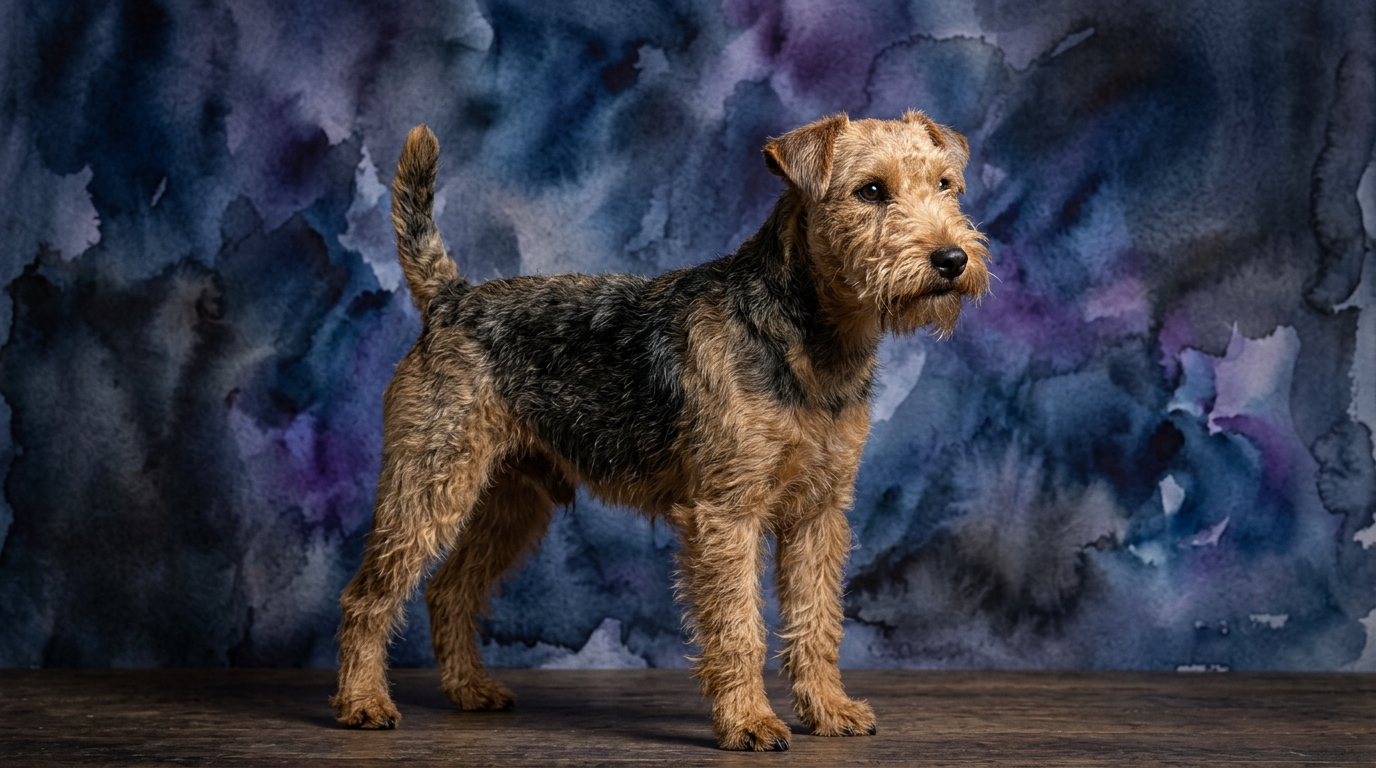
Side-by-Side IQ Profile: Unpacking Cognitive Dimensions
The Cosmic Pet Pet IQ Lab employs five key dimensions to assess a breed's cognitive makeup, providing a granular view of their mental capabilities. For the French Bulldog, we observe a moderate Problem Solving ability (3/5), indicating they can navigate simple challenges but aren't typically complex strategists. Their Training Speed is also moderate (3/5), meaning they learn at a reasonable pace with consistent reinforcement. Where they truly distinguish themselves is in Social Intelligence, scoring an exceptional 5/5, reflecting their profound understanding of human cues and emotions. Conversely, their Instinctive Drive is low (2/5), suggesting minimal inherent urges for activities like hunting or guarding. Their Memory is moderate (3/5), allowing them to retain learned behaviors and experiences effectively.
The Lakeland Terrier presents a slightly different cognitive landscape while sharing some scores with the French Bulldog. Their Problem Solving ability is moderate (3/5), similar to the French Bulldog, indicating practical rather than intricate problem-solving skills. Their Training Speed is also moderate (3/5), suggesting they are capable learners, though their independent spirit can influence engagement. Lakeland Terriers exhibit moderate Social Intelligence (3/5), capable of strong bonds but with less pronounced emotional attunement compared to the French Bulldog. Their Instinctive Drive is moderate (3/5), reflecting a natural curiosity and inclination towards traditional terrier activities like digging or chasing. Finally, their Memory is also moderate (3/5), ensuring they retain training and experiences over time.
Where the French Bulldog Shines Cognitively
The French Bulldog's clearest cognitive advantage lies in its exceptional Social Intelligence, scoring a perfect 5 out of 5. This translates into a profound capacity for emotional attunement and relational understanding. French Bulldogs are masters at reading human facial expressions, vocal inflections, and body language, allowing them to gauge their owner’s mood and respond accordingly. They often anticipate needs, offering comfort during distress or initiating play during moments of joy, demonstrating a deep empathetic connection. This high social aptitude makes them incredibly intuitive companions, fostering an almost telepathic bond where subtle cues are understood without explicit commands. Their cognitive processing is deeply integrated with human interaction, making them highly responsive to the nuances of their environment through a social lens.
Furthermore, their relatively low Instinctive Drive (2/5) can be considered a cognitive benefit for many households. Unlike breeds with strong predatory or territorial instincts, French Bulldogs are less prone to independent pursuits like relentless chasing of small animals, extensive digging, or persistent alert barking driven by primal urges. This lower drive means their cognitive focus is more readily directed towards human interaction and companionship, reducing the mental energy spent on instinctual behaviors that might clash with a domestic environment. Their mental landscape is less cluttered with primal urges, allowing for a more serene and companion-focused cognitive output, making them particularly adaptable to a calm home life.
Where the Lakeland Terrier Excels Cognitively
The Lakeland Terrier's cognitive strengths are rooted in a more pronounced Instinctive Drive, scoring 3 out of 5 compared to the French Bulldog's 2 out of 5. While this difference might seem subtle, it signifies a distinct mental approach to their environment. This moderate instinctive drive equips Lakeland Terriers with a tenacity and spirited determination for exploration and problem-solving in practical, physical contexts. They possess a natural curiosity and a drive to investigate, making them adept at sniffing out interesting scents or navigating complex outdoor terrains. This inherent drive translates into a breed that is often more resilient and self-sufficient in its cognitive engagement with the world, capable of independent thought and action when faced with environmental challenges. Their terrier heritage imbues them with a certain 'grit' that manifests cognitively as a persistent problem-solving approach, especially when motivated by a task or a perceived 'prey.'
While their Social Intelligence at 3/5 is moderate, this can also be a cognitive win for owners who appreciate a dog with a robust sense of self and less emotional dependency. Lakeland Terriers are capable of forming strong bonds, but they are often content with their own company for periods, engaging their minds with independent activities rather than constantly seeking human interaction for cognitive stimulation. This self-reliance means they are less prone to separation anxiety born from an over-reliance on human social cues, offering a different kind of mental equilibrium in a household. Their cognitive independence allows them to process the world with a certain self-assuredness, making them capable partners for owners who value a dog with a distinct personality and a drive for exploration.
Training Dynamics: Compliance vs. Engagement
When assessing ease of training, both French Bulldogs and Lakeland Terriers share a moderate Training Speed score of 3 out of 5, suggesting neither is inherently a rapid or particularly challenging learner. However, the *application* of this training speed differs significantly due to their other cognitive profiles. The French Bulldog's exceptional Social Intelligence (5/5) often makes them appear easier to train for many owners. Their profound desire to please their human companions, coupled with their acute ability to read social cues, means they are highly motivated by positive reinforcement and the approval of their owner. They are less prone to independent 'missions' and more inclined to focus on the handler during training sessions, as their low Instinctive Drive (2/5) means fewer internal distractions like a strong urge to chase or dig. Their primary cognitive focus during training is often on the human-dog interaction, making them responsive to subtle corrections and praise, and generally more compliant.
Conversely, the Lakeland Terrier’s training experience is shaped by its moderate Social Intelligence (3/5) and more pronounced Instinctive Drive (3/5). While equally capable of learning, their independent terrier spirit means they may require more engaging and varied training methods to maintain focus. They are less inherently driven to solely please their owner and more prone to follow their nose or investigate a rustle in the bushes. Training a Lakeland Terrier often involves channeling their natural curiosity and drive into constructive tasks, making it feel less like mere obedience and more like a partnership in problem-solving. Consistency, clear boundaries, and making training feel like a stimulating game rather than a chore are paramount to successfully harnessing their cognitive capabilities. While both breeds learn at a similar pace, the French Bulldog’s cognitive makeup generally lends itself to a more straightforward and compliant training journey, while the Lakeland Terrier demands a more creative and persistent approach to keep its independent mind engaged and motivated.
Matching Cognitive Needs to Owner Lifestyles
The optimal owner lifestyle for each breed is significantly influenced by their cognitive profiles, particularly their instinctive drives and how they process their environment. A French Bulldog, with its low Instinctive Drive (2/5) and exceptional Social Intelligence (5/5), is an ideal match for more relaxed owners or those living in urban environments. Their cognitive energy is primarily directed towards human companionship and comfort rather than strenuous physical activity or independent exploration. They are content with moderate daily walks and thrive on being an integral part of family life, often preferring to observe or nap near their humans. Their mental landscape is less about 'doing' and more about 'being' with their people, making them perfectly suited for individuals who enjoy a calm, affectionate, and relatively low-maintenance companion. Their cognitive need for social interaction is high, but their need for extensive physical outlets is low, aligning well with a more sedentary lifestyle.
In contrast, the Lakeland Terrier, with its moderate Instinctive Drive (3/5) and moderate Social Intelligence (3/5), aligns better with active owners who can provide consistent mental and physical stimulation. Their cognitive makeup includes a natural curiosity and a drive to explore, dig, and chase, requiring outlets for these inherent behaviors. They thrive when given tasks, whether it’s scent work, agility, or engaging in spirited play sessions. An owner who enjoys hiking, structured games, or even earthdog trials would find the Lakeland Terrier’s cognitive drive a perfect complement to their lifestyle. They need more than just a walk; they need mental engagement that taps into their terrier problem-solving and exploratory instincts. While they cherish family time, their cognitive independence means they can also entertain themselves, provided they have appropriate outlets for their drives, making them suitable for owners who appreciate a dog with a bit more zest for life and outdoor adventure.
The Verdict
If you seek a companion whose mental landscape is deeply intertwined with human emotional states, offering profound empathy and a constant, comforting presence, the French Bulldog is an exceptional choice. Their low instinctive drive also makes them a mentally undemanding presence in terms of managing primal urges, fitting seamlessly into a relaxed, companion-focused household where social connection is paramount.
Conversely, if you appreciate a dog with a robust sense of self, a moderate drive to explore and engage with the world independently, and a spirited tenacity that thrives on mental and physical challenges, the Lakeland Terrier will be a rewarding partner. They are best suited for active owners who can channel their terrier instincts into constructive activities, fostering a bond built on shared adventures and engaging problem-solving.
🧠 Find Your Pet's IQ Score
Our Pet IQ Lab assessment covers 25+ tests across 5 cognitive dimensions — personalized to your breed.
Take the Full IQ Test →Frequently Asked Questions
Are French Bulldogs difficult to train due to their moderate training speed?
While French Bulldogs have a moderate training speed, their high social intelligence and eagerness to please their owners often make them quite cooperative learners. They respond well to positive reinforcement and consistent methods, making training a generally straightforward and rewarding experience for attentive owners.
Do Lakeland Terriers require a lot of mental stimulation?
Yes, Lakeland Terriers benefit significantly from mental stimulation due to their moderate instinctive drive and problem-solving abilities. Engaging them with puzzle toys, scent games, and structured training sessions helps channel their natural curiosity and prevents boredom, contributing to a well-adjusted companion.
How does the French Bulldog's low instinctive drive impact their behavior?
The French Bulldog's low instinctive drive means they typically have less inclination for behaviors like extensive digging, chasing small animals, or strong territorial guarding. This generally results in a more placid and less independently driven demeanor, making them well-suited for a calm domestic environment focused on companionship.