
Side-by-Side Cognitive Profiles
Understanding the specific cognitive dimensions for each breed provides a clearer picture of their inherent abilities. The Cosmic Pet Pet IQ Lab assesses five key areas: problem solving, training speed, social intelligence, instinctive drive, and memory, offering a nuanced view beyond general observations.
The French Bulldog, a member of the Non-Sporting group, presents a profile marked by its strong social acumen. They demonstrate a moderate capacity for Problem Solving (3/5), often approaching new situations with persistent observation rather than complex strategic planning. Their Training Speed is also moderate (3/5), indicating a steady learning curve with consistent positive reinforcement. A standout trait is their exceptional Social Intelligence (5/5), making them profoundly attuned to human cues and family dynamics. Their Instinctive Drive is relatively low (2/5), meaning minimal inclination towards activities like chasing or digging. Finally, their Memory is solid (3/5), allowing for reliable retention of routines and commands.
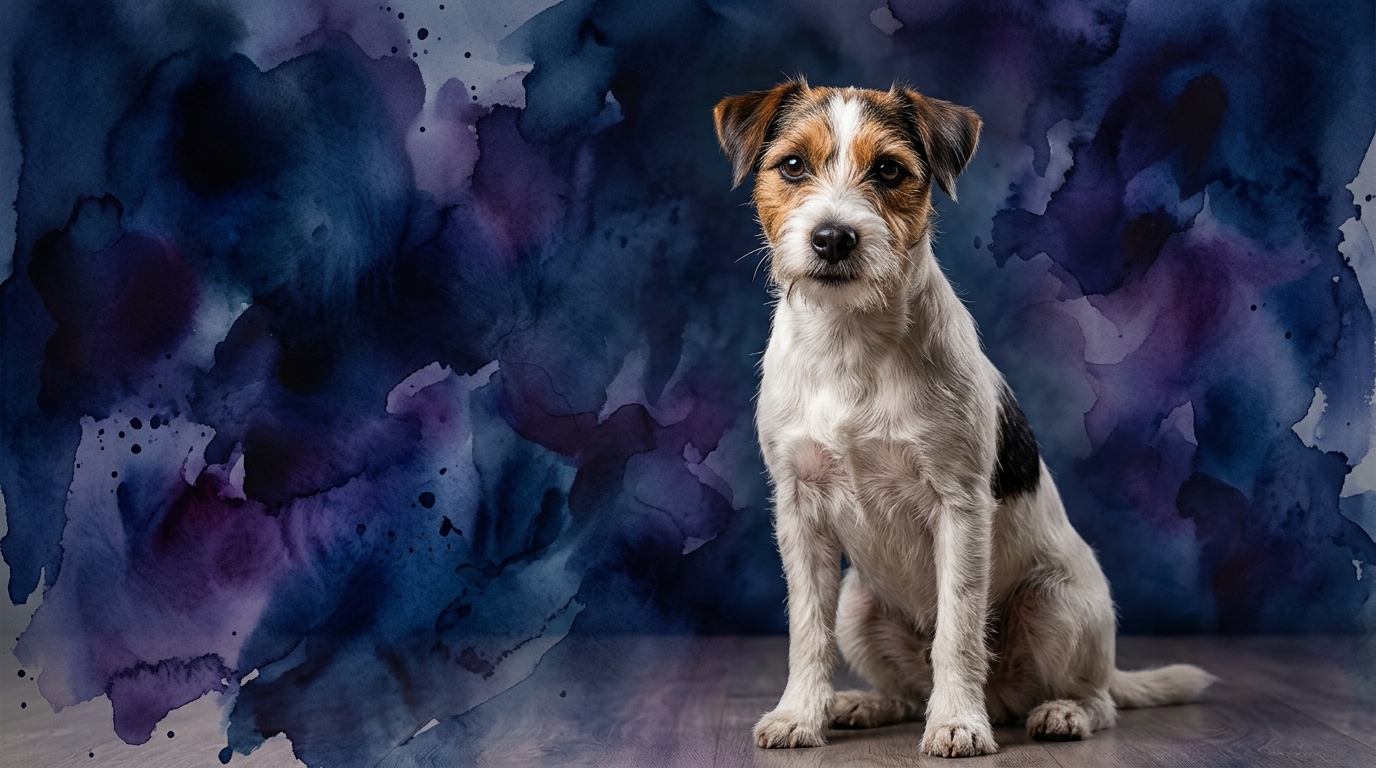
The Parson Russell Terrier, a true Terrier breed, offers a different set of cognitive strengths. They share the same moderate Problem Solving score (3/5) as the French Bulldog, though their approach is often characterized by tenacious investigation. Their Training Speed is also moderate (3/5), but their independent nature can sometimes influence perceived compliance. Their Social Intelligence is balanced (3/5), allowing for strong bonds but perhaps less intuitive empathy than their French counterpart. A defining feature is their moderate Instinctive Drive (3/5), reflecting their heritage as energetic hunters with natural inclinations to explore and dig. Like the French Bulldog, their Memory is reliable (3/5), contributing to their adaptability and learning capacity.
Where the French Bulldog Cognitively Excels
The French Bulldog undeniably shines in the realm of social intelligence, scoring a remarkable 5 out of 5. This elevated capacity means they are exceptionally adept at reading human emotions, understanding subtle body language, and seamlessly integrating into family dynamics. They often anticipate their owner's moods and respond with comforting presence or playful engagement, fostering an unusually deep, intuitive connection.
This profound social awareness makes them particularly skilled at navigating complex household relationships and providing emotional support, making them outstanding companions for individuals seeking a dog truly attuned to their emotional state. Their ability to form such strong, empathetic bonds is a cornerstone of their appeal, distinguishing their cognitive makeup significantly from many other breeds.
Where the Parson Russell Terrier Cognitively Excels
Conversely, the Parson Russell Terrier demonstrates a distinct cognitive advantage in its instinctive drive, scoring 3 out of 5 compared to the French Bulldog’s 2. This higher drive translates into a persistent, purposeful approach to engagement with their environment. Their innate inclination to explore, chase, and investigate means they are more self-motivated to engage with tasks that tap into these natural behaviors, making them uniquely suited for activities like scent work, agility, or earthdog trials.
While their problem-solving score is equal, their drive fuels a more active, hands-on method of tackling challenges, often involving energetic investigation and relentless pursuit of an objective. This inherent tenacity allows them to excel in roles requiring focus and persistence, making them formidable partners for owners who appreciate a dog with a strong work ethic and an adventurous spirit.
Training Dynamics: Which Breed Offers a Smoother Path?
When considering ease of training, both breeds share a similar Training Speed score of 3 out of 5, suggesting they learn new commands at a comparable pace. However, their underlying cognitive profiles dictate different training experiences. The French Bulldog's exceptional Social Intelligence (5/5) makes them generally more eager to please and highly responsive to human interaction, often viewing training as a shared bonding activity. They thrive on positive reinforcement and individual attention, making them relatively straightforward to motivate for obedience and tricks, as their primary goal is often to remain close to and interact with their people. Their lower Instinctive Drive (2/5) means fewer strong, competing urges to distract them from training tasks.
In contrast, the Parson Russell Terrier, despite the same Training Speed, brings a higher Instinctive Drive (3/5) and a more balanced Social Intelligence (3/5) to the table. This means while they are capable of learning, their independent spirit and innate curiosity for the environment can make them more challenging to keep focused during training sessions. Their drive to chase or explore might override a desire to comply with a command if not properly managed, requiring a more consistent, patient, and engaging approach to training that cleverly channels their terrier tenacity rather than stifles it. Therefore, for a novice owner, the French Bulldog might present a smoother training journey due to its inherent desire for cooperation and connection.
Matching Breeds to Lifestyles: Active vs. Relaxed Owners
The cognitive and temperamental differences between these two breeds clearly delineate their suitability for varying owner lifestyles. The French Bulldog, with its lower Instinctive Drive (2/5) and profound Social Intelligence (5/5), thrives in a more relaxed, companion-oriented environment. They are content with moderate daily exercise, such as short walks and indoor play, preferring to spend much of their time closely interacting with their human family. Their need for constant companionship and lower physical demands make them an excellent fit for owners who enjoy a calmer pace of life, apartment living, or simply desire a deeply connected, empathetic presence by their side.
Conversely, the Parson Russell Terrier, characterized by its moderate Instinctive Drive (3/5) and energetic disposition, is best suited for active owners. These dogs require significant mental and physical stimulation to prevent boredom and channel their natural terrier tendencies. Owners who enjoy hiking, running, dog sports like agility or earthdog, or simply have ample time for vigorous daily play will find the Parson Russell Terrier an eager and tireless partner. Their cognitive makeup demands an outlet for their investigative spirit and physical prowess, making them ideal for individuals who lead an adventurous, outdoor-oriented lifestyle.
The Verdict
Choose a French Bulldog if you prioritize a deeply empathetic, highly social companion who thrives on close human interaction and fits seamlessly into a more relaxed household routine. Their strong social intelligence makes them exceptionally attuned to family dynamics and emotional states.
Opt for a Parson Russell Terrier if you seek an energetic, tenacious partner for an active lifestyle, capable of engaging in challenging physical and mental pursuits. Their robust instinctive drive makes them excel in activities that leverage their natural curiosity and persistence.
🧠 Find Your Pet's IQ Score
Our Pet IQ Lab assessment covers 25+ tests across 5 cognitive dimensions — personalized to your breed.
Take the Full IQ Test →Frequently Asked Questions
Are French Bulldogs good at learning tricks?
French Bulldogs, with a Training Speed of 3/5 and high Social Intelligence (5/5), are quite capable of learning tricks. They often enjoy the attention and interaction that comes with training, making them receptive to positive reinforcement methods. While not the fastest learners, their desire to please their owners makes them willing participants.
Do Parson Russell Terriers require a lot of mental stimulation?
Yes, Parson Russell Terriers definitely benefit from significant mental stimulation due to their moderate Instinctive Drive (3/5) and inherent curiosity. Activities like puzzle toys, obedience training, scent work, and agility are excellent ways to engage their minds and prevent boredom, which can otherwise lead to mischievous behaviors.
Which breed is more independent?
The Parson Russell Terrier tends to be more independent, driven by its terrier heritage and higher instinctive drive. While they form strong bonds, they possess a self-reliant spirit and a greater inclination to explore their environment independently. The French Bulldog, with its exceptional social intelligence, is generally more dependent on human companionship and interaction.