
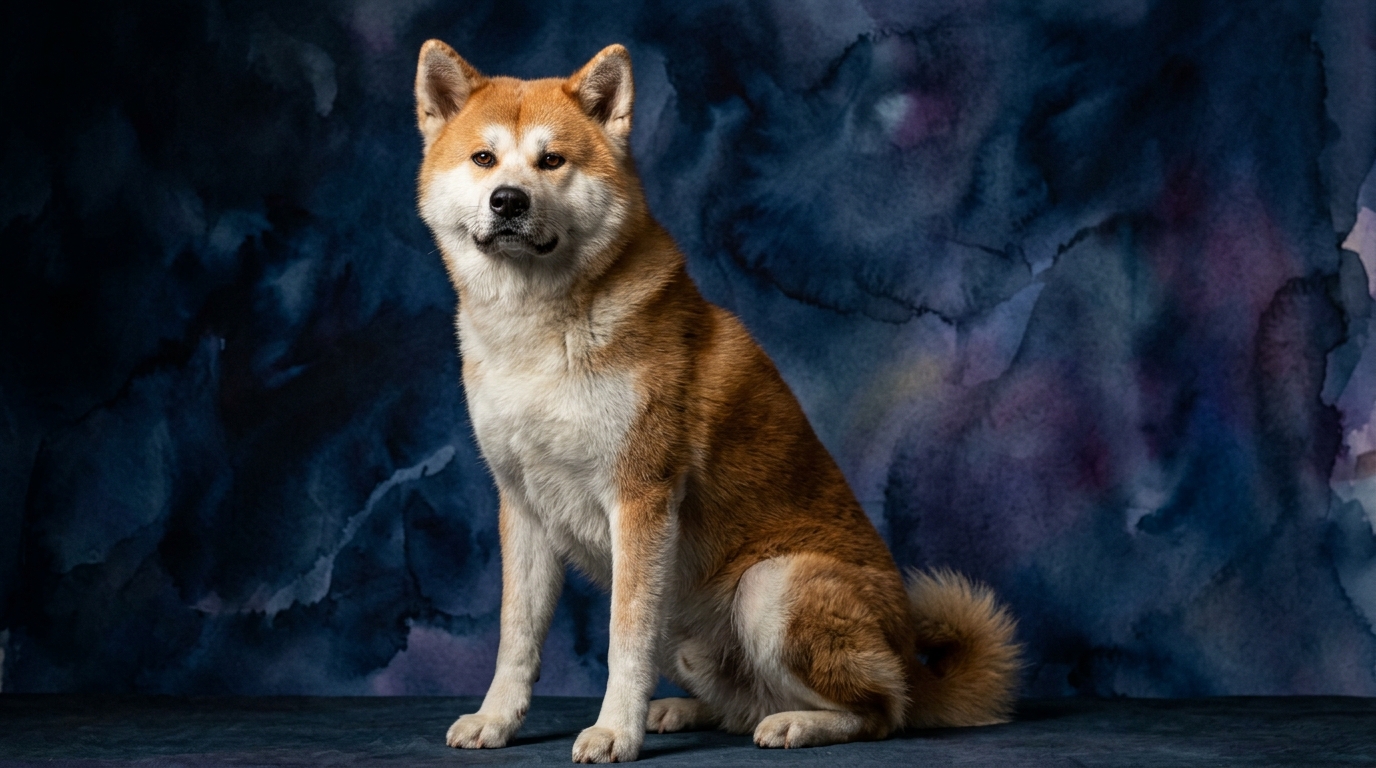
Side-by-Side IQ Profile: GSP vs. Akita
The German Shorthaired Pointer (GSP), ranked #17 by Coren and classified in the Sporting group, exhibits a cognitive profile geared towards active partnership and complex tasks. Their Problem Solving score of 5/5 indicates a remarkable ability to assess and navigate novel situations, while their Training Speed of 4/5 means they absorb new commands and routines with efficiency. A Social Intelligence of 4/5 reflects their aptitude for reading human cues and forming communicative bonds. Their Instinctive Drive, also a perfect 5/5, fuels their intense desire to work, particularly in scent and retrieval. Finally, a Memory score of 4/5 ensures they retain learned information and experiences with clarity.
In contrast, the Akita, a Working breed ranked #54 by Coren, presents a distinct cognitive makeup. Their Problem Solving is rated 3/5, suggesting a capacity for independent thought and pattern recognition, though perhaps less reliance on immediate human direction. A Training Speed of 2/5 points to their independent streak, requiring patience and creative motivation during learning. Their Social Intelligence, at 3/5, indicates a reserved nature, forming deep bonds within their family but often remaining aloof with strangers. Like the GSP, the Akita boasts a 5/5 Instinctive Drive, manifesting as powerful guardian instincts and a strong territorial nature. Their Memory is a solid 4/5, allowing them to recall past interactions and lessons effectively.
Where the German Shorthaired Pointer Wins Cognitively
The GSP's cognitive edge lies significantly in its collaborative intelligence and adaptability, particularly evident in its superior Problem Solving (5/5 vs. Akita's 3/5). This breed excels at quickly analyzing new environments or challenges, devising and executing solutions with an almost intuitive understanding of cause and effect. Whether it's navigating a complex agility course or figuring out how to retrieve a hidden object, the GSP's mental agility allows for rapid and effective responses, making them exceptional partners in dynamic activities.
Their Training Speed of 4/5 further highlights their cognitive advantage in learning and biddability compared to the Akita's 2/5. GSPs possess an eagerness to engage in training, often picking up new commands and sequences after only a few repetitions. This receptiveness stems from their strong desire to work alongside their human companions, making the training process a cooperative and rewarding experience. This isn't just about speed; it's about a cognitive framework that prioritizes shared objectives and responsiveness to human instruction.
Moreover, the GSP's 4/5 Social Intelligence outpaces the Akita's 3/5, enabling them to read and interpret human emotions and intentions with greater nuance. This heightened social awareness fosters a more communicative and harmonious partnership, allowing the GSP to anticipate needs and react appropriately within a family setting. Their cognitive design is optimized for interaction and partnership, making them highly attuned to their environment and their human's role within it.
Where the Akita Wins Cognitively
While both breeds score 5/5 on Instinctive Drive, the Akita's manifestation of this trait represents a distinct cognitive strength: an unparalleled, self-reliant vigilance and protective resolve. Their powerful territorial and guarding instincts mean they are constantly processing their surroundings for potential threats, a highly specialized form of cognitive assessment aimed at ensuring the safety of their family and domain. This isn't merely a physical impulse; it's a deeply ingrained mental framework that prioritizes security, leading to an unwavering loyalty and a formidable, self-assured presence.
The Akita's Problem Solving score of 3/5, though lower than the GSP's, reflects an independent cognitive style that can be a significant advantage in certain contexts. Akitas are not always seeking human direction; they are capable of assessing situations and making decisions based on their own judgment. This self-reliance, honed over centuries as guardians and hunters in challenging environments, requires a unique form of cognitive processing that prioritizes internal logic and decisive action over constant external guidance. They possess a steadfastness in their convictions that stems from this independent thought.
Their 4/5 Memory, combined with their potent instinctive drive, enables Akitas to retain detailed information about their environment, social interactions, and past experiences. This deep recall contributes significantly to their consistent protective behaviors and their ability to form profound, albeit often reserved, connections with their inner circle. They remember who belongs and who does not, and they remember perceived injustices, contributing to their reputation for discerning loyalty and a strong sense of personal boundaries.
Which is Easier to Train and Why
When considering ease of training, the German Shorthaired Pointer holds a clear advantage due to its integrated cognitive profile. With a Training Speed of 4/5 and Social Intelligence of 4/5, GSPs are inherently more biddable and eager to collaborate. Their desire to please and work alongside their human companions means they respond readily to positive reinforcement and consistent instruction. They quickly grasp new commands, enjoying the mental stimulation of learning and the physical satisfaction of executing tasks. Their high Problem Solving (5/5) also means they are adept at understanding the 'why' behind commands, making complex sequences easier to teach and retain. Training a GSP often feels like a partnership, driven by mutual engagement and a shared purpose.
The Akita, with a Training Speed of 2/5 and Social Intelligence of 3/5, presents a different training dynamic. While capable of learning and possessing a solid Memory (4/5), their independent nature means they are often less inclined to blindly follow commands. Training an Akita requires immense patience, consistency, and a deep understanding of canine behavior. They learn best when motivated by something that appeals to their self-interest or strengthens their bond with their owner, rather than simply seeking approval. Their strong Instinctive Drive (5/5) means they might prioritize their own assessment of a situation, especially if it involves perceived threats, over a command. This doesn't mean they are untrainable, but rather that their cognitive process demands a more thoughtful, nuanced approach from the trainer, respecting their inherent self-reliance.
Which Suits Active Owners vs. Independent Companion Seekers
German Shorthaired Pointers, with their profound Problem Solving (5/5) and Instinctive Drive (5/5), are built for constant mental and physical engagement. They require an owner committed to providing extensive daily exercise, complex training, and interactive activities such as field work, dog sports, or long runs. Their cognitive satisfaction comes from collaborative mental challenges and vigorous physical exertion, making them ideal for truly active individuals or families who desire a working partner. An owner unable to meet these needs may find their GSP developing undesirable behaviors born from boredom and unchanneled energy.
Akitas, while requiring significant exercise themselves, appeal to owners who appreciate an independent and vigilant companion. Their cognitive profile, characterized by a 3/5 Problem Solving and 3/5 Social Intelligence alongside a 5/5 Instinctive Drive, means they are content with being a watchful presence, patrolling their domain, and engaging in focused, shorter bursts of activity rather than endless interactive games. They need an owner who respects their reserved nature and provides consistent, firm guidance, understanding that their cognitive satisfaction often stems from their role as a protector and loyal, albeit not always overtly demonstrative, companion. They are not for a sedentary owner, but rather for one who values a self-possessed dog that thrives on clear leadership and a strong, quiet bond.
The Verdict: When to Choose Each Breed
The Verdict
If you seek an eager, biddable, and highly interactive partner for sports, hunting, and constant engagement, the German Shorthaired Pointer's collaborative intelligence is an excellent match.
Opt for the Akita if you value an independent, loyal, and vigilant companion who thrives on a strong bond and clear leadership, appreciating their unique self-reliant cognitive style.
🧠 Find Your Pet's IQ Score
Our Pet IQ Lab assessment covers 25+ tests across 5 cognitive dimensions — personalized to your breed.
Take the Full IQ Test →Frequently Asked Questions
Is a German Shorthaired Pointer difficult to live with due to its high drives?
A GSP's 5/5 Instinctive Drive requires consistent outlets; without proper mental and physical stimulation, they can become restless or destructive. Owners must commit to channeling this energy positively through training and activity to ensure a well-adjusted companion.
Do Akitas get along with other pets and children?
Akitas, with their 3/5 Social Intelligence and strong instinctive drives, often do best as the only dog in a household and require careful, early socialization with other animals and children. Their protective nature means supervision is always key to managing interactions safely.
How much daily exercise does each breed need to stay cognitively content?
German Shorthaired Pointers typically need at least 1-2 hours of vigorous exercise daily, including mentally stimulating tasks like scent work or agility. Akitas also require daily exercise, often 30-60 minutes of brisk activity, but their cognitive needs are met more through their guarding role and consistent routine.