Side-by-Side Cognitive Profiles
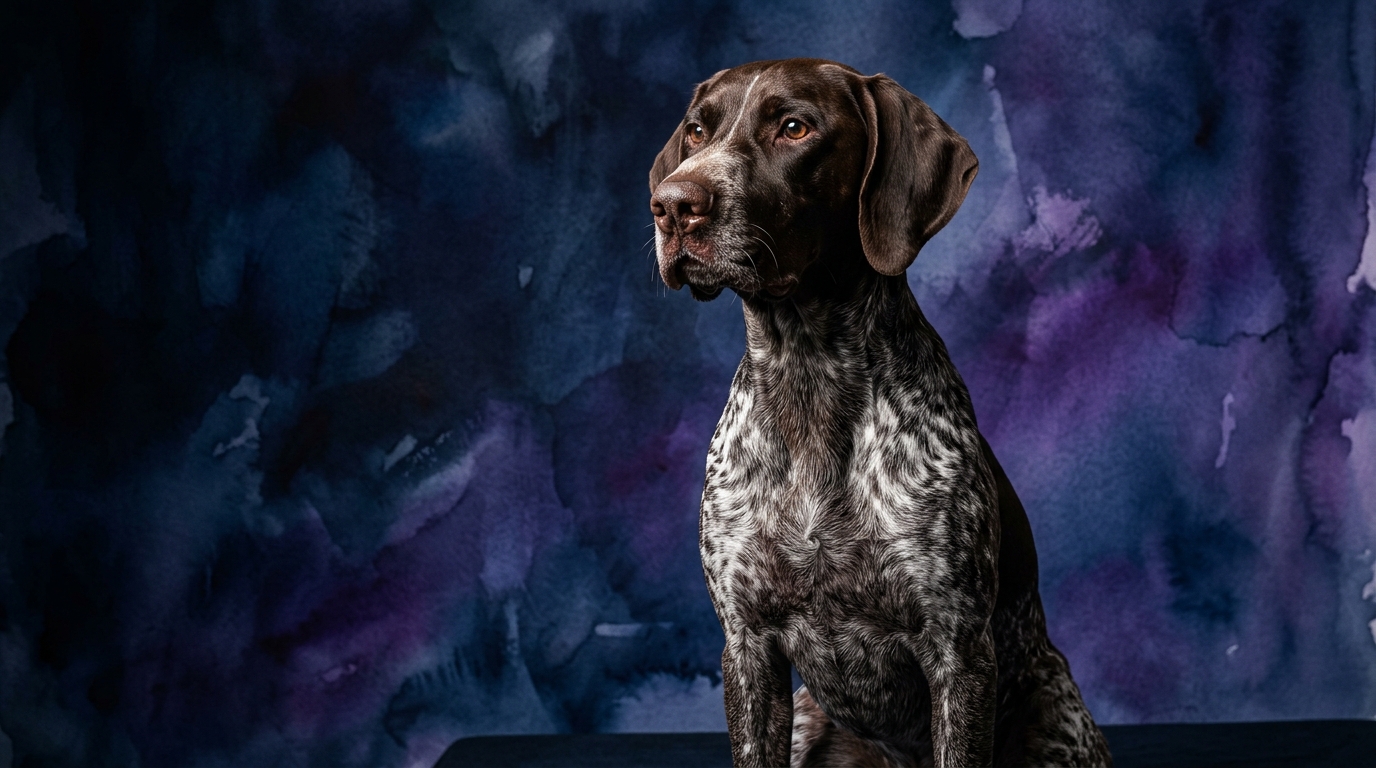
The Cosmic Pet Pet IQ Lab provides a comprehensive framework for understanding canine cognitive strengths, ranking breeds across five key dimensions. For the German Shorthaired Pointer (GSP), a Sporting group member with a Coren rank of #17, its profile reflects a working heritage. Their Problem Solving aptitude is rated 5/5, indicating an exceptional capacity for independent thought and strategic action in complex scenarios. Training Speed registers at 4/5, suggesting a quick grasp of new commands, though their drive may require focused redirection. Social Intelligence sits at 4/5, showing a strong ability to connect but perhaps prioritizing tasks. An impressive Instinctive Drive of 5/5 underscores their powerful genetic programming for hunting tasks, while Memory at 4/5 enables them to retain intricate sequences and spatial information critical for their work.
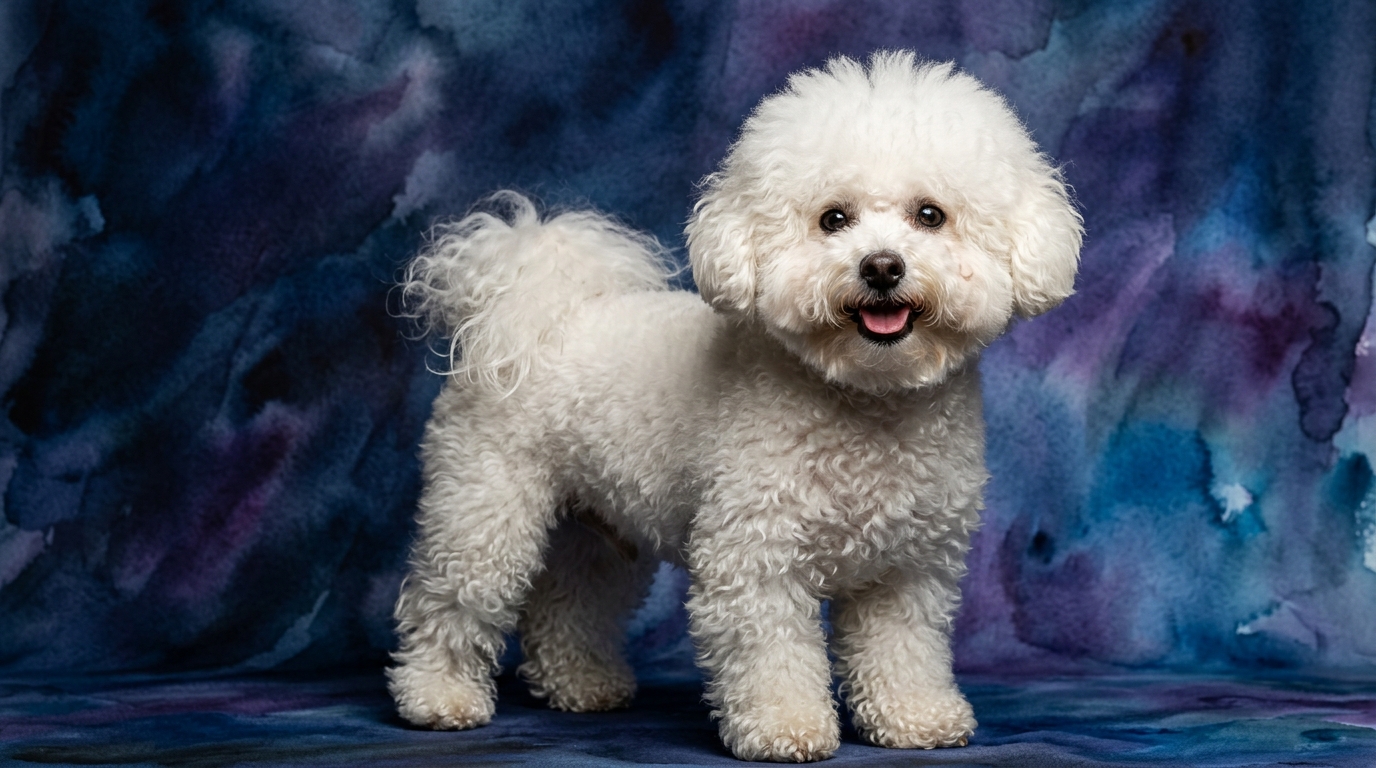
In contrast, the Bichon Frisé, a Non-Sporting companion breed with a Coren rank of #45, presents a distinct cognitive makeup tailored for domestic life. Their Problem Solving ability is rated 3/5, indicating competence in navigating their immediate environment and learning routines, but less inclination towards complex, independent strategizing. Training Speed is 3/5, signifying a moderate learning pace that thrives on positive reinforcement and consistency. Where the Bichon truly shines is in Social Intelligence, earning a perfect 5/5 for an outstanding capacity for emotional connection and understanding human social cues. Their Instinctive Drive is a low 2/5, reflecting minimal inherent drive for traditional working tasks; their primary instinct is often companionship. Memory for the Bichon Frisé is 3/5, good for daily routines and people, but less geared towards remembering intricate sequences or extensive spatial information.
Where the German Shorthaired Pointer Wins Cognitively
The German Shorthaired Pointer's cognitive strengths are deeply rooted in its purpose as a versatile hunting dog. Their superior Problem Solving (5/5) isn't about solving puzzles in a lab; it's about real-time, adaptive decision-making in dynamic environments. Imagine a GSP tracking a scent through varied terrain, making split-second choices to navigate obstacles, interpret subtle scent changes, and outmaneuver prey—this is their cognitive forte. Their ability to strategize in the field, determining the most efficient path or the optimal moment to point, demonstrates a sophisticated spatial reasoning and predictive capacity.
Complementing this is their profound Instinctive Drive (5/5). This isn't merely a physical urge but a powerful cognitive motivator. It means their brain is hardwired to process information related to scent, movement, and the hunt with unparalleled focus and efficiency. This drive fuels their persistence and resilience, allowing them to maintain concentration over long periods and diverse challenges. Their Memory (4/5) further supports these tasks, enabling them to recall vast territories, complex scent patterns, and previous encounters, building a mental map of their working world that few other breeds can rival. This cognitive package allows them to excel in roles requiring independent action, sustained focus, and intricate environmental interpretation.
Where the Bichon Frisé Wins Cognitively
The Bichon Frisé's cognitive brilliance lies in its mastery of social dynamics and emotional attunement, reflected in its perfect 5/5 Social Intelligence. This isn't just about being friendly; it's a deep, perceptive understanding of human emotions, intentions, and social cues. A Bichon can often sense a shift in an owner's mood, offering comfort or initiating play at just the right moment. Their ability to adapt their behavior to elicit specific human responses, whether it's a cuddle, a laugh, or reassurance, demonstrates a sophisticated grasp of cause and effect within a social context.
This exceptional social cognition makes them extraordinarily adept companions. They excel at forming strong, empathetic bonds and are highly motivated by interaction and approval. While their Problem Solving (3/5) may not involve complex field strategies, their social problem-solving is unparalleled. They learn how to navigate household routines, understand the nuances of family dynamics, and even subtly 'train' their owners through charming behaviors. Their cognitive focus is less on external tasks and more on the intricate, rewarding world of interspecies communication and affection, making them masters of companionship and emotional support.
Which is Easier to Train and Why
When evaluating ease of training, both Training Speed and Instinctive Drive play crucial roles. The German Shorthaired Pointer, with a Training Speed of 4/5, is often quick to pick up new commands and complex sequences. However, their formidable Instinctive Drive (5/5) means that training must be engaging, consistent, and structured to channel their intense focus and energy. Without adequate mental and physical outlets, a GSP's cognitive drive can manifest as 'self-employment' – finding their own 'work' which might include destructive behaviors or persistent hunting for stimulation. They require an owner who understands how to leverage their natural drive and provide a 'job' for their active mind, whether through dog sports, advanced obedience, or field work.
The Bichon Frisé, with a Training Speed of 3/5, learns at a more moderate pace, but their training process is often perceived as 'easier' for a typical pet owner due to their high Social Intelligence (5/5) and low Instinctive Drive (2/5). Bichons are highly motivated by praise, affection, and social interaction, making positive reinforcement incredibly effective. They are less likely to be distracted by external stimuli or driven by a powerful hunting urge, allowing them to focus on their human's cues within a home environment. While they might take a bit longer to perfect a new trick, their eagerness to please and strong desire for companionship make them highly cooperative pupils for general obedience and polite household manners.
Which Suits Active Owners vs. Relaxed Owners
The cognitive and physical demands of these two breeds naturally align with different owner lifestyles. The German Shorthaired Pointer is an ideal match for active owners who thrive on outdoor adventure and mental engagement. Their 5/5 Instinctive Drive and 5/5 Problem Solving mean they require significant daily exercise, often several hours, and consistent mental challenges. Owners who enjoy running, hiking, biking, hunting, or participating in dog sports like agility, scent work, or dock diving will find a GSP an unparalleled partner. Their brain needs to be as active as their body, and without sufficient outlets, their cognitive energy can lead to frustration and undesirable behaviors. They are not content to be couch potatoes; they need a purpose and a vigorous daily routine.
Conversely, the Bichon Frisé is perfectly suited for more relaxed owners who prioritize companionship and indoor activities. Their high Social Intelligence (5/5) means their primary need is close human interaction and affection, not strenuous physical exertion. While they enjoy daily walks and playtime, they are content with moderate activity levels and thrive in apartment settings or homes with smaller yards. Owners who enjoy cuddles on the sofa, gentle games, and consistent, affectionate interaction will find the Bichon an incredibly rewarding companion. Their cognitive profile is geared towards understanding and responding to their human family, making them excellent choices for those seeking an emotionally attuned, charming presence in their home.
The Verdict
Choose the German Shorthaired Pointer if you are an active individual or family seeking a driven, capable partner for outdoor adventures, dog sports, or a working role, prepared to provide rigorous mental and physical engagement daily.
Choose the Bichon Frisé if you desire an emotionally attuned, charming companion who thrives on close human interaction, enjoys a more relaxed home environment, and will enrich your life with their perceptive social nature.
🧠 Find Your Pet's IQ Score
Our Pet IQ Lab assessment covers 25+ tests across 5 cognitive dimensions — personalized to your breed.
Take the Full IQ Test →Frequently Asked Questions
Is a GSP better at learning tricks than a Bichon?
The German Shorthaired Pointer's higher Training Speed (4/5) suggests they might grasp complex tricks more quickly. However, the Bichon Frisé's strong desire to please and high social intelligence can make them highly cooperative and enthusiastic learners for a wide array of tricks, even with a slightly lower Training Speed (3/5).
Do Bichons suffer from boredom easily?
While Bichons have a lower Instinctive Drive (2/5) compared to a GSP, they can still experience boredom if their need for social interaction and moderate mental stimulation isn't met. Their high Social Intelligence means they thrive on human companionship and can become distressed or exhibit undesirable behaviors if left alone for extended periods without engagement.
How do their memories differ in practical terms?
A GSP's 4/5 Memory is geared towards recalling complex sequences, vast territories, and scent patterns, crucial for hunting and detailed tasks. A Bichon's 3/5 Memory is more focused on remembering daily routines, people, and social cues within their immediate environment, making them reliable in household habits and recognizing familiar faces.