
Side-by-Side IQ Profile: Unpacking Canine Cognition
The Cosmic Pet Pet IQ Lab employs a five-dimensional framework to assess canine intelligence, offering a nuanced view of how different breeds process the world. For the German Shorthaired Pointer (GSP), a distinguished Sporting dog ranked #17 by Stanley Coren, its scores reflect a highly adaptable and cooperative working partner. Its Problem Solving is rated 5/5, indicating exceptional capacity to navigate complex situations and devise effective solutions, often in dynamic outdoor environments. Training Speed stands at 4/5, suggesting a quick uptake of new commands and routines, though not without an independent streak. Social Intelligence, at 4/5, points to a strong ability to interpret human cues and desires, fostering a deep working bond. An Instinctive Drive of 5/5 underscores an intense, focused passion for hunting-related tasks, particularly scent work and retrieval. Finally, its Memory at 4/5 allows for the retention of intricate patterns, routes, and learned behaviors over time.
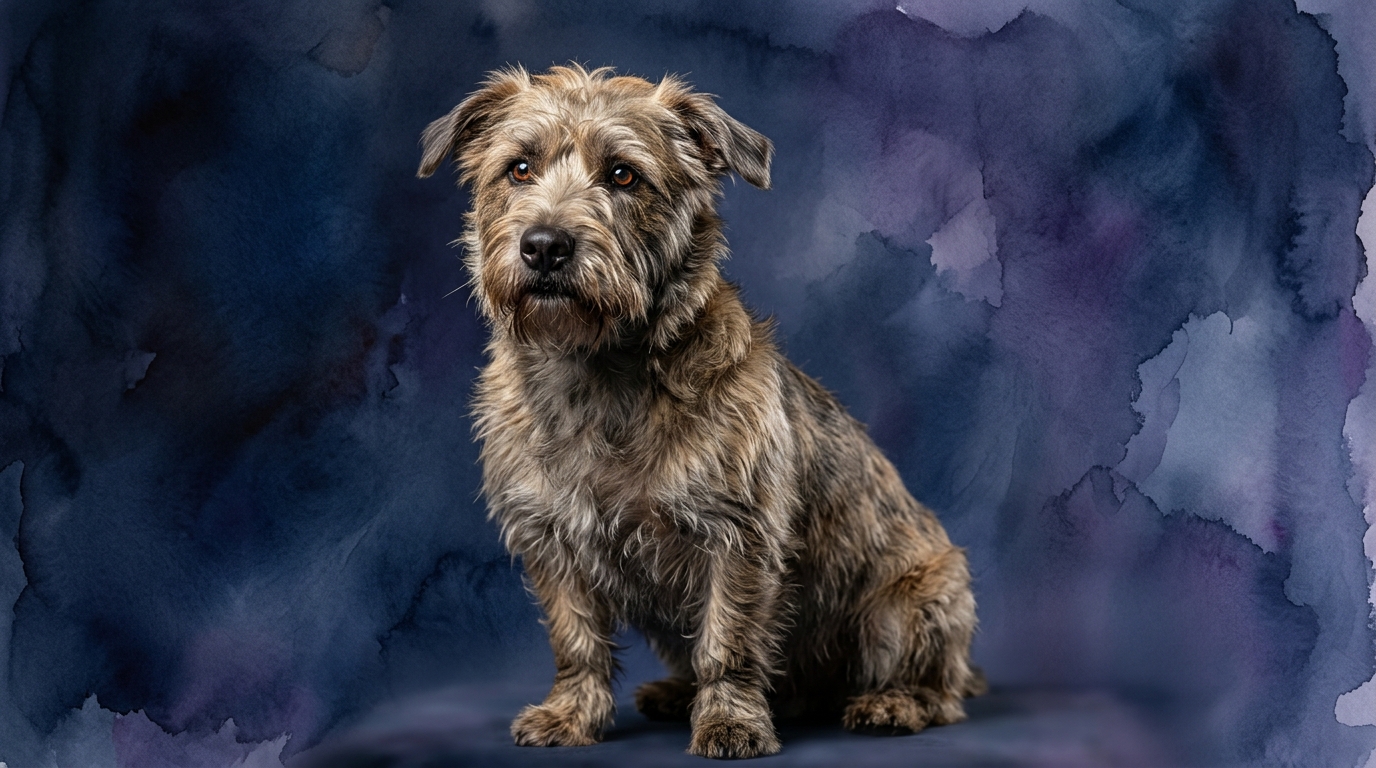
In contrast, the Glen of Imaal Terrier (GOIT), a less common Terrier breed without a Coren ranking, presents a profile tailored for different challenges. Its Problem Solving is rated 3/5, demonstrating practical cunning for specific tasks like navigating underground tunnels or outwitting vermin, rather than broad, abstract challenges. Training Speed also sits at 3/5, indicating that while capable of learning, it often requires more patience and creative motivation due to a characteristic terrier independence. Social Intelligence, at 3/5, suggests a strong bond with its inner circle but a more reserved or self-contained approach compared to the overtly people-focused GSP. Its Instinctive Drive, rated 3/5, is a tenacious, persistent focus on its quarry, emphasizing grit over speed or range. Memory, like other dimensions, is 3/5, sufficient for remembering routines and experiences within its familiar world, but perhaps not for the vast, detailed recall of a field dog.
Where the German Shorthaired Pointer Shines Cognitively
The German Shorthaired Pointer's cognitive strengths are deeply rooted in its heritage as a versatile hunting companion. Its 5/5 Problem Solving ability means it excels at tasks requiring multi-stage planning and adaptation in varied, unpredictable terrains. Imagine a GSP tracking game through dense brush, navigating obstacles, and adjusting its approach based on scent changes – this requires rapid, real-time cognitive processing. They demonstrate a remarkable capacity for 'reading' the environment and making tactical decisions without constant human direction, then seamlessly re-engaging with their handler. This prowess extends beyond hunting, making them adept at complex dog sports like advanced obedience, agility, and tracking trials where intricate sequences and quick thinking are paramount.
Furthermore, the GSP's combined 4/5 Social Intelligence and 4/5 Memory contribute to a partnership quality that few breeds match. They are not merely following commands; they are actively collaborating. Their ability to remember a wide array of commands, hand signals, and even subtle body language cues from their handler, then integrate these with their powerful instinctive drives, sets them apart. This cognitive flexibility allows them to switch between different tasks or roles with relative ease, from pointing to retrieving, reflecting a sophisticated understanding of their role within a team dynamic.
Where the Glen of Imaal Terrier Demonstrates Unique Cognitive Strengths
While the Glen of Imaal Terrier's scores might appear lower, they reflect a different kind of mental aptitude, perfectly suited to its original purpose. Its 3/5 Problem Solving and 3/5 Instinctive Drive manifest as an unwavering tenacity and a specific, focused cunning. These dogs were bred to work independently underground, facing dangerous prey in confined spaces. This demands a resilient, persistent mind that doesn't give up, and a practical intelligence for navigating tight spots and outsmarting quarry through sheer determination rather than speed or complex strategy. They are masters of sustained effort, pushing through physical and mental challenges with a quiet resolve.
The GOIT's 3/5 Social Intelligence, combined with its 3/5 Training Speed, means it forms deep, often singular bonds with its family. While not as overtly people-pleasing as a GSP, their loyalty is profound and expressed through a more self-possessed demeanor. Their cognitive strength lies in their independence; they are not easily flustered or swayed, maintaining a steadfast resolve once they've committed to a task or a person. This self-reliance means they can entertain themselves and make their own decisions in a way that a GSP, constantly seeking interaction and direction, might not, offering a different kind of companionship that values quiet presence and inner strength.
Training Dynamics: GSP's Eagerness vs. GOIT's Tenacity
When it comes to training, the behavioral differences between these two breeds are quite pronounced, directly correlating with their IQ scores. The German Shorthaired Pointer, with its 4/5 Training Speed and 4/5 Social Intelligence, typically approaches training with an enthusiastic, cooperative spirit. They grasp new concepts quickly and are eager to please their handler, driven by a strong desire for engagement and a clear understanding of human expectations. Their excellent memory and problem-solving abilities mean they can learn complex command sequences and adapt to different training environments with relative ease. This often translates to rapid progress in obedience, field work, and dog sports, provided their owner can match their energy and channel their strong instinctive drives effectively.
The Glen of Imaal Terrier, conversely, presents a different training journey due to its 3/5 Training Speed and inherent terrier independence. These dogs are not inherently driven to 'please' in the same way a GSP is; their motivation stems more from their own interests and desires. Training a GOIT requires immense patience, consistency, and a deep understanding of positive reinforcement to make tasks appealing. They are capable learners, but their problem-solving tends to be applied to figuring out how to get what *they* want, rather than what the human wants. Owners must be creative in making training a game, focusing on engagement and rewarding their distinct tenacity, rather than expecting swift, compliant obedience. Behavioral challenges might arise from their single-minded focus if not properly directed, requiring careful management and early socialization.
Matching Minds to Lifestyles: Active Explorers vs. Resilient Companions
The cognitive profiles of the GSP and GOIT dictate vastly different ideal living situations and owner types. A German Shorthaired Pointer thrives with active owners who can provide consistent mental and physical stimulation. Their 5/5 Instinctive Drive and 5/5 Problem Solving demand an outlet for their boundless energy and sharp minds. This means daily, vigorous exercise – running, hiking, swimming – coupled with engaging mental work like advanced training, scent games, or even actual field work. Owners who enjoy outdoor sports, hunting, or competitive dog activities will find an unparalleled partner in a GSP. A relaxed owner who cannot provide this level of engagement may find a GSP becomes restless, devising its own (often undesirable) problem-solving projects out of boredom.
The Glen of Imaal Terrier, while still requiring regular exercise and mental engagement, suits a different pace. Its 3/5 Instinctive Drive is tenacious but less frenetic, and its 3/5 Social Intelligence means it's content with less constant direct interaction than a GSP. They are resilient companions for owners who appreciate a dog with a sturdy, independent spirit. While they enjoy walks and purposeful activities, they do not demand the same intensity or duration of physical output as a GSP. Owners who are more relaxed but still committed to consistent, positive training and who appreciate a dog that can be self-sufficient around the home will find a GOIT a rewarding fit. They are less about constant motion and more about determined, focused activity and quiet companionship.
The Verdict
Choose a German Shorthaired Pointer if you seek an exceptionally adaptable, cooperative, and high-energy partner for active outdoor pursuits and advanced training challenges. Their keen mind and drive demand an owner who can consistently engage them in both physical and mental endeavors.
Opt for a Glen of Imaal Terrier if you value a tenacious, independent, and resilient companion with a quieter yet determined spirit, suitable for an owner who appreciates focused engagement and consistent, patient training for a self-possessed terrier.
🧠 Find Your Pet's IQ Score
Our Pet IQ Lab assessment covers 25+ tests across 5 cognitive dimensions — personalized to your breed.
Take the Full IQ Test →Frequently Asked Questions
Is the German Shorthaired Pointer a good family dog?
Yes, GSPs can be excellent family dogs when their significant exercise and mental stimulation needs are consistently met. Their social intelligence allows them to bond well with family members, but their high energy requires patient integration, especially with very young children.
What kind of mental stimulation does a Glen of Imaal Terrier need?
Glen of Imaal Terriers benefit from mental stimulation that taps into their problem-solving and instinctive drive, such as puzzle toys, scent work, earthdog trials, or consistent, engaging obedience training. These activities provide an outlet for their tenacious nature and independent thought.
Which breed is better for a first-time dog owner?
Neither breed is typically recommended for an absolute novice due to their specific needs and strong working drives. However, a German Shorthaired Pointer might be slightly more manageable for a committed first-timer willing to invest heavily in training and exercise, while a Glen of Imaal Terrier's independence and stubborn streak can be more challenging without prior terrier experience.