Side-by-Side IQ Profile: Pointers and Swissies
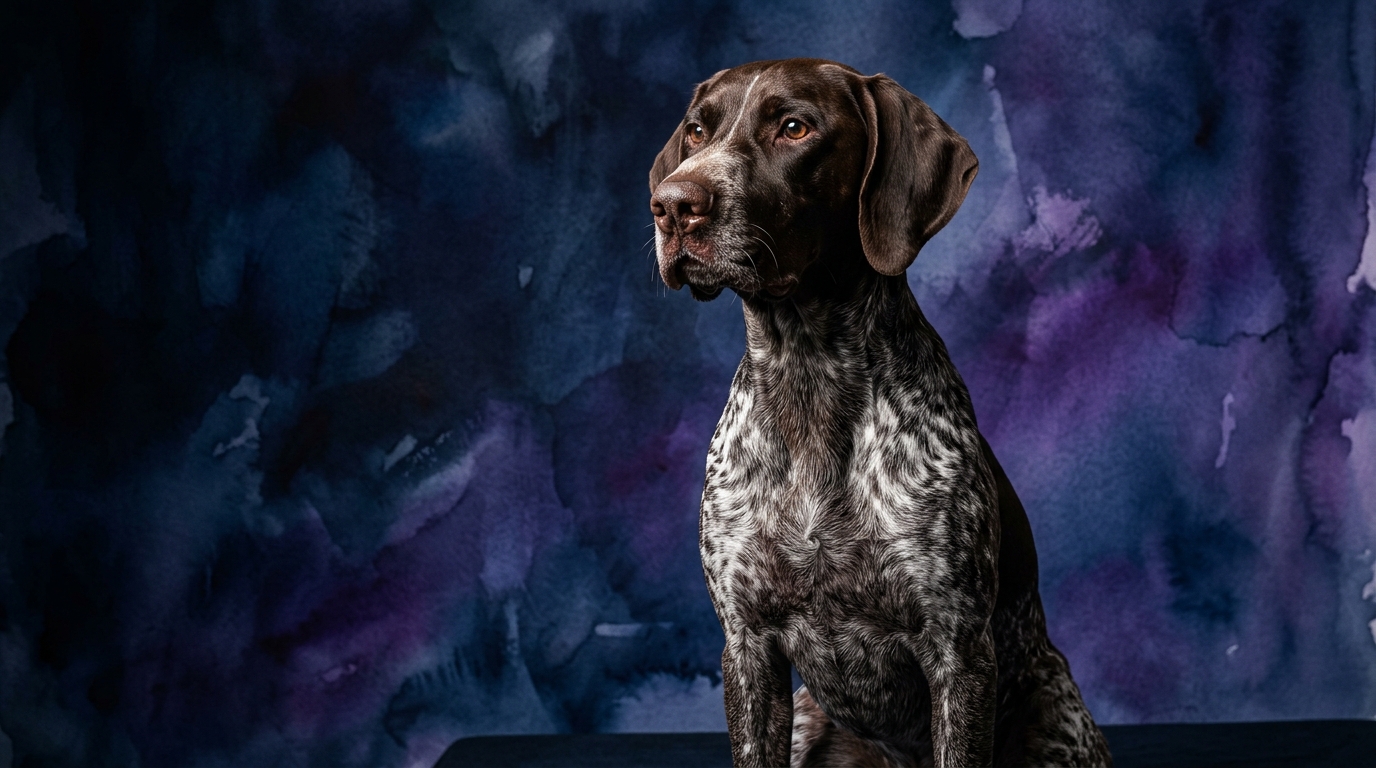
The German Shorthaired Pointer (GSP), a Sporting group marvel, consistently demonstrates a keen intellect, reflected in its Coren ranking of #17. Our Cosmic Pet Pet IQ Lab assessment highlights their exceptional Problem Solving at 5/5, indicating a quick, adaptable mind capable of navigating complex scenarios. Their Training Speed registers at 4/5, suggesting a rapid grasp of commands and a desire to learn. Social Intelligence is also strong at 4/5, enabling them to form deep bonds and understand human cues. A defining characteristic is their Instinctive Drive, an impressive 5/5, which speaks to their powerful, ingrained hunting instincts. Finally, their Memory is solid at 4/5, allowing them to retain learned behaviors and spatial awareness effectively.
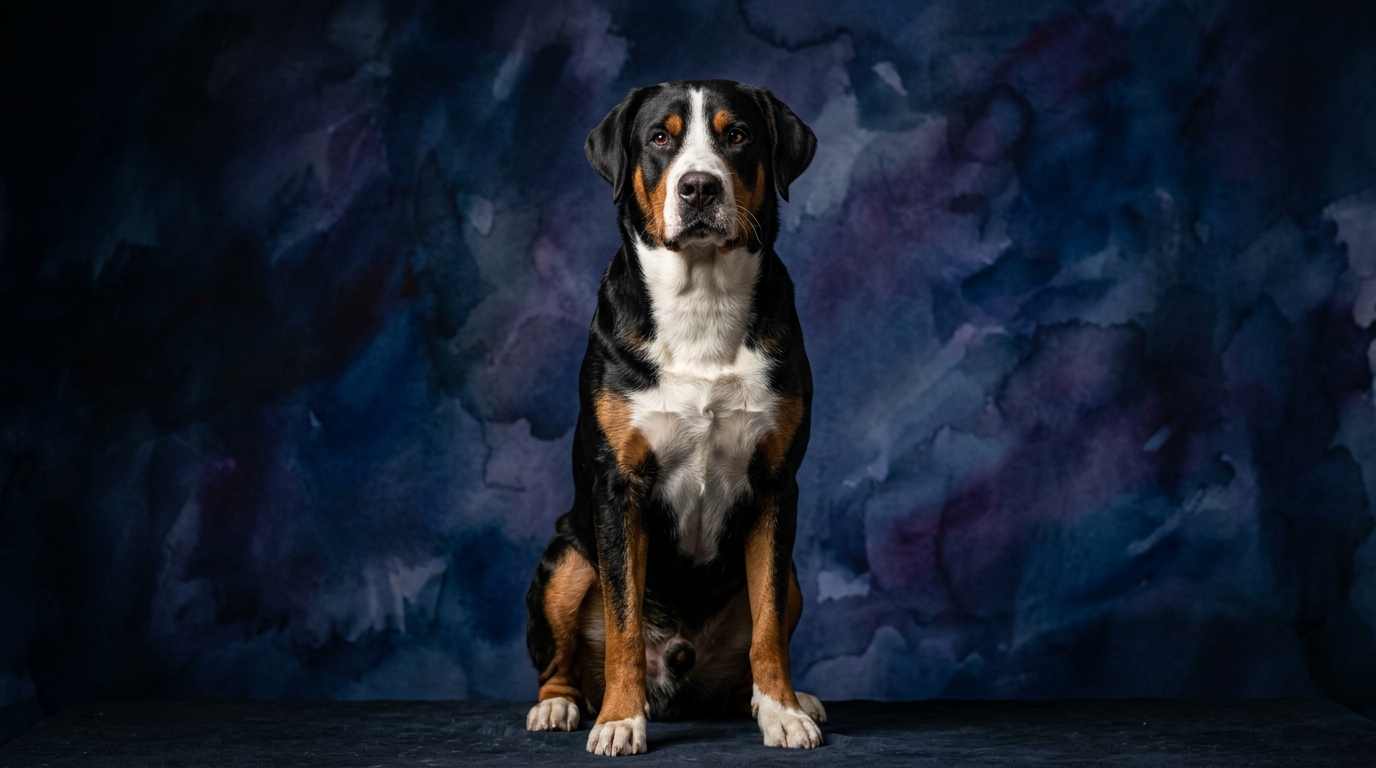
In contrast, the Greater Swiss Mountain Dog (GSMD), a robust member of the Working group, presents a different cognitive blueprint, not currently included in Coren's ranking system. Our IQ Lab data places their Problem Solving at a steady 3/5, indicating a methodical, deliberate approach to new challenges rather than instantaneous adaptation. Their Training Speed is 3/5, meaning they learn reliably but at a more unhurried pace. Social Intelligence also scores 3/5, reflecting a calm, observant understanding of their environment and family. Their Instinctive Drive, at 3/5, is geared towards protection, drafting, and companionship rather than prey pursuit. Similarly, their Memory is a consistent 3/5, supporting their role as a dependable, routine-oriented companion.
Where the German Shorthaired Pointer Wins Cognitively
The German Shorthaired Pointer truly shines in areas demanding rapid cognitive processing and intense focus. Their 5/5 Problem Solving isn't just about figuring out puzzle toys; it translates to an uncanny ability to assess and react to dynamic situations in the field, whether it's navigating dense cover to locate game or quickly understanding a complex sequence of commands during agility training. This quick-wittedness allows them to adapt on the fly, making them exceptional partners for intricate tasks.
Their 5/5 Instinctive Drive is a profound cognitive advantage, deeply embedding a purpose-driven mindset. This isn't merely a physical urge; it’s a mental framework that prioritizes scent detection, pointing, and retrieving with unparalleled concentration. This drive fuels their motivation and allows them to maintain focus on a task for extended periods, making them relentless and effective in their traditional roles. Coupled with their 4/5 Training Speed, GSPs can absorb and apply new information with remarkable efficiency, often requiring fewer repetitions to master a skill. Their memory (4/5) supports this, ensuring that once a task is learned, it is deeply ingrained and readily recalled, crucial for complex hunting patterns or competitive sports.
Where the Greater Swiss Mountain Dog Wins Cognitively
While the Greater Swiss Mountain Dog's cognitive scores are generally moderate, they represent a distinct and valuable set of strengths, particularly suited to their historical roles. Their 3/5 Social Intelligence, for instance, isn't about being overtly 'eager to please' but rather a quiet, observant understanding of their family's routines and emotional states. They possess a steady, reliable presence, often anticipating needs or reacting appropriately to household dynamics without needing constant instruction or high-energy engagement. This manifests as a calm, unwavering companionship.
The GSMD's 3/5 Instinctive Drive, unlike the GSP's prey-focused intensity, is centered on guardianship, loyalty, and a strong sense of territory. This translates cognitively into a perceptive awareness of their surroundings and a steadfast commitment to their 'flock' – their human family. They are less prone to distraction by small game or fleeting stimuli, instead maintaining a grounded focus on their immediate environment and the well-being of those they consider their own. Their 3/5 Memory, though not for rapid-fire command sequences, is highly effective for retaining established routines, boundaries, and the identity of trusted individuals, contributing to their dependable nature and making them predictable and stable family members.
Their 3/5 Problem Solving, while not about speed, is characterized by a thoughtful, persistent approach. A Swissy might take longer to figure out a new puzzle, but once they grasp the solution, they apply it consistently and reliably. This makes them excellent at tasks requiring endurance and steadiness, such as carting or structured farm work, where deliberation and strength of purpose outweigh instantaneous reaction.
Which is Easier to Train and Why
When it comes to ease of training, the German Shorthaired Pointer generally holds an edge due to their higher scores in Training Speed (4/5) and Problem Solving (5/5). GSPs typically pick up new commands and concepts quickly, often requiring fewer repetitions. Their strong Instinctive Drive (5/5) means they are inherently motivated by tasks that tap into their natural inclinations, such as retrieving or scent work. However, this same drive, combined with their boundless energy, means training must be engaging, consistent, and mentally stimulating to prevent boredom or the development of independent, self-directed behaviors. They thrive on positive reinforcement and clear expectations, but a bored GSP can quickly become a mischievous GSP.
The Greater Swiss Mountain Dog, with a Training Speed of 3/5, requires a more patient and consistent approach. They absorb information steadily rather than rapidly, meaning owners should be prepared for more repetitions and a slower progression through training stages. Their Problem Solving (3/5) is less about quick adaptation and more about methodical understanding; once a Swissy understands 'why' a command is given and what the expectation is, they will perform it reliably. They respond best to positive, low-pressure training methods that build trust and confidence. While their Instinctive Drive (3/5) is not as intense as the GSP's, it means they are less likely to be distracted by external stimuli, making them more focused on the trainer once they engage. Their more deliberate pace means they are less likely to become overstimulated or frustrated by repetitive drills, provided the training is clear and rewarding.
Cognitive Fit: Active Owners vs. Relaxed Owners
For owners seeking an active, engaged partner, the German Shorthaired Pointer is an undeniable match. Their high Problem Solving (5/5), robust Training Speed (4/5), and intense Instinctive Drive (5/5) demand an owner who can consistently provide significant mental and physical outlets. These dogs thrive in environments where they can run, explore, and engage in challenging activities like hunting, agility, or competitive obedience. Their cognitive makeup means they are constantly seeking stimulus and purpose; a GSP left without adequate engagement will invent their own 'problems' to solve, which often translates into undesirable behaviors. They need an owner who is as enthusiastic about activity and learning as they are.
The Greater Swiss Mountain Dog, while still requiring regular exercise and mental engagement, suits a different pace of life. Their moderate scores across the board (3/5 for Problem Solving, Training Speed, Social Intelligence, Instinctive Drive, and Memory) indicate a dog that appreciates routine, steady companionship, and purposeful, yet not frantic, activity. They are content with daily walks, carting, or engaging in scent games that stimulate their methodical problem-solving. Owners who appreciate a calm, observant presence, a dog that is reliable and steadfast rather than constantly seeking the next challenge, will find a wonderful companion in the Swissy. They are excellent family dogs for those who enjoy outdoor activities but don't need a partner for extreme sports or intense, daily high-impact training sessions.
The Verdict
Choose the German Shorthaired Pointer if you seek a partner for high-energy pursuits, thriving on complex training, and relentless outdoor adventures, valuing a quick-witted, driven companion.
Opt for the Greater Swiss Mountain Dog if you desire a steadfast, observant companion who appreciates routine, moderate activity, and offers a calm, reliable presence in your home and life.
🧠 Find Your Pet's IQ Score
Our Pet IQ Lab assessment covers 25+ tests across 5 cognitive dimensions — personalized to your breed.
Take the Full IQ Test →Frequently Asked Questions
Are German Shorthaired Pointers good family dogs?
Yes, with proper exercise and mental stimulation, GSPs can be affectionate and loyal family members. Their high energy and strong drives mean they do best with active families who can provide consistent training and engagement, especially around very young children.
What kind of mental stimulation does a Greater Swiss Mountain Dog need?
GSMDs benefit from puzzle toys that engage their steady problem-solving, scent work, carting, and consistent, positive reinforcement training. Activities that reinforce their role as a stable, observant companion, like practicing polite greetings or learning new household routines, also engage their practical memory.
How do the instinctive drives differ between these two breeds?
The GSP's 5/5 instinctive drive is primarily focused on scenting, pointing, and retrieving game with intense, single-minded focus. The GSMD's 3/5 drive centers on guarding, drafting, and being a reliable, observant companion within their family unit, displaying a more protective and steadfast rather than predatory instinct.