
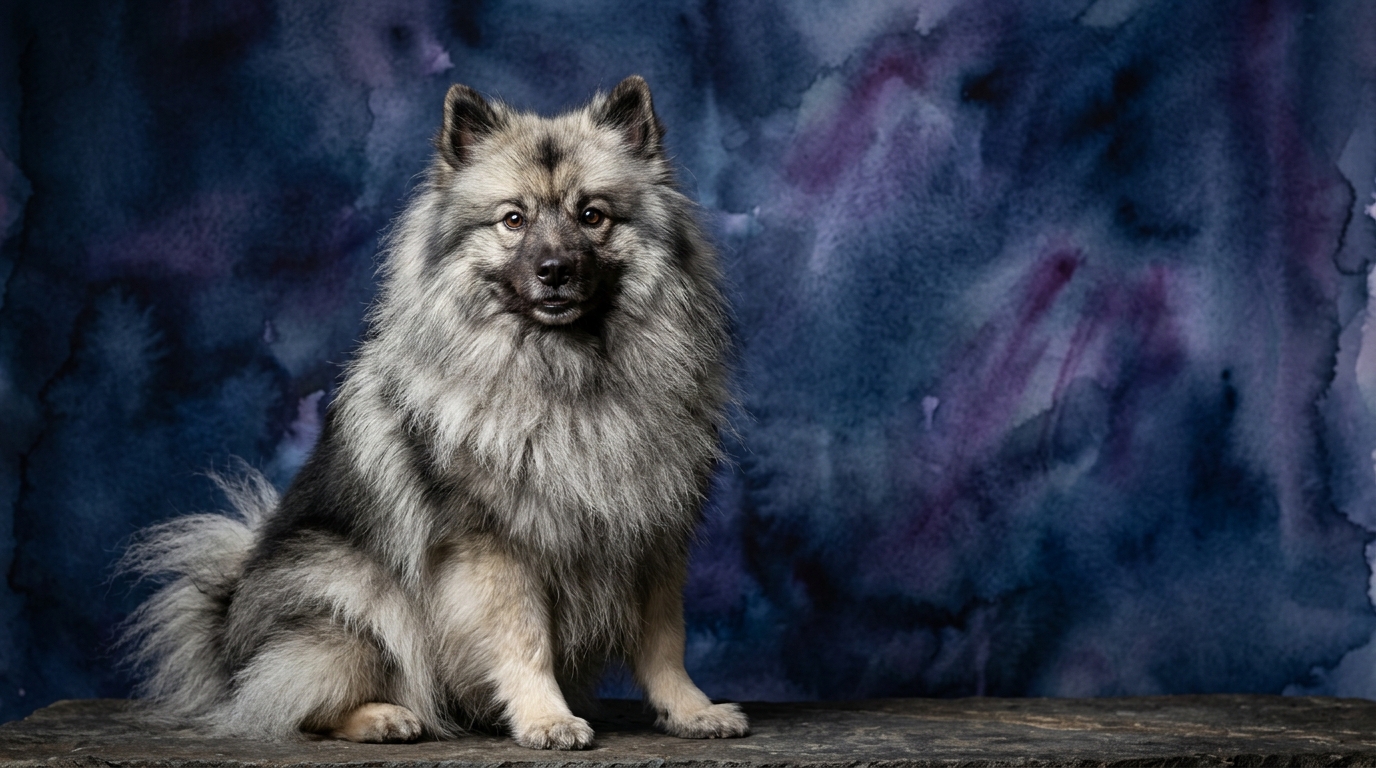
Side-by-Side IQ Profile: German Shorthaired Pointer vs. Keeshond
**German Shorthaired Pointer (GSP): A Hunter's Mind**
**Problem Solving (5/5):** GSPs excel at navigating complex situations, demonstrating ingenuity to achieve goals like locating game or navigating varied terrain, often adapting approaches rather than just following commands.
**Training Speed (4/5):** They quickly absorb new commands and routines, often grasping concepts in just a few repetitions, making them highly responsive pupils in structured learning.
**Social Intelligence (4/5):** GSPs show a robust understanding of human cues and intentions, fostering strong bonds and enabling nuanced communication essential for cooperative working relationships.
**Instinctive Drive (5/5):** Their inherent drives for tracking, pointing, and retrieving are supremely developed, guiding much of their behavior and providing powerful motivation for specific tasks.
**Memory (4/5):** GSPs retain information, including commands, routines, and spatial awareness, over considerable periods, enabling consistent performance and learning from past experiences.
**Keeshond: The Companion's Astuteness**
**Problem Solving (4/5):** Keeshonden effectively figure out solutions, often applying learned behaviors to new contexts, though perhaps with less spontaneous ingenuity in novel, complex scenarios than a GSP.
**Training Speed (4/5):** They learn new tasks and commands efficiently, demonstrating a readiness to engage with training and quickly pick up on expectations.
**Social Intelligence (3/5):** While affectionate with family, their social awareness is more focused on their immediate circle, less inclined to interpret broader social cues from strangers or in highly varied settings.
**Instinctive Drive (3/5):** Their drives are moderately developed, primarily centered around alert barking and companionship, possessing natural watchfulness without intense prey drive or working focus.
**Memory (5/5):** Keeshonden exhibit exceptional memory, recalling people, places, routines, and learned behaviors with impressive accuracy and longevity, making them creatures of habit.
Where the German Shorthaired Pointer Wins Cognitively
The German Shorthaired Pointer's cognitive profile is distinctly geared towards active engagement in dynamic environments. Their Problem Solving score of 5/5, a full point above the Keeshond, means they excel at thinking on their feet, evaluating situations, and devising paths to success independently, beyond mere command following. This high capacity makes them adept at complex tasks requiring more than rote memorization. Furthermore, the GSP's Instinctive Drive, rated at a perfect 5/5 compared to the Keeshond's 3/5, provides an unparalleled internal motivation for specific activities like hunting or tracking. This profound genetic predisposition translates into inherent enthusiasm for tasks tapping into these urges, offering an intense, self-starting energy. Their Social Intelligence at 4/5, a point higher than the Keeshond, allows GSPs to form deeply cooperative partnerships, keenly attuned to their handler's cues for precise, collaborative performance. This combination makes the GSP a cognitive powerhouse for highly engaged working or sporting companions.
Where the Keeshond Wins Cognitively
The Keeshond truly distinguishes itself with its exceptional Memory, earning a perfect 5/5, a point higher than the GSP. This superior recall extends beyond basic commands to an intricate retention of routines, specific locations, and sequences of events, deeply ingraining consistency in their daily lives. This cognitive strength contributes significantly to their reliability as companions and watchdogs, as they quickly register deviations from learned patterns. While their Problem Solving score of 4/5 is slightly lower, it still represents a solid capacity for logical thought and applying learned behaviors, like figuring out how to access a familiar cupboard. Their good Training Speed, matching the GSP at 4/5, combined with phenomenal memory, means that once a concept is learned, it is retained for a very long time, requiring less refreshing. Their moderate Instinctive Drive (3/5) allows their cognitive energy to focus more on companion-oriented tasks, supported by their excellent memory of interactions within their human family sphere, making them steadfast and predictable.
Which is Easier to Train and Why
Both breeds score a strong 4/5 in Training Speed, but "easier" depends on the specific training context. The German Shorthaired Pointer's higher Problem Solving (5/5) and Instinctive Drive (5/5) make them quick to grasp the *purpose* behind commands, especially those aligned with their hunting heritage. Teaching a GSP to retrieve, for instance, taps into a profound instinct, making the behavior intrinsically rewarding and quicker to solidify. Their superior Social Intelligence (4/5) also aids training, as they are often more attuned to handler cues and eager to cooperate. However, this potent drive necessitates consistent mental and physical engagement; unchanneled energy can lead to creative problem-solving directed at less desirable behaviors.
The Keeshond, with its equally strong Training Speed and exceptional Memory (5/5), also presents a highly trainable dog. Once a Keeshond learns a command or routine, it reliably sticks, requiring less long-term repetition. Their moderate Instinctive Drive (3/5) means they are less likely to be distracted by intense prey drives, potentially making them more focused in a home environment. However, their slightly lower Social Intelligence (3/5) might mean they are less inherently driven to please in complex, fast-paced scenarios, potentially requiring more explicit reinforcement. For tasks aligned with instincts or dynamic fieldwork, the GSP might seem "easier" due to inherent drive. For consistent, reliable recall of many commands in a controlled setting, the Keeshond's memory makes them remarkably steadfast.
Which Suits Active Owners vs. Relaxed Owners
The German Shorthaired Pointer is unequivocally suited for highly active owners, particularly those engaged in outdoor sports or competitive dog activities. Their 5/5 Instinctive Drive translates into a profound need for purpose and vigorous exertion, thriving on long runs, hikes, swimming, and mental challenges like scent work or agility. An owner providing several hours of daily vigorous activity and engaging cognitive tasks will find a GSP joyful and fulfilled. Their high Problem Solving and Social Intelligence mean they desire to be active partners, constantly learning and interacting. A relaxed owner risks fostering a bored and potentially destructive GSP, as unchanneled energy and cognitive capacity lead to frustration.
The Keeshond, while not a sedentary breed, is a better fit for owners who appreciate consistent engagement without the GSP's intense, high-octane demands. Their moderate Instinctive Drive (3/5) means they enjoy daily walks, playtime, and mental enrichment, but typically don't require marathon-level exercise. They thrive on routine and companionship, suiting owners who enjoy a predictable schedule and can incorporate regular, moderate activity. Their exceptional Memory (5/5) makes them excel at learning routines and appreciating an owner who provides consistency and memory-based games. While active, they are also content to settle with family, making them adaptable to somewhat more relaxed home environments, provided their needs for attention and mental stimulation are met.
The Verdict
Opt for a GSP if you are an active, outdoors-oriented individual or family seeking a highly cooperative partner for demanding physical activities, field sports, or competitive dog sports, ready to engage with a dog whose intelligence thrives on purposeful work and dynamic problem-solving.
Select a Keeshond if you desire a steadfast, companion-focused dog that excels in consistent routines and memory-based learning, suitable for owners who can provide moderate daily activity and cherish a clever, watchful presence in a more settled home environment.
🧠 Find Your Pet's IQ Score
Our Pet IQ Lab assessment covers 25+ tests across 5 cognitive dimensions — personalized to your breed.
Take the Full IQ Test →Frequently Asked Questions
Do German Shorthaired Pointers bark a lot?
GSPs can be vocal, especially when excited, bored, or alerting to perceived threats, partly due to their strong instinctive drive and social intelligence that prompts them to communicate. Early training and sufficient physical and mental stimulation can help manage excessive barking by addressing its root causes.
Are Keeshonden good with children?
Keeshonden are generally gentle and affectionate with children, often forming strong bonds with their family members, thanks to their companion-oriented nature. Their good memory also helps them recognize and interact consistently with familiar family members, though supervision is always advised with any dog and child.
Which breed is more independent?
The GSP, with its high problem-solving and instinctive drive, can display a degree of independence in the field, making decisions to pursue game. The Keeshond, while watchful, is generally more focused on its human family and less inclined towards independent excursions, valuing companionship and routine.