Side-by-Side IQ Profile: GSP vs. Norwegian Buhund
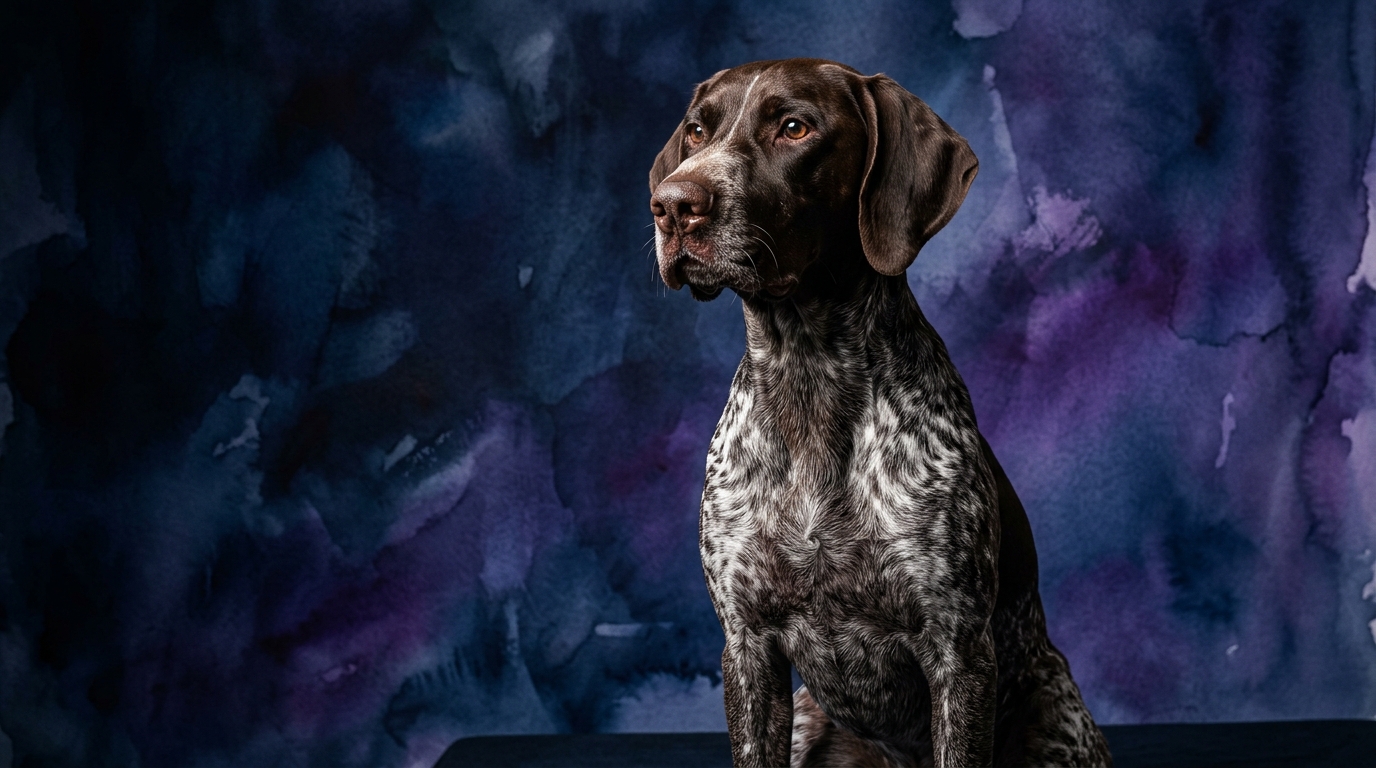
The Cosmic Pet Pet IQ Lab provides a nuanced framework for understanding canine cognition, breaking down intelligence into five key dimensions. For the German Shorthaired Pointer (GSP), a Sporting group member with a Coren rank of #17, its profile showcases exceptional mental agility. Its Problem Solving is rated 5/5, indicating a remarkable capacity to navigate complex situations and devise novel solutions quickly. Training Speed stands at 4/5, reflecting its eagerness and quick grasp of new commands. Social Intelligence, at 4/5, highlights its cooperative nature and ability to read human cues. An Instinctive Drive of 5/5 underscores its powerful innate desires for hunting and retrieving, while Memory at 4/5 ensures it retains learned information and experiences effectively.
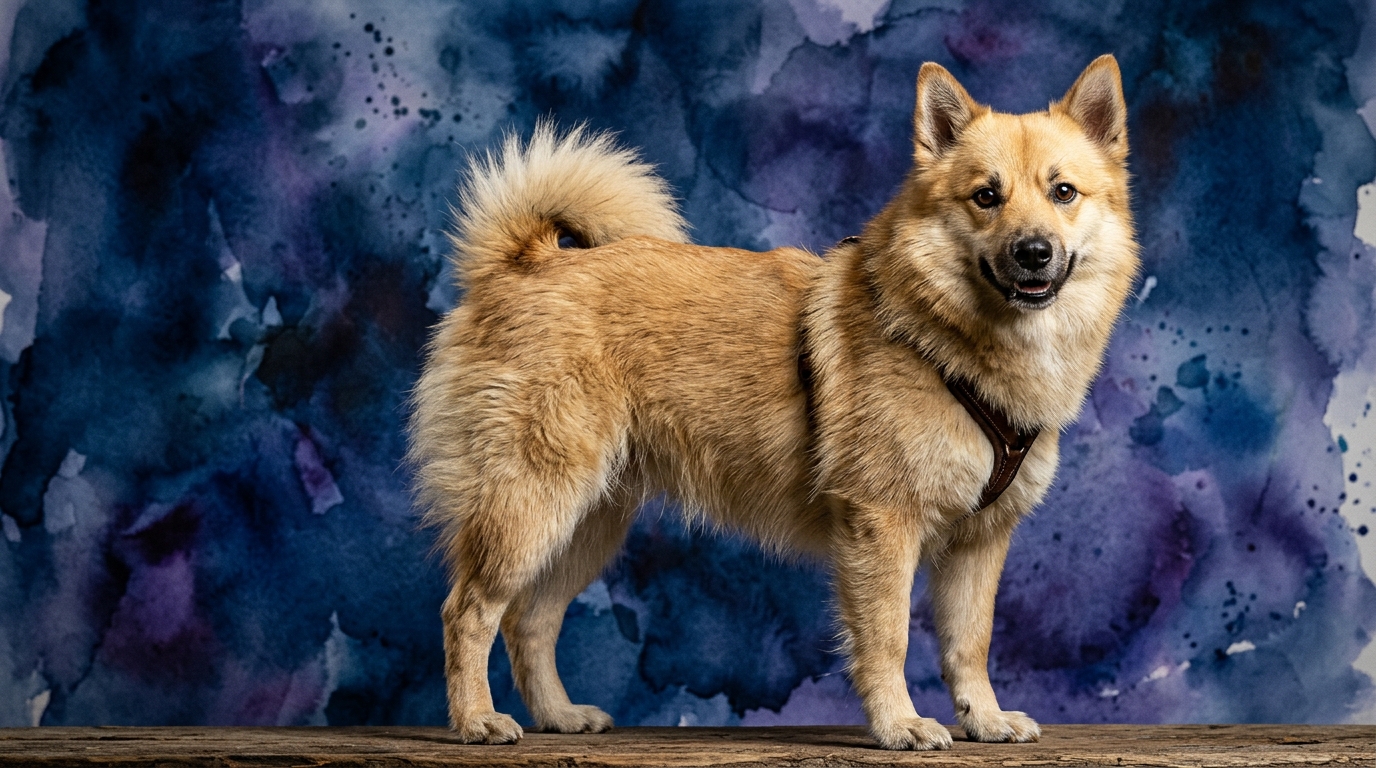
In contrast, the Norwegian Buhund, a Herding group dog not featured in Coren's ranking, presents a more moderate, yet distinctly functional, cognitive blueprint. Its Problem Solving is rated 3/5, suggesting a methodical approach rather than rapid innovation, often relying on learned patterns. Training Speed at 3/5 indicates a steady learning pace that benefits from consistency and positive reinforcement. Social Intelligence, also 3/5, points to a strong bond with its primary family and a more reserved interaction style with strangers. Its Instinctive Drive of 3/5 reflects its inherent herding and guarding tendencies, present but not as intensely expressed as the GSP's hunting drive. Finally, Memory at 3/5 suggests a reliable retention of information, though perhaps not with the same breadth or depth as the GSP.
Where the German Shorthaired Pointer Excels Cognitively
The German Shorthaired Pointer's cognitive profile positions it as a highly capable and adaptable working partner, especially in dynamic environments. Its Problem Solving score of 5/5 means it can quickly assess novel situations, such as tracking a varied scent trail through changing terrain or figuring out how to retrieve game from challenging cover. This isn't just about brute force; it's about strategic thinking under pressure, making split-second decisions that lead to success. Its superior Training Speed (4/5) allows it to master intricate command sequences and adapt to new training methodologies with efficiency, making it a joy for dedicated trainers and handlers.
Furthermore, the GSP's Instinctive Drive (5/5) is a powerful cognitive engine. This isn't merely about physical energy; it's a deep-seated mental focus and persistence in pursuing a goal, whether it's locating a hidden bird or excelling in canine sports like agility or dock diving. This drive, combined with its high Social Intelligence (4/5), means the GSP is not only driven but also highly attuned to working in partnership with its human, interpreting subtle cues and adjusting its behavior to collaborate effectively. This cooperative intelligence makes it exceptionally responsive and eager to please, translating into remarkable performance in demanding tasks.
Where the Norwegian Buhund Shines Cognitively
While the Norwegian Buhund's scores are more moderate across the board, its cognitive attributes are perfectly calibrated for its historical role and specific companionship needs. Its Instinctive Drive of 3/5, though lower than the GSP's, is acutely focused on herding and vigilance. This translates to an inherent awareness of its surroundings and a strong protective instinct for its family flock, making it an excellent sentinel. Its problem-solving, while 3/5, is often characterized by a methodical, persistent approach rather than rapid innovation, which is advantageous in scenarios requiring consistent oversight and protection over quick, complex maneuvers.
The Buhund's Social Intelligence at 3/5 means it forms incredibly deep and loyal bonds with its immediate family, often being less distracted by external social stimuli. This focused social connection can be a significant advantage for owners seeking a devoted, family-centric companion who remains attentive to their household. Its moderate Training Speed (3/5) ensures that once a behavior is learned through consistent repetition, it is deeply ingrained and reliable. Unlike breeds that might quickly learn but also quickly become bored, the Buhund's learning style can lead to enduring obedience and a stable temperament, making it a steadfast presence in the home.
Training Ease: GSP's Eagerness vs. Buhund's Independence
Comparing their training ease reveals distinct approaches influenced by their cognitive profiles and historical purposes. The German Shorthaired Pointer, with its Training Speed of 4/5 and Problem Solving of 5/5, is generally considered easier to train for a wide array of tasks. Its strong desire to work in partnership with humans, coupled with its rapid learning ability and high instinctive drive, means it picks up commands quickly and enjoys the mental engagement of training sessions. GSPs thrive on structure, positive reinforcement, and consistent challenges, often excelling in advanced obedience, field trials, and various canine sports. Their drive to perform makes them highly motivated students.
The Norwegian Buhund, with a Training Speed of 3/5 and Problem Solving of 3/5, requires a more patient and consistent approach. Bred to be an independent herder and guardian, the Buhund possesses a certain self-reliance that means it might evaluate a command before complying, rather than offering immediate, eager cooperation. Training needs to be engaging, positive, and varied to maintain their interest, as repetitive drills can lead to boredom. Owners must understand their underlying herding instincts, which can manifest as a desire to 'manage' their environment or family members. While they are certainly trainable and eager to please their loved ones, they may demand more creative motivational strategies and a longer period to solidify new behaviors compared to the GSP.
Active Owners vs. Relaxed Owners: Matching Energy Levels
When considering lifestyle compatibility, the divergence between these two breeds becomes particularly clear. The German Shorthaired Pointer is a quintessential companion for highly active owners. Its 5/5 Instinctive Drive paired with robust physical capabilities demands extensive daily exercise, including vigorous running, swimming, or mentally stimulating activities like scent work or agility. A GSP that doesn't receive adequate physical and mental outlet can become bored, leading to undesirable behaviors born out of pent-up energy and cognitive need. They thrive in environments where they are a constant partner in outdoor adventures, requiring owners who are committed to providing several hours of focused activity each day.
The Norwegian Buhund, while still an active and robust dog, is generally better suited for owners who are consistently engaged but perhaps not seeking the extreme intensity required by a GSP. With an Instinctive Drive of 3/5, Buhunds need regular walks, playtime, and mental stimulation, but they may be more content with a couple of solid walks and some interactive play sessions rather than multi-hour runs. Their herding background means they appreciate having a 'job,' whether it's learning new tricks, participating in dog sports like agility or rally obedience, or simply being involved in family activities. They are not suited for truly 'relaxed' owners who prefer minimal interaction, but they offer a slightly less demanding energy profile compared to the high-octane GSP, making them a good fit for active families who enjoy consistent, but not necessarily extreme, engagement.
The Verdict: When to Choose Each Companion
The Verdict
Choose the German Shorthaired Pointer if you are an exceptionally active individual or family seeking a highly driven, cooperative, and versatile partner for intense outdoor activities, canine sports, or hunting. You must be prepared to invest significant time daily into their physical and mental stimulation.
Opt for the Norwegian Buhund if you appreciate a loyal, vigilant, and independent companion who forms strong family bonds and enjoys consistent, engaging activities without the extreme demands of a high-drive sporting dog. You should value consistency in training and a dog that remains attentive to its household.
🧠 Find Your Pet's IQ Score
Our Pet IQ Lab assessment covers 25+ tests across 5 cognitive dimensions — personalized to your breed.
Take the Full IQ Test →Frequently Asked Questions
Are Norwegian Buhunds difficult to train?
Norwegian Buhunds are not inherently difficult to train, but they do require patience and consistency. Their independent nature, stemming from their herding background, means they might take longer to grasp new commands than some breeds, and they thrive on positive reinforcement and engaging training sessions.
How much exercise do German Shorthaired Pointers need?
German Shorthaired Pointers require a substantial amount of vigorous exercise daily, often needing 1-2 hours of intense activity like running, swimming, or demanding play. Without adequate physical and mental stimulation, they can become restless or develop undesirable behaviors.
Is a German Shorthaired Pointer good for first-time dog owners?
While GSPs are highly trainable and eager to please, their intense energy, high drive, and need for consistent mental and physical stimulation can be overwhelming for first-time dog owners. They generally thrive with experienced owners who understand their working breed needs and can dedicate significant time to their training and exercise.