
Side-by-Side IQ Profiles: GSP vs. PBGV
The German Shorthaired Pointer (GSP), ranking impressively at Coren #17, presents a cognitive profile built for high-performance and adaptability. Their Problem Solving at 5/5 indicates an exceptional capacity to analyze novel situations and devise effective strategies, whether tracking game or navigating a complex environment. A Training Speed of 4/5 means GSPs rapidly assimilate new commands and routines, making them highly responsive to instruction and capable of mastering intricate tasks efficiently. Their Social Intelligence at 4/5 reflects a strong attunement to human cues and social structures, fostering deep collaborative partnerships. The GSP’s Instinctive Drive, rated 5/5, highlights an exceptionally powerful, inherent motivation for their breed’s purpose of pointing and retrieving, a force that shapes their sustained focus and determination. Finally, their Memory at 4/5 ensures robust retention of learned behaviors and experiences, contributing to their consistent performance.
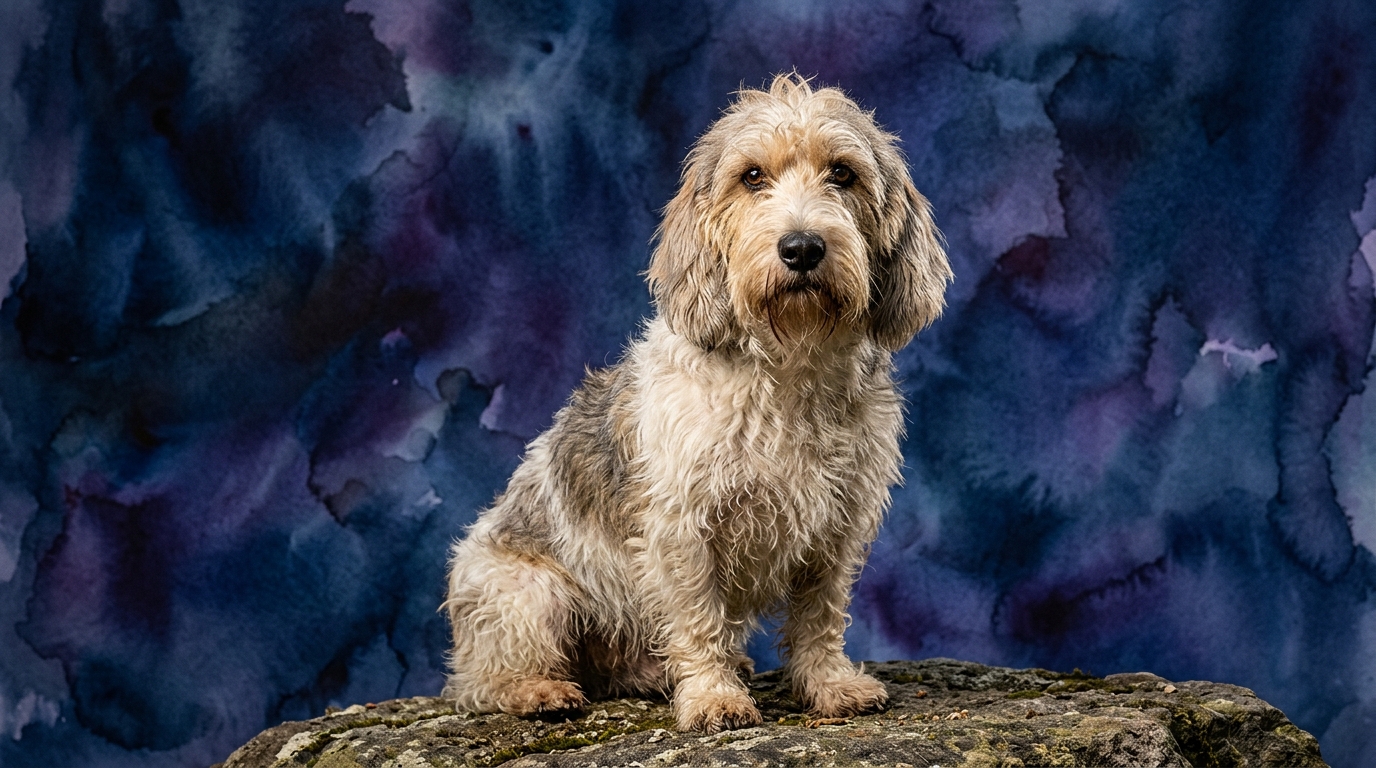
In contrast, the Petit Basset Griffon Vendéen (PBGV), not Coren-ranked, showcases a cognitive style rooted in independent, scent-driven exploration. Their Problem Solving at 3/5 suggests a moderate capacity for abstract reasoning, often relying more on trial and error or their powerful olfactory senses to navigate challenges. A Training Speed of 3/5 indicates that PBGVs typically require more repetitions and patient, consistent reinforcement to grasp new commands, as they are not as quick to pick up on new instructions. Their Social Intelligence at 3/5 points to an affable but often more independent nature; PBGVs might be less focused on constant human direction and more on the intriguing stimuli of their surroundings. The PBGV’s Instinctive Drive, rated 3/5, reflects a persistent, though not overwhelming, compulsion for scent tracking, meaning an interesting smell can often override other stimuli. Their Memory at 3/5 implies adequate retention of information, though less frequently practiced commands may require periodic refreshers.
Where the German Shorthaired Pointer Excels Cognitively
The German Shorthaired Pointer exhibits a superior capacity for analytical thought and strategic execution, particularly evident in their problem-solving abilities (5/5). This allows them to quickly assess and adapt to dynamic situations, making them adept at navigating complex environments or performing multi-stage tasks. Their instinctive drive (5/5), honed for active hunting, translates into a sustained focus and determination that few breeds match, enabling them to master intricate sequences and maintain concentration over extended periods. The GSP's rapid acquisition of new skills (Training Speed 4/5) and reliable recall, supported by robust memory (4/5), enables them to excel in environments where quick decisions and consistent performance are paramount. Furthermore, their developed social intelligence (4/5) makes them highly receptive to human direction and partnership, fostering a strong collaborative bond in achieving shared objectives.
Where the Petit Basset Griffon Vendéen Offers Unique Cognitive Strengths
The Petit Basset Griffon Vendéen's cognitive profile, while different from the GSP, offers distinct advantages rooted in their hound heritage. Their moderate social intelligence (3/5) often translates into a charming independence; PBGVs are less prone to 'velcro dog' tendencies, comfortable exploring their environment and pursuing scent trails with self-directed focus. This allows for a unique cognitive freedom, where their decisions are often guided by their powerful olfactory world rather than constant human input. While their general problem-solving is 3/5, their specialized 'scent problem-solving' is relentless, demonstrating an unwavering persistence to unravel complex olfactory puzzles, a cognitive strength intrinsic to their breed type. This single-minded dedication to a scent, a form of sustained cognitive effort, showcases a specialized brilliance unique to their breed, even if it appears as stubbornness in other contexts.
Ease of Training: GSP's Responsiveness vs. PBGV's Persistence
When it comes to ease of training, the German Shorthaired Pointer generally presents a more straightforward experience. With a 4/5 training speed and 5/5 problem-solving, GSPs typically learn new commands and complex routines with remarkable alacrity. Their high social intelligence (4/5) makes them eager to cooperate and understand human expectations, while their robust memory (4/5) ensures consistent retention of learned behaviors. This combination means fewer repetitions are needed, and they often generalize learned skills to new situations effectively, making them highly rewarding for owners who enjoy advanced training.
In contrast, PBGVs, scoring 3/5 across these cognitive dimensions, typically require more patience and consistency in their training. Their moderate problem-solving means they might not spontaneously offer desired behaviors as readily, and their lower social intelligence might mean they are more inclined to follow their nose than a verbal cue. Training a PBGV often involves making the desired behavior more rewarding and engaging than the enticing scent of the environment, a persistent challenge given their strong, independent hound drive. Success with a PBGV hinges on positive reinforcement, short engaging sessions, and an understanding of their inherent desire to explore with their nose.
Matching Canine Cognition to Owner Lifestyle
German Shorthaired Pointers are undeniably suited for active owners who can channel their extraordinary energy and powerful instinctive drive (5/5) into structured activities. Their advanced problem-solving (5/5) and training speed (4/5) mean they thrive on mental challenges like advanced obedience, agility, or field work, requiring owners who are equally engaged and committed to providing consistent physical and mental stimulation. A GSP without sufficient outlets for its cognitive and physical needs can become restless or destructive, often creating its own 'problems' to solve.
The PBGV, with its moderate instinctive drive (3/5) and less demanding cognitive profile (3/5 across the board), aligns well with owners seeking a companion with a more relaxed daily rhythm. While they enjoy vigorous walks and opportunities to explore scent trails, their contentment doesn't hinge on constant, high-intensity mental or physical tasks. They appreciate leisurely strolls and garden sniffing expeditions, making them a better fit for those who desire activity but not necessarily an athletic training partner. Their independent nature also means they can be content with less constant direct interaction, provided their environment offers engaging scents.
The Verdict
Choose a German Shorthaired Pointer if you are an experienced, active owner seeking a highly trainable, driven partner for demanding sports or field work, capable of complex problem-solving and rapid learning.
Opt for a Petit Basset Griffon Vendéen if you appreciate an independent, charming companion with a moderate energy level, who enjoys exploring and requires patient, consistent training focused on positive reinforcement.
🧠 Find Your Pet's IQ Score
Our Pet IQ Lab assessment covers 25+ tests across 5 cognitive dimensions — personalized to your breed.
Take the Full IQ Test →Frequently Asked Questions
Are GSPs difficult to live with due to their high cognitive abilities?
A German Shorthaired Pointer's advanced cognitive abilities (problem Solving 5/5) mean they require significant mental and physical engagement to prevent boredom and undesirable behaviors. They thrive with consistent training, structured activities, and ample exercise; otherwise, their intellectual capacity can manifest as mischief.
Do PBGVs need a lot of exercise despite being smaller?
While smaller, Petit Basset Griffon Vendéens possess a moderate instinctive drive (3/5) and a love for scent work, meaning they do require regular exercise and opportunities to explore. Daily walks and secure off-leash sniffing in a fenced area are crucial for their physical and mental well-being.
Can a PBGV be trained for complex tasks like a GSP?
A Petit Basset Griffon Vendéen can certainly learn complex tasks, but their training speed and problem-solving (both 3/5) suggest it will take more time and repetition than with a German Shorthaired Pointer. Their independent hound nature often means training requires extra creativity and patience to maintain focus.