
Side-by-Side IQ Profile
The German Shorthaired Pointer exhibits a formidable cognitive profile, starting with a perfect 5/5 in problem-solving, indicating a sharp, adaptable mind that quickly deciphers new challenges and strategies. Their training speed, at 4/5, suggests they pick up commands and routines with efficiency, eager to please and progress. Social intelligence registers at 4/5, meaning they are adept at reading human cues and forming strong, responsive bonds, though perhaps not as overtly expressive as some breeds. A robust 5/5 in instinctive drive highlights their powerful genetic predisposition for hunting, tracking, and retrieving, making them highly focused on purpose-driven tasks. Finally, their memory, rated at 4/5, ensures they retain learned behaviors and past experiences effectively, building on their knowledge.
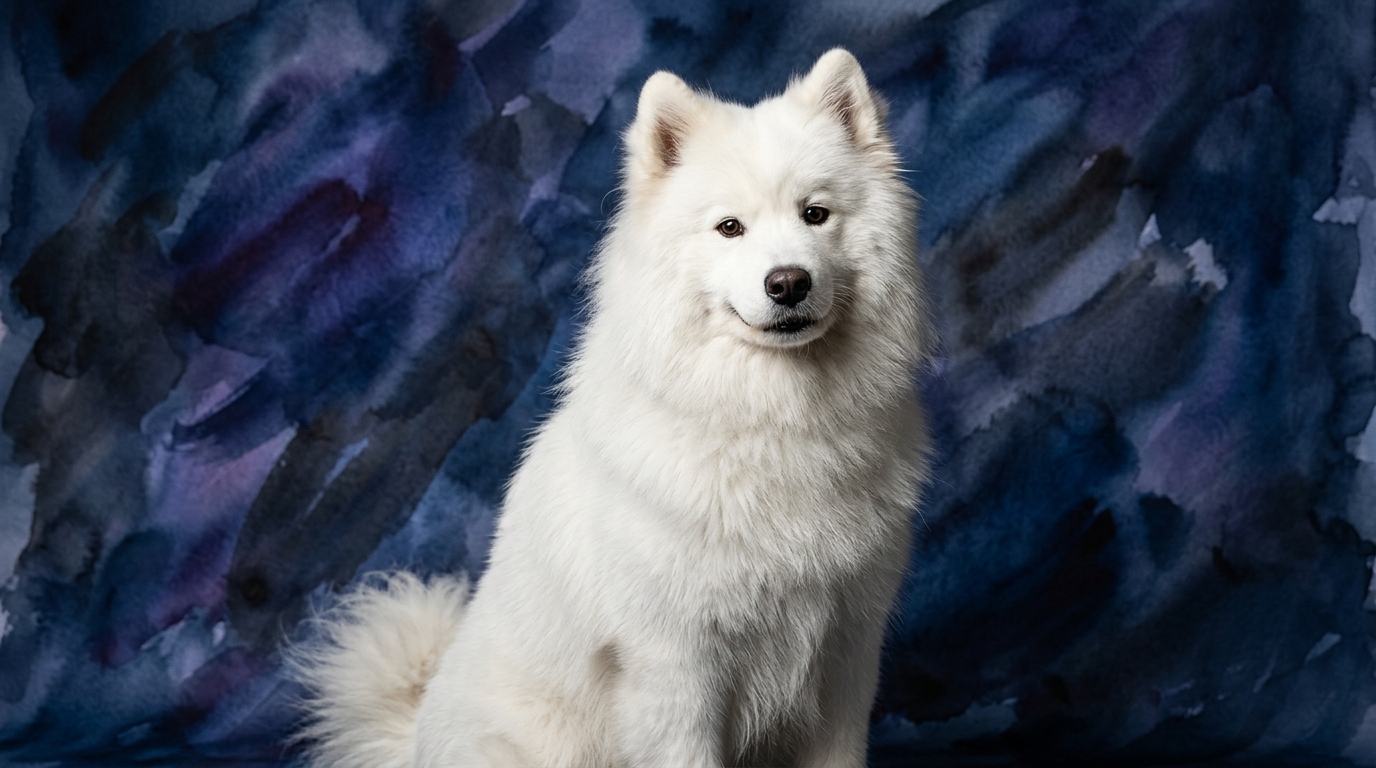
In contrast, the Samoyed presents a different yet equally compelling intellectual makeup. Their problem-solving ability is rated 3/5, suggesting a thoughtful approach that might prioritize independent thought over immediate human-directed solutions, often relying on their own judgment rather than constant instruction. Training speed, also 3/5, indicates they can learn, but often at their own pace, requiring patience and positive reinforcement to solidify commands. Where the Samoyed truly shines is in social intelligence, earning a perfect 5/5; they are profoundly attuned to human emotions and family dynamics, thriving on interaction and companionship. Their instinctive drive, at 4/5, reflects their heritage in herding and pulling, giving them a strong sense of purpose within a group, though it manifests differently than a GSP's prey drive. Memory, at 3/5, means they learn and remember, but perhaps benefit from more consistent reinforcement for long-term retention of complex tasks.
Where German Shorthaired Pointer Wins Cognitively
The German Shorthaired Pointer's cognitive strengths distinctly outpace the Samoyed's in areas demanding rapid analytical thought and goal-oriented focus. Their 5/5 problem-solving capability means a GSP is exceptionally adept at navigating complex environments, quickly understanding new tasks, and devising efficient ways to achieve objectives, whether it's finding a hidden toy or figuring out a gate latch. This sharp intellect, combined with their 5/5 instinctive drive, makes them unparalleled in pursuits requiring sustained concentration and strategic action, such as advanced scent work or agility courses where quick decisions are paramount. Their position at Coren rank #17 underscores their general capacity for understanding and executing commands with fewer repetitions, reflecting a mind that processes and applies information with remarkable speed and precision. They are designed for work that demands active cognitive engagement and swift, decisive action.
Where Samoyed Wins Cognitively
The Samoyed's cognitive brilliance shines most brightly in the realm of social interaction and emotional understanding, an area where they achieve a perfect 5/5. Their profound social intelligence means they possess an exceptional ability to read human emotions, respond empathetically, and integrate seamlessly into family dynamics, often anticipating needs or offering comfort without direct command. This deep understanding fosters incredibly strong, nuanced bonds, making them highly intuitive companions. While their problem-solving and training speed might not match the GSP's efficiency, their social acumen allows them to navigate complex human relationships with grace and sensitivity, often mediating family moods or encouraging interaction. Their instinctive drive, rated 4/5, contributes to a strong pack mentality, making them highly cooperative and content when working or simply existing within their human "pack," valuing togetherness above all else. This breed excels at being a truly integrated, emotionally responsive family member.
Which is Easier to Train and Why
When considering ease of training, the German Shorthaired Pointer generally presents a more straightforward path. Their 4/5 training speed and 5/5 problem-solving mean they grasp new commands and concepts quickly, often requiring fewer repetitions to achieve proficiency. GSPs possess a strong desire to work alongside their human, fueled by their 5/5 instinctive drive, making them highly biddable and eager to perform tasks that engage their natural predispositions, such as retrieving or pointing. They are typically focused and less prone to independent thinking during structured training sessions, preferring to follow direction.
The Samoyed, with a 3/5 training speed and 3/5 problem-solving, can be more challenging, requiring greater patience and creativity from their trainer. While their 5/5 social intelligence means they respond well to positive reinforcement and bond-based methods, their historical role as independent decision-makers in harsh environments has instilled a streak of self-reliance. This can manifest as a tendency to question commands or act on their own initiative if they don't perceive a clear purpose or if the request conflicts with their current motivation. They might take longer to internalize commands and may test boundaries more often, necessitating consistent, engaging training that makes them feel like a valued participant rather than a mere follower.
Which Suits Active Owners vs Relaxed Owners
The choice between a German Shorthaired Pointer and a Samoyed hinges significantly on an owner's lifestyle and capacity for engagement. A GSP, with its commanding 5/5 instinctive drive and high cognitive energy, is ideally suited for exceptionally active owners. These dogs require consistent, vigorous physical exercise that aligns with their hunting heritage, such as long runs, hikes, swimming, or extensive field work. Their 5/5 problem-solving also means they need significant mental stimulation through advanced training, dog sports like agility or dock diving, or puzzle toys to prevent boredom and destructive behaviors. They thrive when given a "job" and will be restless if their intellectual and physical needs are unmet.
The Samoyed, while also an active breed with a 4/5 instinctive drive, caters to owners who appreciate a balance of activity and intense social interaction. They need daily exercise, such as walks, jogs, or play sessions, but their paramount need is companionship, driven by their 5/5 social intelligence. They are not content to be left alone for extended periods and flourish in homes where they are integral to family activities, enjoying both outdoor adventures and relaxed indoor companionship. Their activity needs are often met through shared experiences rather than purely task-oriented work, making them suitable for active families who want a highly engaged and affectionate canine presence.
The Verdict
Opt for a GSP if you are an exceptionally active individual or family seeking a highly driven, intelligent working partner for outdoor adventures, hunting, or advanced dog sports, valuing efficiency and biddability in training.
Select a Samoyed if you desire a deeply social, empathetic companion who thrives on family interaction and shared experiences, offering unwavering affection and a charming personality to an active yet companionship-focused household.
🧠 Find Your Pet's IQ Score
Our Pet IQ Lab assessment covers 25+ tests across 5 cognitive dimensions — personalized to your breed.
Take the Full IQ Test →Frequently Asked Questions
Are German Shorthaired Pointers good family dogs despite their high drive?
Yes, GSPs can be excellent family dogs, especially for active families who can meet their substantial exercise and mental stimulation needs. Their 4/5 social intelligence means they bond well and are generally good with children when properly socialized and trained.
Do Samoyeds require a lot of grooming due to their thick coats?
Samoyeds indeed require significant grooming due to their dense double coats, which shed considerably, especially seasonally. Regular brushing several times a week, along with professional grooming appointments, is essential to prevent matting and maintain coat health.
Which breed is better for a first-time dog owner?
Neither breed is typically recommended for a truly novice owner without significant research and commitment. The GSP's intense drive and training needs can be overwhelming, while the Samoyed's independent streak and grooming requirements also present challenges. Both benefit from experienced owners or first-timers dedicated to consistent training and meeting their specific needs.