
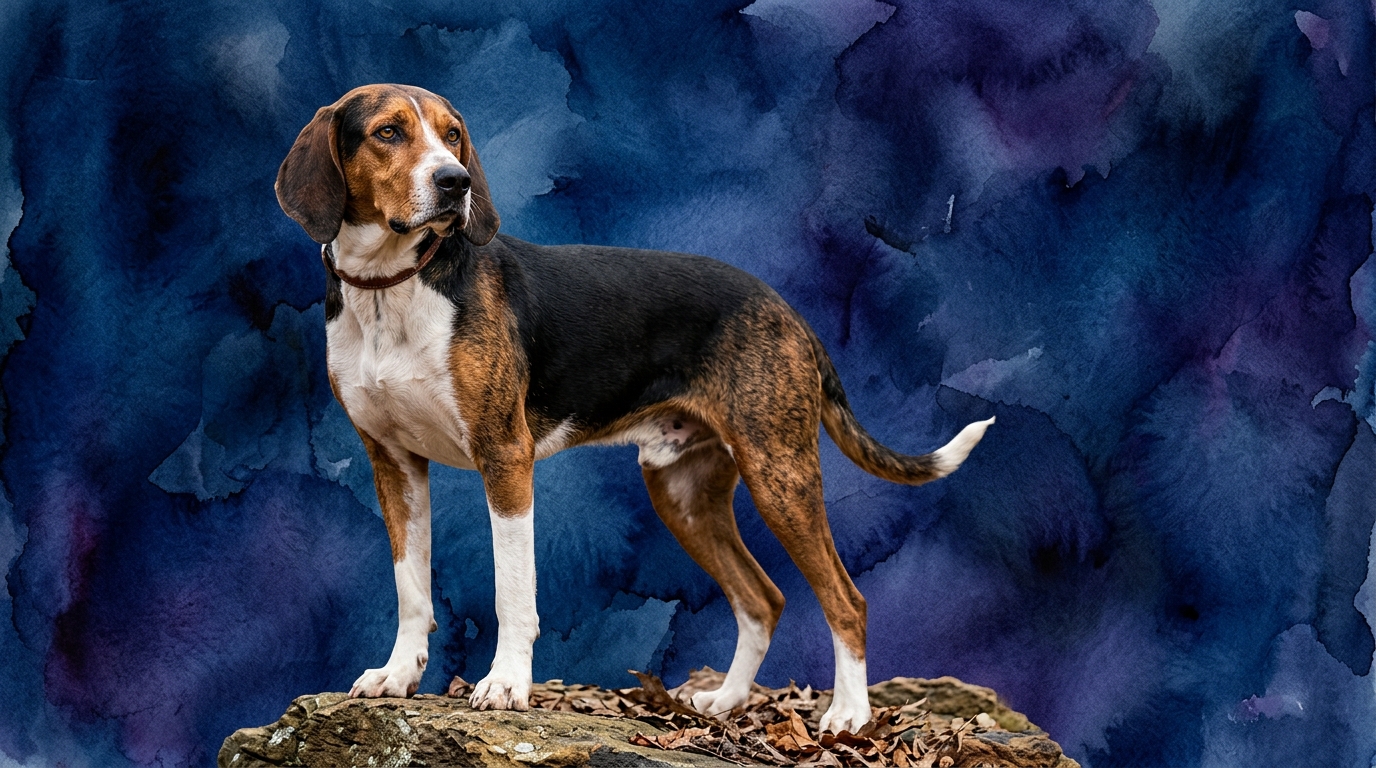
Side-by-Side IQ Profile: GSP vs. TWC
At The Cosmic Pet Pet IQ Lab, we evaluate canine intelligence across five key dimensions to provide a nuanced understanding of each breed's cognitive strengths. Here's how the German Shorthaired Pointer and the Treeing Walker Coonhound measure up:
**German Shorthaired Pointer (Sporting Group, Coren Rank #17)**: This designation places the German Shorthaired Pointer among breeds with a remarkable capacity for understanding new commands, often learning them in as few as 5-15 repetitions, and demonstrating reliable obedience on the first command 85% of the time or more. This foundational aptitude underpins their overall cognitive dexterity. Their Problem Solving is rated 5/5, signifying an exceptional ability to independently analyze and navigate novel situations, devise strategies to overcome obstacles, or find creative solutions to reach a goal. Whether it's figuring out how to retrieve a toy from a difficult spot or adjusting to changing conditions in the field, GSPs display proactive, strategic thinking. Training Speed is 4/5, reflecting a strong eagerness to learn and a natural inclination towards cooperation; GSPs absorb new commands and behaviors with considerable efficiency. Their receptiveness to structured lessons, coupled with a desire to engage with their handler, makes them highly trainable. Social Intelligence scores 4/5, as German Shorthaired Pointers possess a refined awareness of human emotional states, body language, and the social dynamics within their family unit. This acute perception allows them to form deep, responsive bonds, often anticipating their owner's moods or intentions. Their Instinctive Drive is a profound 5/5; their core identity is defined by a powerfully ingrained drive for hunting, pointing, and retrieving. This isn't merely a preference but a hardwired, compelling force that motivates their actions and demands significant outlets. Lastly, their Memory is 4/5, indicating robust recall for learned commands, established routines, and even specific locations or scents encountered previously, contributing to their reliability in both working and home environments.
**Treeing Walker Coonhound (Hound Group, Not Coren-ranked)**: While not appearing on Coren's list, this doesn't diminish the Treeing Walker Coonhound's specific cognitive strengths; rather, it highlights a different focus in their intelligence, often less centered on general obedience and more on specialized sensory processing. Their mental framework is geared towards distinct, ancestral tasks. Their Problem Solving is 3/5; Treeing Walker Coonhounds are capable problem-solvers, particularly when the challenge relates to their primary motivation: scent. Their approach is often methodical and persistent, driven by olfactory cues rather than abstract reasoning, allowing them to patiently unravel complex scent puzzles. Training Speed is 3/5; Coonhounds can learn new behaviors, but their independent nature and powerful instinctive focus on scent often mean training requires more patience and repetition compared to breeds with higher scores. Their priorities are naturally aligned with their nose. Social Intelligence is 3/5; they are generally amiable and form devoted bonds with their families, but their social intelligence may be less finely tuned to subtle human emotional shifts or complex social cues than some other breeds, appreciating direct, clear interactions. Their Instinctive Drive is a specialized 3/5; the Treeing Walker Coonhound's primary drive is an unwavering dedication to scent-tracking and treeing game. While potent and persistent, this drive is highly specialized, and once engaged on a trail, their focus becomes singular. Memory is 3/5; Coonhounds possess a functional memory, particularly for significant scent trails, established routines, and the locations of important resources. However, their recall for arbitrary commands or less stimulating tasks might be less consistent than breeds with higher memory scores, especially when their powerful nose is engaged.
Where the German Shorthaired Pointer Wins Cognitively
The German Shorthaired Pointer's cognitive profile showcases several distinct advantages. Their exceptional 5/5 Problem Solving score means they possess a remarkable capacity for independent thought and strategic adaptation. They don't just follow instructions; they actively assess situations and formulate effective solutions, whether it's navigating complex terrain or figuring out how to retrieve a challenging object. This proactive engagement makes them incredibly versatile.
Furthermore, the GSP's combined 4/5 Training Speed and 4/5 Social Intelligence allow for a seamless integration of human instruction and social cues into their task performance. They are not merely executing commands but are often doing so in a collaborative partnership with their human, understanding the 'why' behind the interaction. This makes them highly responsive and adaptable across a wide array of disciplines, from advanced obedience to competitive field trials, where they excel at quickly grasping and applying new information in varied contexts.
Where the Treeing Walker Coonhound Wins Cognitively
While the Treeing Walker Coonhound's overall IQ scores may be lower in general categories, their specialized cognitive strengths are profound within their domain. Their 3/5 Problem Solving score, when viewed through the lens of scent work, reveals an unrivaled olfactory persistence and discrimination. Their specific instinctive drive, coupled with a keen memory for scent, allows them to follow complex, faint, and aged trails with unwavering focus – a feat few breeds can match.
This single-minded dedication to a task, while sometimes challenging in other contexts, is a significant cognitive advantage in their specialized work. Once a TWC locks onto a scent, their focus is absolute, enabling them to filter out distractions and pursue their objective with incredible tenacity. This demonstrates a deep cognitive commitment and endurance in applying their intelligence over long periods, interpreting subtle changes in scent and terrain for hours on end, showcasing a unique form of cognitive stamina.
Which is Easier to Train and Why
Considering their cognitive profiles, the German Shorthaired Pointer generally presents a more straightforward training experience. Their 4/5 training speed and 5/5 problem-solving capabilities mean they grasp concepts rapidly and are often eager to comply. They enjoy the mental stimulation of learning and the close partnership with their handler, making them highly responsive to positive reinforcement and consistent methods. Their strong social intelligence also means they are attuned to their owner's moods and expectations, facilitating smoother communication during training sessions and fostering a desire to please.
The Treeing Walker Coonhound, with its 3/5 training speed and problem-solving, requires a different approach. Their independent nature and overwhelming focus on scent can make them seem less biddable in traditional obedience settings. They are not unintelligent, but their cognitive priorities are different; a compelling scent trail will almost always supersede a human command. Training requires immense patience, creativity to make lessons engaging, and a deep understanding of their drive. Owners must work *with* their Coonhound's instincts, rather than against them, to achieve reliable results, especially when off-leash in stimulating environments.
Which Suits Active Owners vs. Relaxed Owners
For highly active individuals or families, the German Shorthaired Pointer is an ideal companion. Their 5/5 instinctive drive and high energy levels demand significant physical exertion and mental engagement daily. They thrive when given a 'job,' whether it's hunting, competitive dog sports like agility or obedience, or extensive hiking and running. Owners who can provide consistent, varied activities will find a GSP to be a fulfilling and engaged partner, channeling their remarkable cognitive and physical capacities purposefully.
Neither breed is truly suited for a 'relaxed' owner in the sense of minimal activity, as both require substantial engagement. However, the Treeing Walker Coonhound might be a better fit for an owner whose activity is focused on long, methodical walks or specific scent-work activities rather than high-intensity, varied sports. While they possess endurance, their daily needs are less about bursts of speed and more about sustained exploration, especially with their nose to the ground. A TWC would be less suitable for an owner seeking a dog content with only short walks and indoor leisure, as their instinctive drive requires consistent outlets, even if those outlets are less about speed and more about focused sensory work. After their cognitive and physical needs are met, they can be quite calm indoors.
The Verdict
Choose a German Shorthaired Pointer if you seek a highly versatile, adaptable canine partner eager for diverse mental and physical challenges, from complex training to demanding field work. Their integrated intelligence makes them excel in collaborative tasks and structured environments.
Opt for a Treeing Walker Coonhound if you value a dog with unparalleled scenting ability and tenacious focus, and are prepared to engage their specialized instinctive drives with patience and understanding. They thrive with owners who appreciate their independent, scent-driven approach to the world.
🧠 Find Your Pet's IQ Score
Our Pet IQ Lab assessment covers 25+ tests across 5 cognitive dimensions — personalized to your breed.
Take the Full IQ Test →Frequently Asked Questions
Are German Shorthaired Pointers difficult to live with due to their high drive?
While GSPs possess a powerful instinctive drive (5/5), this translates into a need for purposeful activity rather than inherent difficulty. With adequate exercise, mental stimulation, and consistent training, their drive can be channeled positively, making them well-adjusted and rewarding companions. Without proper outlets, their energy and intelligence can lead to boredom-related behaviors.
Do Treeing Walker Coonhounds make good family pets despite their independent nature?
Yes, Treeing Walker Coonhounds can be affectionate and loyal family pets. Their independence (reflected in their 3/5 social intelligence and training speed) means they might not be as overtly eager to please as some breeds, but they form strong bonds. They are generally good with children and other pets, provided they receive sufficient exercise for their powerful scent drive and consistent, patient guidance.
How do their memory scores impact their everyday life?
A German Shorthaired Pointer's 4/5 memory contributes to their reliability in remembering commands, routines, and past experiences, making them consistent in their learned behaviors. A Treeing Walker Coonhound's 3/5 memory means they will remember important things like scent trails and home routines, but might require more repetition for less inherently motivating commands, especially if distractions are present.