
Side-by-Side Cognitive Profile: GSD vs. TWC
The German Shepherd consistently ranks among the most capable working breeds, holding the #3 spot in Coren's intelligence ranking. Our Cosmic Pet Pet IQ Lab data reflects this, assigning them a perfect 5/5 across all five cognitive dimensions: problem-solving, training speed, social intelligence, instinctive drive, and memory. Their problem-solving acumen allows them to quickly assess complex situations and execute multi-step solutions, often with minimal human intervention once a task is understood. Training speed is unparalleled, as they grasp new commands and routines with remarkable rapidity, often after just a few repetitions. Social intelligence manifests in their profound ability to understand human cues, intentions, and emotional states, fostering a deep partnership. Their instinctive drive is robust, channeling into tasks like herding, protection, or service work with unwavering focus and determination. Finally, their memory is exceptional, enabling them to retain vast repertoires of commands, routines, and experiences over long periods.
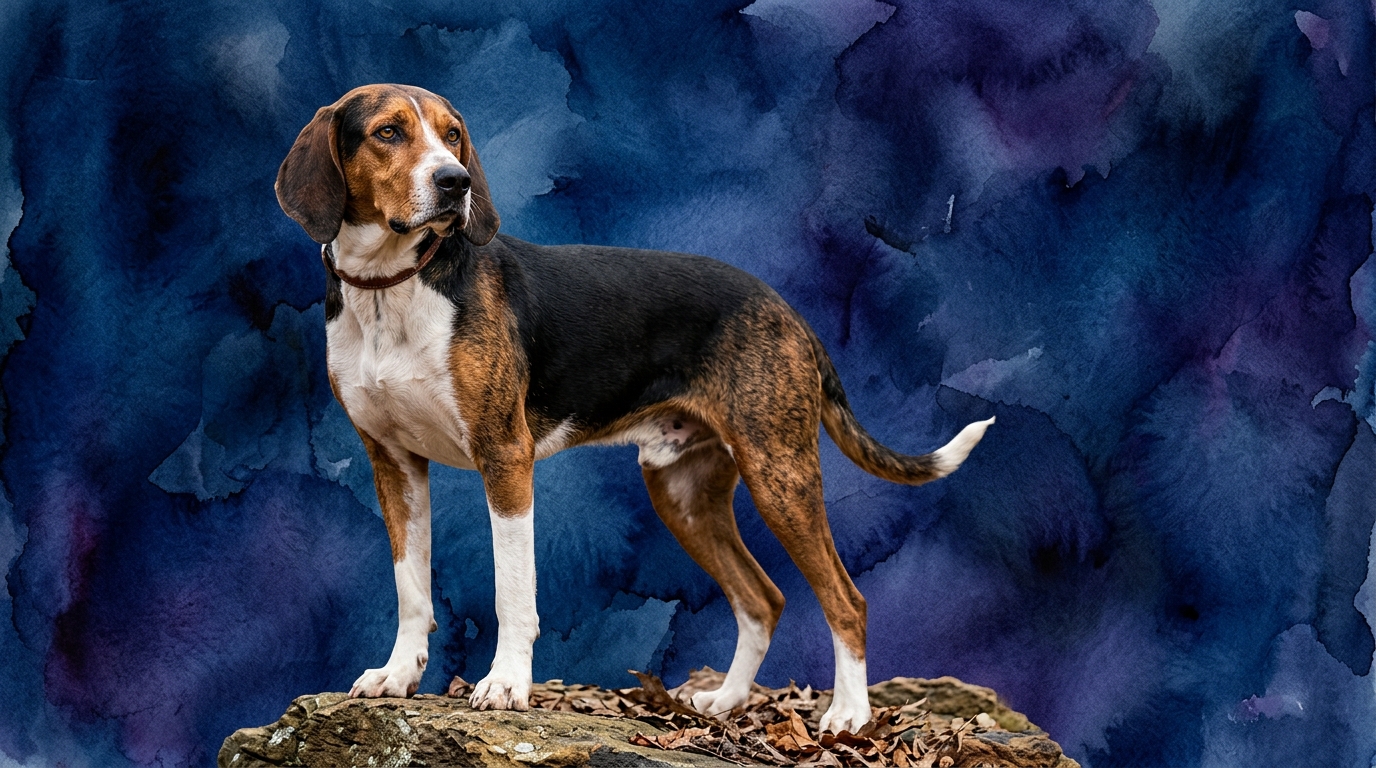
The Treeing Walker Coonhound, while not featured in Coren's traditional ranking, presents a distinct cognitive profile suited to its specialized purpose as a hunting hound. Our Cosmic Pet Pet IQ Lab analysis places them at 3/5 for problem-solving, training speed, social intelligence, instinctive drive, and memory. Their problem-solving skills are acutely honed for tracking and locating quarry, requiring independent decision-making in varied terrains rather than handler-directed complex tasks. Training speed is moderate; they learn, but their independent nature means they often need more repetition and highly motivating rewards to solidify commands. Social intelligence is present, allowing them to form strong bonds with their family, though their primary focus in the field is on scent rather than constant handler engagement. Their instinctive drive is powerfully directed towards the pursuit of scent, demonstrating incredible endurance and focus when on a trail. Their memory is effective for recalling scent patterns and successful hunting routes, rather than a broad array of obedience commands.
Where the German Shepherd Excels Cognitively
The German Shepherd's cognitive strengths shine particularly in areas demanding close partnership and precise execution of learned tasks. Their 5/5 in problem-solving means they excel at tasks requiring logical sequencing, adapting strategies to overcome obstacles, and understanding cause-and-effect in structured environments, such as navigating agility courses or performing intricate service dog duties. This contrasts with the Coonhound's more instinct-driven problem-solving. Furthermore, their superior social intelligence (5/5) allows for nuanced communication with their human companions, making them exceptionally responsive to subtle cues and capable of anticipating needs. This deep understanding facilitates complex collaborative work, from search and rescue operations to intricate protection work, where a human-dog team acts as a single unit. Their capacity for rapid learning and retention means they can master a wide array of skills, making them versatile across many disciplines.
Where the Treeing Walker Coonhound's Cognition Shines
While the German Shepherd excels in human-directed collaboration, the Treeing Walker Coonhound's cognitive strengths are profoundly rooted in its ancestral role as a scent hound, demonstrating a unique form of specialized intelligence. Their problem-solving (3/5) is less about performing multi-step human commands and more about independently deciphering complex scent trails, navigating challenging environments, and persistently locating quarry. This requires immense focus, determination, and the ability to ignore distractions that would deter other breeds. Their instinctive drive (3/5) is laser-focused on scent; they possess an unwavering commitment to a trail, showcasing incredible endurance and mental fortitude to follow a scent for miles, often over difficult terrain. This is a cognitive win in persistence and single-minded dedication to a natural task. Their memory (3/5) is adept at recalling the nuances of scent, terrain, and successful hunting strategies, allowing them to improve their tracking efficiency over time, a vital component of their working success.
Trainability: Which Breed is Easier to Shape?
Comparing trainability reveals a clear distinction shaped by breed purpose and cognitive wiring. The German Shepherd, with 5/5 in training speed, social intelligence, and memory, is generally considered far easier to train for obedience and complex tasks. Their inherent desire to work alongside humans, coupled with their rapid comprehension and excellent memory, means they quickly learn and retain commands. They actively seek to understand and please their handler, making them highly receptive to instruction and eager for mental engagement. This breed thrives on structure and consistent guidance, often finding joy in mastering new skills. In contrast, the Treeing Walker Coonhound, scoring 3/5 in these same dimensions, presents a different training dynamic. While capable of learning, their independent nature and powerful scent drive often mean they prioritize following a compelling smell over immediate handler commands. Training a Coonhound requires significant patience, consistency, and highly motivating rewards. Their focus can be easily diverted by environmental scents, making recall and off-leash reliability a greater challenge. Training often needs to be framed as an engaging game, utilizing their natural instincts rather than solely relying on rote obedience.
Matching Breeds to Lifestyles: Active vs. Relaxed Owners
The choice between these breeds also hinges significantly on an owner's lifestyle and capacity for engagement. German Shepherds thrive with active owners who can provide consistent mental stimulation and physical exercise. They require a 'job,' whether it's formal training, dog sports like agility or obedience, or even just regular, structured walks and challenging puzzle toys. Owners who enjoy dedicating time to training, building a strong working partnership, and integrating their dog into many aspects of their daily life will find a deeply rewarding companion in a German Shepherd. A sedentary or 'relaxed' owner who cannot meet these needs will likely find a German Shepherd bored, potentially leading to destructive behaviors or anxiety. Treeing Walker Coonhounds, while possessing a different kind of energy, also require active management, though their needs manifest differently. They need significant physical exercise to satisfy their powerful instinctive drive for scent work, meaning long walks, runs, or opportunities to explore scent trails in a secure environment are crucial. However, once their exercise needs are met, they can be surprisingly relaxed and affectionate indoors, often content to lounge. This makes them suitable for active owners who appreciate their independent spirit and can provide outlets for their hunting instincts, perhaps through scent work or secure free-running, but who may not desire the same level of constant, structured engagement as a GSD owner. A truly 'relaxed' owner who cannot provide these physical and instinctual outlets would find a TWC restless and vocal, potentially expressing their boredom through baying or destructive chewing.
The Verdict
If you seek a highly engaged companion for complex tasks, consistent training, and a strong partnership in various activities, the German Shepherd is an exceptional choice. They thrive with owners who enjoy structured training and active collaboration, offering unparalleled versatility and loyalty.
If you admire an independent spirit, appreciate a dog driven by scent work, and can provide outlets for their tracking instincts in a less structured, more exploratory environment, the Treeing Walker Coonhound could be your ideal match. They offer a unique blend of affectionate companionship indoors and tireless pursuit outdoors.
🧠 Find Your Pet's IQ Score
Our Pet IQ Lab assessment covers 25+ tests across 5 cognitive dimensions — personalized to your breed.
Take the Full IQ Test →Frequently Asked Questions
Are German Shepherds naturally more protective than Treeing Walker Coonhounds?
Yes, German Shepherds possess a strong instinctive drive (5/5) often channeling into protection and guarding their family and territory, stemming from their herding origins. While Treeing Walker Coonhounds have a drive for hunting, it doesn't typically translate to the same level of personal protection or territorial guarding.
Do Treeing Walker Coonhounds need a lot of exercise despite their lower IQ scores?
Absolutely. Their instinctive drive (3/5) is intensely focused on scent work and endurance, requiring significant physical activity like long walks, runs, or opportunities to follow scent trails. Despite different cognitive strengths, robust physical exertion is crucial for their mental and physical well-being.
Can a Treeing Walker Coonhound be a good family dog?
Yes, Treeing Walker Coonhounds can be affectionate and social family members, especially if their exercise and mental stimulation needs are met. Their social intelligence (3/5) means they bond with their human pack, though their independent nature might make them less overtly 'people-focused' than some other breeds.