
Side-by-Side IQ Profile: GSP vs. Welsh Terrier
The Cosmic Pet Pet IQ Lab assesses canine intelligence across five key dimensions, providing a nuanced view beyond simple ranking. For the German Shorthaired Pointer (GSP), a breed recognized for its working capabilities, its Coren rank of #17 reflects a strong cognitive foundation. Its Problem Solving is rated 5/5, indicative of a dog that can quickly analyze complex situations, such as tracking game through varied terrain or navigating intricate retrieve paths. Training Speed is 4/5, meaning GSPs typically grasp new commands and routines with efficiency, eager to comply and learn. Social Intelligence stands at 4/5, highlighting their capacity for cooperative work, understanding human cues, and forming strong bonds. An Instinctive Drive of 5/5 is paramount to their function, manifesting as an intense desire to hunt, point, and retrieve. Finally, their Memory is 4/5, allowing them to retain vast amounts of information, from learned commands to the locations of game.
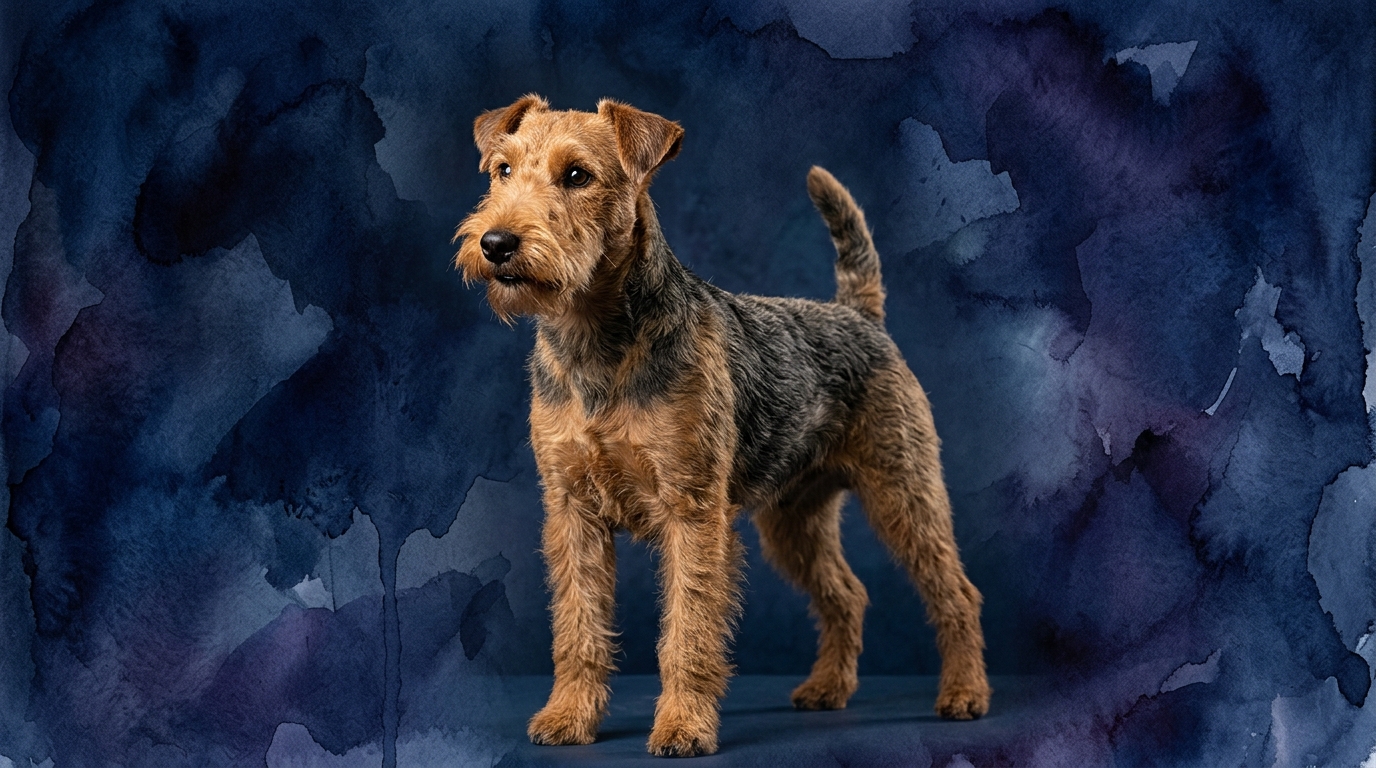
The Welsh Terrier, a tenacious terrier breed, presents a different cognitive profile and is not included in the Coren ranking, often due to their independent nature not aligning with traditional obedience metrics. Their Problem Solving is rated 3/5, suggesting they can figure out solutions, often through persistence, though sometimes on their own terms rather than human-directed. Training Speed is 3/5; while capable of learning, their independent spirit means training requires more consistent motivation and patience to achieve compliance. Social Intelligence is 3/5, indicating they form strong attachments to their families but may be more reserved or selective in their interactions beyond their immediate circle. An Instinctive Drive of 3/5 reflects their deep-seated terrier urges for digging, chasing, and vermin control, which is strong but perhaps less channeled into cooperative tasks than a GSP's. Their Memory is also 3/5, meaning they retain information, but their recall might be influenced by their immediate interests or a strong independent will.
Where the German Shorthaired Pointer Wins Cognitively
The GSP's cognitive strengths lie in its exceptional ability for cooperative problem-solving and rapid assimilation of new information. With a 5/5 in Problem Solving, a GSP can master multi-step commands, navigate complex agility courses, or figure out how to overcome obstacles to retrieve a distant object. Their 4/5 Training Speed means they excel in environments requiring quick learning and precise execution, whether in advanced obedience, field trials, or service dog roles. This quick learning, coupled with their 4/5 Social Intelligence, makes them highly responsive to handler cues, demonstrating an impressive capacity to anticipate and understand human intentions. Their 5/5 Instinctive Drive isn't just about raw energy; it's a focused, purposeful drive that, when channeled, makes them incredibly effective partners in tasks requiring sustained attention and effort, like scent work or search and rescue. A GSP consistently demonstrates the capacity to learn and perform intricate sequences of actions, making them adaptable to diverse working roles.
Where the Welsh Terrier Wins Cognitively
While not scoring as high in cooperative intelligence, the Welsh Terrier possesses a distinct cognitive advantage in self-reliant problem-solving and tenacity. Their 3/5 Problem Solving, though lower than the GSP, is often applied to independent pursuits; a Welsh Terrier might diligently work to open a cabinet, figure out how to escape a yard, or outsmart a puzzle toy purely for its own satisfaction. This breed's 3/5 Instinctive Drive, while not as outwardly cooperative, fuels an unwavering persistence in tasks like digging or tracking a scent trail, demonstrating a singular focus that can be challenging to redirect but impressive in its resolve. Their moderate Social Intelligence (3/5) means they are less reliant on constant human direction, fostering a degree of self-sufficiency. This independence can be a cognitive win for owners who appreciate a dog capable of entertaining itself or making its own decisions in certain contexts, exhibiting a cunning that is uniquely terrier. They are masters of adapting situations to their own advantage, a form of practical intelligence.
Which is Easier to Train and Why
The German Shorthaired Pointer is demonstrably easier to train for most conventional tasks due to its superior Training Speed (4/5) and high Social Intelligence (4/5). GSPs are bred to work closely with humans, possess a strong desire to please, and quickly form associations between commands and actions. Their cooperative nature means they are generally eager participants in training sessions, making them responsive to positive reinforcement and clear instructions. They thrive on having a job and excel in structured learning environments, often picking up new commands in just a few repetitions. Their strong memory (4/5) further solidifies learned behaviors, leading to reliable performance.
In contrast, the Welsh Terrier, with its 3/5 Training Speed and 3/5 Social Intelligence, presents a greater training challenge. While certainly capable of learning, their independent and often stubborn nature means they require more patience, consistency, and creative motivation. A Welsh Terrier might understand a command but choose not to comply if it doesn't align with its immediate interest or if a more compelling distraction arises. Their instinctive drive (3/5) is focused on independent hunting behaviors, which can make redirection difficult without consistent, engaging training methods. Owners must be prepared for a dog that learns at its own pace and often tests boundaries, requiring a firm yet fair approach that makes training feel like a game or a challenge rather than a chore.
Which Suits Active Owners vs. Relaxed Owners
The German Shorthaired Pointer is unequivocally suited for active owners. Their 5/5 Instinctive Drive and high cognitive capacity demand significant physical exercise and mental stimulation daily. These dogs thrive when given a 'job,' whether it's hunting, competitive dog sports like agility or dock diving, or long, vigorous runs. Owners who enjoy spending several hours outdoors, engaging in structured training, or participating in canine activities will find a GSP an ideal, tireless companion. A GSP without sufficient outlets for its energy and intellect can become bored and destructive, channeling its problem-solving skills into undesirable behaviors.
The Welsh Terrier, while certainly not a couch potato, can suit owners with an active lifestyle that may not be as intensely structured or demanding as a GSP's needs. Their 3/5 Instinctive Drive means they require regular exercise – daily walks, playtime, and opportunities to explore – but perhaps not the same sustained, high-intensity output as a GSP. They enjoy vigorous play and can excel in earthdog trials or agility, but their independent nature allows them to be content with less constant human-directed activity. They are a good fit for owners who appreciate a spirited dog that enjoys adventures but also respects their own space, and who can provide consistent mental engagement through puzzle toys and varied training without needing a full-time working partner.
The Verdict
Choose a German Shorthaired Pointer if you seek a highly trainable, cooperative working partner for strenuous outdoor activities, advanced dog sports, or hunting.
Choose a Welsh Terrier if you appreciate an independent, tenacious, and spirited companion for an active yet less rigorously structured lifestyle, valuing cunning and self-reliance.
🧠 Find Your Pet's IQ Score
Our Pet IQ Lab assessment covers 25+ tests across 5 cognitive dimensions — personalized to your breed.
Take the Full IQ Test →Frequently Asked Questions
Do German Shorthaired Pointers need a lot of mental stimulation?
Yes, GSPs require extensive mental stimulation due to their 5/5 Problem Solving and 4/5 Memory. They thrive on learning new commands, engaging in complex tasks, and participating in activities that challenge their intellect, such as advanced obedience or scent work.
Are Welsh Terriers good family dogs despite their independence?
Welsh Terriers can be excellent family dogs, forming strong bonds with their immediate human pack. Their 3/5 Social Intelligence means they are devoted to their family but may be more reserved with strangers, requiring early socialization to ensure they are well-adjusted.
Which breed is better for first-time dog owners?
Neither breed is typically recommended for entirely novice owners without prior research and commitment. However, the GSP's cooperative nature and desire to please might make its training slightly more forgiving for a dedicated first-timer, whereas the Welsh Terrier's independence requires a more experienced hand.