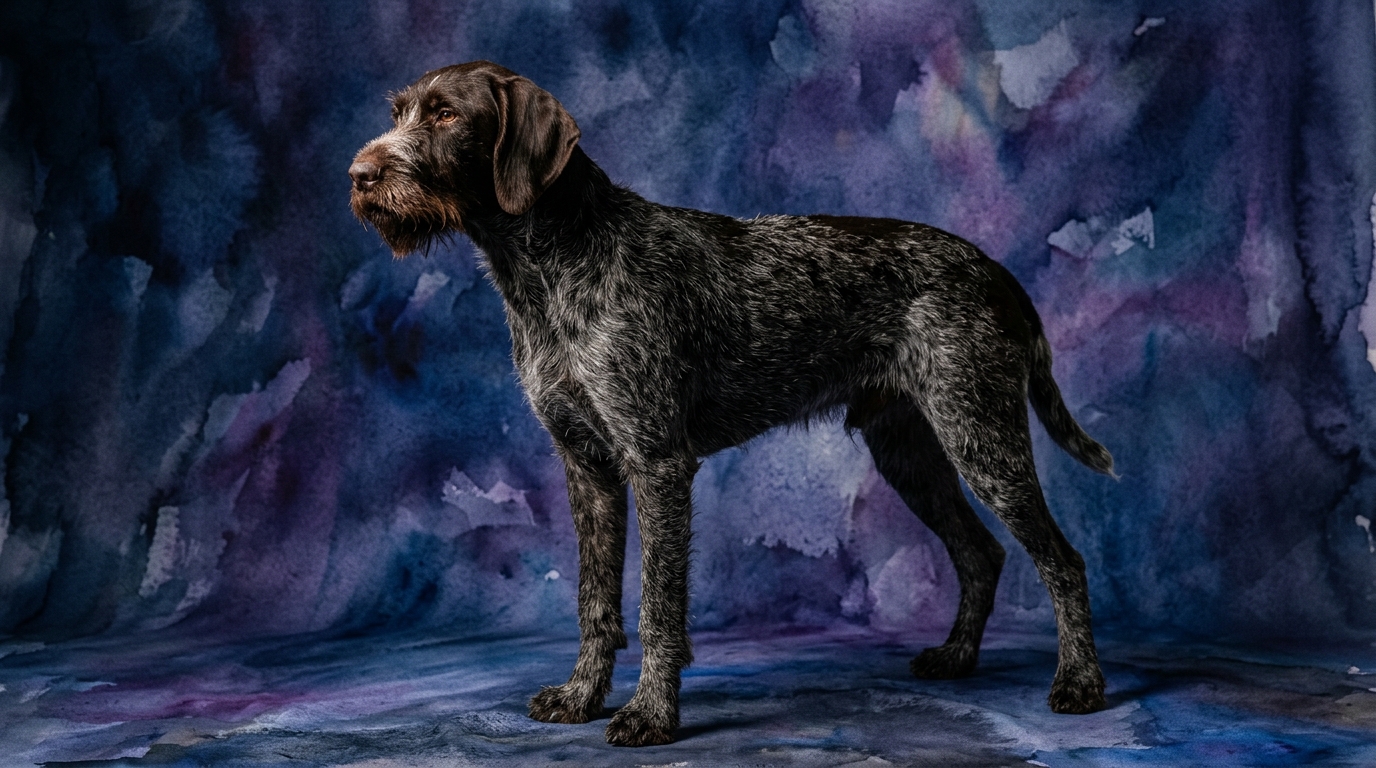
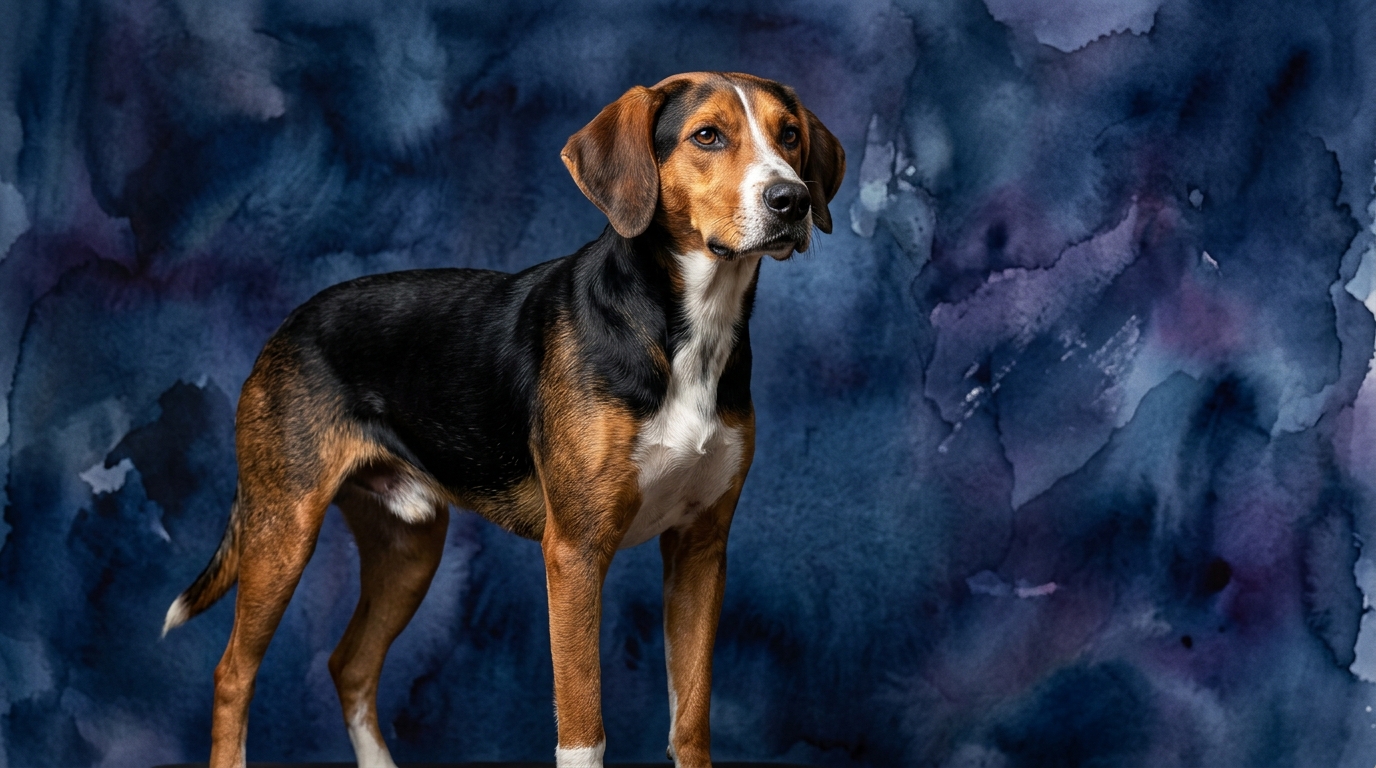
Side-by-Side IQ Profile: GWP vs. American Foxhound
Delving into the specific cognitive dimensions for each breed provides a clearer picture of their inherent capabilities and operational predispositions. The German Wirehaired Pointer, a Sporting breed, and the American Foxhound, a Hound, demonstrate distinct mental architectures.
For the German Wirehaired Pointer:
Problem Solving (4/5): This breed exhibits a notable capacity for independent thought and strategic thinking, often devising solutions to novel challenges encountered in the field, such as navigating complex terrain to retrieve game or figuring out how to open a gate.
Training Speed (4/5): German Wirehaired Pointers grasp new commands and routines with impressive alacrity, demonstrating a quick uptake that makes them responsive to consistent instruction and capable of learning intricate sequences.
Social Intelligence (3/5): Their social acumen allows them to form strong bonds with their human companions and understand subtle cues, though they might be more focused on their primary handler than on broad social interactions within a larger group.
Instinctive Drive (3/5): The Wirehaired Pointer possesses a robust, inherent drive for hunting and retrieving, propelling them to pursue scents and locate game with persistent focus, a trait deeply ingrained for their sporting purpose.
Memory (4/5): With a strong memory, these dogs retain learned behaviors, past experiences, and the locations of previously encountered objects or training spots, making their learned skills durable over time.
For the American Foxhound:
Problem Solving (3/5): American Foxhounds approach challenges with a more straightforward, persistent methodology, relying on their strong senses and endurance rather than complex, adaptive strategies to overcome obstacles in their path.
Training Speed (3/5): While capable of learning, their training progression is often steady rather than rapid, requiring patience and consistent reinforcement to solidify commands, as their focus can be strongly drawn by environmental stimuli.
Social Intelligence (3/5): These hounds thrive in a pack environment, demonstrating good understanding of canine social hierarchies and clear communication within their group, extending this sociability to their human family, albeit with an independent streak.
Instinctive Drive (3/5): The American Foxhound is characterized by an unwavering, powerful instinctive drive for scent-tracking and pursuit, a relentless focus that can overshadow other cognitive functions when a compelling trail is present.
Memory (3/5): They possess a functional memory, recalling familiar routes, scents, and established routines, though perhaps not with the same detailed retention of specific, complex tasks as breeds with higher scores in this dimension.
Where the German Wirehaired Pointer Wins Cognitively
The German Wirehaired Pointer's cognitive profile stands out particularly in its superior Problem Solving and Training Speed. A GWP's ability to independently assess a situation, such as how to flush game from dense cover or retrieve a fallen bird from challenging water, reflects its higher problem-solving score. This isn't just about following commands; it's about adaptive thinking in dynamic environments. For instance, if a trained retrieve path is blocked, a GWP with its 4/5 problem-solving might creatively find an alternative route or method, rather than getting stuck or simply giving up. Its 4/5 Training Speed means it processes new information and associates commands with actions more quickly than many other breeds. This translates to fewer repetitions needed during training sessions and a faster progression through complex tasks, making them highly adaptable to varied sporting demands or advanced obedience work. Their strong memory (4/5) further compounds this advantage, ensuring that once a lesson is learned, it is retained effectively, making their skill set reliable even after periods of inactivity.
Where the American Foxhound Excels Cognitively
While the American Foxhound doesn't boast higher scores across individual cognitive dimensions compared to the GWP, its cognitive strengths are perfectly optimized for its millennia-old purpose: sustained, independent scent-tracking. Its consistent 3/5 in Instinctive Drive is not merely a moderate score; it represents a profound, unwavering commitment to a scent trail that is paramount for a successful hunt. Where a GWP might assess and adapt, an American Foxhound will relentlessly follow, its cognitive resources singularly focused on the olfactory task at hand. This persistent drive, combined with its 3/5 in Social Intelligence, allows it to work harmoniously and effectively within a pack, communicating through vocalizations and body language to maintain cohesion during a long chase. Their cognitive profile leans into endurance and singular focus rather than multi-faceted problem-solving, making them champions of stamina-based pursuits where a steady, unwavering commitment to a goal is the ultimate cognitive asset. This breed's specific cognitive tuning means it excels at the marathon of the hunt, requiring less handler intervention for complex decision-making once on a trail, instead relying on innate drive and pack cooperation.
Which is Easier to Train and Why
Comparing the training ease, the German Wirehaired Pointer generally presents a more straightforward experience due to its higher Problem Solving (4/5) and Training Speed (4/5). A GWP typically grasps new commands with fewer repetitions and can generalize learned behaviors to new situations more readily. For example, teaching a GWP to 'stay' in a variety of distracting environments often progresses quickly because they can analyze the context and apply the learned rule. Their greater capacity for independent problem-solving means they are more likely to attempt to figure out what you want, even if the command isn't perfectly clear. In contrast, the American Foxhound, with its 3/5 in both Problem Solving and Training Speed, requires more patience and consistency. Their strong instinctive drive (3/5) for scent can make them less attuned to handler commands when a compelling scent is present, leading to what some might perceive as stubbornness. Training an American Foxhound often involves more repetition and a greater focus on making training highly rewarding to compete with their natural inclination to follow their nose. While both are trainable, the GWP’s cognitive agility makes it quicker to learn complex tasks and more responsive to varied training approaches, whereas the Foxhound benefits from a highly structured, consistent, and positive reinforcement-heavy regimen to harness its natural drives.
Suitability for Active vs. Relaxed Owners
Both breeds demand a significant commitment to activity, but their cognitive profiles suggest different types of engagement. The German Wirehaired Pointer, with its strong problem-solving and training speed, thrives with active owners who can provide not just physical exercise but also mental stimulation through varied training, puzzle toys, and engaging tasks that challenge their intellect. Owners who enjoy dog sports like agility, obedience, or advanced field work will find a GWP eager to participate and capable of excelling. Their balanced instinctive drive (3/5) means they are driven but also receptive to direction, making them suitable for owners who want a versatile working companion. The American Foxhound, while equally active, suits owners whose activity revolves around endurance-based pursuits. Their relentless instinctive drive (3/5) means they need extensive opportunities for long runs, hikes, or ideally, scent work where they can truly utilize their nose. A relaxed owner will struggle significantly with an American Foxhound, as their need to run and track is deeply ingrained and can manifest as destructive behavior or escape attempts if unfulfilled. While they enjoy companionship, their cognitive makeup is less about varied mental tasks and more about sustained physical and olfactory engagement. Therefore, the GWP suits owners seeking a mentally and physically engaged partner for diverse activities, while the AFH is best for owners who can provide consistent, long-duration physical outlets, particularly those involving scent-tracking.
The Verdict
Choose a German Wirehaired Pointer if you seek a versatile, quick-learning companion eager for diverse mental and physical challenges, from advanced obedience to field trials, and appreciate a dog that actively tries to figure things out alongside you.
Opt for an American Foxhound if your lifestyle allows for extensive, consistent exercise, particularly long-distance running or scent work, and you appreciate a dog with an unwavering drive and deep-seated pack instincts.
🧠 Find Your Pet's IQ Score
Our Pet IQ Lab assessment covers 25+ tests across 5 cognitive dimensions — personalized to your breed.
Take the Full IQ Test →Frequently Asked Questions
Do German Wirehaired Pointers make good family pets given their hunting drive?
Yes, GWP can be excellent family pets, provided their significant needs for mental and physical stimulation are met. Their social intelligence allows them to bond well with family members, but they require consistent training and activities to prevent boredom and channel their energy productively.
How does the American Foxhound's instinctive drive affect its off-leash reliability?
The American Foxhound's strong instinctive drive for scent-tracking means its off-leash reliability can be challenging, especially in unfenced areas. Once on a compelling scent, their focus becomes singular, making recall difficult, so secure containment or leash walking is often recommended.
Are there significant grooming differences related to their cognitive profiles?
While not directly tied to cognition, the GWP's wire coat requires regular stripping or grooming, which can be an opportunity for bonding and training patience. The AFH's short coat is lower maintenance, requiring less direct interaction for grooming, which aligns with its more independent nature when engaged in its primary drive.