Side-by-Side Cognitive Profiles
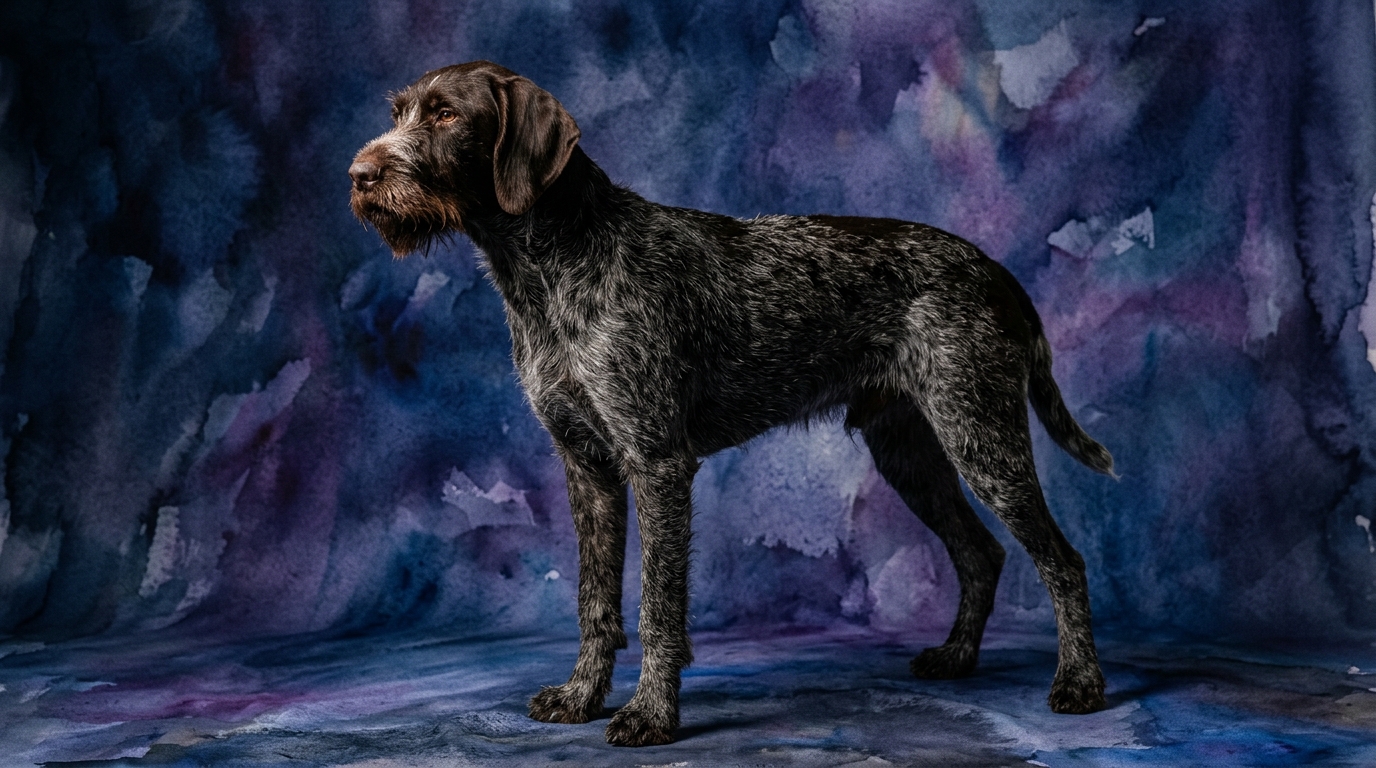
To truly appreciate the unique mental frameworks of these breeds, The Cosmic Pet Pet IQ Lab employs a five-dimensional cognitive assessment. The German Wirehaired Pointer, ranked #28 by Coren, demonstrates a strong aptitude for Problem Solving at 4/5, indicating an inherent ability to strategize and independently navigate complex situations, a trait honed by generations of demanding field work. Their Training Speed also scores an impressive 4/5, reflecting a quick grasp of new commands and a keen desire to cooperate during learning sessions. In Social Intelligence, the GWP registers 3/5, suggesting they competently interpret human cues and interact within social structures, though perhaps not with the nuanced sensitivity of some other breeds. Their Instinctive Drive, rated 3/5, is purpose-driven towards scent work and retrieval, a focused intensity rather than an overwhelming one. Finally, their Memory stands at 4/5, allowing them to recall complex sequences and past experiences with remarkable accuracy.
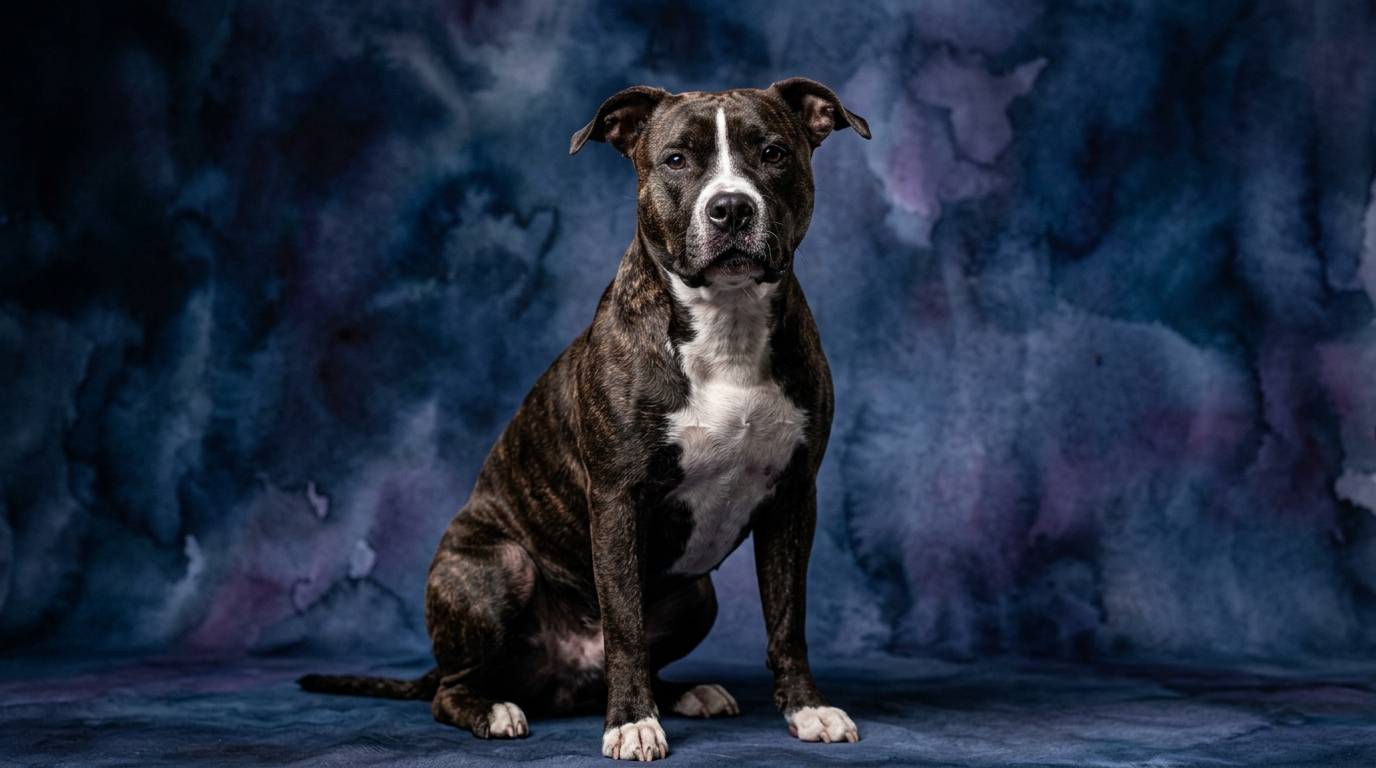
In contrast, the American Staffordshire Terrier, positioned at #48 on the Coren scale, presents a slightly different cognitive emphasis. Their Problem Solving ability is rated 3/5, indicating they are capable of working through challenges but may benefit from more structured guidance or trial-and-error approaches compared to the GWP. A Training Speed of 3/5 means they learn steadily and reliably, absorbing information with consistent repetition, rather than rapid acquisition. Like the GWP, the AmStaff scores 3/5 in Social Intelligence, demonstrating a solid capacity for understanding human emotions and intentions, fostering strong bonds within their family unit. Their Instinctive Drive also sits at 3/5, manifesting as a tenacious focus on tasks and a robust physical persistence, often directed towards play or protective instincts. Notably, the AmStaff shares the GWP's excellent Memory at 4/5, enabling them to remember routines, past interactions, and learned behaviors over extended periods.
Where the German Wirehaired Pointer Shines Cognitively
The GWP's cognitive edge becomes particularly apparent in areas demanding rapid assimilation and independent thought. With a Problem Solving score of 4/5 versus the AmStaff’s 3/5, the GWP is inherently more inclined to analyze and resolve novel situations without constant human intervention. This manifests in their natural ability to navigate challenging terrains during a hunt, locate hidden objects, or independently figure out how to access a desired toy or treat. Their superior Training Speed of 4/5 further solidifies this advantage; GWPs often pick up new commands and complex sequences of actions with fewer repetitions, making them exceptionally responsive to advanced obedience, agility, or field training. This quick cognitive uptake allows them to progress rapidly through training protocols, eagerly absorbing new information and applying it effectively, a clear benefit for owners engaged in performance activities or those who enjoy teaching intricate behaviors.
Where the American Staffordshire Terrier's Cognitive Profile Excels
While the AmStaff doesn't surpass the GWP in raw scores, their cognitive profile excels through a unique blend of tenacity and social acumen. Their 3/5 Social Intelligence, while matching the GWP, is often expressed through deep, intuitive bonds with their human families, allowing them to anticipate needs and offer comfort. This makes them highly attuned companions, deriving satisfaction from cooperative activities. The AmStaff's 3/5 Instinctive Drive, though not geared towards hunting in the same way as a GWP, translates into remarkable determination and resilience. When faced with a problem, an AmStaff might not solve it as quickly, but their drive ensures they will persist with unwavering focus until the task is complete, whether it's mastering a new trick or retrieving a favorite ball repeatedly. Furthermore, their shared 4/5 Memory score means AmStaffs retain positive and negative associations reliably, making consistent training and socialization crucial for fostering positive habits and strong, trusting relationships.
Training Ease: GWP vs. AmStaff
When it comes to ease of training, the German Wirehaired Pointer generally offers a smoother path due to their higher Training Speed (4/5). GWPs often display an eager-to-please attitude combined with a focused attention span, which allows them to quickly connect a command with the desired action. They thrive on clear direction and respond well to positive reinforcement, often showing a rapid understanding of new concepts. Their strong memory further aids in retaining learned behaviors, making them reliable performers once a skill is established. In contrast, the American Staffordshire Terrier, with a Training Speed of 3/5, requires a more patient and consistent approach. While they are capable learners, AmStaffs may take longer to fully grasp and internalize new commands, often needing more repetitions and a highly motivating environment. Their inherent tenacity means they can be persistent, but this also means they can be persistent in their own ideas if not guided firmly and positively from the outset. Early socialization and consistent, reward-based training are paramount to harnessing their potential effectively.
Suited for Active vs. Family-Focused Owners
Considering their distinct cognitive and physical needs, each breed aligns with different owner lifestyles. The German Wirehaired Pointer, with its high problem-solving capacity and strong drive, is an ideal match for active owners who relish outdoor adventures, hunting, or competitive dog sports. They require significant daily physical exercise combined with mental stimulation, thriving on tasks that engage their keen intellect and natural instincts. Owners who appreciate a dog that can quickly learn complex routines and participate in demanding activities will find a GWP an incredibly rewarding partner. Conversely, the American Staffordshire Terrier, while athletic and requiring regular exercise, often fits well into the rhythm of family life with moderately active owners. Their social intelligence and deep loyalty make them exceptional companions who cherish consistent routines and abundant human interaction. Owners who value a devoted, robust family member and are prepared to engage in patient, consistent training and socialization will discover the AmStaff to be a steadfast and affectionate presence in their home.
The Verdict
Choose the German Wirehaired Pointer if you seek a highly biddable, quick-learning companion for demanding outdoor activities, hunting, or competitive dog sports, appreciating their independent problem-solving.
Opt for the American Staffordshire Terrier if you desire a devoted, robust family member who thrives on consistent routines and social interaction, and are committed to patient, positive training.
🧠 Find Your Pet's IQ Score
Our Pet IQ Lab assessment covers 25+ tests across 5 cognitive dimensions — personalized to your breed.
Take the Full IQ Test →Frequently Asked Questions
Do German Wirehaired Pointers require extensive mental stimulation?
Absolutely. With their high problem-solving ability and instinctual drive, GWPs need daily mental challenges alongside physical exercise. Activities like scent work, puzzle toys, and advanced obedience keep their minds engaged and prevent boredom-related behaviors.
Are American Staffordshire Terriers challenging to train?
AmStaffs are not inherently challenging, but their training speed of 3/5 means they require consistency and patience. They respond best to positive reinforcement and clear, firm guidance. Establishing a strong bond and consistent routine is key to successful training.
How do their instinctive drives manifest in daily life for each breed?
The GWP's instinctive drive (3/5) is typically focused on hunting-related tasks like tracking and retrieving, often translating into a strong desire for structured 'work' or purposeful activity. The AmStaff's instinctive drive (3/5) often manifests as tenacious play, strong protective instincts towards their family, and a persistent focus on tasks they enjoy, like tug or fetch.