Side-by-Side Cognitive Profiles
The Cosmic Pet Pet IQ Lab assesses canine intelligence across five key dimensions: Problem Solving, Training Speed, Social Intelligence, Instinctive Drive, and Memory. Intriguingly, both the German Wirehaired Pointer (GWP) and the Border Terrier (BT) achieve identical scores across all these categories, each scoring 4/5 for Problem Solving, 4/5 for Training Speed, 3/5 for Social Intelligence, 3/5 for Instinctive Drive, and 4/5 for Memory. While these numbers suggest a remarkable parity in raw cognitive capacity, the practical application of these abilities varies significantly due to their breed-specific predispositions and historical functions.
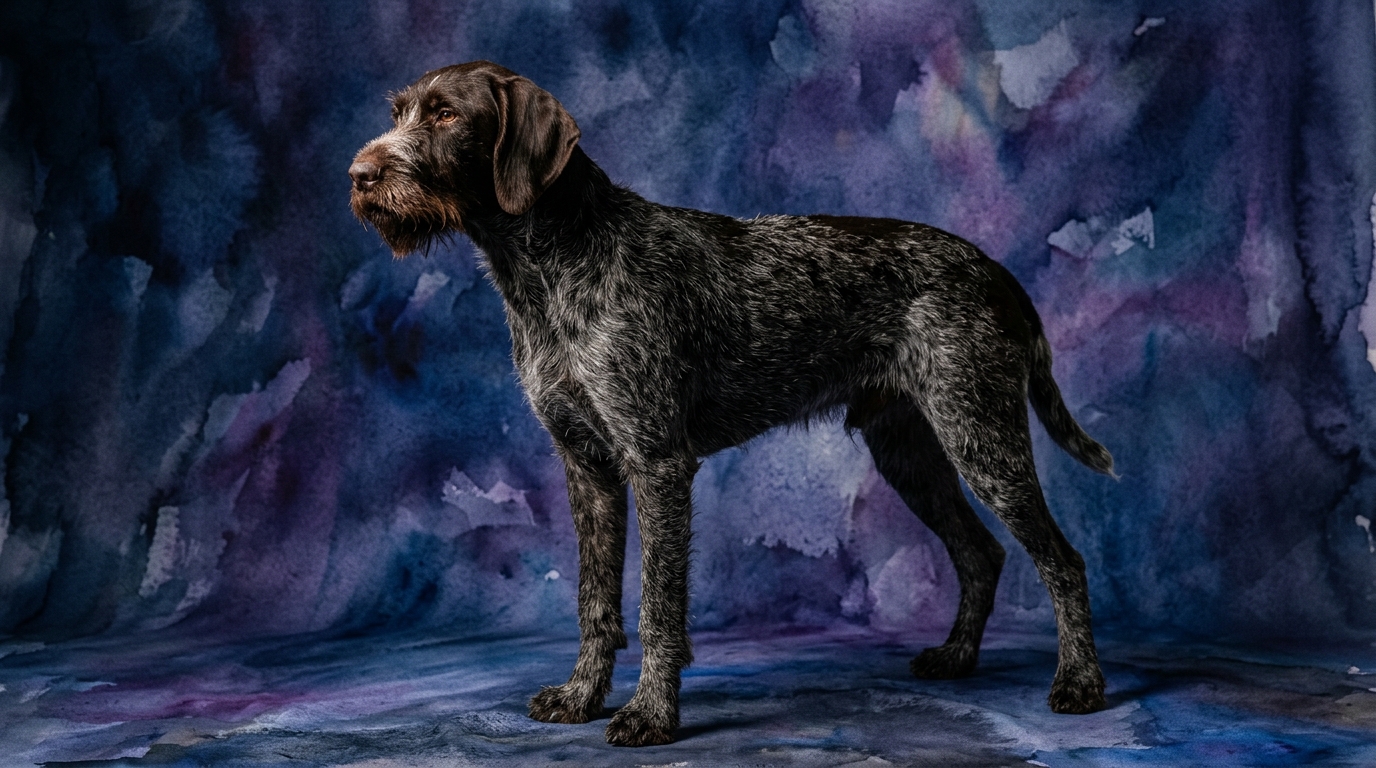
For the German Wirehaired Pointer, a versatile hunting dog, Problem Solving at 4/5 often translates into navigating complex terrains to locate game, interpreting scent trails, and coordinating with a handler during field work. Their Training Speed of 4/5 reflects their eagerness to learn and apply multi-step commands for pointing, retrieving, and tracking. Social Intelligence at 3/5 typically means they can read human cues well in a working partnership, but might be more focused on their task than on broader social interactions. Their Instinctive Drive of 3/5 is specifically channeled towards hunting, a powerful innate urge to find and retrieve. Finally, their Memory at 4/5 enables them to recall intricate routes, scent patterns, and learned commands over extended periods.
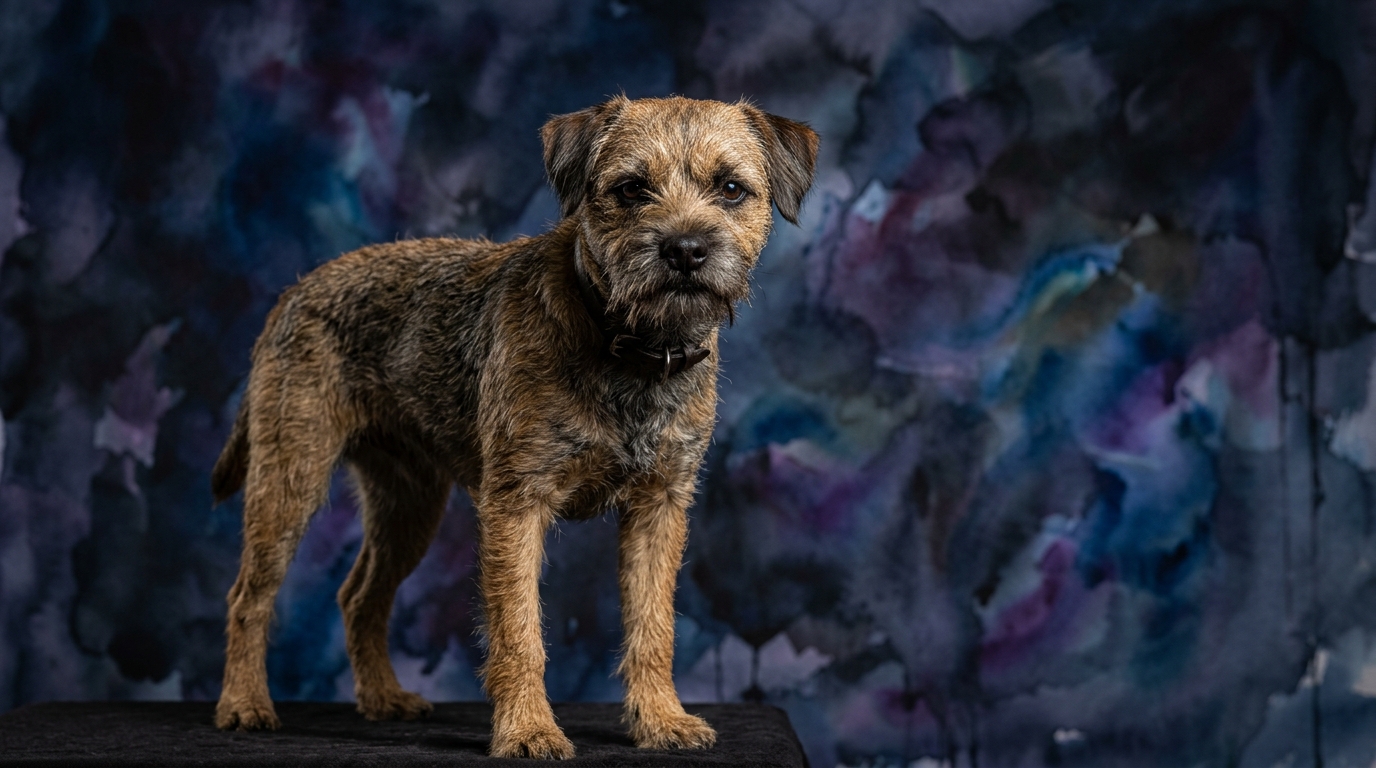
The Border Terrier, bred to bolt foxes and other vermin from their dens, exhibits its 4/5 Problem Solving in a different light. This often involves strategizing how to flush prey from confined spaces, navigating intricate underground tunnels, or finding creative solutions to obstacles in their path. Their 4/5 Training Speed reflects their ability to quickly grasp tasks, particularly those involving agility, earthdog trials, or commands that engage their prey drive. The 3/5 Social Intelligence for a Border Terrier often means they are adept at understanding their immediate human companions and other dogs within their familiar pack, but can be more independent and less overtly people-pleasing than some other breeds. Their 3/5 Instinctive Drive is a strong urge to pursue, dig, and hunt small animals, a core part of their terrier nature. Their 4/5 Memory allows them to remember the locations of burrows, successful hunting strategies, and learned routines with impressive accuracy.
Where the German Wirehaired Pointer Excels Cognitively
While their raw scores are identical, the German Wirehaired Pointer often demonstrates a cognitive edge in tasks requiring sustained focus, cooperative effort, and complex sensory processing related to their hunting heritage. Their problem-solving abilities are particularly refined for scenarios demanding endurance and methodical investigation, such as methodically quartering a field for scent or tracking a wounded bird over long distances. This isn't just about speed, but about the methodical application of their intelligence over time.
Furthermore, the GWP’s training speed, though rated 4/5 like the Border Terrier, often manifests as a more profound desire to work *with* their human partner. This cooperative spirit can make them exceptional at learning intricate sequences of commands for field trials or advanced obedience, where precision and teamwork are paramount. Their memory serves them well in these complex tasks, allowing them to retain a vast repertoire of signals and retrieve specific items from memory, even in distracting environments. This deep-seated inclination to collaborate elevates their cognitive performance in partner-oriented tasks.
Where the Border Terrier Excels Cognitively
The Border Terrier's cognitive strengths, conversely, are best observed in situations demanding tenacity, independent decision-making, and rapid, often audacious, problem-solving in challenging environments. Their 4/5 problem-solving often shines when faced with tight spaces or obstacles that require ingenuity and persistence to overcome, reflecting their history of pursuing vermin underground. They are adept at finding novel solutions when direct approaches fail, exhibiting a cleverness that can surprise owners.
The Border Terrier's 4/5 training speed, while numerically identical to the GWP, is often driven by an intrinsic motivation to engage in activities that stimulate their prey drive or physical prowess, such as agility or earthdog sports. They pick up new skills quickly when they perceive a direct benefit or enjoyment. Their instinctive drive, though rated 3/5, is a powerful force that fuels their independent spirit and determination, making them incredibly effective at their historical job and in modern canine sports that tap into this drive. Their memory is excellent for recalling specific locations or successful strategies, crucial for a breed that historically operated with less direct human guidance in the field.
Training Dynamics: GWP vs. Border Terrier
Both breeds score a 4/5 in Training Speed, indicating they are capable learners. However, the *approach* to training and the owner's experience will differ significantly due to their behavioral nuances. The German Wirehaired Pointer typically exhibits a strong desire to please and a high work ethic, making them generally more tractable in traditional obedience settings. They thrive on having a clear purpose and a consistent routine, and their cooperative nature means they often respond well to positive reinforcement and structured training sessions. Their ability to focus for extended periods and their excellent memory allow them to master complex commands relatively quickly, especially when those commands relate to their natural drives.
The Border Terrier, while equally capable of learning quickly, often requires a more creative and engaging training approach. Their independent spirit and robust terrier tenacity mean they can be more challenging to motivate if they don't see the immediate value or fun in a task. They respond best to positive reinforcement, short, varied sessions, and trainers who understand how to channel their strong instinctive drive rather than suppress it. Consistency is vital, but so is making training feel like a game or an exciting challenge. Their problem-solving skills might lead them to test boundaries, requiring an owner with patience and a sense of humor to keep them engaged and compliant.
Ideal Owners: Active Pursuits vs. Versatile Engagement
Choosing between these two breeds often comes down to an owner's lifestyle and their preferred type of canine companionship. The German Wirehaired Pointer is an excellent fit for highly active individuals or families who enjoy outdoor pursuits like hiking, running, cycling, or hunting. They require substantial daily exercise and mental stimulation, thriving when given a 'job' to do, whether it's field work, advanced obedience, or competitive canine sports. Owners who can commit to regular, vigorous activity and consistent training will find a devoted and capable partner in a GWP. They generally integrate well into family life but need outlets for their energy and intellect.
The Border Terrier, while also requiring significant activity, suits owners who appreciate a spirited, independent companion with a keen mind and an adventurous streak. They are adaptable to various activities, excelling in earthdog trials, agility, flyball, and long walks or hikes. Their smaller size makes them more versatile for different living situations, but their strong prey drive means secure outdoor spaces and leash training are paramount. Owners who are prepared for a dog with a distinct personality, who enjoys a mix of physical challenges and engaging mental games, and who can appreciate their clever, sometimes mischievous, nature, will find a rewarding companion in a Border Terrier.
The Verdict
Choose the German Wirehaired Pointer if you seek a highly cooperative, enduring partner for extensive outdoor activities and structured training, particularly in hunting or competitive obedience.
Opt for the Border Terrier if you desire an independent, tenacious, and clever companion for varied adventures, agility, or earthdog sports, appreciating a dog with a strong personality and drive.
🧠 Find Your Pet's IQ Score
Our Pet IQ Lab assessment covers 25+ tests across 5 cognitive dimensions — personalized to your breed.
Take the Full IQ Test →Frequently Asked Questions
Do German Wirehaired Pointers need a lot of grooming?
Yes, German Wirehaired Pointers have a dense, wiry coat that requires regular brushing, especially during shedding seasons, to prevent matting and maintain skin health. Stripping their coat a few times a year is also recommended to keep it in proper condition and ensure its protective qualities.
Are Border Terriers good with children?
Border Terriers can be good with children, especially if raised with them and properly socialized from a young age. Their sturdy build and playful nature make them resilient, but their terrier tendencies mean supervision is always wise, particularly with very young children or boisterous play.
Which breed is more prone to barking?
Both breeds can be prone to barking, but for different reasons. German Wirehaired Pointers might bark to alert or when bored if not sufficiently exercised, while Border Terriers, with their terrier heritage, often use barking as a communication tool, particularly in response to perceived threats or exciting stimuli like small animals.