Side-by-Side Cognitive Profiles
To understand the unique cognitive landscapes of the German Wirehaired Pointer (GWP) and the Staffordshire Bull Terrier (SBT), we delve into five key dimensions of their intelligence, as observed by The Cosmic Pet Pet IQ Lab.
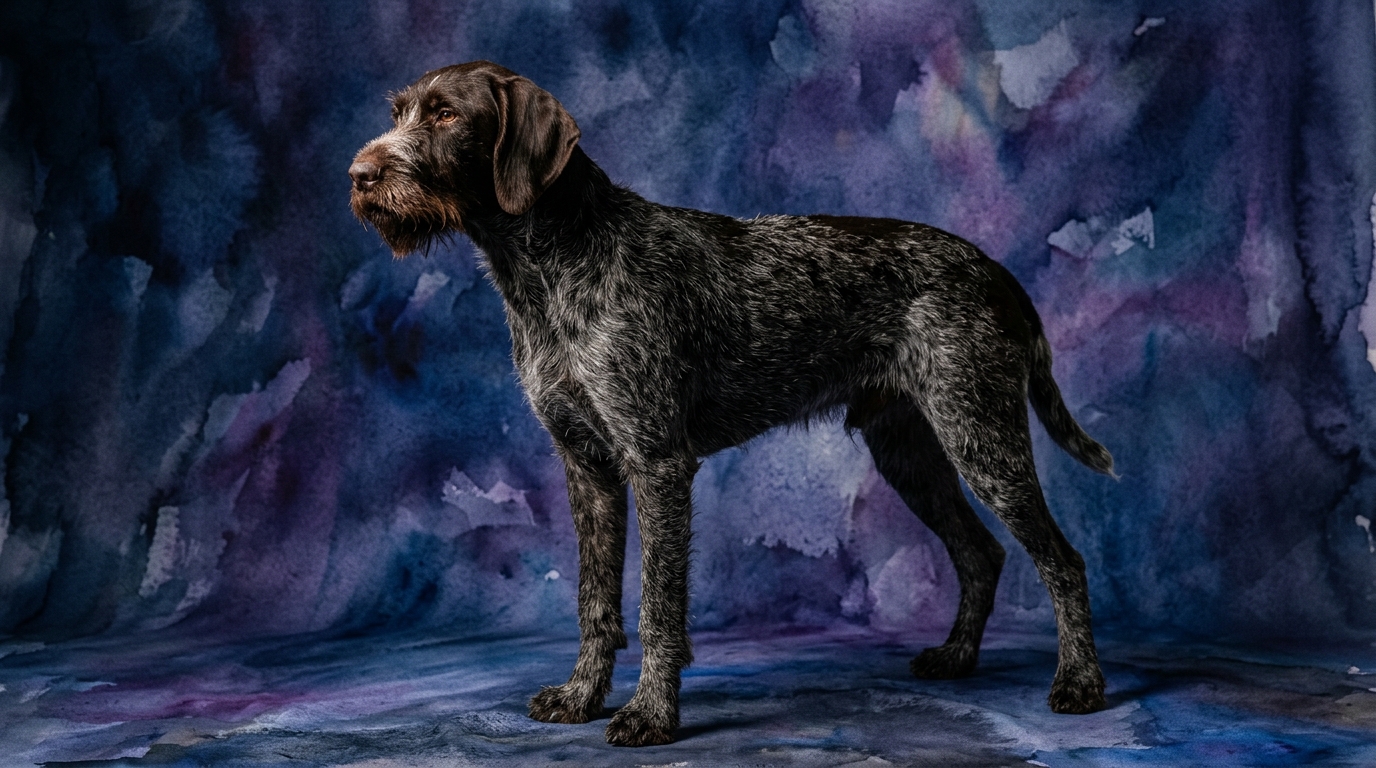
**German Wirehaired Pointer (Coren Rank #28):**
**Problem Solving (4/5):** The GWP demonstrates a robust capacity for intricate problem-solving, adept at deciphering complex sequences like navigating dense cover or strategizing retrieves in challenging environments. Their minds are inherently wired for practical, multi-step solutions in real-world scenarios.
**Training Speed (4/5):** These dogs assimilate new commands quickly, often needing fewer repetitions than many breeds to solidify a behavior. Their eagerness to engage and cooperate with a handler, coupled with a responsive nature, makes them highly amenable to consistent, positive reinforcement.
**Social Intelligence (3/5):** GWP’s form deep, loyal bonds with their immediate family, understanding human cues well within this trusted circle. However, they can exhibit a reserved demeanor with strangers, often prioritizing their task-oriented focus over broader social interactions.
**Instinctive Drive (3/5):** Possessing a pronounced prey drive, their instinct to hunt and track is strong but typically channeled into cooperative ventures. This drive seeks purpose and direction, making them excellent partners in field work rather than independent foragers.
**Memory (4/5):** They boast a strong memory, retaining learned commands, routines, and specific environmental details over significant periods. This cognitive trait is invaluable for building upon past experiences in hunting, training, and companionship.
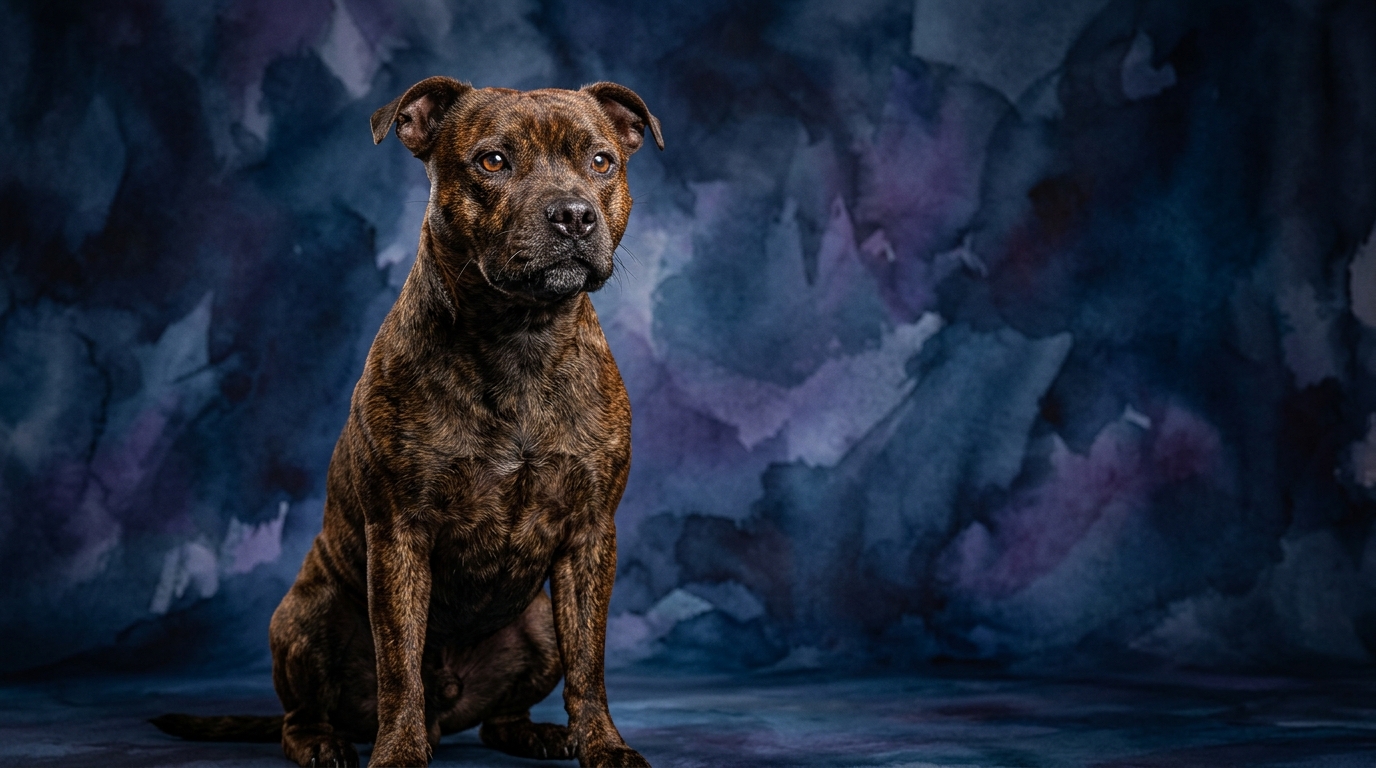
**Staffordshire Bull Terrier (Not Coren-Ranked):**
**Problem Solving (3/5):** The Staffordshire Bull Terrier approaches challenges with remarkable determination and tenacity. While they may not always devise the quickest multi-step solutions, their method is characterized by persistent effort, often relying on physical prowess and sheer will to achieve their objective.
**Training Speed (3/5):** SBTs learn at a moderate pace, flourishing with clear, consistent expectations and engaging motivation. Their inherent independent streak means training requires patience and creative reinforcement, but once a command is mastered, it tends to be deeply ingrained.
**Social Intelligence (3/5):** Renowned for their profound affection within their family, SBTs are often called “nanny dogs” due to their gentle nature with children. They are adept at interpreting emotional cues from their close companions, though their enthusiastic nature can sometimes be expressed boisterously.
**Instinctive Drive (3/5):** Displaying a classic “terrier drive,” they have a strong inclination for digging, chasing small, fast-moving objects, and sometimes assertive interactions with other dogs. This robust drive requires attentive management and redirection into appropriate outlets.
**Memory (3/5):** They possess a solid memory for established routines, familiar people, and known environments. Both positive and negative past experiences significantly influence their future behavior and social interactions, highlighting the importance of early, consistent positive reinforcement.
Where the German Wirehaired Pointer Wins Cognitively
The German Wirehaired Pointer’s cognitive strengths distinctly lie in their sophisticated capacity for complex, sequential problem-solving and rapid assimilation of new information. Their historical role as a versatile hunting dog demands a mind that can process intricate environmental cues, adapt strategies spontaneously, and execute multi-part commands with precision from a handler. This cognitive architecture allows them to excel in advanced obedience, intricate field trials, and demanding scent work, where quick learning and precise execution are essential. Their superior memory further enhances this, enabling them to build a rich repertoire of skills and knowledge over their lifetime.
Where the Staffordshire Bull Terrier Wins Cognitively
The Staffordshire Bull Terrier’s cognitive advantage is most evident in its unwavering determination and emotional resilience. While they may not always be the quickest to grasp intricate, multi-step commands, their approach to problem-solving is marked by sheer persistence; they are remarkably unlikely to abandon a task, even if it demands repeated physical effort. Within their family unit, their social intelligence manifests as a deep, empathetic connection, making them acutely attuned to the emotional states of their trusted people. This emotional robustness allows them to navigate challenges and changes with a pragmatic, enduring spirit, focusing intensely on their immediate objective or beloved companion.
Ease of Training: GWP vs. SBT
The German Wirehaired Pointer generally presents as the more straightforward dog to train for formal obedience and complex, task-oriented activities. Their higher training speed (4/5) and robust memory (4/5) mean they absorb and retain commands efficiently, often requiring fewer repetitions. They possess a natural inclination to work cooperatively with a handler, and their inherent instinctive drive, while potent, is readily channeled into purposeful, guided activities like retrieving or tracking. This makes them highly responsive and eager partners in structured training environments.
Conversely, the Staffordshire Bull Terrier, rated 3/5 for both training speed and memory, typically demands a more patient, creative, and engaging training approach. Their inherent terrier tenacity and occasional independent streak mean they might occasionally test boundaries or require stronger motivation and clear incentives to comply, especially if a more stimulating distraction is present. While undeniably trainable, achieving precise, consistent obedience with an SBT often necessitates more consistent effort, highly rewarding positive reinforcement, and a deep understanding of their strong-willed yet devoted personality. Training an SBT often evolves into a partnership built on mutual trust and respect, fostering compliance through bond rather than swift, inherent subservience.
Matching Breeds to Lifestyles: Active vs. Relaxed Owners
The German Wirehaired Pointer is unequivocally best suited for active owners. Their heritage as a versatile hunting breed imbues them with substantial energy levels, a profound need for mental engagement, and a strong desire for purpose-driven activity. Owners who embrace outdoor pursuits such as hiking, running, hunting, or dog sports like agility and dock diving will discover an ideal companion in a GWP. Their cognitive and physical needs are optimally met when they are given “a job” to do, whether it’s retrieving game, mastering advanced obedience sequences, or exploring vast trails.
The Staffordshire Bull Terrier, while adaptable, thrives with owners who provide consistent engagement rather than purely relaxed companionship. Although famous for their affectionate, indoor “cuddle bug” demeanor, their inherent instinctive drive and physical robustness necessitate regular exercise to prevent boredom and channel their energy constructively. They might not require the same intensity of structured, purpose-driven work as a GWP, but daily vigorous walks, interactive play sessions, and consistent mental enrichment are vital. Owners who appreciate a dog with a robust, spirited personality, enjoy active playtime, and are committed to consistent training will find the SBT a devoted and fulfilling companion, even if their definition of “active” differs from a GWP owner’s.
The Verdict
Opt for the German Wirehaired Pointer if you are an active individual or family seeking a highly trainable, versatile working companion for demanding outdoor adventures, competitive dog sports, or dedicated hunting.
Select the Staffordshire Bull Terrier if you desire a deeply devoted, resilient, and affectionate family dog who thrives on consistent, positive training, engaging interactive play, and a strong, emotionally rich bond with its people.
🧠 Find Your Pet's IQ Score
Our Pet IQ Lab assessment covers 25+ tests across 5 cognitive dimensions — personalized to your breed.
Take the Full IQ Test →Frequently Asked Questions
Is the German Wirehaired Pointer good with children?
German Wirehaired Pointers can be good companions for children, especially if raised together and taught respectful interactions, though their energetic and sometimes boisterous play might be overwhelming for very young kids. Their social intelligence rating of 3/5 indicates they form strong bonds within their family but might require supervision during initial interactions with unfamiliar or very small children.
Do Staffordshire Bull Terriers require a lot of grooming?
Staffordshire Bull Terriers possess a short, smooth coat that is notably low-maintenance, typically requiring only weekly brushing to remove loose hair and occasional baths. This contrasts sharply with the German Wirehaired Pointer’s dense, wiry coat, which necessitates regular stripping or hand-plucking to maintain its protective texture and prevent matting.
Which breed is better for first-time dog owners?
Neither breed is typically recommended for completely novice owners without significant commitment to research and training. The German Wirehaired Pointer’s high energy, strong drive, and extensive training needs demand an owner dedicated to consistent activity and mental stimulation, while the Staffordshire Bull Terrier’s tenacity and robust personality benefit greatly from an owner experienced in positive reinforcement and managing typical terrier traits.