Side-by-Side Cognitive Profiles
The Cosmic Pet Pet IQ Lab assesses five key dimensions of canine intelligence, providing a detailed lens through which to understand a breed's cognitive make-up. For both the Giant Schnauzer and the Airedale Terrier, these scores reveal a fascinating symmetry, yet their manifestation is deeply rooted in their respective breed histories and functions. Let's explore how these identical scores translate into distinct behavioral patterns.
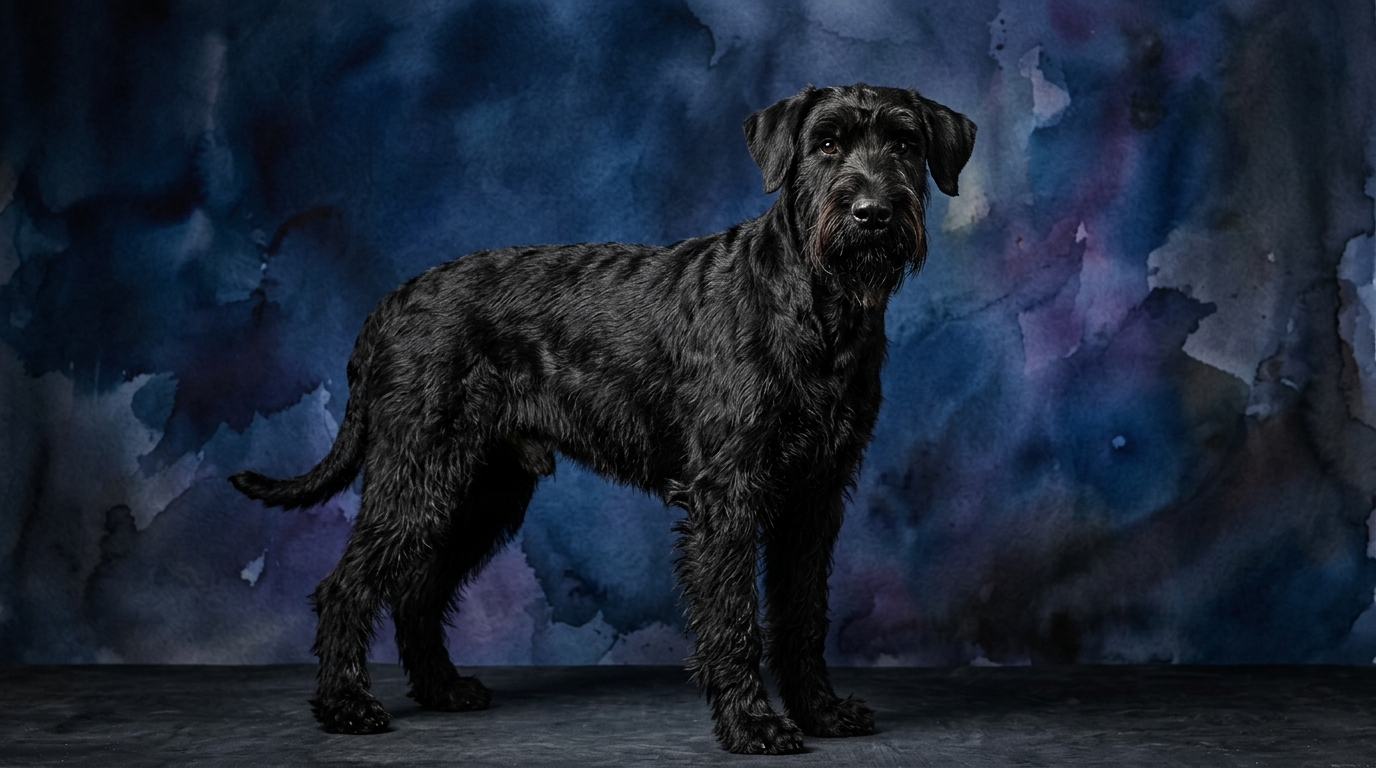
The Giant Schnauzer, ranking #28 in Coren's scale, demonstrates a Problem Solving score of 4/5. This indicates a strong capacity for understanding complex tasks and devising solutions, often within a structured environment. Their Training Speed, also 4/5, points to a quick grasp of commands and routines, a trait honed by their working heritage in guarding and herding. Social Intelligence at 3/5 suggests a focused loyalty and responsiveness to their primary handlers, while their Instinctive Drive, 3/5, is often channeled into protective behaviors and a desire for purpose-driven activity. A Memory score of 4/5 means they retain lessons, routines, and experiences with considerable tenacity, supporting their role as reliable working partners.
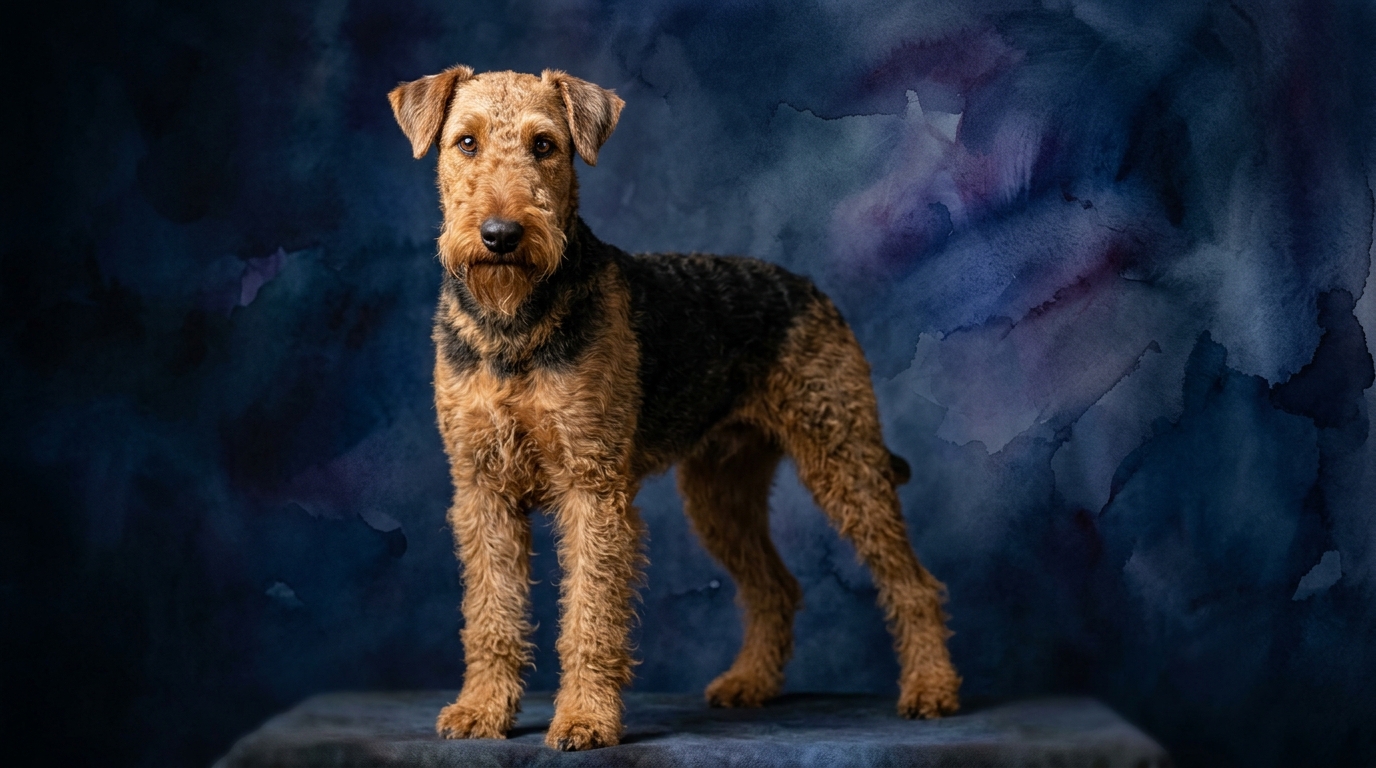
The Airedale Terrier, just one step behind at Coren's #29, mirrors these scores precisely: Problem Solving 4/5, Training Speed 4/5, Social Intelligence 3/5, Instinctive Drive 3/5, and Memory 4/5. However, the interpretation of these scores shifts significantly through the terrier lens. For an Airedale, Problem Solving 4/5 often translates into resourceful independence, a cleverness in navigating obstacles or outsmarting prey. Their Training Speed of 4/5 means they learn quickly, but their terrier tenacity can sometimes lead to selective obedience. Social Intelligence at 3/5 suggests a bond with their family, yet often with a more independent, self-assured demeanor compared to a working breed. Their Instinctive Drive of 3/5 is strongly oriented towards hunting, chasing, and exploring, reflecting their 'King of Terriers' heritage. Similarly, a Memory score of 4/5 supports their ability to recall strategies for independent action and retain lessons, even if they choose when to apply them.
Where the Giant Schnauzer Excels Cognitively
Despite the identical raw scores, the Giant Schnauzer's cognitive strengths lean towards collaboration and structured application. Their 4/5 Problem Solving ability is often expressed in mastering multi-step commands for protection work, advanced obedience, or even service roles. They process sequences and anticipate handler cues with precision, making them adept at learning complex routines that require sustained focus. This isn't just about 'smartness,' but about a cognitive architecture geared towards partnership in task execution.
Their 4/5 Training Speed, coupled with a 3/5 Social Intelligence that prioritizes their chosen human, means they typically integrate new information and expectations into a cooperative framework. They learn quickly not just what to do, but *how* to do it in alignment with their handler's wishes. The 4/5 Memory reinforces this, allowing them to build a deep repertoire of learned behaviors and responses over time, making them exceptionally consistent once a skill is acquired. They excel in environments where clear communication and a defined 'job' are present, thriving on the mental engagement of purposeful activity directed by a trusted leader.
Where the Airedale Terrier Shines Cognitively
The Airedale Terrier's cognitive prowess, while numerically similar, manifests in a more independent and resourceful manner. Their 4/5 Problem Solving is less about following a script and more about devising novel solutions to environmental challenges, often driven by their keen instinctive drives. This might involve figuring out how to bypass a gate, outwit a small critter, or locate a hidden object through sheer cunning and persistence. They are masters of improvisation when pursuing their own agenda.
Their 4/5 Training Speed enables them to quickly grasp cause-and-effect relationships in their environment, learning what actions lead to desired outcomes (from their perspective). However, their 3/5 Social Intelligence, while allowing for strong bonds, is often balanced by a strong sense of self-direction. This means they learn rapidly, but whether they *perform* on command can sometimes depend on their assessment of the situation or their own motivation. The 4/5 Memory serves to store these independently gained insights and successful strategies, making them highly effective at remembering how to achieve their goals, even if those goals diverge from human expectations. They thrive on challenges that allow them to use their intellect to explore, investigate, and overcome.
Which Is Easier to Train and Why
Despite identical 4/5 scores for Training Speed, the 'ease' of training differs significantly between these two breeds, primarily due to their distinct motivations and social orientations. The Giant Schnauzer, as a working breed, typically exhibits a strong desire to please and a natural inclination towards cooperative learning. Their social intelligence, even at 3/5, often translates into a keen attentiveness to their handler's cues and a willingness to engage in structured training sessions. They are generally eager to understand and execute commands, thriving on the positive reinforcement that comes from successful collaboration. Their training journey often feels more direct and linear.
The Airedale Terrier, conversely, embodies the spirited independence characteristic of terriers. While their 4/5 Training Speed means they absorb information quickly, their 3/5 social intelligence is often paired with a robust self-will. They learn rapidly, but they also evaluate the utility of a command from their own perspective. This means training an Airedale often requires more creativity, patience, and consistency to ensure compliance, as their problem-solving skills might be applied to finding alternatives to your requests. They require a handler who can make training engaging and demonstrate clear leadership, understanding that their quick learning can be tempered by their independent streak. Their training journey can be more of a spirited negotiation.
Suited for Active vs. Engaged Owners
Neither the Giant Schnauzer nor the Airedale Terrier is suited for a 'relaxed' owner in the sense of minimal engagement; both are robust, active breeds requiring substantial commitment. However, they suit different *types* of active owners. The Giant Schnauzer thrives with owners who are active and enjoy structured, purposeful activities. Their cognitive profile, particularly their problem-solving and training speed geared towards cooperation, means they excel in environments offering consistent training, dog sports like obedience, agility, or protection work, and inclusion in family routines. They need a 'job' to do and will channel their impressive memory and focus into mastering tasks alongside their human partner. Owners who appreciate a devoted, responsive companion eager for directed activity will find a rewarding partnership.
The Airedale Terrier, while equally active, suits owners who appreciate and can manage a more independent, spirited companion. Their problem-solving skills and instinctive drives demand outlets that may be less structured. Owners who enjoy varied outdoor adventures, can provide creative outlets for digging and chasing, and are prepared for a dog that sometimes operates on its own initiative will be a good match. They need vigorous exercise and mental stimulation that taps into their terrier ingenuity, rather than strictly following commands. Owners who are experienced, confident leaders and enjoy a dog with a distinct personality and a flair for independent action will find the Airedale a captivating companion.
The Verdict
Choose the Giant Schnauzer if you seek a dedicated, highly trainable partner for structured activities and a consistent, cooperative bond. They excel in environments where their cognitive strengths can be channeled into purposeful, handler-directed tasks.
Opt for the Airedale Terrier if you are drawn to an independent, resourceful companion with a spirited personality and a talent for self-directed problem-solving. They thrive with owners who can provide engaging outlets for their natural drives and appreciate their unique terrier tenacity.
🧠 Find Your Pet's IQ Score
Our Pet IQ Lab assessment covers 25+ tests across 5 cognitive dimensions — personalized to your breed.
Take the Full IQ Test →Frequently Asked Questions
Do Giant Schnauzers make good family dogs?
Yes, Giant Schnauzers can be excellent family dogs, particularly for active families who understand their need for training and mental engagement. Their 3/5 social intelligence often translates to a deep loyalty and protectiveness towards their immediate family members, though they benefit from early socialization to ensure they are comfortable with a variety of people and situations.
Are Airedale Terriers prone to digging?
Yes, Airedale Terriers, like many terriers, often have a strong instinctive drive (3/5) for digging, which is part of their heritage as hunting dogs. Providing designated digging areas or engaging them in activities that satisfy this natural inclination can help manage this behavior, as their problem-solving skills (4/5) will often find a way to express this drive if not properly channeled.
Which breed requires more mental stimulation?
Both breeds require significant mental stimulation due to their high problem-solving and memory scores (4/5). The Giant Schnauzer benefits from structured training, complex obedience, and 'jobs,' while the Airedale Terrier thrives on puzzle toys, scent work, and activities that allow them to use their independent problem-solving skills and instinctive drives to explore and investigate.