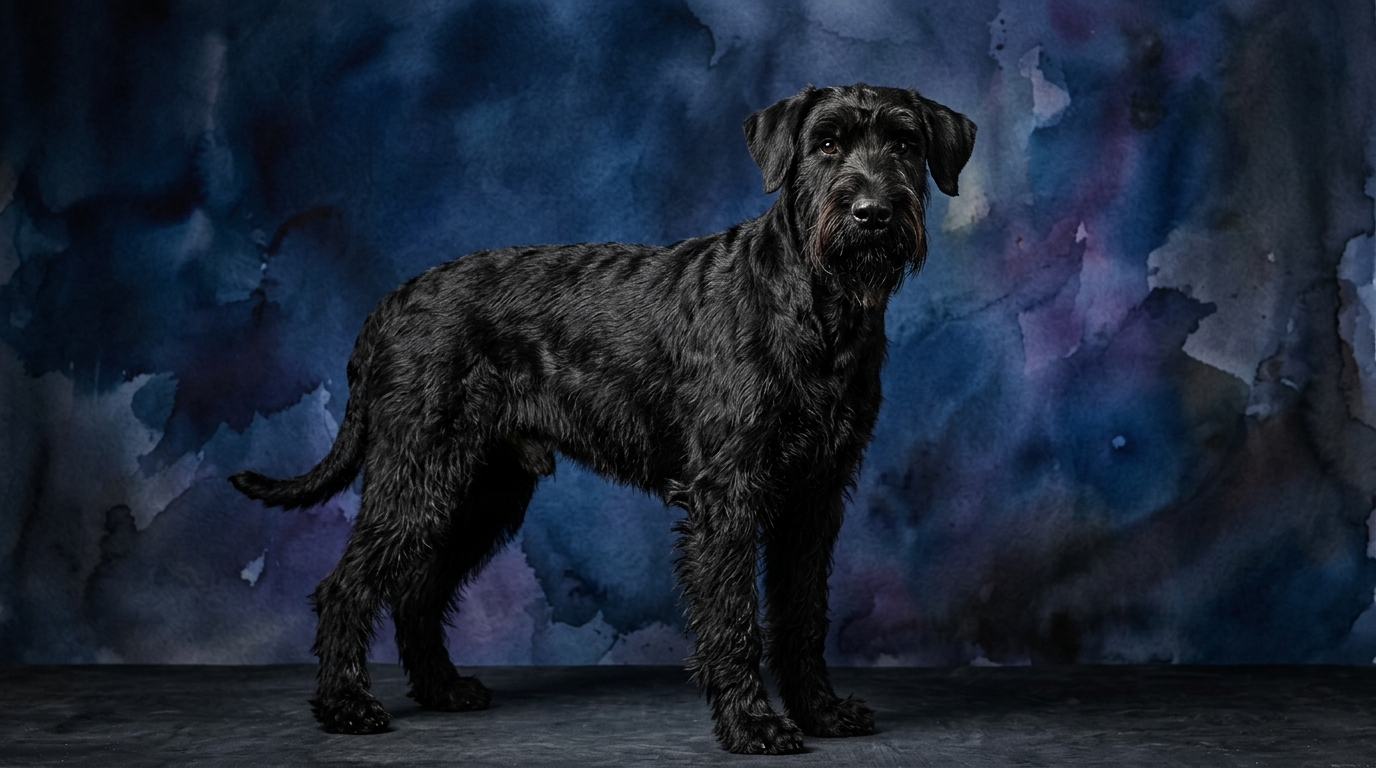
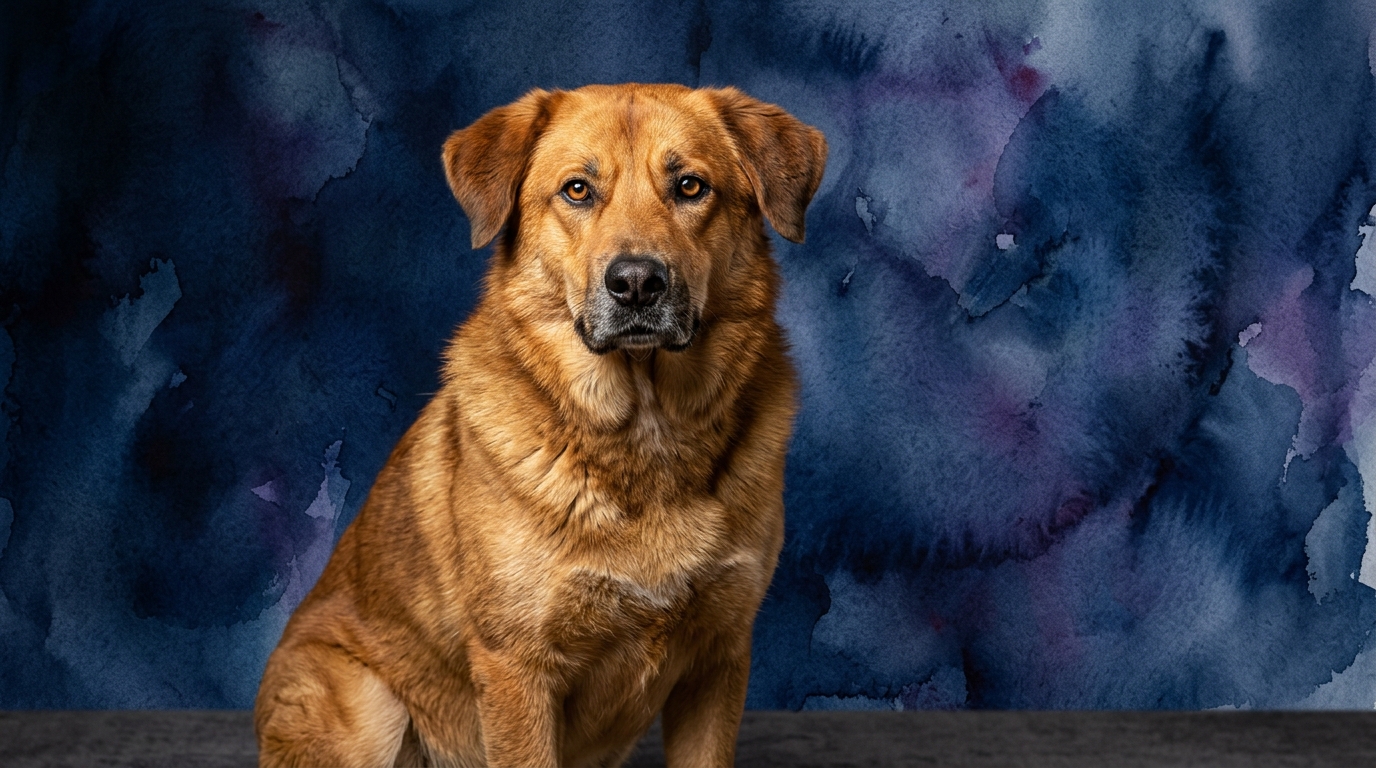
Side-by-Side IQ Profile
**Giant Schnauzer**
**Problem Solving (4/5)**: These dogs often demonstrate a strong capacity for independent thought and figuring out complex situations, such as unlocking gates or devising strategies to retrieve toys. Their cognitive flexibility allows them to adapt quickly to new challenges and learn intricate tasks.
**Training Speed (4/5)**: The Giant Schnauzer typically grasps new commands and routines with impressive swiftness, often requiring fewer repetitions than many other breeds. This rapid learning curve stems from their focus and eagerness to engage in structured activities.
**Social Intelligence (3/5)**: While capable of strong bonds with their family, Giant Schnauzers tend to be reserved with strangers and can be discerning in their social interactions. Their social intelligence is more about loyalty and understanding their immediate pack dynamics rather than seeking broad social engagement.
**Instinctive Drive (3/5)**: Their drive manifests as a strong protective instinct and a desire for purpose, often channeling into guarding, herding, or high-energy sports. This isn't an overwhelming prey drive, but a focused intensity for tasks.
**Memory (4/5)**: Giant Schnauzers exhibit excellent retention of learned behaviors, commands, and experiences, making them consistent performers once a skill is mastered. They remember routines and past interactions with remarkable clarity.
**Chinook**
**Problem Solving (3/5)**: Chinooks typically approach problems with a steady, rather than overtly inventive, mindset, often relying on learned patterns or owner guidance. While they can navigate challenges, they may not display the same level of independent strategic thinking as some other working breeds.
**Training Speed (3/5)**: These dogs learn at a moderate pace, benefiting from consistent, positive reinforcement and clear instructions. They are willing to learn but may require more repetitions to solidify new commands compared to faster-learning counterparts.
**Social Intelligence (3/5)**: Chinooks are generally amiable and form strong, devoted relationships with their families, often displaying a gentle demeanor. Their social intelligence emphasizes harmonious co-existence and a desire to be part of the family unit, showing a balanced approach to interactions.
**Instinctive Drive (3/5)**: The Chinook's drive is primarily rooted in their heritage as sled dogs, manifesting as a sustained desire to pull and work cooperatively. It's a purposeful, enduring drive rather than an explosive one, focused on collaborative effort.
**Memory (3/5)**: Chinooks possess a reliable memory for routines and commands, allowing them to retain learned behaviors over time. Their recall is solid, though perhaps not as acutely detailed or long-lasting as breeds scoring higher in this dimension.
Where Giant Schnauzer Wins Cognitively
The Giant Schnauzer’s cognitive strengths shine particularly in areas demanding quick uptake and complex reasoning. Their 4/5 in Problem Solving means they are often adept at navigating novel situations, such as figuring out how to open a childproof gate or devising a method to reach a treat placed out of immediate reach, rather than simply giving up. This capacity for independent strategizing gives them an edge in dynamic environments or competitive dog sports requiring ingenuity. Furthermore, their 4/5 Training Speed translates to a faster acquisition of skills, making them excellent candidates for advanced obedience, protection work, or intricate trick training, where new commands are integrated into their repertoire with minimal repetition. Lastly, a 4/5 Memory ensures that once a skill or a behavioral expectation is learned, it is deeply embedded, leading to consistent performance without frequent refreshers, which is invaluable in maintaining a complex training regimen over time.
Where Chinook Wins Cognitively
While the Chinook's IQ scores are consistently moderate, their true cognitive "win" lies in the balanced and predictable nature of their intelligence, particularly suited for their historical role and specific companionship needs. Their steady 3/5 in Instinctive Drive means a persistent, cooperative work ethic, historically focused on pulling sleds over long distances, rather than a high-intensity prey drive that might be challenging for some owners. This translates to a dog that is less prone to impulsive chasing behaviors and more inclined towards sustained, collaborative activities. Moreover, their consistent 3/5 in Problem Solving and Memory, combined with a 3/5 in Social Intelligence, implies a dependable, amiable companion who is not overly prone to boredom-induced mischief from under-stimulation in the same way a higher-scoring breed might be. They thrive on clear, consistent leadership and routine, offering a steadfast presence that is less cognitively demanding for owners to manage day-to-day, making them an excellent choice for those seeking a harmonious, less 'high-maintenance' intellectual partner.
Which Is Easier to Train and Why
Based on their respective Training Speed scores, the Giant Schnauzer (4/5) is generally easier and faster to train than the Chinook (3/5). The Giant Schnauzer's rapid learning curve means they pick up new commands and cues with fewer repetitions, often demonstrating an inherent drive to understand and perform tasks. This quick uptake is coupled with their strong memory, making the retention of learned behaviors robust. In contrast, the Chinook, while willing and eager to please, learns at a more moderate pace. They benefit significantly from patience, consistency, and a positive reinforcement approach, requiring more repetitions to solidify new commands. For instance, teaching a complex multi-step retrieve might take a Giant Schnauzer only a few sessions to grasp the sequence, whereas a Chinook might need several more dedicated training periods to achieve the same level of proficiency and reliability. Owners looking for a dog that can quickly master a wide array of commands and advanced tasks will find the Giant Schnauzer more responsive to their training efforts.
Which Suits Active Owners vs. Relaxed Owners
The Giant Schnauzer, with its 4/5 in Problem Solving and Training Speed, combined with a 3/5 Instinctive Drive that seeks purpose, is better suited for active owners who relish engaging in structured activities. These dogs thrive when given a 'job' and require consistent mental stimulation through training, dog sports like agility or obedience, and daily problem-solving challenges. Their cognitive makeup means they can become bored or restless if not adequately stimulated, potentially leading to undesirable behaviors. Conversely, the Chinook, with its consistent 3/5 scores across the board, including Instinctive Drive, aligns well with owners who are active but perhaps less inclined towards intense, mentally demanding dog sports. Chinooks enjoy regular physical exercise, such as hiking, jogging, or even recreational sledding, but their cognitive demands are more about consistent routine and companionship rather than constant intellectual challenges. They are less likely to invent their own "problems" if left to their own devices, making them a good fit for active families seeking a steady, amiable companion without needing to constantly invent complex mental tasks.
The Verdict
Choose a Giant Schnauzer if you are an experienced owner seeking a highly trainable, versatile working partner eager for complex mental challenges and quick to learn advanced skills.
Opt for a Chinook if you desire a steady, amiable companion with a predictable cognitive profile and a cooperative drive for consistent physical activity, thriving on routine and harmonious family life.
🧠 Find Your Pet's IQ Score
Our Pet IQ Lab assessment covers 25+ tests across 5 cognitive dimensions — personalized to your breed.
Take the Full IQ Test →Frequently Asked Questions
Is the Giant Schnauzer prone to destructive behaviors if not mentally stimulated?
Yes, due to their high problem-solving capacity and drive, Giant Schnauzers can become bored and resort to destructive behaviors like chewing or digging if their mental and physical exercise needs are not consistently met. They require regular engagement to channel their cognitive energy constructively.
How does the Chinook's "instinctive drive" manifest in a typical home environment?
The Chinook's 3/5 instinctive drive, rooted in sled pulling, often translates to a desire for steady, purposeful activity and a cooperative nature. In a home, this means they enjoy leashed walks, hiking, or even pulling a cart, and are generally less prone to high-intensity chasing behaviors compared to breeds with strong prey drives.
Are Giant Schnauzers good with children given their social intelligence score?
With a 3/5 social intelligence, Giant Schnauzers are typically loyal and protective of their family, including children, but they can be reserved with strangers. Early socialization and consistent training are crucial to ensure they understand appropriate interactions and remain tolerant and gentle around all family members.