Side-by-Side Cognitive Profiles
The Cosmic Pet Pet IQ Lab employs five key dimensions to evaluate canine intelligence, offering a nuanced view of how breeds process the world. Let's examine how the Giant Schnauzer and Miniature Poodle stack up across these critical areas.
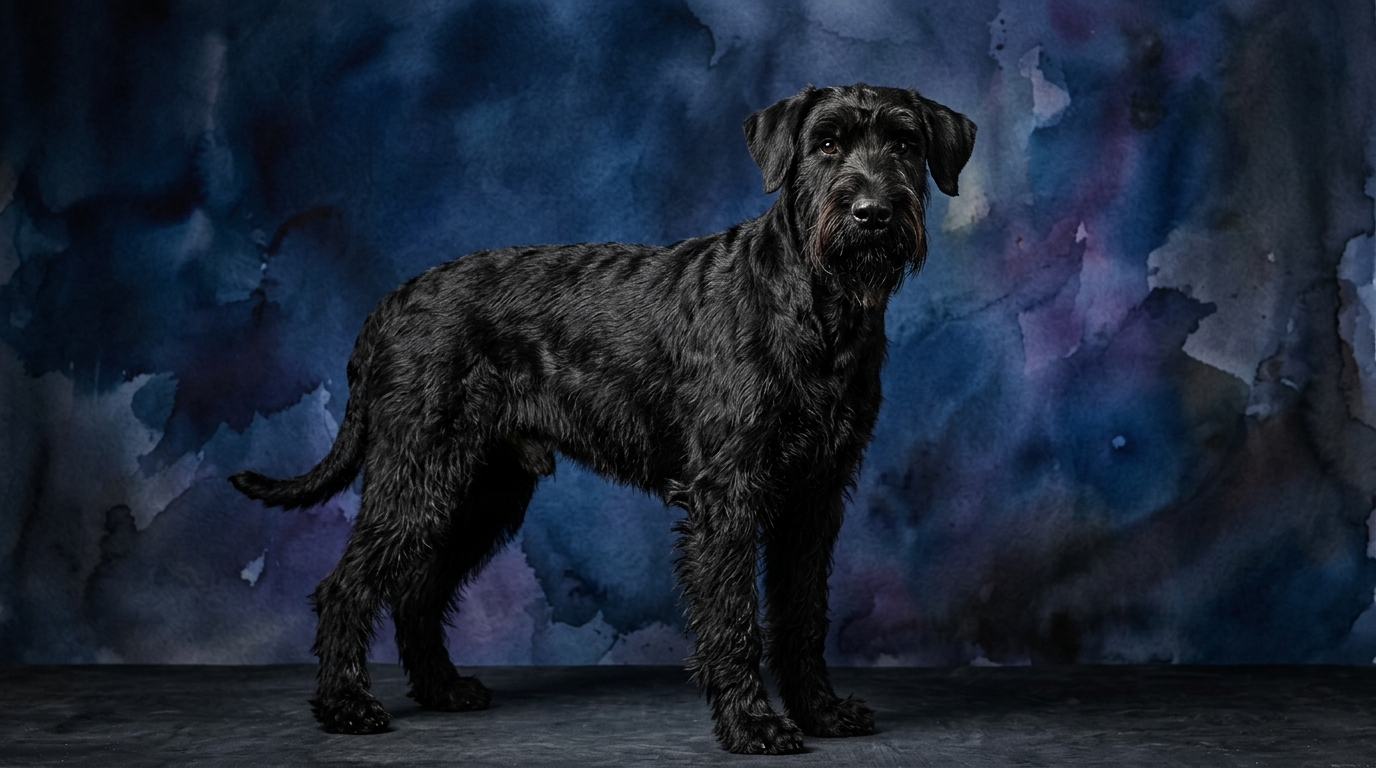
The **Giant Schnauzer**, a robust member of the Working group, earns a Coren rank of #28, reflecting a significant capacity for learning and task execution. Its Problem Solving is rated 4/5, indicating a strong ability to navigate complex situations and figure out solutions independently. Training Speed also scores 4/5, meaning these dogs generally pick up new commands and routines with efficiency, though they may require consistent motivation. Social Intelligence stands at 3/5, suggesting they understand human cues and social hierarchies adequately but might not be as overtly expressive or adaptable in novel social contexts. Their Instinctive Drive is 3/5, pointing to a moderate level of inherent behaviors like guarding or herding, which can be channeled in training. Finally, Memory is rated 4/5, demonstrating a solid ability to retain learned behaviors and recall past experiences.
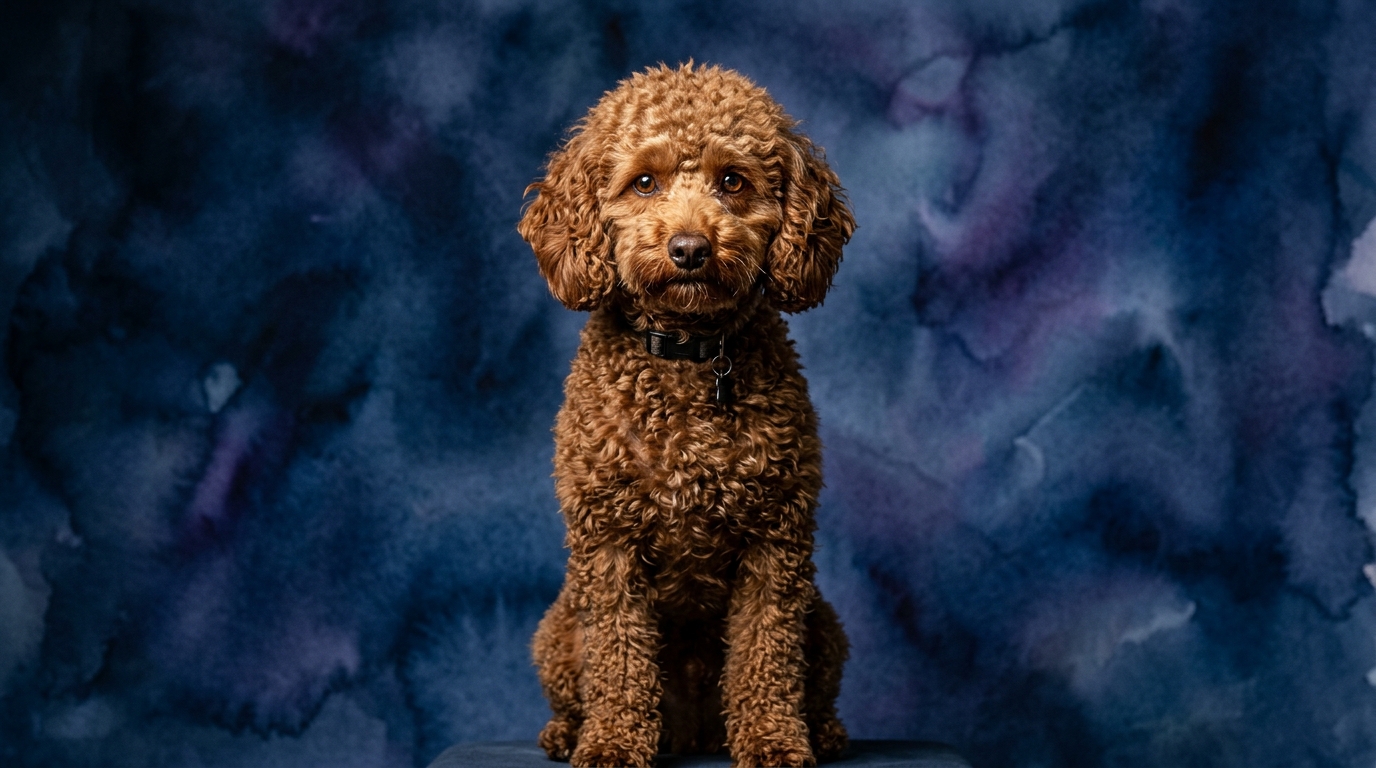
In contrast, the **Miniature Poodle**, from the Non-Sporting group, boasts an exceptional Coren rank of #2, placing it among the most capable learners. Its Problem Solving reaches a perfect 5/5, signifying an outstanding capacity to analyze and resolve intricate challenges, often finding creative solutions. Training Speed is also 5/5, indicating an unparalleled aptitude for quickly grasping and executing new commands, often with minimal repetition. Social Intelligence is 3/5, matching the Giant Schnauzer, suggesting a similar baseline for understanding social dynamics. Instinctive Drive is likewise 3/5, meaning they possess a moderate level of inherent drives, though these often manifest in playful or retrieving behaviors rather than guarding. Crucially, their Memory is 5/5, demonstrating an extraordinary ability to store and retrieve information, making long-term retention of training and experiences remarkably strong.
Where the Giant Schnauzer Wins Cognitively
While the Miniature Poodle shows higher scores in several areas, the Giant Schnauzer holds a distinct edge in cognitive application related to its working heritage. Its Problem Solving at 4/5, combined with a robust physical presence, means it excels at tasks requiring both mental fortitude and physical execution in real-world, dynamic environments. Imagine a Giant Schnauzer on a farm, tasked with patrolling boundaries or assisting with livestock; its problem-solving would involve navigating varied terrain, assessing potential threats, and making independent decisions based on observation, not just rote commands. This breed's cognitive strength lies in its ability to integrate its physical capabilities with its understanding of a situation, often requiring a higher degree of self-reliance than a companion breed. Their 3/5 instinctive drive, while not as high as some herding breeds, is often geared towards protective instincts and vigilance, which, when coupled with their memory and problem-solving, allows them to be highly effective in roles requiring guardianship or sentry duties, where anticipating and reacting to environmental changes is paramount. This breed often thrives on having a 'job' that engages both their brain and body.
The Giant Schnauzer's cognitive profile suggests a brain wired for purposeful action and resilience. While the Poodle might solve a puzzle box faster, the Schnauzer is more likely to devise a way to overcome a physical obstacle to reach a goal or to persistently work through a complex, multi-step task that requires sustained effort and focus. Their 4/5 memory ensures that once they learn a task, especially one tied to their working role, it is deeply ingrained, allowing for reliable performance over time, even in high-stakes situations.
Where the Miniature Poodle Wins Cognitively
The Miniature Poodle's cognitive superiority is evident in its unparalleled scores across Problem Solving (5/5), Training Speed (5/5), and Memory (5/5). This combination makes them exceptional learners and adaptable companions. Their perfect Problem Solving score means they can quickly analyze novel situations and devise effective strategies, whether it's figuring out a complex puzzle toy or understanding how to manipulate a human for a treat. This isn't just about speed; it's about the depth of their understanding and their capacity for abstract thought, allowing them to generalize learned concepts to new scenarios. For instance, a Poodle might learn a sequence of commands and then, when faced with a slightly altered sequence, still deduce the correct actions with minimal guidance.
The Miniature Poodle's 5/5 Training Speed is a testament to their eagerness to learn and their rapid acquisition of new skills. They often require fewer repetitions to master a command, making advanced obedience, trick training, and dog sports a natural fit. This rapid learning is profoundly supported by their 5/5 Memory, which ensures that once a lesson is learned, it is retained with remarkable fidelity. Owners often report Poodles remembering commands and routines even after long breaks, a clear indicator of their robust long-term memory. This cognitive strength allows them to build a vast repertoire of behaviors and respond consistently to cues, making them highly versatile and responsive companions. Their social intelligence, while rated 3/5, is often expressed through an eagerness to engage and cooperate, further enhancing their trainability.
Which is Easier to Train and Why
Based on the Cosmic Pet Pet IQ Lab's metrics, the Miniature Poodle is generally easier to train than the Giant Schnauzer. The Poodle's perfect 5/5 score in Training Speed means they absorb new information with remarkable rapidity, often requiring fewer repetitions to master a command. This is complemented by their 5/5 Memory, ensuring that learned behaviors are retained for extended periods, making training sessions highly productive and long-lasting. Their eagerness to engage with their human companions also contributes to this efficiency; they often appear to actively seek out learning opportunities and respond positively to positive reinforcement.
The Giant Schnauzer, with a 4/5 in Training Speed and 4/5 in Memory, is still a very capable learner, but typically requires more consistent effort and perhaps a slightly different approach. While they grasp concepts well, their working dog heritage can sometimes manifest as a stronger independent streak, meaning they might require more motivation or a clearer purpose behind a command to fully commit. They learn and retain, but the process may involve more patience and consistency to ensure the desired behavior becomes ingrained, especially when competing with their inherent drives. The Poodle's tendency to be more "people-focused" in its learning style often makes the training process feel more fluid and less challenging for the average owner.
Which Suits Active Owners vs. Relaxed Owners
The choice between a Giant Schnauzer and a Miniature Poodle hinges significantly on an owner's lifestyle and their capacity to provide mental and physical engagement. The **Giant Schnauzer** is undeniably suited for active owners. Originating as working dogs, they possess a formidable combination of physical stamina and a need for mental stimulation. Their cognitive profile, particularly their problem-solving and memory, thrives when given consistent tasks and opportunities to work. Owners who enjoy long hikes, engage in dog sports like agility or obedience, or can provide a 'job' such as protection work or advanced training, will find the Giant Schnauzer to be a fulfilling companion. A relaxed owner who cannot commit to rigorous daily exercise and consistent mental challenges may find a Giant Schnauzer becomes bored, potentially leading to undesirable behaviors as they seek their own stimulation.
The **Miniature Poodle**, while often perceived as a delicate lapdog, is far from it. Their exceptional cognitive abilities mean they also require significant mental engagement, making them suitable for active owners who enjoy activities like dog sports, trick training, or advanced obedience. However, their physical requirements, while substantial, can often be met with varied activities such as brisk walks, interactive play, and puzzle toys, rather than constant, intense 'work.' Their adaptability and eagerness to learn make them suitable for owners who might be active in bursts or enjoy intellectual engagement with their dog, even if not constantly on the go. A moderately active owner who enjoys consistent, stimulating interaction and can provide regular exercise will find a Miniature Poodle thrives. They can adapt to a slightly less intense lifestyle than the Giant Schnauzer, provided their minds are kept busy.
The Verdict
Choose the Giant Schnauzer if you are an experienced, active owner seeking a resilient, purposeful companion for demanding tasks and consistent training. This breed thrives with a 'job' that engages its physical prowess and independent problem-solving.
Opt for the Miniature Poodle if you desire an exceptionally quick learner and adaptable companion for varied activities, from advanced obedience to family life. This breed excels with owners who can provide consistent mental stimulation and appreciate rapid progress in training.
🧠 Find Your Pet's IQ Score
Our Pet IQ Lab assessment covers 25+ tests across 5 cognitive dimensions — personalized to your breed.
Take the Full IQ Test →Frequently Asked Questions
Do Giant Schnauzers and Miniature Poodles get along well with other pets?
Giant Schnauzers, with their moderate social intelligence and protective instincts, often do best when introduced to other pets carefully and socialized from a young age. Miniature Poodles, also having moderate social intelligence, tend to be more adaptable and can typically coexist peacefully with other pets, especially when raised together or introduced thoughtfully.
Are Giant Schnauzers or Miniature Poodles better for first-time dog owners?
The Miniature Poodle, due to its higher training speed and memory, is generally more forgiving for first-time dog owners who are committed to consistent positive reinforcement training. The Giant Schnauzer, while capable, often benefits from an owner with experience handling a strong-willed working breed.
What kind of mental stimulation do these breeds need daily?
Both breeds require daily mental stimulation. For the Giant Schnauzer, this might involve advanced obedience, scent work, or a structured 'job' around the home. The Miniature Poodle thrives on puzzle toys, learning new tricks, interactive play, and consistent engagement in training sessions to keep their sharp minds occupied.