Side-by-side IQ profile
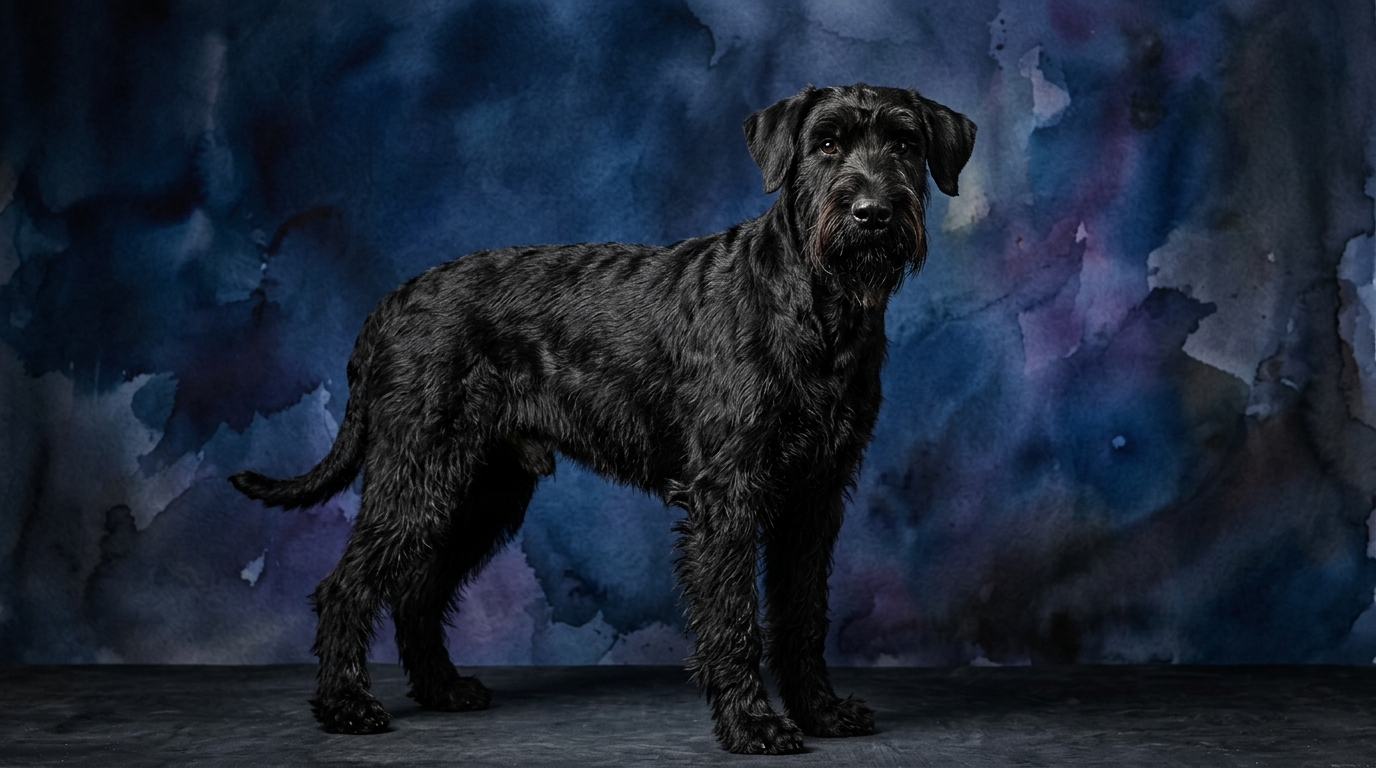
The Giant Schnauzer, a formidable member of the Working Group, registers a Coren ranking of #28, indicating a notable capacity for understanding and executing commands. Our Pet IQ Lab assessment scores them 4/5 for Problem Solving, reflecting their aptitude for navigating complex situations and devising solutions, often independently. Their Training Speed also stands at a robust 4/5, suggesting a quick grasp of new commands and routines. In Social Intelligence, they score 3/5, indicating a balanced ability to interpret and respond to human and canine social cues, though perhaps with a more reserved initial approach. Instinctive Drive is rated 3/5, pointing to a moderate but purposeful inherent motivation for tasks aligned with their protective and working heritage. Finally, their Memory is strong at 4/5, enabling them to retain learned behaviors and experiences over extended periods.
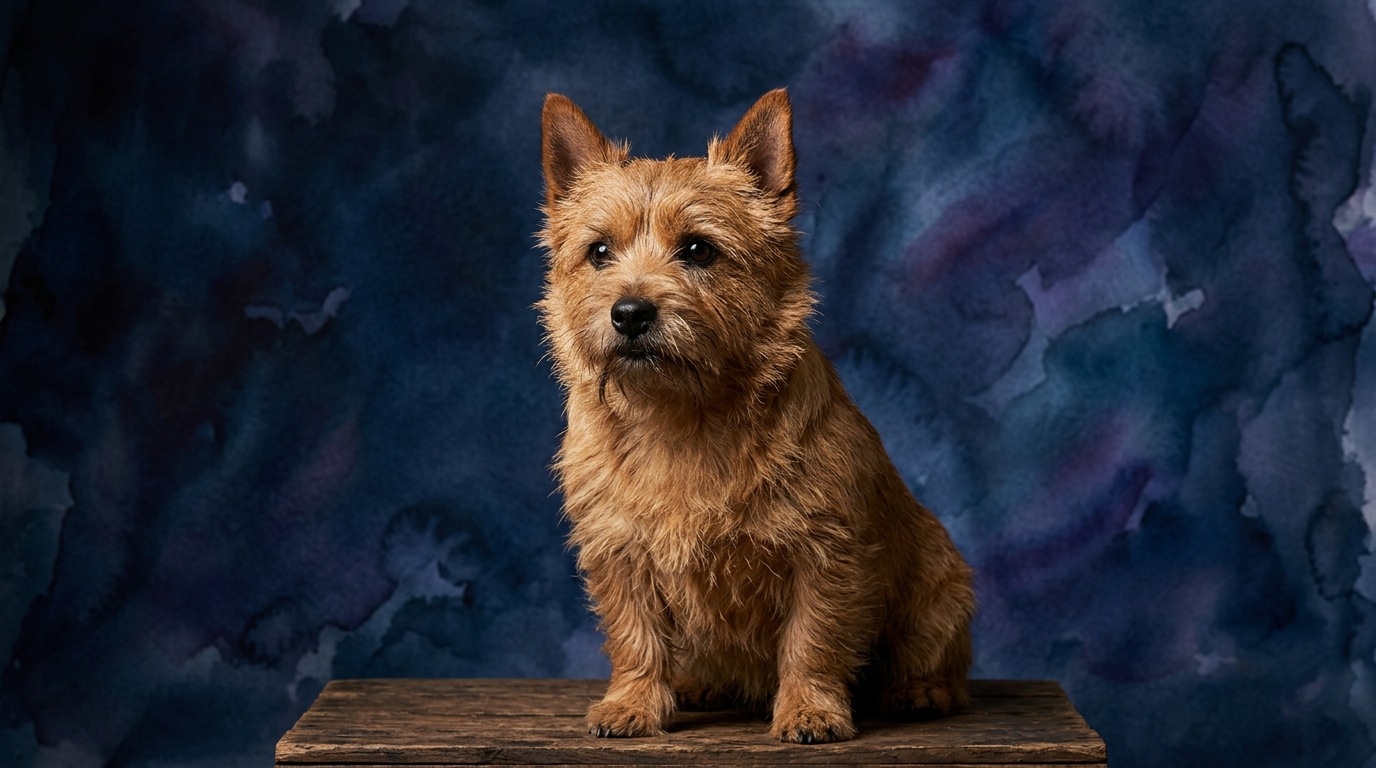
In contrast, the Norwich Terrier, a compact and spirited member of the Terrier Group, is not listed on Coren's ranking, which often reflects breeds with less consistent or specialized training for obedience competition. Their Pet IQ Lab scores show a consistent 3/5 across all five dimensions. For Problem Solving, a 3/5 suggests they can tackle straightforward challenges but might require more guidance for intricate puzzles. Their Training Speed at 3/5 indicates a steady, if not rapid, pace for acquiring new skills, often requiring patience and positive reinforcement. Social Intelligence, also 3/5, means they are generally adept at social interactions, though their independent terrier spirit might lead to selective engagement. Their Instinctive Drive, rated 3/5, is characteristically terrier-like – strong and focused on prey drive and exploration, manifesting as tenacious determination. Memory at 3/5 suggests they retain information adequately, though perhaps not with the same depth or longevity as breeds scoring higher in this area, necessitating consistent reinforcement.
Where Giant Schnauzer wins cognitively
The Giant Schnauzer's cognitive strengths clearly emerge in areas demanding complex thought and rapid learning. Their 4/5 Problem Solving score means they are more likely to independently figure out how to open a gate, navigate an unfamiliar environment, or even understand a sequence of tasks without explicit step-by-step instruction. This contrasts with the Norwich Terrier's 3/5, where more direct guidance or simpler solutions might be preferred. Furthermore, the Giant Schnauzer's superior Training Speed (4/5 versus 3/5) allows them to absorb new commands and routines with greater efficiency, making advanced obedience, protection work, or intricate trick training more accessible. Their 4/5 Memory score also means these learned skills and solutions are retained more reliably over time, requiring less frequent refreshers than a breed with a 3/5 memory rating. This combination makes them particularly adept at roles requiring sustained mental engagement and the application of past learning to new contexts.
Where Norwich Terrier wins cognitively
While the Norwich Terrier's scores might appear lower, their specific cognitive profile offers distinct advantages, particularly in areas where independence and focused determination are paramount. Their consistent 3/5 across all dimensions, especially Instinctive Drive, translates into a tenacious and persistent approach to their interests, such as exploring new scents or pursuing small moving objects. This focused drive, while sometimes challenging for owners, means they are less likely to be deterred by minor obstacles once they've set their minds on something, a quality that can be channeled into specific tasks. Their 3/5 Social Intelligence, coupled with their independent nature, often results in a straightforward, less complicated social demeanor; they are generally affable but not overly needy for constant interaction, which can be a relief for owners seeking a dog comfortable with its own company. Unlike breeds with extremely high problem-solving scores that might outsmart their owners, the Norwich Terrier's 3/5 problem-solving often means their challenges are more predictable and manageable for the average owner, making their cognitive demands less intense in daily life.
Which is easier to train and why
The Giant Schnauzer unequivocally presents as the easier breed to train for a wide range of tasks, primarily due to their higher scores in Training Speed (4/5) and Problem Solving (4/5). Their capacity to quickly grasp and retain new information, coupled with an ability to apply learned concepts to novel situations, means they often require fewer repetitions and respond faster to cues. For instance, teaching a Giant Schnauzer a complex multi-step command like "fetch the leash from the hook" would likely progress faster and be retained more reliably than with a Norwich Terrier. The Norwich Terrier, with its 3/5 in both Training Speed and Problem Solving, requires a more patient, consistent, and often more creative approach to training. Their inherent terrier tenacity and occasional independent streak mean that while they are capable learners, they might be less inclined to comply if they don't see the immediate value or if the training isn't engaging enough. Their lower memory score also implies that skills might need more frequent reinforcement to remain sharp.
Which suits active owners vs relaxed owners
The Giant Schnauzer is best suited for active owners who can provide consistent mental stimulation and physical exercise. Their 3/5 Instinctive Drive, coupled with their higher Problem Solving and Memory scores, means they thrive when given a "job" or engaging activities like advanced obedience, agility, or even protection work. Owners who enjoy long hikes, structured training sessions, and interactive games will find the Giant Schnauzer a willing and capable partner. A relaxed owner might find their need for engagement overwhelming, potentially leading to boredom-induced behaviors. The Norwich Terrier, while possessing a 3/5 Instinctive Drive that manifests as energetic bursts and a desire to explore, can adapt to a slightly less intense lifestyle than the Giant Schnauzer. Their smaller size and more focused drive mean that regular walks, playtime, and opportunities for scent work can often satisfy their needs. While they enjoy activity, they might be more content with periods of relaxation, making them a better fit for owners who are active but also appreciate quieter moments at home without constant demands for complex mental engagement.
The Verdict
Choose the Giant Schnauzer if you are an experienced, active owner seeking a highly trainable, mentally engaged partner for advanced training, protective roles, or competitive dog sports. Their superior problem-solving and memory will thrive with consistent intellectual challenges.
Opt for the Norwich Terrier if you appreciate a spirited, independent companion with a manageable cognitive demand, suitable for an active household that values tenacity and a straightforward social demeanor in a smaller package. They fit well with owners who can provide consistent, engaging training without needing an overly complex canine mind.
🧠 Find Your Pet's IQ Score
Our Pet IQ Lab assessment covers 25+ tests across 5 cognitive dimensions — personalized to your breed.
Take the Full IQ Test →Frequently Asked Questions
Is the Giant Schnauzer good for first-time dog owners?
The Giant Schnauzer's impressive cognitive abilities and strong protective instincts require an owner who understands consistent leadership and dedicated training. While not impossible, a first-time owner must be committed to extensive socialization and ongoing mental stimulation to manage their complex needs effectively.
Do Norwich Terriers bark a lot due to their instinctive drive?
Norwich Terriers do possess a keen instinctive drive, which historically involved alerting to vermin, and this can translate into barking at perceived threats or novel stimuli. While not excessively vocal, their alert nature means they will use their voice to communicate, requiring early training to manage this trait effectively.
How do their social intelligence scores impact their interactions with other pets?
Both breeds score 3/5 in social intelligence, suggesting a generally adequate ability to interact with other pets. The Giant Schnauzer's interactions might be more structured or protective, while the Norwich Terrier's independent streak could mean they are selective but generally tolerant, though their prey drive might require careful introductions to smaller animals.