Side-by-Side IQ Profile: A Cognitive Blueprint
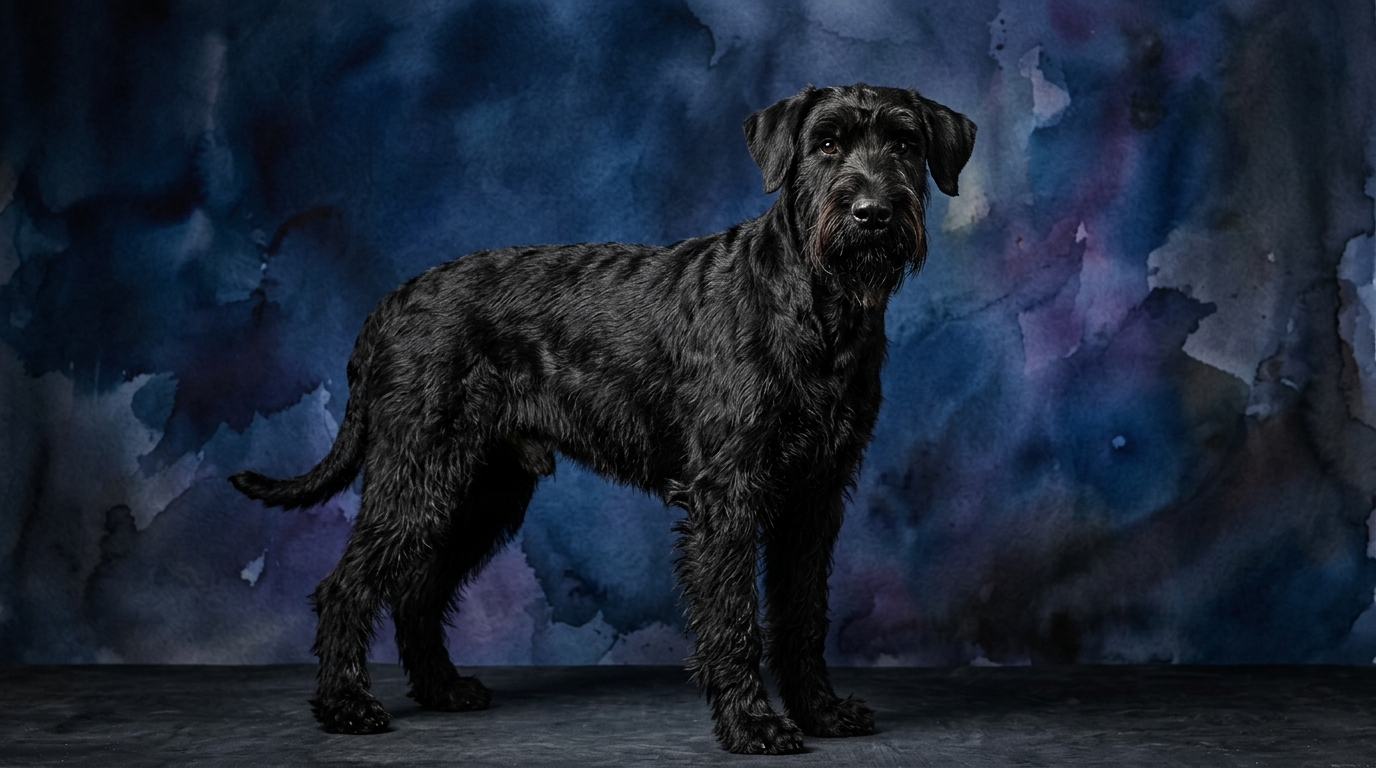
**Giant Schnauzer (Working Group, Coren Rank #28):** This robust working dog presents a cognitive profile indicating a high capacity for learning and task execution. Its Problem Solving is rated at 4/5, suggesting a strong aptitude for navigating complex situations and figuring out solutions independently, often involving sequences of actions. Training Speed also stands at 4/5, reflecting a quick uptake of new commands and routines, a hallmark of breeds developed for intricate work. Social Intelligence is 3/5, meaning they can read human cues and form deep bonds, though they might be discerning with strangers. An Instinctive Drive of 3/5 points to a moderate prey drive coupled with strong protective instincts, while their Memory, at 4/5, ensures excellent retention of learned behaviors and experiences over time, crucial for consistency in their duties.
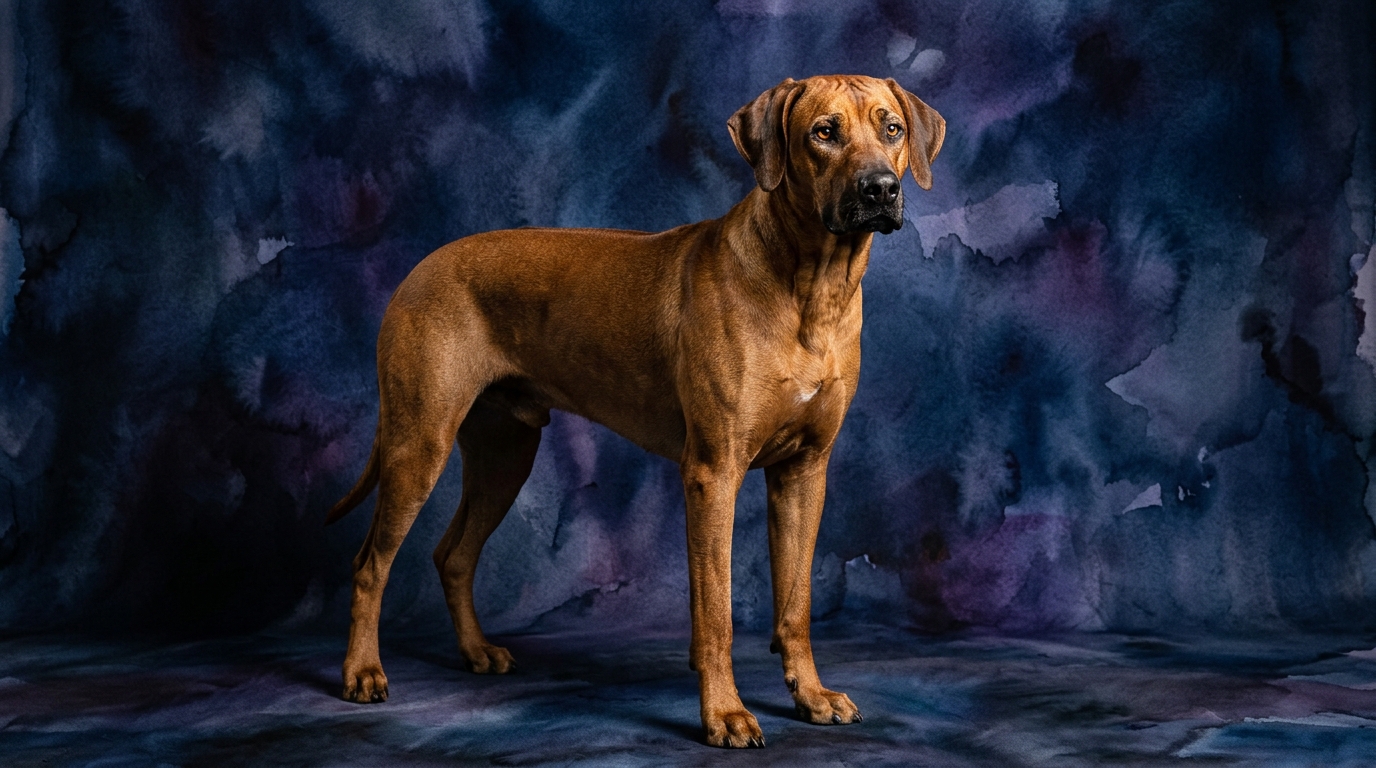
**Rhodesian Ridgeback (Hound Group, Coren Rank #52):** Hailing from a lineage of independent hunters, the Rhodesian Ridgeback's cognitive makeup reflects its self-reliant heritage. Its Problem Solving ability is rated 3/5; while capable, they often prefer to apply established methods rather than constantly devising novel solutions, particularly if it aligns with their inherent instincts. Training Speed is also 3/5, indicating they learn at a steady pace but thrive on consistent reinforcement and benefit from methods that tap into their innate drives. Social Intelligence is 3/5; they are deeply loyal to their family unit but can exhibit a reserved demeanor towards outsiders, valuing their personal space. Their Instinctive Drive, also 3/5, is strongly geared towards tracking and pursuit, requiring keen environmental awareness. Memory, rated 3/5, shows good retention, especially for routines and important people or places, though perhaps not with the same detail as breeds bred for complex, multi-stage tasks.
Where the Giant Schnauzer Wins Cognitively
The Giant Schnauzer, with its higher Coren rank of #28 compared to the Ridgeback's #52, generally exhibits a more pronounced aptitude for understanding and executing complex human-directed tasks. This is most evident in its superior Problem Solving score of 4/5. This breed doesn't just follow instructions; it demonstrates a remarkable capacity for independent thought when faced with novel challenges, often strategizing and adapting its approach to achieve a desired outcome. This trait makes them exceptional candidates for advanced obedience, protection work, or intricate dog sports where a dog must interpret subtle cues and make decisions.
Furthermore, the Giant Schnauzer's Training Speed, also at a robust 4/5, signifies a quicker grasp of new commands and behavioral sequences. Owners often find these dogs absorb lessons with fewer repetitions, making the initial stages of training, and the introduction of new skills, a more fluid process. This rapid assimilation of information is directly tied to their historical role as versatile working dogs, requiring them to learn and retain a diverse range of duties. Coupled with a Memory score of 4/5, the Schnauzer not only learns quickly but also retains that knowledge reliably, ensuring long-term consistency in performance and recall of past experiences.
Where the Rhodesian Ridgeback Excels Cognitively
While the Rhodesian Ridgeback's individual cognitive scores might appear lower or equal in some categories, its particular blend of traits fosters a unique cognitive strength rooted in its hound heritage. Its Instinctive Drive, rated 3/5, is not just about raw power, but about a highly sophisticated, self-directed focus on scent and tracking. This demands immense environmental problem-solving: interpreting complex olfactory information, spatial reasoning to navigate terrain, and making independent decisions in pursuit, often far from human direction. This specific application of problem-solving, though rated 3/5, represents a mastery of autonomous action and sensory interpretation critical for their original purpose.
The Ridgeback's Social Intelligence, also 3/5, manifests as a profound, unwavering loyalty to its immediate family, often accompanied by a reserved and discerning nature towards strangers. This isn't a deficit but a cognitive preference for a tightly knit social circle, where their problem-solving and memory are intensely focused on the dynamics and safety of their pack. Owners who appreciate a dog that is deeply bonded but also possesses a dignified independence, rather than constant outward social exuberance, will find this trait a distinct advantage. Their inherent self-sufficiency means they don't always require constant human validation to engage their minds; they can find satisfaction in their own observations and explorations.
Which is Easier to Train and Why
When comparing ease of training, the Giant Schnauzer generally presents a more straightforward path for the average owner, largely due to its superior Training Speed (4/5) and its ingrained desire to work alongside humans. These dogs are often eager to please and thrive on structured routines, responding well to consistent positive reinforcement. Their working breed lineage means they are predisposed to understanding and executing complex chains of commands, making them excellent candidates for advanced obedience, agility, or protection sports. They quickly grasp what is expected of them and find satisfaction in performing tasks accurately.
The Rhodesian Ridgeback, with a Training Speed of 3/5, requires a different approach. While capable of learning, their independent hound nature means they often need to understand the “why” behind a command, or at least find it intrinsically rewarding, before fully committing. They are not as inherently driven to please as the Schnauzer; instead, they are motivated by their own interests, which often involve scent and exploration. Training a Ridgeback demands immense patience, consistency, and creative methods that engage their natural drives, rather than simply expecting rote compliance. Owners must build a strong foundation of trust and respect, making training a collaborative effort rather than a directive one.
Which Suits Active Owners vs. Those Seeking Less Demanding Engagement
Neither the Giant Schnauzer nor the Rhodesian Ridgeback is suitable for truly relaxed or sedentary owners; both are powerful breeds with substantial energy reserves. However, they demand different types of activity and engagement. The Giant Schnauzer thrives with owners who enjoy structured, task-oriented activities. Their higher Problem Solving and Training Speed mean they excel in dog sports like obedience, rally, agility, or even protection work, which provide both physical exertion and crucial mental stimulation. An owner who enjoys teaching new tricks, participating in classes, or giving their dog a “job” will find the Schnauzer a highly rewarding partner.
The Rhodesian Ridgeback, while equally active, is better suited for owners who can provide ample opportunities for extensive physical exercise in open, secure spaces, and appreciate a dog with a more independent spirit. Their strong Instinctive Drive means they excel in activities like long hikes, trail running, or scent work, where they can utilize their powerful physique and keen senses. They require an owner who understands their need for self-directed exploration and can provide outlets for their natural tracking instincts, rather than expecting constant, task-based interaction. While they enjoy family activities, their idea of “engagement” might involve a long, quiet walk through the woods, observing and processing the environment, rather than performing a complex routine.
The Verdict
Choose the Giant Schnauzer if you seek a highly trainable, versatile working companion eager for structured learning, dog sports, and a clear “job” that engages its superior problem-solving and memory.
Opt for the Rhodesian Ridgeback if you desire an independent, robust, and athletic companion for extensive outdoor adventures, appreciating a dog's self-reliance, discerning loyalty, and profound connection to its natural instincts.
🧠 Find Your Pet's IQ Score
Our Pet IQ Lab assessment covers 25+ tests across 5 cognitive dimensions — personalized to your breed.
Take the Full IQ Test →Frequently Asked Questions
Is a Giant Schnauzer better with children than a Rhodesian Ridgeback?
Both breeds can be excellent with children, especially when raised with them and properly socialized. The Giant Schnauzer’s protective instincts and desire to be part of the family make it a vigilant companion, while the Ridgeback’s reserved loyalty means it forms deep bonds with its family pack, including kids. Supervision and early training are key for either.
Do Giant Schnauzers and Rhodesian Ridgebacks require similar grooming?
No, their grooming needs are quite different. The Giant Schnauzer has a dense, wiry double coat that requires regular brushing, professional stripping or clipping every few months, and beard/brow maintenance. The Rhodesian Ridgeback has a short, dense, low-maintenance coat that needs only occasional brushing to remove loose hair and keep it shiny.
Which breed is more prone to separation anxiety?
Both breeds, being highly bonded to their families, can develop separation anxiety if not properly habituated to being alone or if left isolated for extended periods. However, the Giant Schnauzer's strong desire for companionship and engagement might make it slightly more prone to distress when left alone without sufficient mental or physical outlets. The Ridgeback's independent nature might make it more tolerant of solitude, provided its exercise needs are met.