Side-by-Side IQ Profile
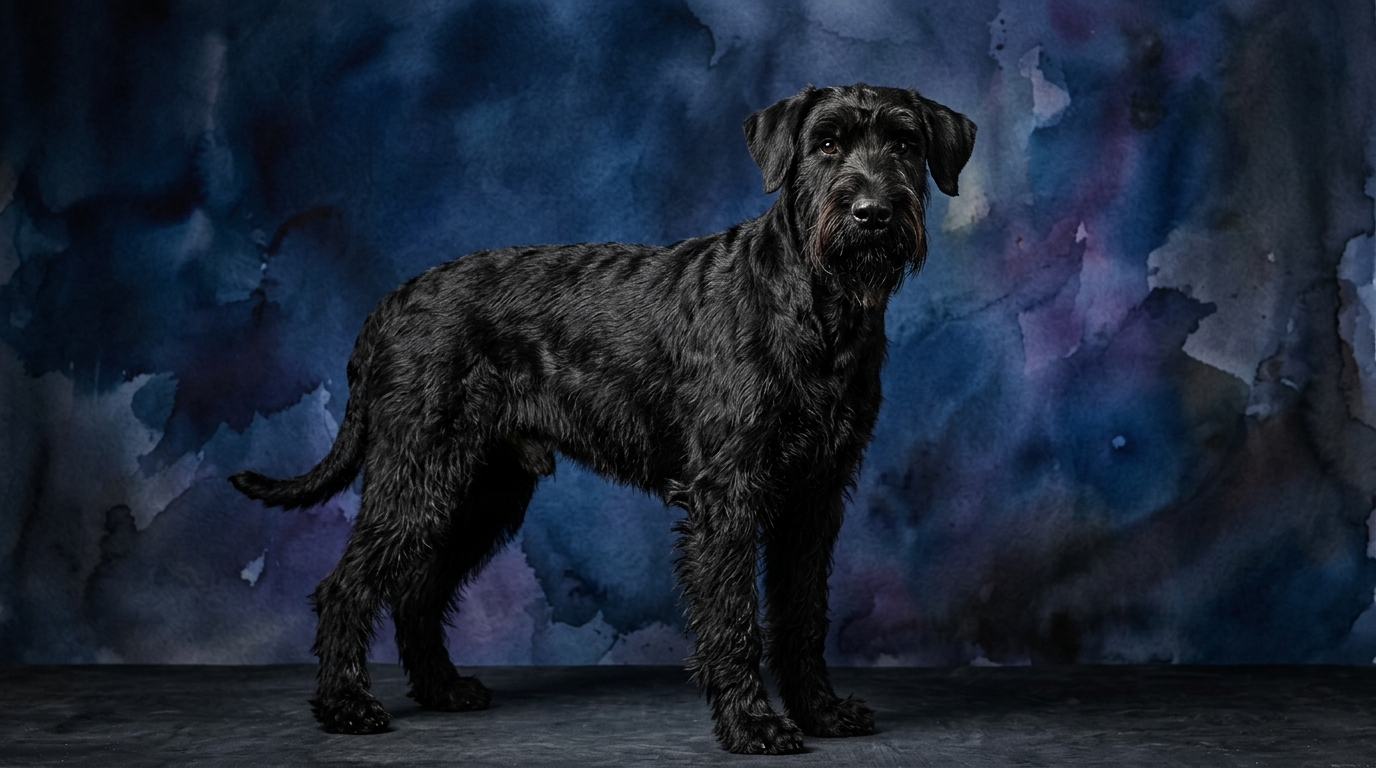
The Cosmic Pet Pet IQ Lab assesses canine intelligence across five key dimensions, offering a nuanced view of each breed's mental landscape. For the Giant Schnauzer, a dog from the Working group, their Coren rank of #28 places them among breeds demonstrating strong working aptitude. Their problem-solving ability scores a robust 4/5, suggesting a significant capacity for navigating complex tasks and adapting to new challenges with considerable thought. Training speed also rates 4/5, indicating they grasp new commands and routines with efficiency, often requiring fewer repetitions than many other breeds. Social intelligence stands at 3/5; while they form deep bonds, their independence means they might not always seek human guidance in every situation, preferring to assess and act. An instinctive drive of 3/5 reflects a moderate but purposeful urge to perform tasks and guard, rooted in their heritage as farm dogs and protectors. Memory is a strong suit at 4/5, allowing them to retain learned behaviors and experiences over extended periods, contributing to their reliability.
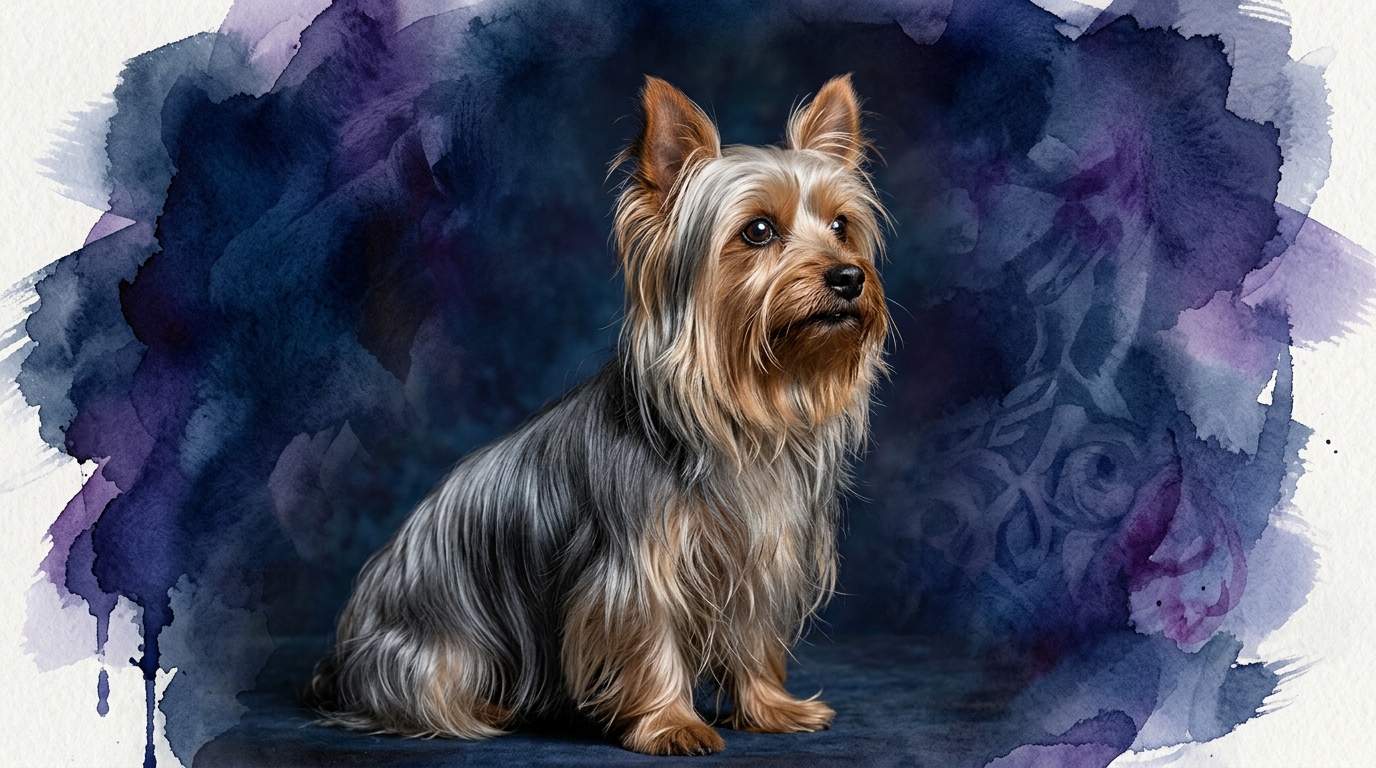
The Silky Terrier, a member of the Toy group, is not Coren-ranked, which is common for many breeds whose primary role isn't complex working tasks, yet this doesn't diminish their unique cognitive set. Their problem-solving score is 3/5, indicating they can figure out solutions to moderate challenges, often through persistence or trial-and-error rather than methodical analysis. Training speed is also 3/5; they are capable learners, though they might require more consistent and engaging methods to maintain focus and recall new information over time. Social intelligence matches the Schnauzer at 3/5, showing they are adept at forming connections and understanding social cues within their immediate family, though perhaps with a more self-directed and charmingly manipulative approach. An instinctive drive of 3/5 points to their terrier roots, manifesting as a keenness for chasing, digging, and independent exploration, often with a fearless attitude. Their memory is 3/5, meaning they can recall past events and learned commands, but perhaps with less long-term precision or depth than their larger counterpart.
Where Giant Schnauzer Wins Cognitively
The Giant Schnauzer exhibits a clear cognitive advantage in areas demanding sustained mental effort and structured learning. Their 4/5 problem-solving ability means they are more likely to analyze a situation and devise a novel solution rather than relying on pure instinct or simple trial and error. For example, if presented with a complex puzzle toy requiring multiple steps to access a treat, a Giant Schnauzer is more prone to systematically manipulate its parts, demonstrating a higher degree of foresight and planning. This breed's superior training speed (4/5) also translates into quicker acquisition of multi-step commands and intricate routines. They can link several actions together efficiently, making them excel in advanced obedience, protection work, or agility courses where precise sequences and rapid responses are crucial. Furthermore, their 4/5 memory ensures that once a concept or command is learned, it is deeply ingrained, requiring less frequent refreshing and allowing them to build upon a vast repertoire of knowledge. This cognitive strength underpins their capacity for specialized roles requiring consistent performance and recall under varying conditions, making them exceptionally reliable in complex tasks.
Where Silky Terrier Wins Cognitively
While the Silky Terrier's scores are consistently 3/5 across the board, this doesn't imply a lack of mental agility; rather, it reflects a different cognitive specialization, particularly in resourcefulness and adaptability within their environment. Their problem-solving at 3/5, combined with their instinctive drive (also 3/5), often manifests as a tenacious, clever approach to challenges. They might not methodically analyze a puzzle like a Schnauzer, but they will persist, using their sharp senses, quick movements, and an almost mischievous determination to discover a solution through active exploration and determined effort. This can be particularly effective in navigating novel home environments, finding hidden items, or outsmarting perceived obstacles. The Silky Terrier's social intelligence at 3/5, on par with the Giant Schnauzer, allows them to form strong, nuanced bonds within their family, often displaying a keen awareness of human moods and routines, which they can leverage to their advantage, for instance, in getting attention or convincing a family member to play. Their cognitive strengths lie in their adaptability to diverse home environments and their capacity for charming, independent decision-making that is often less about following strict commands and more about engaging with their immediate surroundings on their own terms, making them spirited and engaging companions.
Which Is Easier to Train and Why
Based on their IQ profiles, the Giant Schnauzer (Training Speed 4/5) is generally easier to train for formal obedience and complex tasks than the Silky Terrier (Training Speed 3/5). The Schnauzer's quicker grasp of new commands and higher memory score (4/5) means they require fewer repetitions and retain information longer, leading to more consistent performance. Their inherent desire to work and please, though rated 3/5 for instinctive drive, is often channeled into structured training, making them receptive to consistent instruction and eager to master new skills. For instance, a Giant Schnauzer will likely master a multi-part 'retrieve' command across various distractions more rapidly and reliably. In contrast, the Silky Terrier, while certainly trainable, may demand more patience and creativity from their owner. Their 3/5 training speed suggests they learn effectively but might need more engaging, reward-based methods to stay focused, as their attention can wander. Their terrier independence and instinctive drive (3/5), which often manifests as a strong prey drive or self-directed exploration, can sometimes lead to distraction during training sessions, requiring owners to be particularly consistent and make training fun and varied. Behavioral differences like a Silky's tendency towards alert barking or independent chasing require dedicated, positive reinforcement to redirect, whereas a Giant Schnauzer might be more inclined to follow a handler's lead in such scenarios due to their stronger work ethic.
Which Suits Active Owners vs. Relaxed Owners
The Giant Schnauzer, with its robust build and cognitive profile geared towards work, is decidedly better suited for active owners. Their problem-solving (4/5) and memory (4/5) thrive on consistent mental engagement through advanced training, dog sports like agility or obedience, or complex tasks such as protection work. These dogs require owners who can dedicate significant time to structured exercise, involving more than just a simple walk, but rather activities that challenge their thinking and physical prowess, like scent work, hiking, or advanced trick training. Their social intelligence (3/5) means they form strong bonds, but their independence necessitates an owner who can provide firm yet fair leadership and consistent boundaries to guide their substantial capabilities. A relaxed owner might find the Giant Schnauzer's need for mental and physical stimulation overwhelming, potentially leading to boredom-induced behaviors such as excessive barking or destructive chewing.
The Silky Terrier, while possessing an instinctive drive (3/5) that encourages activity, can adapt more readily to a moderately active or even a more relaxed owner, provided their core needs for mental stimulation and companionship are met. Their smaller size means their physical exercise requirements are less demanding than a Giant Schnauzer's, and their problem-solving (3/5) can be satisfied with interactive toys, short, engaging play sessions, or simply exploring a new environment. While they certainly enjoy activity and a good romp, a Silky Terrier is often content to snuggle on the couch after a brisk walk or a game of fetch in the yard, making them a suitable companion for someone seeking a spirited but less physically intense partner. Their social intelligence (3/5) means they appreciate close companionship and thrive on interaction within the family, fitting well into a home environment that values cuddles and lap time as much as playful exploration.
The Verdict
Choose the Giant Schnauzer if you are an experienced, active owner seeking a highly capable partner for advanced training, dog sports, or protection work, valuing a dog that thrives on consistent mental challenges and demonstrates strong memory and problem-solving skills.
Opt for the Silky Terrier if you desire a spirited, tenacious companion who can adapt to a moderately active lifestyle, appreciating their independent problem-solving and charming social intelligence in a compact package.
🧠 Find Your Pet's IQ Score
Our Pet IQ Lab assessment covers 25+ tests across 5 cognitive dimensions — personalized to your breed.
Take the Full IQ Test →Frequently Asked Questions
Do Giant Schnauzers make good family dogs considering their social intelligence?
Giant Schnauzers, with a social intelligence of 3/5, form deep bonds with their immediate family and can be excellent protectors. They thrive in homes where they receive consistent guidance and early socialization to ensure their strong protective instincts are channeled appropriately, making them devoted and reliable family members.
Is the Silky Terrier's instinctive drive difficult to manage in a home environment?
The Silky Terrier's instinctive drive (3/5) is primarily expressed through curiosity, chasing, and digging, typical of terriers, but it is manageable. This drive is best addressed with consistent training, providing appropriate outlets like puzzle toys, engaging play sessions, or secure outdoor spaces for exploration, preventing it from becoming problematic indoors.
How does the absence of a Coren rank for the Silky Terrier affect our understanding of its intelligence?
The absence of a Coren rank for the Silky Terrier means it wasn't assessed in the same obedience-focused study as the Giant Schnauzer, which primarily evaluated working intelligence. This doesn't imply a lack of intelligence, but rather that its specific cognitive strengths might be better observed in areas like adaptability, resourcefulness, and social interaction within a family setting, rather than formal work commands.