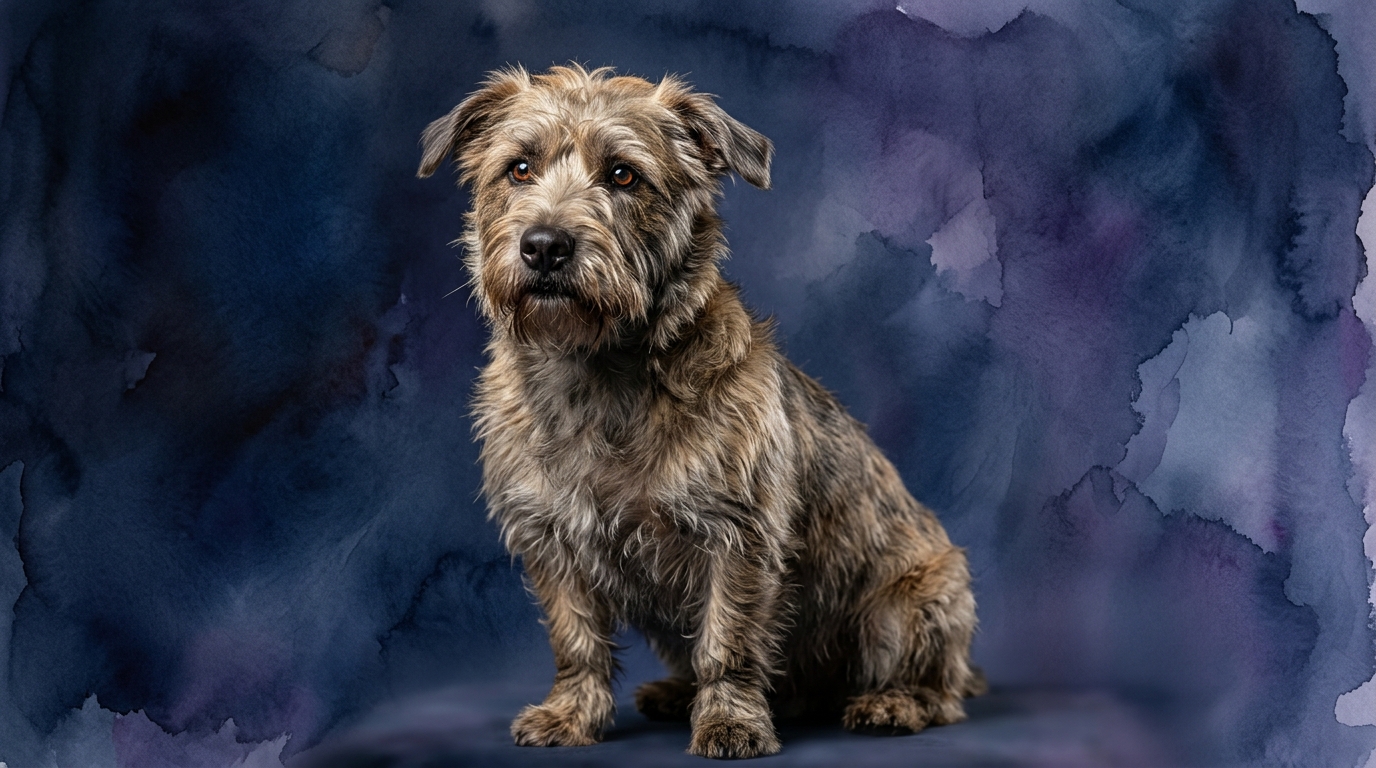
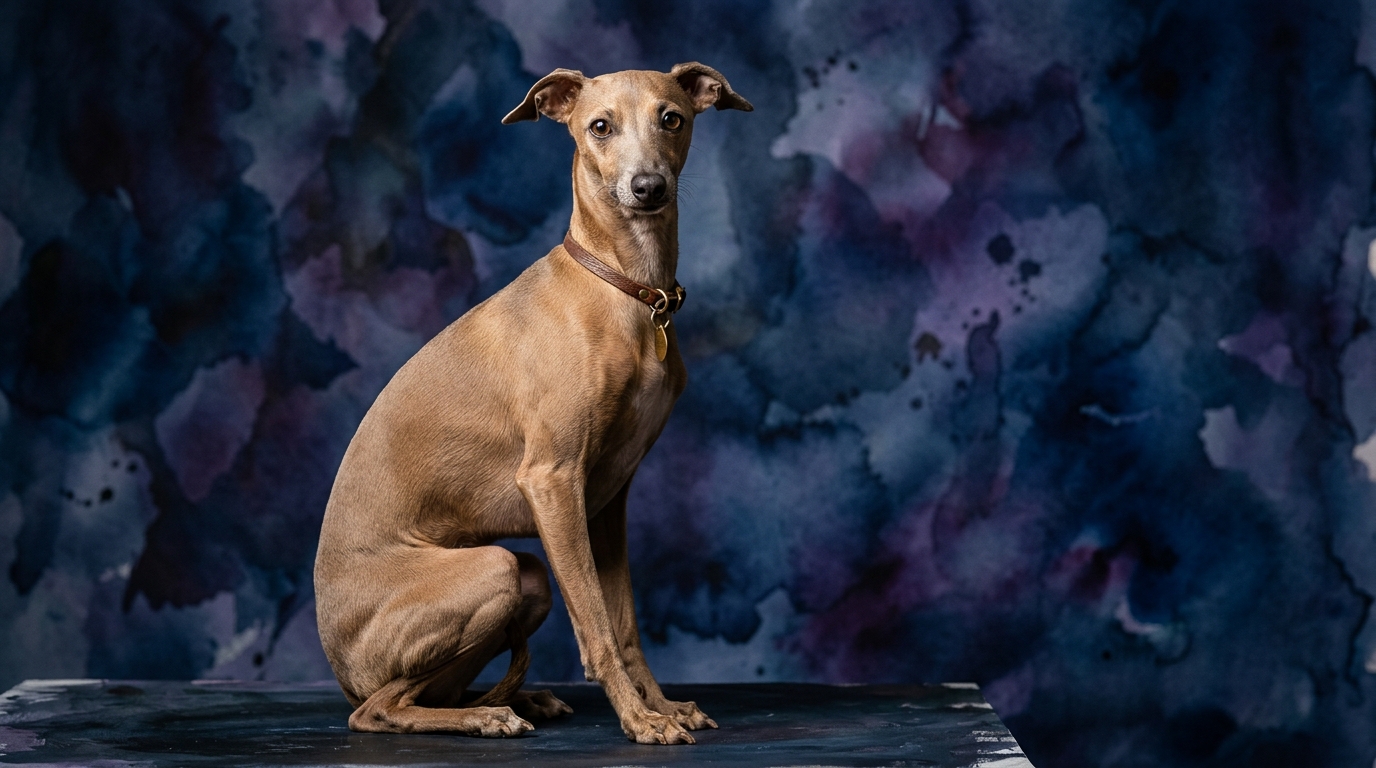
Side-by-Side IQ Profile: Glen of Imaal Terrier vs. Italian Greyhound
The Glen of Imaal Terrier, a tenacious working dog from Ireland, exhibits a 'problem solving 3/5' score that often translates into determined persistence for tasks like navigating tight spaces or accessing hidden items, reflecting their earthdog heritage. Their 'training speed 3/5' indicates a capacity to learn but is frequently influenced by an independent terrier spirit, necessitating consistent, engaging, and patient methods. With 'social intelligence 3/5', Glens form profound bonds with their immediate family, understanding household dynamics, yet they can be reserved or discerning with strangers. Their 'instinctive drive 3/5' is strongly rooted in a desire to dig, chase small prey, and explore. Finally, their 'memory 3/5' supports retaining routines, learned commands, and associations from past experiences, both positive and negative.
Conversely, the Italian Greyhound, bred for companionship and speed, manifests its 'problem solving 3/5' through subtle strategies to secure comfort, like finding the warmest lap or gently soliciting attention, alongside graceful navigation of intricate home environments. Their 'training speed 3/5' signifies quick learning with gentle, positive reinforcement, but their sensitive nature means harsh corrections can easily lead to withdrawal or a perceived lack of understanding. 'Social intelligence 3/5' in IGs is evident in their deep emotional attunement to their human companions, often anticipating needs and seeking close physical connection. Their 'instinctive drive 3/5' is primarily expressed as a sighthound’s urge to chase fast-moving objects and a profound need for warmth and secure nesting. Their 'memory 3/5' allows them to recall specific comfort spots, cherished people, and sequences of events leading to desired outcomes, such as the location of treats or the timing of walks.
Where the Glen of Imaal Terrier Wins Cognitively
The Glen of Imaal Terrier’s cognitive strength truly shines in scenarios demanding robust physical problem-solving and sustained effort. Their 3/5 problem-solving score is not just about finding a solution, but about the sheer grit applied to it; a Glen is more likely to methodically work through a physical obstacle, like a stubborn gate latch or a challenging puzzle toy, with an unwavering focus that stems from their working terrier background. This tenacity, combined with their instinctive drive, means they excel at tasks requiring persistence and a certain level of independent thought to overcome environmental challenges. They display a rugged cognitive resilience when faced with a task that requires physical engagement and determination, often outlasting other breeds in sheer effort.
Where the Italian Greyhound Wins Cognitively
The Italian Greyhound's cognitive advantages lean towards sophisticated social navigation and environmental adaptability, manifesting their 3/5 problem-solving and social intelligence in a distinct manner. Their problem-solving often involves more subtle, nuanced approaches, such as learning complex household routines to anticipate desired outcomes or using quiet, persistent cues to solicit attention and comfort. Their social intelligence, while rated 3/5, is expressed through a deep empathetic connection with their human family, allowing them to read emotional states and adapt their behavior accordingly. This sensitivity makes them particularly adept at forming intricate bonds and understanding the unspoken dynamics within a home, excelling at communication that doesn't rely on overt, attention-demanding actions.
Which Is Easier to Train and Why
Assessing which breed is 'easier' to train, given their identical 3/5 training speed scores, requires understanding their motivational drivers and sensitivities. The Italian Greyhound, with its delicate physical and emotional constitution, generally responds best to positive reinforcement, gentle handling, and consistency. They are eager to please and quick to learn when training is framed as a rewarding, low-pressure interaction, and their sensitivity means harsh methods or loud voices can easily discourage them. Their strong desire for connection makes them amenable to cooperative learning, thriving on praise and gentle guidance.
The Glen of Imaal Terrier, while equally capable of learning (3/5 training speed), possesses the characteristic terrier independence. They are less inherently driven to 'please' and more inclined to assess if a command serves their own interests or if there's a more interesting scent to investigate. Training a Glen requires patience, creativity, and finding high-value motivators to capture their attention and channel their innate drive. They can be very responsive once engaged, but their learning curve might appear slower if the trainer doesn't understand their need for purpose and their inherent stubbornness, which can sometimes be mistaken for a lack of cognitive ability rather than a difference in motivation.
Which Suits Active Owners vs. Relaxed Owners
For owners seeking an active companion, the Glen of Imaal Terrier’s robust build and terrier energy make them a suitable match. Their instinctive drive (3/5) translates into a need for regular exercise that engages both their body and mind, such as long walks, earthdog trials, or agility. They thrive with structured activities that allow them to explore and utilize their problem-solving skills in a dynamic environment. While they appreciate downtime, they are not content to be couch potatoes; an active owner who can provide consistent engagement and outlets for their natural digging and chasing instincts will find a loyal and energetic partner in a Glen.
The Italian Greyhound, conversely, often appeals more to relaxed owners, though this doesn't mean they are entirely sedentary. Their sighthound heritage means they enjoy short bursts of intense activity, like a sprint in a secure yard, but they are equally content to spend significant time curled up on a soft blanket or lap. Their need for warmth and comfort, paired with their sensitive nature, means they are well-suited to a calm household environment where they can enjoy close companionship and plenty of cozy spots. While they benefit from daily walks and play, their exercise requirements are generally lower and more easily met by owners who prefer a more tranquil pace of life, making them ideal for apartment living or those with a less rigorous outdoor routine.
The Verdict
Choose the Glen of Imaal Terrier if you appreciate a resilient, independent canine partner who thrives on physical and mental challenges, and you are prepared for a dog with a tenacious working spirit. They are best for owners who can provide consistent, engaging activities and value a dog that approaches life with determined curiosity.
Opt for the Italian Greyhound if you seek an affectionate, sensitive companion who excels at subtle communication and thrives in a warm, relaxed home environment. They are perfect for owners who appreciate a deep emotional bond and can provide comfort, gentle training, and bursts of playful energy.
🧠 Find Your Pet's IQ Score
Our Pet IQ Lab assessment covers 25+ tests across 5 cognitive dimensions — personalized to your breed.
Take the Full IQ Test →Frequently Asked Questions
Are Glen of Imaal Terriers hard to train?
Glen of Imaal Terriers are not inherently hard to train, but their terrier independence and strong instincts mean training requires consistency, patience, and engaging methods. They learn effectively when motivated, so finding what truly excites them, like high-value treats or interactive games, is key to success. Their learning speed (3/5) means they are capable, but their willfulness can sometimes make the process feel slower.
Do Italian Greyhounds have a strong prey drive?
Yes, Italian Greyhounds possess a moderate instinctive drive (3/5) rooted in their sighthound heritage, which includes a strong prey drive for fast-moving objects. This means they are likely to chase small animals or anything that catches their eye, necessitating a secure, fenced area for off-leash exercise and careful leash management in unfenced spaces. Their focus on chasing can sometimes override other commands.
Which breed is better with children?
Both breeds can do well with children, but their approaches differ. Glen of Imaal Terriers, with proper socialization, can be sturdy and playful companions for older, respectful children who understand their terrier nature. Italian Greyhounds, being more delicate and sensitive, are often better suited to calmer households with gentle, older children who understand how to interact safely with a small, fragile dog. Supervision is always recommended for any dog-child interactions.