Side-by-Side IQ Profile: Unpacking Canine Cognition
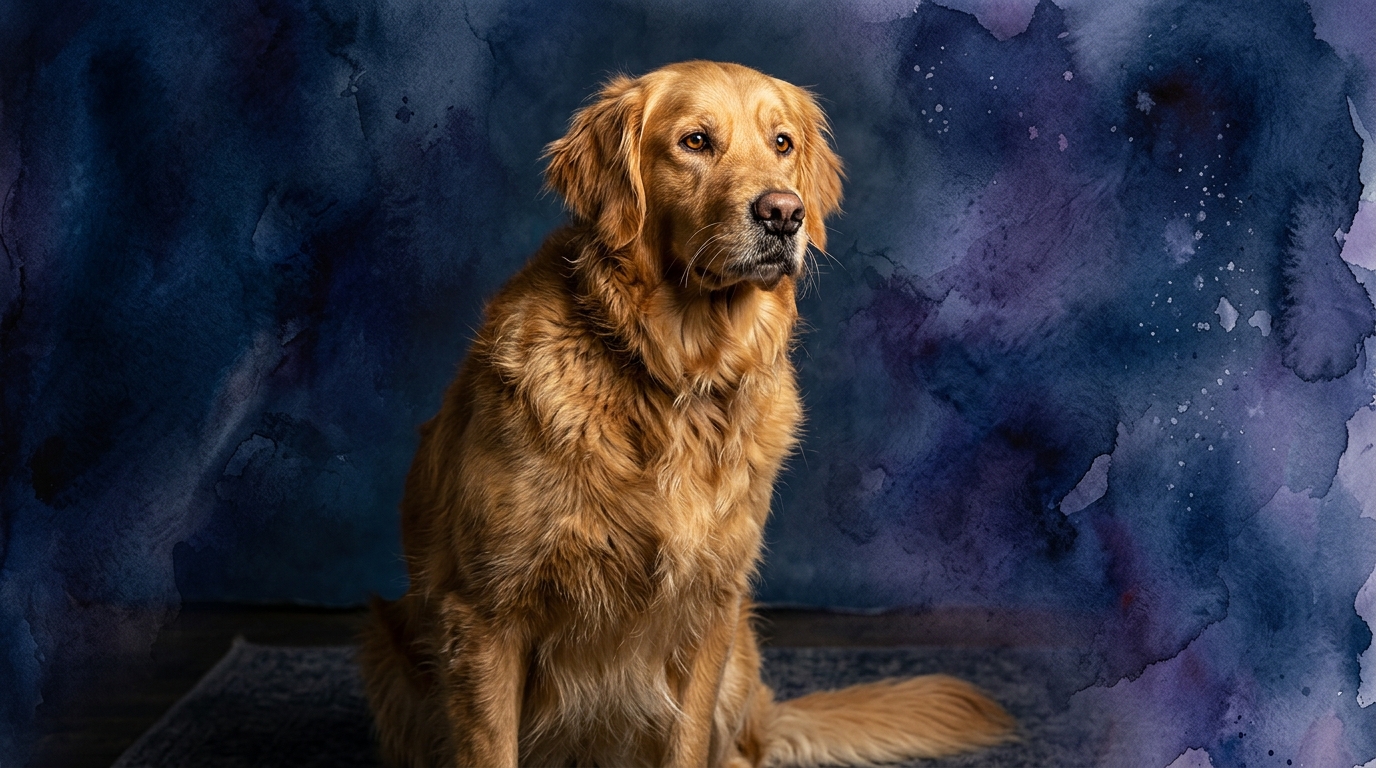
The Cosmic Pet Pet IQ Lab provides a unique framework for understanding canine cognitive strengths, moving beyond general perceptions to specific dimensions. For the Golden Retriever, their Problem Solving (4/5) manifests in their ability to learn complex multi-step tasks and adapt to new situations when working with a human, often seeking guidance as part of the solution. Their Training Speed (5/5) is unparalleled, reflecting a rapid acquisition of commands and behaviors due to an eagerness to please and quick associative learning. Golden Retrievers also excel in Social Intelligence (5/5), interpreting human emotions and cues with remarkable accuracy, fostering deep, empathetic bonds. Their Instinctive Drive (4/5) is primarily geared towards retrieving, showcasing a natural inclination to work collaboratively in task-oriented roles. Finally, their Memory (4/5) is robust, allowing them to recall a vast array of commands, routines, and specific interactions consistently over time.
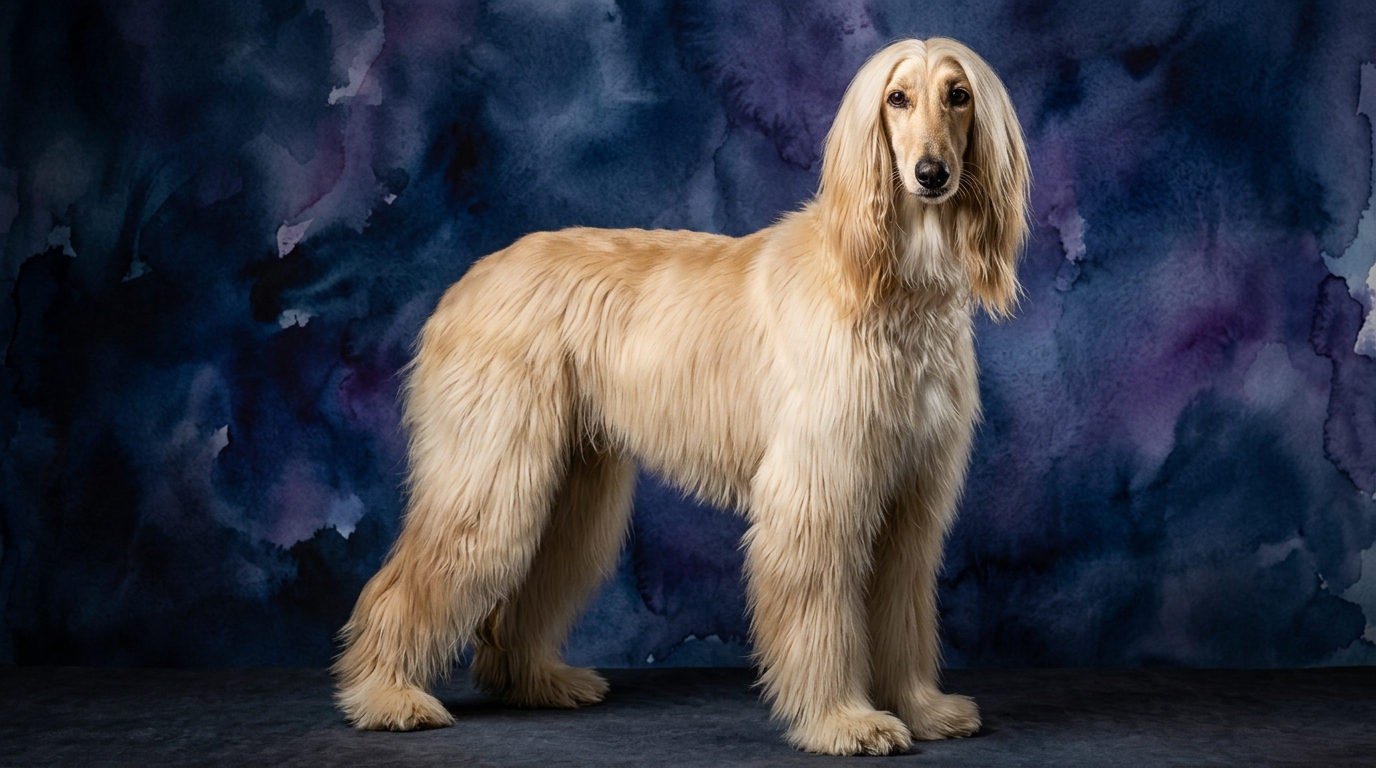
The Afghan Hound, in contrast, presents a distinct cognitive landscape. Their Problem Solving (4/5) score, identical to the Golden, is rooted in independent, strategic thinking, particularly in scenarios related to their sighthound heritage, like locating prey or navigating complex terrain autonomously. Their Training Speed (1/5) is notably low, indicating a deliberate and often selective approach to human-initiated learning, where compliance is based on their own assessment of value rather than an inherent desire to please. Afghan Hounds exhibit a more reserved Social Intelligence (2/5), forming deep but selective bonds and appearing aloof, preferring quiet companionship over constant engagement. Their Instinctive Drive (5/5) is exceptionally strong, focused on sight hunting, manifesting as an intense prey drive, agility, and the ability to pursue fast-moving objects over long distances. Their Memory (3/5) is functional, particularly for significant events and locations, but less focused on recalling an extensive repertoire of human commands or intricate learned sequences.
Where the Golden Retriever Wins Cognitively
The Golden Retriever’s cognitive profile shines brightest in areas demanding cooperation, rapid learning, and emotional attunement. Their perfect 5/5 score in Training Speed is a testament to their remarkable ability to quickly link verbal cues and actions, internalizing new commands with minimal repetition. This isn't just about obedience; it reflects a cognitive flexibility and eagerness to engage in structured learning activities, making them adept at everything from complex agility courses to service dog tasks. Coupled with a 5/5 in Social Intelligence, Goldens are profoundly empathetic, reading human moods and intentions with uncanny accuracy. This superior social cognition allows them to adapt their behavior to provide comfort, anticipate needs, and maintain harmonious interactions, fostering an exceptionally strong, communicative bond with their human companions. Furthermore, their 4/5 Memory supports this, ensuring that once a behavior or social lesson is learned, it is retained consistently, contributing to their reputation as reliable and predictable companions. This combination of traits makes them unparalleled in roles requiring both cognitive quickness and a deep understanding of human social dynamics.
Where the Afghan Hound Wins Cognitively
While often perceived as less amenable to traditional training, the Afghan Hound demonstrates profound cognitive strengths rooted in its ancient sighthound heritage. Their 5/5 score in Instinctive Drive highlights a specialized, highly developed set of cognitive processes dedicated to hunting. This involves sophisticated visual processing, rapid decision-making in pursuit, and an innate understanding of terrain and prey behavior. Their Problem Solving, also rated 4/5 like the Golden, manifests differently; it's an independent, strategic intelligence focused on achieving self-directed goals, such as outmaneuvering quarry or navigating complex outdoor environments. An Afghan Hound might not fetch a ball on command, but it can expertly track a scent trail or devise a path to a distant point of interest with remarkable efficiency. This breed's cognition excels in self-sufficiency and perseverance, requiring minimal human intervention to execute its deeply ingrained drives. Their cognitive strengths lie in autonomy and a primal, focused determination that is a hallmark of their breed’s purpose.
Which is Easier to Train and Why
When it comes to ease of training, the Golden Retriever holds a significant advantage, largely due to their perfect 5/5 Training Speed and 5/5 Social Intelligence. Golden Retrievers possess an inherent desire to work alongside humans and derive satisfaction from performing tasks correctly. They quickly form associations between commands, actions, and rewards, making them highly receptive to positive reinforcement methods. Their keen social intelligence means they are constantly observing their human partners, eager to understand expectations and respond to subtle cues. This cooperative mindset, coupled with a robust memory (4/5), enables them to rapidly acquire and consistently perform a wide array of behaviors, from basic obedience to intricate service tasks.
In stark contrast, the Afghan Hound's 1/5 Training Speed reflects a fundamentally different cognitive approach to learning. Afghan Hounds are independent thinkers, bred to make autonomous decisions during the hunt, often far from their human handler. They are not inherently driven by a desire to please or to perform repetitive tasks for human approval. Instead, they weigh the perceived value of a command against their own interests. This doesn't mean they are incapable of learning; rather, they require immense patience, creative motivation, and an understanding that they will comply on their own terms, if at all. Their lower social intelligence (2/5) means they are less inclined to constantly seek human interaction or interpret subtle cues, making traditional, human-centric training methods feel less intuitive to them. Training an Afghan Hound often involves negotiating, making the task intrinsically rewarding for the dog, and accepting that perfect, instantaneous recall may never be a consistent reality.
Which Suits Active Owners vs Relaxed Owners
Choosing between a Golden Retriever and an Afghan Hound involves understanding not just their physical energy levels, but how their cognitive profiles align with an owner's lifestyle. The Golden Retriever, with its high social intelligence (5/5), training speed (5/5), and cooperative instincts (4/5), is an ideal companion for active owners who desire a highly engaged and participatory canine partner. These dogs thrive on interaction and mental stimulation that involves their human family. Owners who enjoy structured training, canine sports like agility or obedience, long walks, fetching games, or even just having a dog that is always "in tune" with the family's activities will find the Golden Retriever a perfect fit. They are eager to learn new things and participate in adventures, making them suitable for owners who want a constant, enthusiastic companion for outdoor pursuits and indoor family life. Even during relaxed moments, a Golden will often seek proximity and gentle interaction, reflecting their deep social bonds.
The Afghan Hound, conversely, suits an active owner who appreciates an independent spirit and understands the nuances of a sighthound's drive. While they possess an extremely high instinctive drive (5/5) for running and chasing, their lower social intelligence (2/5) and training speed (1/5) mean they are not looking for constant, structured interaction in the same way a Golden is. An Afghan Hound needs significant opportunities to run freely in a secure area, fulfilling their primal need for speed and pursuit. However, once their exercise needs are met, they are often content to be a more relaxed, quiet presence indoors, observing rather than constantly engaging. They are not necessarily a dog for an owner seeking a highly biddable companion for complex tasks, but rather for someone who respects their aloof dignity and provides outlets for their powerful natural instincts, while appreciating a less demanding interactive presence in the home. They suit owners who are active outdoors but prefer a more independent, less "needy" companion indoors.
The Verdict
Select a Golden Retriever if you seek a highly cooperative, emotionally responsive companion eager for training, deep social interaction, and participation in family activities, valuing quick learning and consistent reliability.
Opt for an Afghan Hound if you appreciate an independent, dignified companion with a powerful athletic drive, valuing self-sufficiency and a less overtly interactive bond, understanding that training will require patience and creative motivation.
🧠 Find Your Pet's IQ Score
Our Pet IQ Lab assessment covers 25+ tests across 5 cognitive dimensions — personalized to your breed.
Take the Full IQ Test →Frequently Asked Questions
Can an Afghan Hound be trained for advanced obedience or sports?
While challenging due to their independent nature and lower training speed, Afghan Hounds can learn advanced obedience and excel in sports like lure coursing or even agility. Success requires immense patience, highly motivating rewards, and an understanding that they often perform on their own terms, not out of an innate desire to please.
Are Golden Retrievers good for first-time dog owners?
Yes, Golden Retrievers are often recommended for first-time dog owners due to their high training speed, social intelligence, and cooperative nature. Their eagerness to learn and bond makes the training process more rewarding and generally less frustrating than with breeds requiring more specialized handling.
How do their problem-solving skills differ despite both scoring 4/5?
Golden Retrievers typically apply problem-solving in cooperative contexts, figuring out tasks to please or work with humans. Afghan Hounds, however, use their problem-solving independently, often for self-directed goals like navigating terrain or strategically pursuing prey, demonstrating a more autonomous cognitive approach.