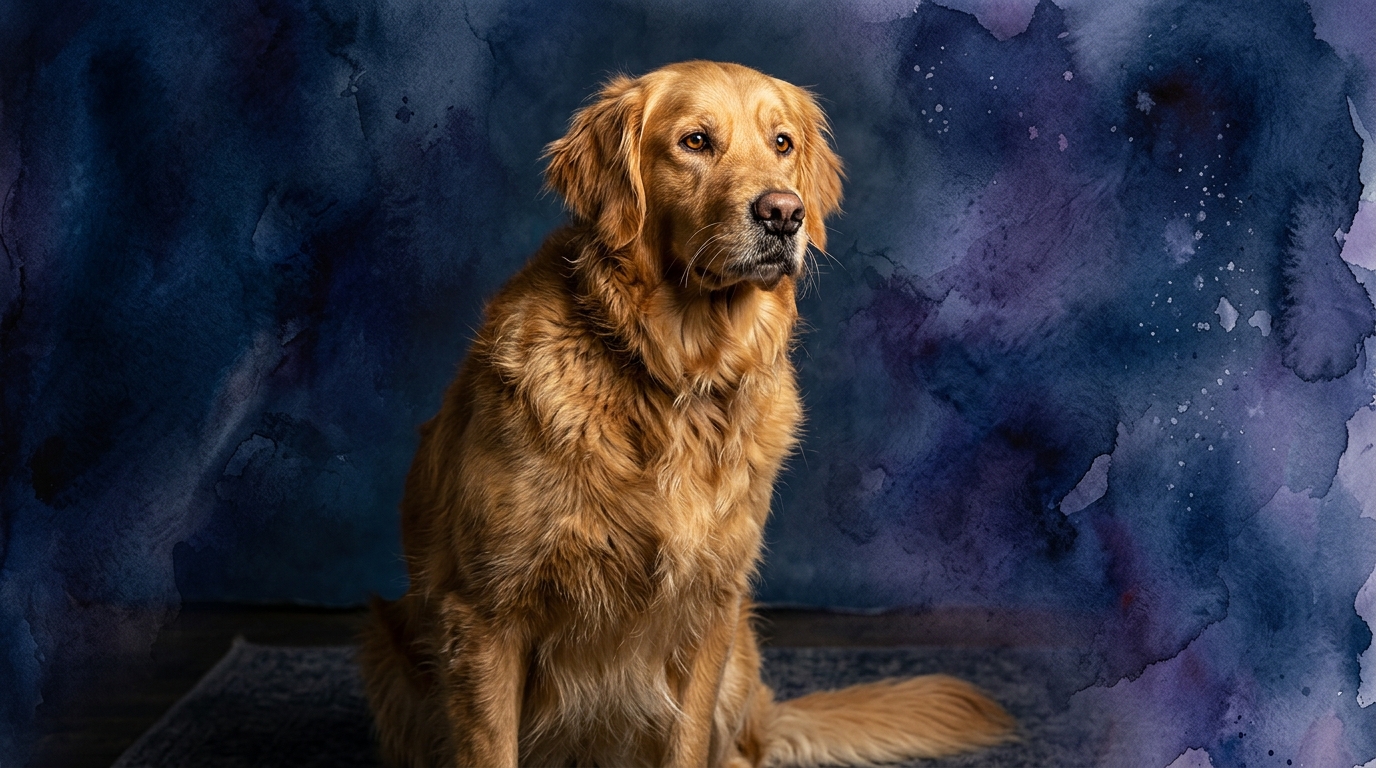
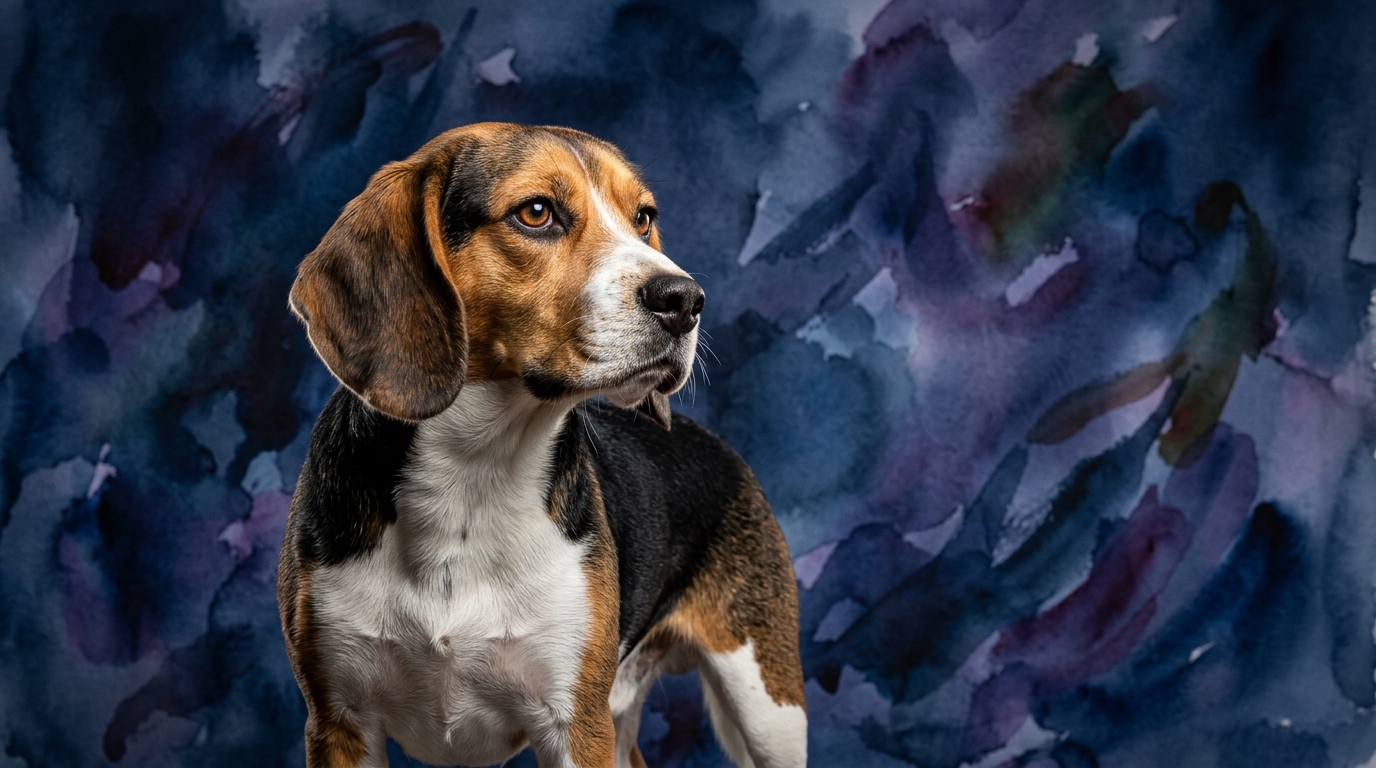
Side-by-side IQ Profile: Golden Retriever vs. Beagle
The Cosmic Pet Pet IQ Lab utilizes a multi-dimensional framework to assess canine intelligence, moving beyond single scores to highlight specific cognitive strengths. The Golden Retriever, Coren rank #4, exhibits an adaptable, cooperative mind. Its Problem Solving at 4/5 indicates a capacity for complex tasks and learning from experience. An exceptional Training Speed of 5/5 suggests rapid command acquisition and routine mastery. Social Intelligence, also 5/5, points to a profound ability to interpret human cues and form strong bonds, thriving on interaction. An Instinctive Drive of 4/5 highlights their inherent retrieving and working tendencies, while Memory at 4/5 ensures effective retention of learned behaviors.
In contrast, the Beagle, Coren rank #72, presents a cognitive blueprint rooted in its scent hound heritage. Its Problem Solving is 4/5, often manifesting through persistent tracking rather than abstract reasoning. Training Speed is 2/5, indicating slower command acquisition due to their primary focus on scent. Social Intelligence at 3/5 suggests they are friendly but can be more independent, less overtly people-focused. Their Instinctive Drive is a dominant 5/5, almost exclusively centered on their powerful nose and tracking abilities. Memory at 4/5 means they retain scents, trails, and routines, even if instinct sometimes overrides learned commands.
Where the Golden Retriever Wins Cognitively
The Golden Retriever’s cognitive profile shines in areas demanding cooperation and rapid learning from human instruction. Their unparalleled Training Speed of 5/5 means they grasp new commands and complex sequences with remarkable efficiency, often needing fewer repetitions. This aptitude makes them exceptionally versatile for roles from service work to competitive obedience, where executing nuanced instructions is paramount. Furthermore, their Social Intelligence, a perfect 5/5, allows them to excel at reading human emotions and intentions, fostering profound partnerships. This deep understanding translates into a strong desire to please and a natural inclination to work alongside people, making them highly attuned companions who respond to human needs with impressive accuracy.
Where the Beagle Wins Cognitively
While the Golden Retriever excels in cooperative learning, the Beagle's cognitive strengths lie in its profound instinctive drive and specialized problem-solving. Their Instinctive Drive, rated 5/5, testifies to extraordinary olfactory capabilities, allowing them to follow complex scent trails with unwavering focus. This isn't just about smell; it's a sophisticated problem-solving where they deduce paths and identify targets using scent. Their Problem Solving score of 4/5, though numerically similar to the Golden's, manifests differently, often involving persistent, independent investigation over human guidance. This relentless pursuit, combined with a 4/5 Memory for past trails, showcases unique cognitive resilience and an unparalleled ability to process and retain olfactory information.
Which is Easier to Train and Why
When comparing ease of training, the Golden Retriever holds a distinct advantage, primarily due to its 5/5 Training Speed and 5/5 Social Intelligence. These metrics indicate a dog eager to please, highly attentive to human instruction, and quick to form associations. Goldens typically respond well to positive reinforcement, showing strong motivation to engage with handlers. Their lower instinctive drive (4/5 versus Beagle's 5/5) means fewer distractions during training.
Conversely, the Beagle’s 2/5 Training Speed and dominant 5/5 Instinctive Drive present greater training challenges. Beagles are not incapable, but their profound scent focus often overrides attention to human commands. A Beagle on a compelling scent trail can appear "deaf," prioritizing innate tracking over obedience. Their lower Social Intelligence (3/5) also means less inherent motivation from human approval, requiring more patience, consistency, and enticing rewards. Effective Beagle training requires understanding and channeling their powerful instincts, often incorporating scent work rather than suppressing it.
Which Suits Active Owners vs. Relaxed Owners
Choosing between a Golden Retriever and a Beagle often depends on an owner's lifestyle and capacity to engage with each breed's specific needs. A Golden Retriever, with its high social intelligence and trainability, thrives with active owners enjoying shared activities like hiking, swimming, or dog sports, and who provide consistent training and mental stimulation. Their desire for companionship means they integrate seamlessly into family life and are content with varied routines, provided their needs are met. While they require exercise, their adaptability means they can also enjoy relaxed evenings indoors after sufficient activity.
The Beagle, despite its smaller size, demands particular active engagement, suiting owners who appreciate its hound nature. Owners providing ample scent work, long exploratory walks, or secure off-leash areas for vigorous exercise will find a happy companion. A relaxed owner expecting a docile couch potato without significant daily mental and physical outlets will likely face frustration, as their powerful instinctive drive needs an outlet. Their independence means they often seek freedom to pursue their inherent purpose, rather than constant human interaction.
The Verdict
You desire a highly trainable, socially attuned partner eager to participate in shared activities and integrate deeply into family life, offering a cooperative and responsive temperament.
You appreciate an independent, scent-driven companion with boundless curiosity for the world, and are prepared to channel their powerful instincts through consistent, engaging, and often scent-focused activities.
🧠 Find Your Pet's IQ Score
Our Pet IQ Lab assessment covers 25+ tests across 5 cognitive dimensions — personalized to your breed.
Take the Full IQ Test →Frequently Asked Questions
Does a Beagle's lower training speed mean it isn't intelligent?
Not at all; a Beagle's 2/5 training speed primarily reflects its powerful instinctive drive often overshadowing immediate responses to human commands. Their problem-solving and memory scores are respectable, but their cognitive priorities are simply different, focused heavily on olfactory exploration.
Can a Golden Retriever be a good scent tracker?
While Golden Retrievers possess a 4/5 instinctive drive and good memory, their primary cognitive drive isn't specialized scent tracking like a Beagle's. They can be trained for scent work and may enjoy it, but a Beagle's 5/5 instinctive drive for scent is unparalleled and a fundamental aspect of its being.
How do their social intelligence differences impact household dynamics?
A Golden Retriever's 5/5 social intelligence means they are highly attuned to family members, often seeking interaction and comfort, and generally adapting well to household routines. A Beagle's 3/5 social intelligence suggests they are friendly but more independent, potentially less focused on human emotional cues, and more inclined to follow their nose.