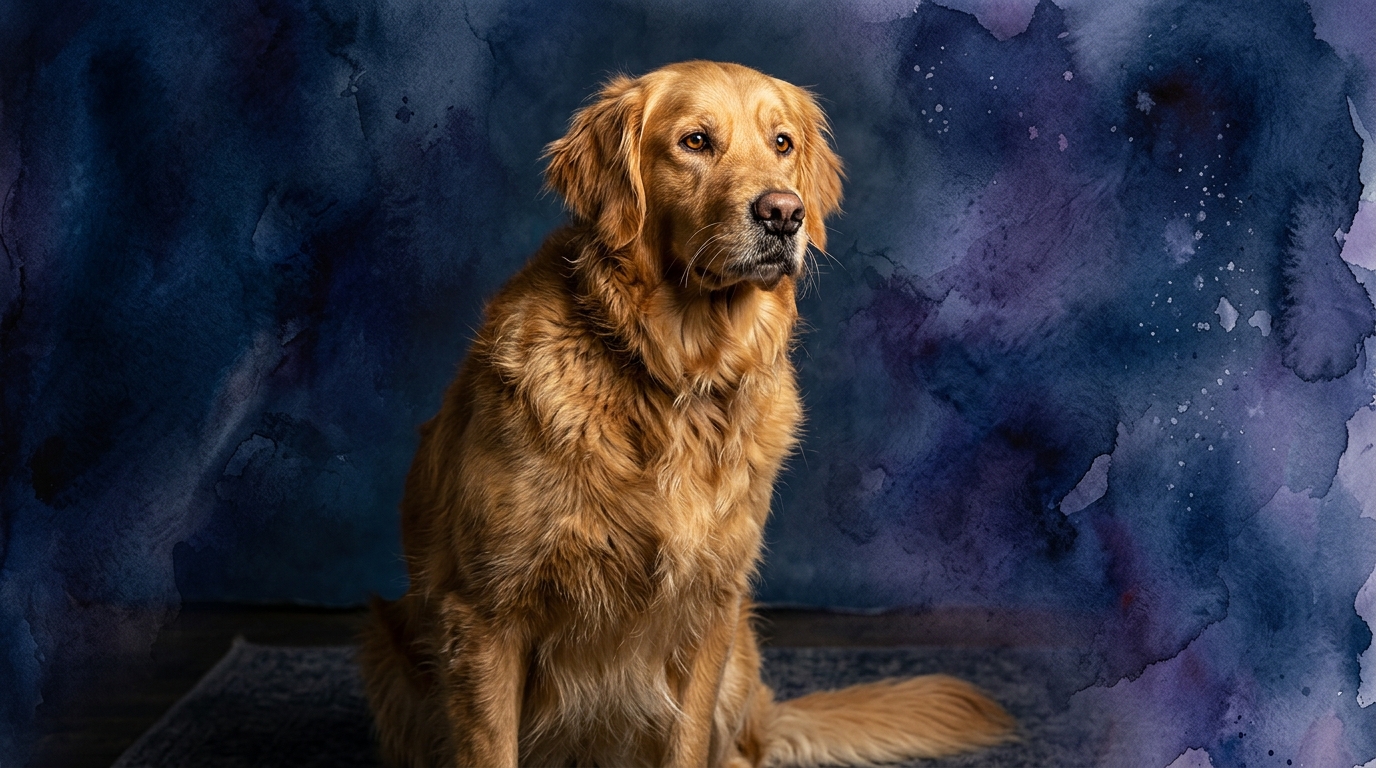
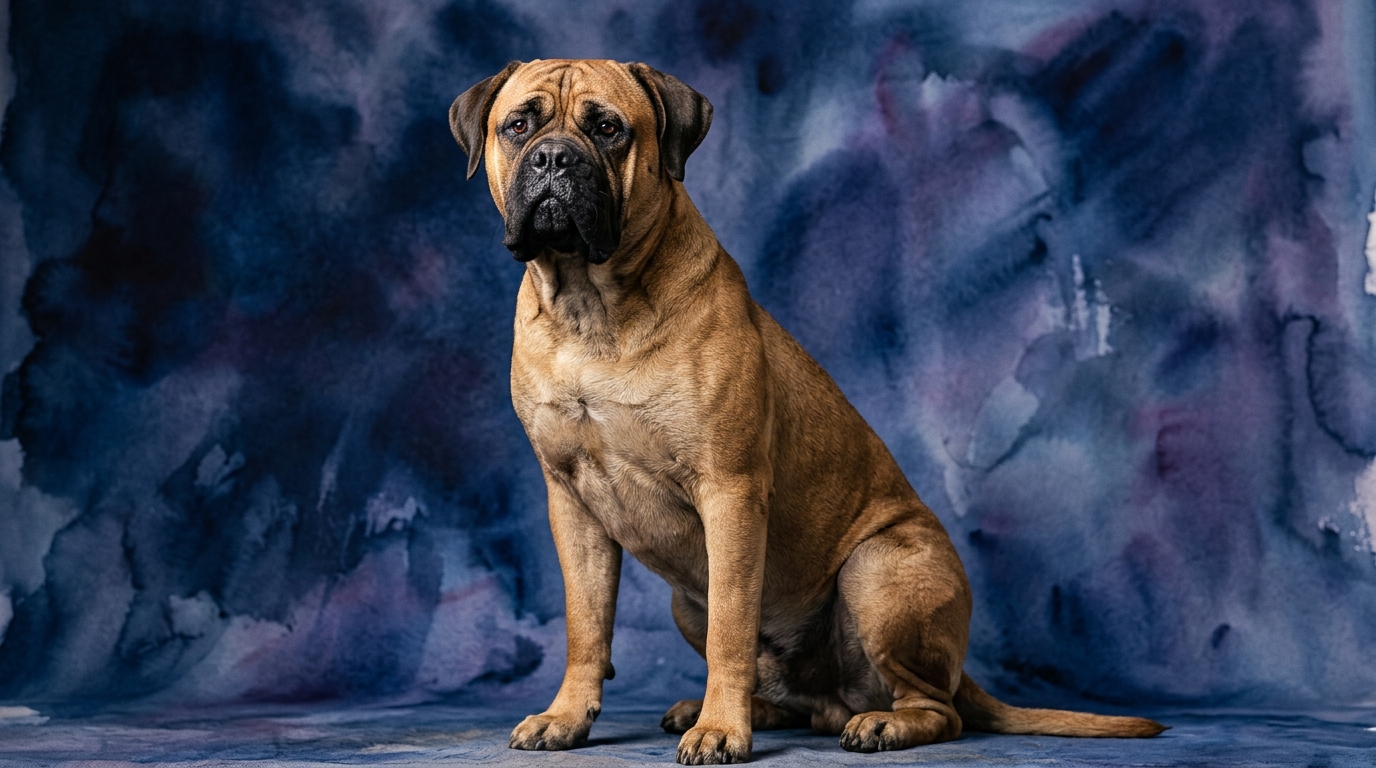
Side-by-side IQ profile
The Cosmic Pet Pet IQ Lab's framework offers a granular look at canine cognition, and comparing the Golden Retriever and Bullmastiff provides a fascinating study in contrasts. The Golden Retriever, a Sporting group member, holds an impressive Coren rank of #4, indicating a remarkable capacity for understanding and executing commands. Their IQ profile paints a picture of a dog built for engagement: a Problem Solving score of 4/5 highlights their adaptability in navigating complex situations, whether it's figuring out how to retrieve a toy from an obstacle or understanding multi-step tasks. Their Training Speed, a perfect 5/5, reflects an almost unparalleled eagerness to learn and retain new behaviors quickly, often requiring fewer repetitions than many other breeds. Social Intelligence, also a 5/5, speaks to their profound ability to read human cues, understand social hierarchies, and integrate seamlessly into family dynamics, making them exceptional companions and working partners. An Instinctive Drive of 4/5 points to their strong natural urge for retrieving, swimming, and working alongside people, while their Memory, a solid 4/5, allows them to recall commands and experiences with impressive accuracy over time.
In stark contrast, the Bullmastiff, a formidable member of the Working group, occupies Coren rank #69, suggesting a different cognitive emphasis. Their IQ scores are consistently rated at 3/5 across all five dimensions, reflecting a distinct set of priorities shaped by their historical role as estate guardians. A Problem Solving score of 3/5 indicates they can solve practical problems, particularly those related to their protective duties, but may approach novel or abstract challenges with more deliberation than a Golden Retriever. Their Training Speed of 3/5 means they are certainly trainable, but they require patience, consistency, and a clear understanding of purpose; they are less likely to respond to repetition for its own sake and more to tasks they perceive as meaningful. Social Intelligence at 3/5 suggests they are capable of forming strong bonds but may be more reserved or selective in their interactions, often observing before engaging. Their Instinctive Drive, also 3/5, is geared towards guarding and protection, manifesting as a watchful nature rather than an eagerness for active partnership in varied tasks. Finally, a Memory score of 3/5 implies they retain important information, especially regarding territory and familiar routines, but might not recall a vast repertoire of complex commands with the same precision as a Golden Retriever.
Where Golden Retriever wins cognitively
The Golden Retriever truly shines in scenarios demanding rapid learning, enthusiastic cooperation, and nuanced social understanding. Their 5/5 Training Speed means they absorb new commands and routines with remarkable alacrity, often mastering complex sequences in fewer sessions than other breeds. This cognitive agility allows them to excel in diverse roles, from obedience competitions to assistance work, where precise execution of multiple commands is paramount. Their superior Social Intelligence (5/5) means they are adept at interpreting human body language, vocal tones, and emotional states, fostering an intuitive bond that makes communication feel almost effortless. This allows them to anticipate needs, offer comfort, and adjust their behavior based on subtle human cues, a cognitive strength that underpins their role as empathetic companions. Furthermore, their 4/5 Problem Solving ability, combined with their eager-to-please nature, means they will actively try to figure out what is expected of them, experimenting with solutions rather than waiting passively, making them proactive partners in learning.
Where Bullmastiff wins cognitively
While not scoring as high in traditional obedience-focused metrics, the Bullmastiff's cognitive strengths are deeply rooted in their foundational purpose: guardianship. Their 3/5 Instinctive Drive is not just about raw protective instinct, but involves a sophisticated, independent assessment of their environment. This means they possess a specialized form of practical problem-solving focused on identifying potential threats and making autonomous decisions about how to respond, often without direct human instruction. Unlike breeds that might look to their handler for every cue, a Bullmastiff's cognitive framework prioritizes independent judgment in their protective role, processing sensory information to determine if a situation warrants intervention or mere observation. This manifests as a thoughtful, observant nature, where their memory (3/5) is particularly strong for recognizing familiar faces, territories, and routines, allowing them to distinguish between friend and perceived foe with considerable accuracy. Their social intelligence, though rated 3/5, enables them to form deep, loyal bonds with their immediate family, displaying a discerning loyalty that is a hallmark of their specialized cognitive profile.
Which is easier to train and why
Without question, the Golden Retriever presents a significantly easier training experience due to their inherent cognitive architecture. Their perfect 5/5 Training Speed means they grasp new concepts and commands rapidly, often eager to please their human companions. This eagerness stems from their high Social Intelligence (5/5) and a strong Instinctive Drive (4/5) to work cooperatively, making them highly motivated by praise, play, and food rewards. A Golden Retriever is less likely to question the “why” behind a command and more likely to focus on the “how,” consistently offering behaviors that have been positively reinforced. In contrast, the Bullmastiff's 3/5 Training Speed and more independent nature mean they require a different approach. They are less driven by endless repetition and more by understanding the practical purpose of a command. Training a Bullmastiff often involves convincing them that a task is worthwhile or serves a logical function, rather than relying solely on their desire to please. Their lower Problem Solving score (3/5) suggests they might take longer to generalize commands to new situations, demanding more consistent and varied practice from their owner. For these reasons, the Golden Retriever's cognitive makeup aligns perfectly with a smoother, more responsive training journey, while the Bullmastiff demands a patient, understanding, and consistent trainer who respects their independent thought process.
Which suits active owners vs relaxed owners
The cognitive profiles of these two breeds clearly delineate their suitability for different owner lifestyles. The Golden Retriever's high Problem Solving (4/5), Training Speed (5/5), and Instinctive Drive (4/5) for activity mean they thrive with active owners who enjoy regular engagement, structured training sessions, and plenty of mental and physical stimulation. They excel in dog sports, long hikes, retrieving games, and roles that require consistent interaction and learning. Their desire to be involved and their capacity for complex tasks make them ideal companions for those seeking a partner for adventures and ongoing skill development.
Conversely, the Bullmastiff's more reserved cognitive scores (3/5 across the board) and specialized Instinctive Drive are better suited for relaxed owners who appreciate a calm, watchful presence. While they still require regular exercise to maintain physical health, their mental stimulation often comes from observing their environment and fulfilling their inherent protective duties rather than constant active participation in varied tasks. They are content with a steady routine, a comfortable home, and a clear understanding of their role within the family. Owners who prefer a less demanding training regimen and a companion whose primary “job” is to be a steadfast, observant presence will find the Bullmastiff's cognitive makeup a perfect fit.
The Verdict
If you're seeking a highly trainable, socially astute companion eager for diverse activities and rapid learning, the Golden Retriever's cognitive strengths make them an unparalleled choice.
However, if your lifestyle favors a calm, independently thoughtful guardian with a deep loyalty and a less intense demand for constant active engagement, the Bullmastiff offers a unique and fulfilling companionship.
🧠 Find Your Pet's IQ Score
Our Pet IQ Lab assessment covers 25+ tests across 5 cognitive dimensions — personalized to your breed.
Take the Full IQ Test →Frequently Asked Questions
Do Bullmastiffs struggle with learning new things because of their lower IQ scores?
Not necessarily struggle, but they learn differently. Their 3/5 Training Speed means they require more patience and consistency, preferring to understand the purpose of a command rather than performing solely for praise. They can learn, but it often takes a more deliberate and purpose-driven approach.
Is a Golden Retriever always the 'smarter' choice for a family?
'Smarter' depends on your family's needs. A Golden Retriever's high social intelligence and eagerness to please make them excellent family dogs, adapting well to various dynamics. However, a Bullmastiff's calm, protective nature can also be a wonderful asset for families seeking a vigilant, loyal companion, provided their unique training and socialization needs are met.
How does instinctive drive differ between these breeds in daily life?
A Golden Retriever's 4/5 instinctive drive manifests as a strong desire to retrieve, swim, and engage in active play, often requiring outlets for this energy. A Bullmastiff's 3/5 instinctive drive is geared towards guarding, meaning they are naturally watchful and observant, often content with monitoring their surroundings rather than constant active participation.