A Side-by-Side Look at Canine Cognition
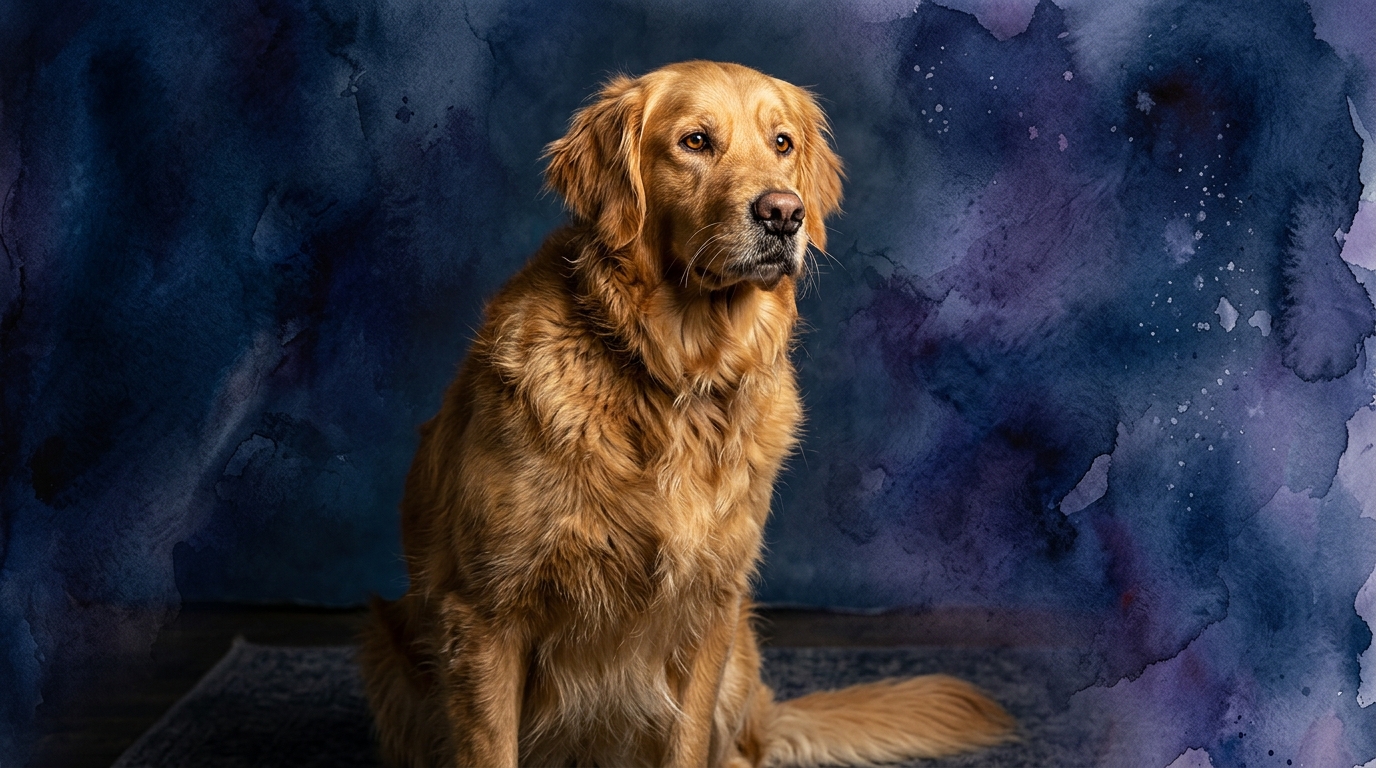
The Cosmic Pet Pet IQ Lab employs a multi-dimensional framework to assess canine intelligence, moving beyond simple obedience to encompass a range of cognitive abilities. For the Golden Retriever, a dog from the Sporting Group, our analysis reveals a well-rounded profile. Their Problem Solving is rated at 4/5, indicating an ability to navigate complex situations and figure out solutions with moderate prompting. Training Speed stands at an impressive 5/5, reflecting their exceptional eagerness and capacity to learn new commands quickly. Social Intelligence, also at 5/5, highlights their superb understanding of human cues and emotional states, making them highly attuned companions. Instinctive Drive, rated 4/5, points to a strong, yet manageable, inclination towards their original purpose of retrieving. Finally, their Memory at 4/5 suggests a robust retention of learned information and experiences.
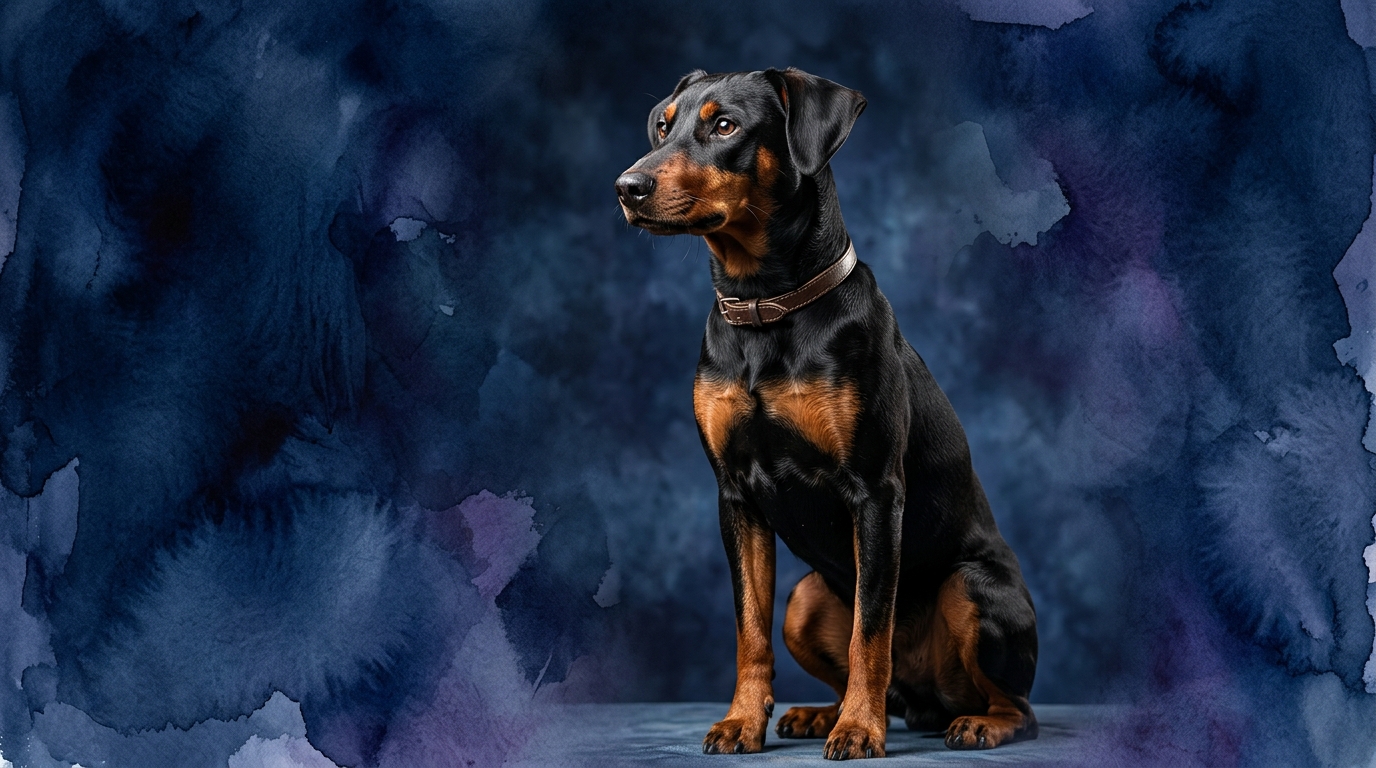
In contrast, the German Pinscher, a Working Group dog not ranked by Coren, presents a different cognitive signature. Across all five dimensions, this breed consistently scores 3/5. Their Problem Solving at 3/5 indicates a competent but perhaps less inventive approach to novel challenges, often relying on learned patterns rather than spontaneous innovation. Training Speed at 3/5 suggests they are capable learners, but may require more repetitions and patience compared to breeds with higher scores. Social Intelligence at 3/5 implies they are aware of human interactions but might exhibit more independence or selective engagement. Their Instinctive Drive, also 3/5, points to a moderate inherent urge for their working tasks, such as guarding or vermin control, which is present but not overwhelming. Memory at 3/5 signifies a solid ability to recall information, though perhaps with less detail or over shorter durations than a higher-scoring breed.
Where the Golden Retriever's Mind Shines
The Golden Retriever's cognitive profile positions it as a highly adaptable and cooperative companion. Its exceptional Training Speed (5/5) means it grasps new commands with remarkable rapidity, often picking up complex sequences after only a few repetitions. This translates into a dog that is not only quick to learn basic obedience but also excels in advanced disciplines like agility, competitive obedience, and intricate service tasks. Their high Social Intelligence (5/5) allows them to keenly interpret human body language, tone of voice, and emotional states, fostering a deep, empathetic bond. This makes them particularly adept at understanding what is expected of them and adjusting their behavior accordingly, reducing frustration for both dog and owner. Furthermore, their Problem Solving (4/5) enables them to navigate various environments, from busy urban settings to intricate scent work, often figuring out how to retrieve an item or bypass an obstacle with focused determination. This combination of traits contributes to their Coren rank of #4, signifying a breed that consistently demonstrates a strong capacity for working intelligence and obedience.
Understanding the German Pinscher's Cognitive Strengths
While the German Pinscher's scores of 3/5 across the board might seem modest compared to the Golden Retriever, they reflect a distinct and effective form of intelligence, particularly suited to their original purpose. Their Problem Solving, though not as high-scoring in human-directed tasks, manifests as keen observational skills and quick decision-making in their environment, especially when it pertains to detecting intruders or vermin. This isn't about solving puzzles for human entertainment, but rather practical, real-world assessment. Their Instinctive Drive (3/5) is less about retrieving and more about alertness and a strong prey drive, making them formidable guardians and efficient rodent dispatchers. This drive is channeled into vigilant patrolling and a readiness to act, requiring a focused, independent cognitive process. The German Pinscher's Social Intelligence (3/5) points to a more discerning nature; they are not inherently driven to please every human but form strong, protective bonds with their immediate family. This means their intelligence is often expressed through loyalty and watchful attentiveness rather than overt displays of eagerness to engage with strangers, a valuable trait for a dedicated sentinel.
Training Dynamics: A Tale of Two Approaches
When it comes to ease of training, the Golden Retriever holds a clear advantage, primarily due to its superior Training Speed (5/5) and Social Intelligence (5/5). Goldens possess an innate desire to please their human companions, making them highly responsive to positive reinforcement. They thrive on interaction and praise, quickly associating actions with rewards. This translates into a relatively smooth training process, where new commands are learned efficiently and retained well, even in distracting environments. Their high social intelligence means they are often attuned to their owner's intentions and emotional state, further facilitating communication during training sessions. They are generally forgiving of handler errors and maintain enthusiasm for learning.
The German Pinscher, with its 3/5 scores in both Training Speed and Social Intelligence, presents a different training challenge. While certainly trainable, they possess a more independent and sometimes opinionated nature. They may not always see the immediate benefit in performing a command if it doesn't align with their own perceived agenda. Training a German Pinscher requires consistency, patience, and a firm but fair approach. Owners must engage their intellect and establish clear leadership, as this breed responds best to well-defined expectations rather than relying solely on an inherent desire to please. Their instincts for guarding and hunting may also require more focused redirection during training to ensure appropriate behavior in various settings. This doesn't mean they are less capable, but rather that their cognitive strengths are geared towards self-reliance and observation, requiring a different pedagogical strategy from their human partners.
Matching Canine Minds to Lifestyles
For owners seeking a highly engaged and cooperative companion, the Golden Retriever's intelligence profile aligns perfectly with an active family lifestyle or roles requiring consistent human interaction. Their high Social Intelligence and Problem Solving make them excellent candidates for therapy work, service dog roles, or simply as devoted family members who enjoy participating in all activities. They thrive on mental stimulation that involves teamwork, such as obedience trials, retrieving games, or even learning complex tricks. While they need regular physical exercise, their cognitive needs are often met through structured play and social engagement, making them suitable for owners who enjoy consistent training and bonding activities, rather than just independent exercise.
The German Pinscher, conversely, is best suited for active owners who appreciate an independent and vigilant nature. Their cognitive strengths are geared towards alertness, observation, and purposeful action, making them excellent watchdogs or companions for individuals who enjoy channeling a dog's natural drives. They require consistent physical exercise that allows them to use their energy and keen senses, such as long walks, hiking, or structured dog sports like agility or earthdog trials where their drive can be utilized. Their independent streak means they may not always seek constant human reassurance or direction, making them a better fit for experienced owners who can provide clear boundaries, consistent training, and ample opportunities for mental engagement that respects their self-assured temperament. They are not dogs for relaxed, passive ownership; their minds need purpose and engagement to prevent boredom and undesirable behaviors.
The Verdict
Choose a Golden Retriever if you seek an exceptionally cooperative, empathetic, and easily trained companion for family life, service work, or performance sports, valuing a strong desire to please and high social attunement.
Opt for a German Pinscher if you are an experienced, active owner who appreciates an independent, vigilant, and alert companion with a protective streak, willing to invest in consistent, engaging training that respects their self-reliant nature.
🧠 Find Your Pet's IQ Score
Our Pet IQ Lab assessment covers 25+ tests across 5 cognitive dimensions — personalized to your breed.
Take the Full IQ Test →Frequently Asked Questions
Is a Golden Retriever a good choice for a first-time dog owner?
Yes, their high training speed and social intelligence make them relatively forgiving and responsive, often thriving with owners new to dog training, provided they receive consistent guidance and socialization.
Do German Pinschers require a lot of mental stimulation?
Absolutely. Despite their moderate scores, their inherent alertness and drive mean they need consistent mental challenges and purposeful activities to prevent boredom and channel their energy productively.
Which breed is better with children?
The Golden Retriever's high social intelligence and gentle nature generally make them more tolerant and adaptable with children, whereas a German Pinscher's discerning and protective instincts require more careful socialization and supervision around younger family members.