Side-by-Side IQ Profile: Golden Retriever vs. Giant Schnauzer
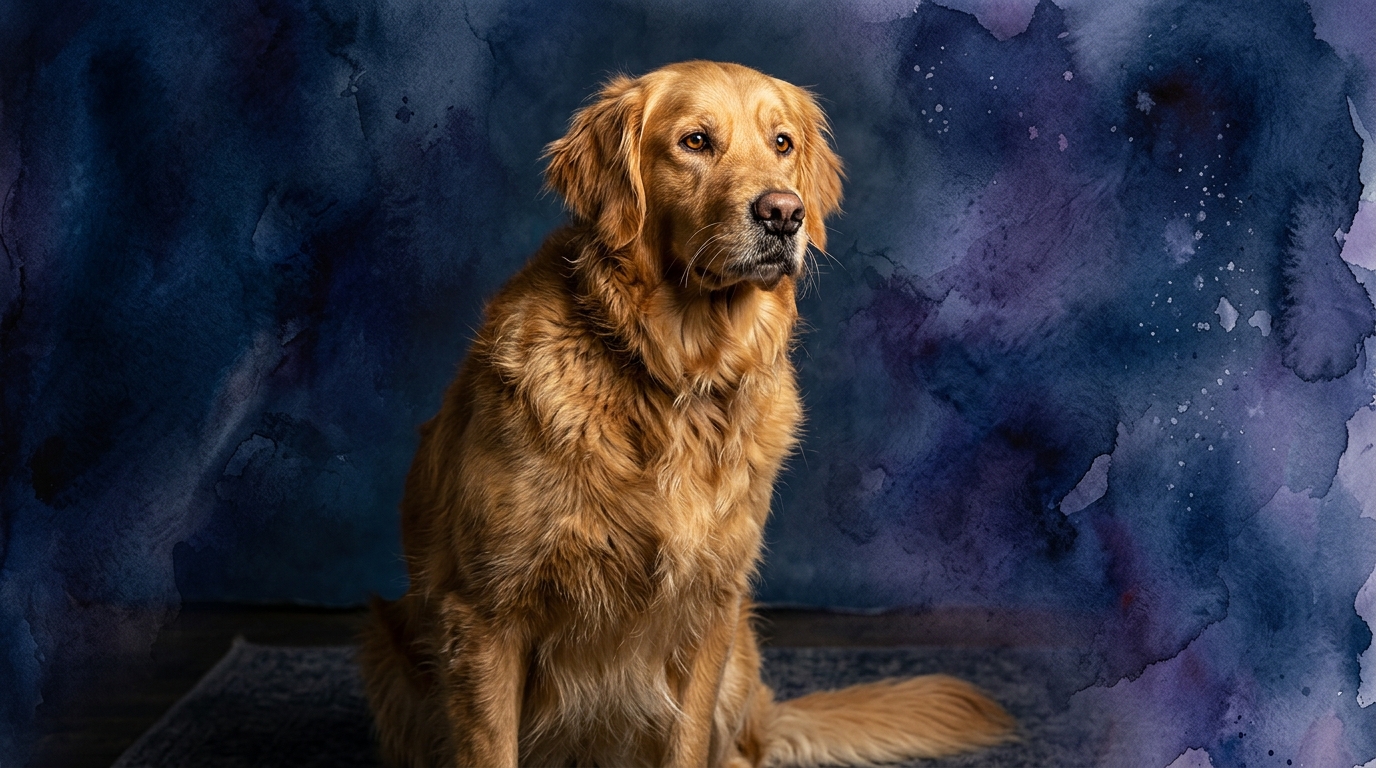
The Cosmic Pet Pet IQ Lab employs a multi-faceted approach to assess canine cognition, moving beyond simple obedience scores to evaluate how breeds truly think and interact with their environment. For the Golden Retriever, ranked #4 by Coren, their profile showcases a balanced and highly adaptable mind. Their Problem Solving is rated 4/5, indicating a strong capacity to figure out novel situations and overcome obstacles. Training Speed earns a perfect 5/5, reflecting their exceptional eagerness to learn and retain commands quickly, often requiring fewer repetitions than most breeds. Social Intelligence is also a top-tier 5/5, underscoring their innate ability to read human cues, integrate into family dynamics, and interact harmoniously with others. An Instinctive Drive of 4/5 points to their strong natural aptitudes, particularly for retrieving and companionship, while Memory is a solid 4/5, allowing them to recall learned behaviors and experiences over time.
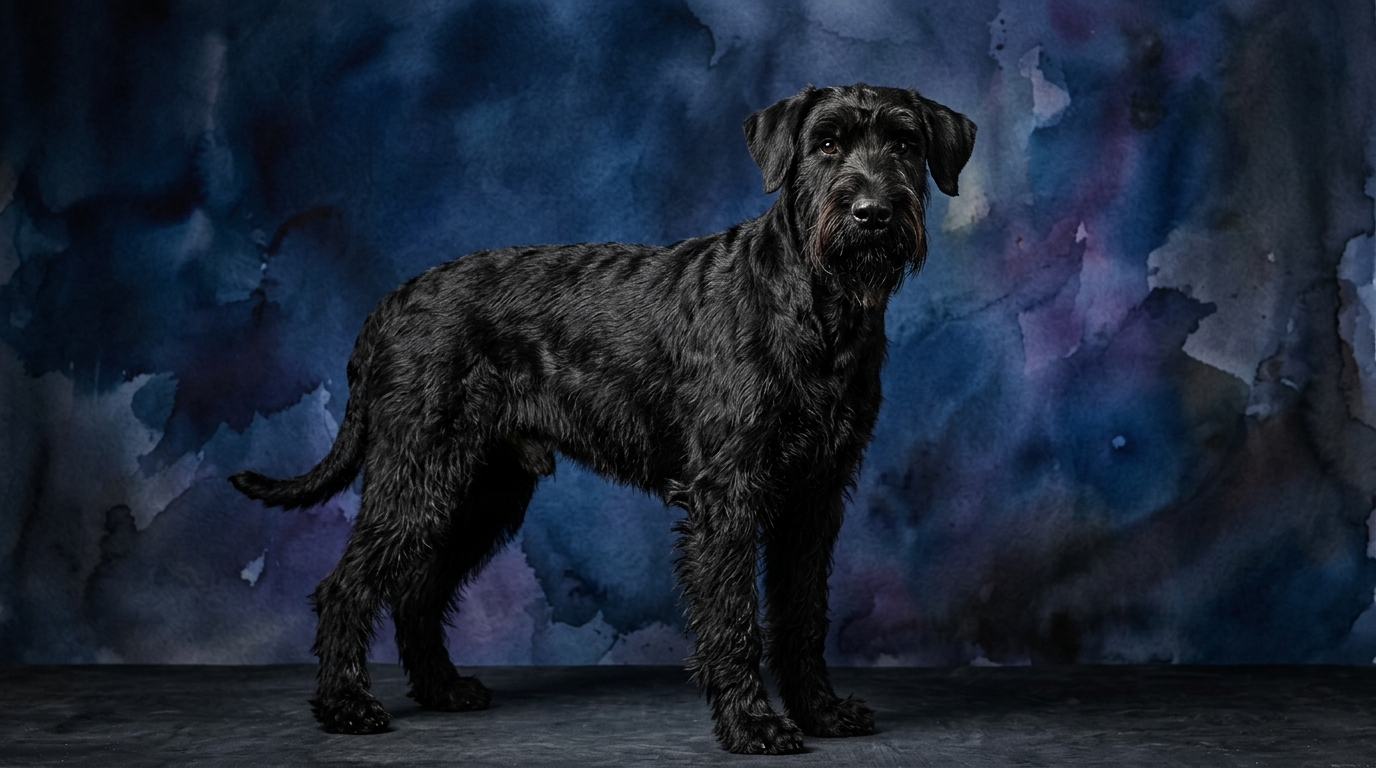
In contrast, the Giant Schnauzer, a formidable working breed with a Coren rank of #28, presents a different cognitive blueprint, geared towards protection and independent thought. Their Problem Solving also stands at 4/5, demonstrating their ability to assess and resolve challenges, often with a more independent approach. Training Speed is 4/5, showing they are adept learners, though they might require more consistent motivation or a clearer purpose behind commands compared to a Golden. Social Intelligence is rated 3/5, suggesting a more reserved and discerning nature; they are typically loyal to their family but can be wary or indifferent towards strangers and new situations. Their Instinctive Drive is 3/5, focusing on their protective instincts and territoriality rather than broad cooperative tasks. Finally, their Memory is 4/5, indicating a strong capacity to recall specific training, routines, and experiences relevant to their role.
Where the Golden Retriever Excels Cognitively
The Golden Retriever clearly excels in areas demanding high social connectivity and rapid learning. Their perfect 5/5 in Training Speed means they absorb new commands and routines with remarkable efficiency, making them exceptionally responsive to instruction and adaptable to various training methodologies. This quick uptake isn't just about obedience; it reflects a deep desire to engage and cooperate with humans, viewing training as a collaborative activity rather than a mere task. Furthermore, their 5/5 Social Intelligence is a significant cognitive advantage, allowing them to interpret human emotions, intentions, and subtle cues with precision. This makes them incredibly intuitive companions, capable of adjusting their behavior to suit different social contexts and forming strong, empathetic bonds. Their cognitive strength lies in their collaborative spirit and emotional attunement, which translates into seamless integration into human lives and a remarkable capacity for service and therapy work.
Where the Giant Schnauzer Shows Unique Cognitive Strengths
While the Golden Retriever shines in social cooperation, the Giant Schnauzer's cognitive strengths lean towards independent reasoning, resilience, and a discerning nature. Their 4/5 Problem Solving, though numerically equal to the Golden's, often manifests differently; the Giant Schnauzer approaches challenges with a tenacious self-reliance, less prone to seeking immediate human guidance and more inclined to persist until a solution is found independently. This breed's cognitive architecture is built for vigilance and protection, demanding a keen awareness of their surroundings and the ability to make quick, decisive judgments without constant human input. Their 3/5 Instinctive Drive, while lower than the Golden's, is focused on specific guarding and protective behaviors, meaning they are cognitively predisposed to assess threats and react accordingly, requiring a sharp observational intelligence. This independent streak and robust mental fortitude make them exceptional at tasks requiring focus and determination, such as advanced protection work or complex scent tracking, where their inherent skepticism and self-assurance can be an asset.
Trainability: Golden Retriever vs. Giant Schnauzer
When evaluating ease of training, the Golden Retriever holds a distinct advantage due to its exceptional Training Speed (5/5) and Social Intelligence (5/5). Goldens possess an intrinsic motivation to please their human companions, making them highly biddable and responsive to positive reinforcement. They pick up new commands and behaviors with remarkable alacrity, often eager to repeat actions that earn praise or rewards. Their high social intelligence means they are acutely attuned to their handler's moods and intentions, facilitating clearer communication and a more harmonious training experience. They are less likely to challenge commands and more inclined to comply simply for the sake of cooperation.
The Giant Schnauzer, with its 4/5 Training Speed and 3/5 Social Intelligence, presents a different training dynamic. While capable learners, they often require a more confident, consistent, and experienced handler. Giant Schnauzers possess an independent streak and a strong will, meaning they might question the necessity of a command or require a clear purpose to be motivated. Their lower social intelligence means they are less inherently driven to please and may not be as readily attuned to subtle human cues. Training a Giant Schnauzer demands patience, firm leadership, and a deep understanding of canine behavior, focusing on building a respectful partnership where the dog trusts the handler's judgment. They are not difficult to train, but they are certainly not as 'easy' or forgiving as a Golden Retriever, needing more structured engagement and a handler prepared for occasional stubbornness.
Matching Breeds to Owner Lifestyles
The choice between a Golden Retriever and a Giant Schnauzer hinges significantly on an owner's lifestyle and their capacity to meet the breed's mental and physical needs. Golden Retrievers, with their high social intelligence and adaptable nature, are remarkably versatile companions suitable for a wide spectrum of owners. While they are active dogs requiring regular exercise, their eagerness to please and strong desire for companionship mean they can thrive with moderately active families who enjoy walks, playtime, and inclusive activities. Their primary need is human interaction and being an integral part of family life; they are generally content to relax indoors after their exercise needs are met, making them suitable for owners who appreciate a balance of activity and downtime.
The Giant Schnauzer, however, is unequivocally suited for active, experienced, and highly committed owners. Their working dog heritage and robust build mean they possess substantial energy and a profound need for structured mental and physical engagement. A Giant Schnauzer thrives on having a job to do, whether it’s advanced obedience, agility, protection sports, or extensive daily exercise that challenges both their body and mind. Their independent problem-solving ability and lower social intelligence mean they are not content to be mere couch potatoes; without sufficient stimulation, they can become bored, destructive, or develop undesirable behaviors. Relaxed owners who prefer minimal dog-centric activities will find a Giant Schnauzer overwhelming, as this breed demands a consistent, proactive approach to management, training, and exercise to channel their considerable drive effectively.
The Verdict
Select a Golden Retriever if you desire a highly social, adaptable, and eager-to-please companion who thrives on human interaction and cooperative learning, fitting seamlessly into diverse family dynamics.
Opt for a Giant Schnauzer if you are an experienced, active owner seeking a discerning, resilient, and protective partner who excels with structured training, purposeful activity, and a confident, consistent leader.
🧠 Find Your Pet's IQ Score
Our Pet IQ Lab assessment covers 25+ tests across 5 cognitive dimensions — personalized to your breed.
Take the Full IQ Test →Frequently Asked Questions
Are Golden Retrievers better for first-time dog owners?
Yes, Golden Retrievers are generally more forgiving and easier for first-time owners due to their high social intelligence, eagerness to please, and rapid training speed, which simplifies the learning process for both dog and human. Their adaptable nature makes them less demanding in terms of specialized handling compared to many working breeds.
Do Giant Schnauzers require professional training?
While not strictly mandatory, professional guidance is highly recommended for Giant Schnauzer owners, especially first-timers. Their independent nature and protective instincts benefit greatly from expert-led structured training that establishes clear boundaries, builds confidence, and channels their drive effectively, ensuring a well-adjusted companion.
Which breed is more prone to separation anxiety?
Golden Retrievers, with their strong social intelligence and deep desire for companionship, can be more prone to separation anxiety if left alone for extended periods without adequate mental and physical stimulation. Giant Schnauzers, while loyal, tend to be more independent and may cope better with solitude, though consistent neglect of their needs can still lead to issues.