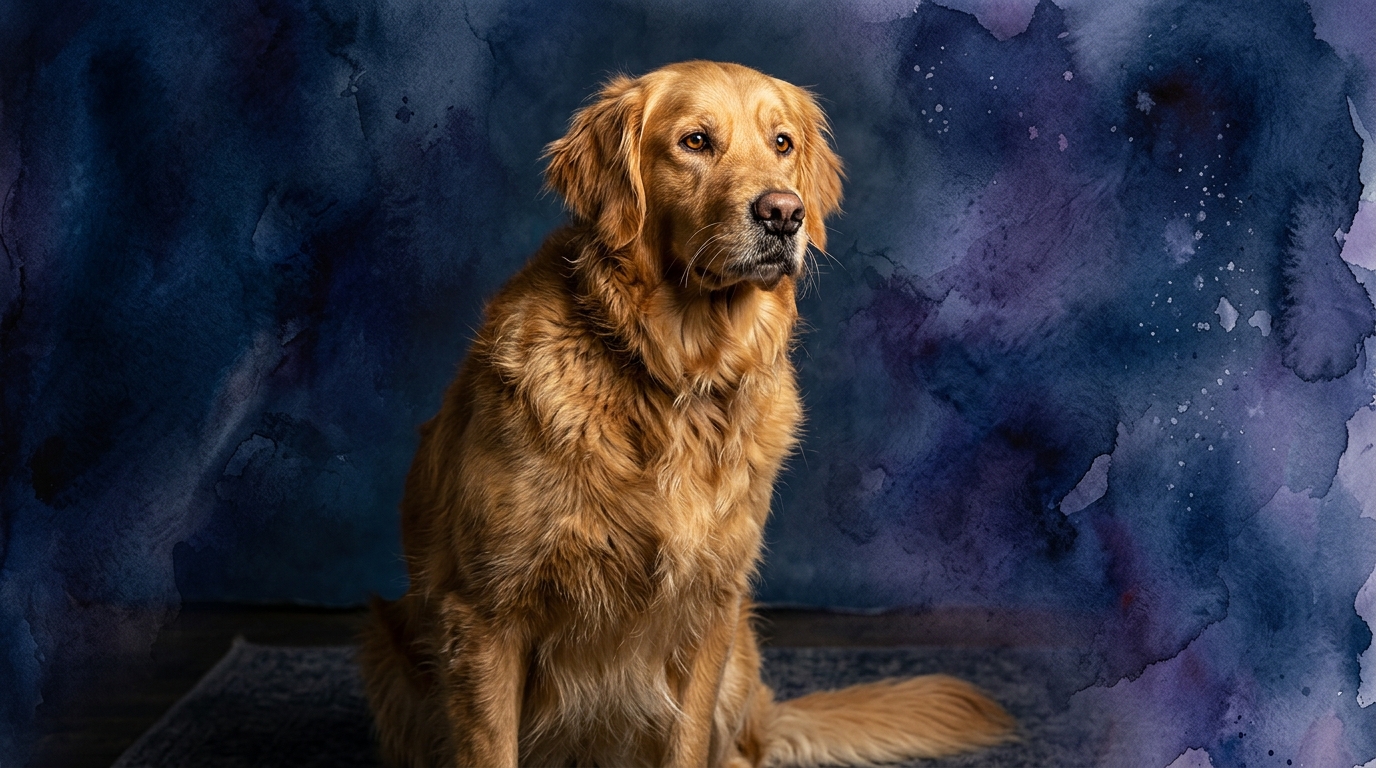
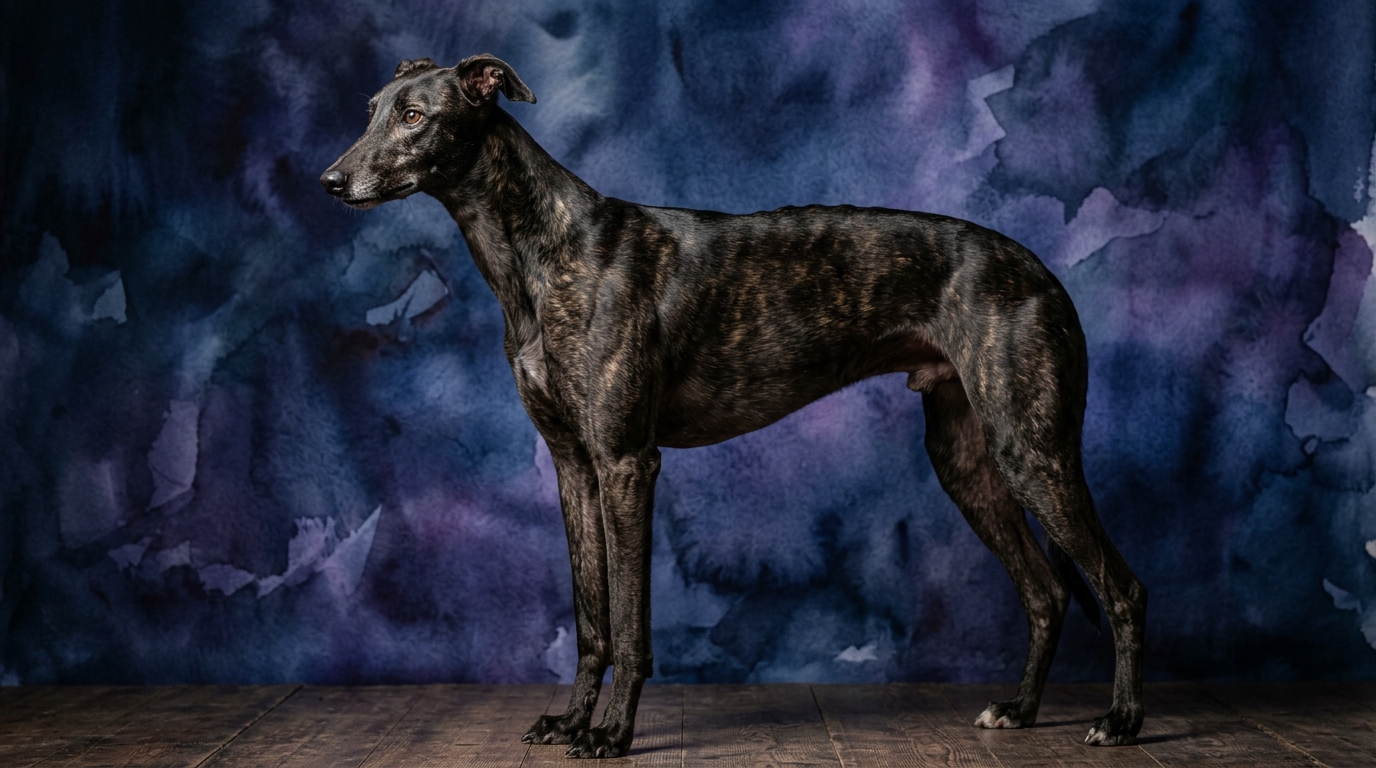
Side-by-Side IQ Profile: Golden Retriever vs. Greyhound
The Golden Retriever, ranking #4 on the Coren scale, presents a comprehensive cognitive profile. Their Problem Solving is rated 4/5, indicating an adeptness at navigating complex tasks, often in collaboration with humans. Training Speed is an exceptional 5/5, reflecting rapid learning and enthusiasm for new commands. Social Intelligence stands at 5/5, showcasing a deep attunement to human emotions and social cues. Instinctive Drive is 4/5, characterized by a strong retrieving and working inclination, while Memory is a solid 4/5, allowing for retention and application of past learning.
In contrast, the Greyhound, Coren rank #46, demonstrates a specialized cognitive makeup. Their Problem Solving is 3/5, often manifesting as independent strategies rather than seeking human guidance. Training Speed is 2/5, suggesting a moderate learning pace that requires patience and specific motivation. Social Intelligence is 3/5, forming strong bonds but often with a reserved demeanor towards strangers. Instinctive Drive is a powerful 5/5, driven by an intense prey chase instinct. Memory is 3/5, effective for routines and environmental recall, but potentially less generalized across varied contexts.
Where the Golden Retriever Wins Cognitively
Golden Retrievers excel in cognitive tasks demanding a nuanced understanding of human communication and collaborative effort. Their 5/5 social intelligence means they are not just responsive to commands but frequently anticipate human intent, making them effective service animals and family companions who often seem to grasp what's needed without explicit direction. This extends to their 4/5 problem-solving, where they apply logical steps to achieve goals, often seeking human input or approval in the process.
Their superior training speed (5/5) and memory (4/5) are intimately linked; a Golden Retriever quickly grasps new concepts and retains them, allowing for rapid progression through complex obedience or skill-based training. They are adept at generalizing learned behaviors from one context to another, making them adaptable learners in diverse environments. This cognitive flexibility allows them to excel in roles requiring continuous learning and application, such as advanced obedience, agility, or therapy work.
Where the Greyhound Wins Cognitively
Greyhounds demonstrate distinct cognitive strengths rooted in their powerful instinctive drive (5/5). Their minds are finely tuned for observation and rapid reaction to movement, a critical skill for a sighthound. While their problem-solving scores 3/5, this often manifests as independent, efficient strategies to achieve a goal, particularly if it involves pursuit or navigating an environment to reach a visual target without human intervention.
Their memory (3/5) might not be for complex sequential obedience commands, but it is highly effective for remembering environmental layouts, safe running spaces, and the patterns of potential prey. A Greyhound's social intelligence (3/5) leans towards discerning trusted individuals and quiet companionship, valuing calm interactions over constant engagement. This breed's cognitive prowess is less about eager cooperation and more about focused, independent action, making them masters of their own environment and highly self-sufficient in their decision-making.
Training Dynamics: Which is Easier to Train and Why
The Golden Retriever is generally easier to train due to its combination of high training speed, social intelligence, and cooperative instinctive drive. They possess an inherent desire to please their human companions, which translates into enthusiastic participation in training sessions. Their strong memory and problem-solving skills mean they pick up complex sequences of commands quickly and can apply them reliably, even in new situations, making them highly rewarding for both novice and experienced trainers.
Conversely, the Greyhound, with a training speed of 2/5 and lower social intelligence in a cooperative sense, presents a different training dynamic. While capable of learning, their independent nature and powerful instinctive drive (5/5) mean they often require more patience, consistent motivation, and positive reinforcement tailored to their specific interests. They may not view commands as opportunities to please but rather as suggestions, and their focus on visual stimuli can make recall challenging if a tempting "prey" distraction appears. Training a Greyhound involves understanding their independent spirit and finding ways to make training intrinsically rewarding for them.
Lifestyle Match: Active Owners vs. Relaxed Owners
The Golden Retriever, with its robust instinctive drive (4/5) and collaborative nature, often thrives with active owners who enjoy engaging in various dog sports, long walks, or purposeful activities like retrieving. Their social intelligence (5/5) means they genuinely enjoy being included in family outings and mental stimulation games. Owners who appreciate a dog that is eager to learn new tasks, participate in adventures, and offers constant companionship will find a Golden Retriever to be an excellent match.
The Greyhound, despite its racing background and strong instinctive drive (5/5 for pursuit), often surprises owners with its preference for relaxed indoor living. While they require bursts of intense exercise in a secure area to satisfy their chase drive, they are typically content to spend the rest of their day lounging. Their independent problem-solving (3/5) and social intelligence (3/5) suggest they appreciate a calmer household environment where they can observe rather than constantly participate. Owners who enjoy a quiet companion, appreciate a dog that can entertain itself, and are prepared for short, intense exercise sessions followed by long naps will find the Greyhound an ideal fit.
The Verdict
Choose the Golden Retriever if you seek a highly cooperative, adaptable companion eager for collaborative learning and a strong participant in family activities.
Opt for the Greyhound if you appreciate an independent, calm home presence balanced with powerful, focused bursts of outdoor activity, valuing a dog that thinks for itself.
🧠 Find Your Pet's IQ Score
Our Pet IQ Lab assessment covers 25+ tests across 5 cognitive dimensions — personalized to your breed.
Take the Full IQ Test →Frequently Asked Questions
Do Greyhounds struggle with learning new commands?
Greyhounds don't struggle with learning, but their training speed is rated 2/5, indicating they learn at a moderate pace and often require more consistent, motivation-based reinforcement than breeds with higher cooperative drives. They respond best to positive methods that make learning enjoyable and relevant to them.
How does a Golden Retriever's social intelligence manifest in daily life?
A Golden Retriever's 5/5 social intelligence means they are highly attuned to human emotions and social cues. They often anticipate needs, offer comfort when sensing distress, and excel in roles requiring deep connection, like therapy or service work, displaying remarkable empathy and understanding.
Is a Greyhound's high instinctive drive difficult to manage?
A Greyhound's 5/5 instinctive drive, primarily for chasing, requires careful management, especially in unfenced areas. While strong, it can be channeled safely through appropriate exercise routines like lure coursing or secure off-leash play, ensuring their well-being and preventing potential escapes or incidents with smaller animals.