The Pet IQ Lab Profile: Golden Retriever vs. Havanese
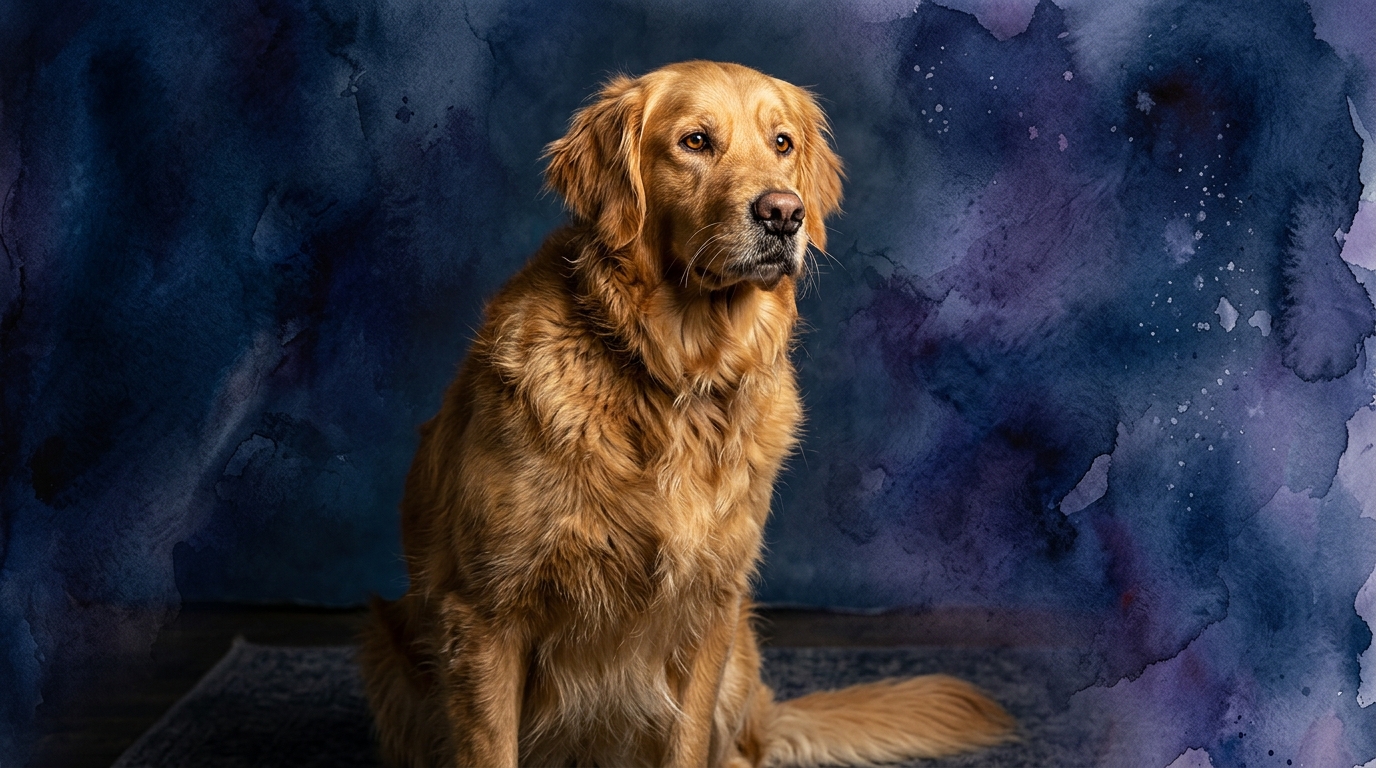
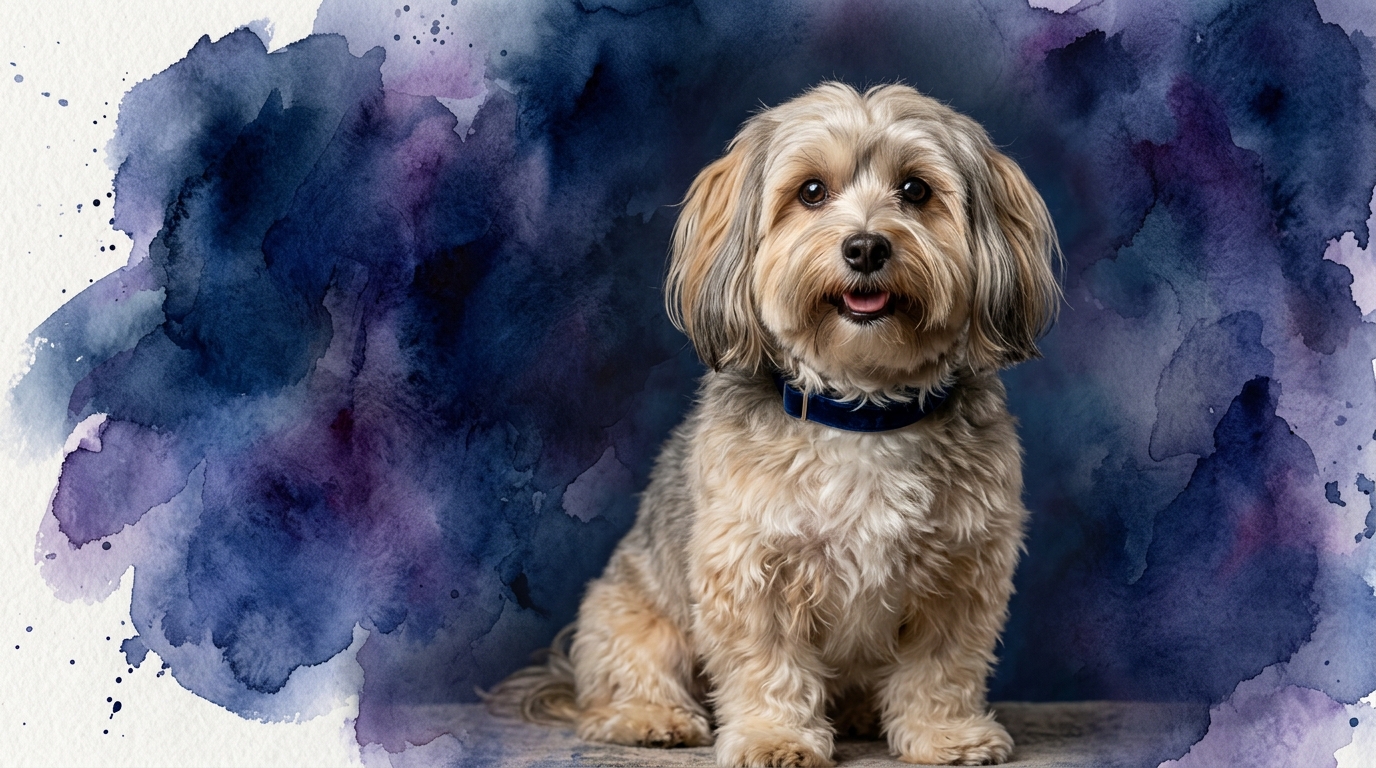
At The Cosmic Pet Pet IQ Lab, we analyze canine intelligence across five critical dimensions to provide a nuanced understanding of each breed's cognitive strengths. For our comparison, we delve into the Golden Retriever, a prominent member of the Sporting Group, and the Havanese, a beloved representative of the Toy Group, examining how their inherent predispositions shape their interactions with the world and their human companions.
The Golden Retriever, widely recognized for its adaptability and eagerness, holds a Coren rank of #4, placing it among breeds that demonstrate a rapid understanding of new commands and consistent obedience. Our IQ metrics for the Golden Retriever reflect this: Problem Solving 4/5, Training Speed 5/5, Social Intelligence 5/5, Instinctive Drive 4/5, and Memory 4/5. These scores paint a picture of a dog adept at learning, engaging, and fulfilling complex tasks.
The Havanese, while not listed in Coren's traditional ranking, possesses its own unique cognitive blueprint perfectly suited to its role as a companion. Our Pet IQ Lab scores for the Havanese are: Problem Solving 3/5, Training Speed 3/5, Social Intelligence 5/5, Instinctive Drive 2/5, and Memory 3/5. These metrics suggest a breed with a strong social core, though perhaps with different aptitudes for independent task completion or rapid command acquisition compared to a working breed.
Where the Golden Retriever's Cognition Shines
The Golden Retriever’s cognitive profile highlights several areas where its intellect truly excels, particularly in practical application and rapid learning. With a Problem Solving score of 4/5, Golden Retrievers demonstrate a robust capacity to figure out novel situations or overcome obstacles. This isn't just about simple trial and error; it involves an ability to connect actions with outcomes, making them effective at tasks like opening gates, retrieving specific items, or navigating complex environments to reach a goal. Their cognitive flexibility allows them to adapt strategies when initial attempts don't yield results, a valuable trait in various settings.
Their Training Speed, rated at an impressive 5/5, means Golden Retrievers typically grasp new commands with remarkable swiftness, often requiring fewer repetitions than many other breeds. This rapid assimilation stems from a combination of focused attention, a strong desire to cooperate, and an inherent ability to generalize learned behaviors to new contexts. This makes them exceptionally responsive to training for obedience, agility, service work, or even intricate trick routines, turning training sessions into efficient, rewarding experiences. They seem to anticipate what's expected, connecting verbal cues with actions almost intuitively.
Furthermore, the Golden Retriever’s Instinctive Drive of 4/5 underscores their strong genetic predisposition for tasks like retrieving, following scents, and working alongside humans. This drive isn't merely about physical energy; it's a cognitive inclination to engage in purposeful activities. This translates into a focused determination when given a job, whether it's carrying a basket, searching for a hidden toy, or participating in scent work. Their Memory score of 4/5 complements this, allowing them to retain vast repertoires of commands, routines, and experiences, building upon past learning to approach new challenges with confidence and efficiency. They recall past successes and apply those lessons to future situations, making their learning cumulative and robust.
Unpacking Havanese Cognitive Strengths
While the Havanese’s cognitive scores might appear lower in some categories compared to the Golden Retriever, their unique strengths are perfectly tailored to their primary role as a devoted companion. The Havanese shines brightest with a Social Intelligence score of 5/5, matching the Golden Retriever but manifesting in a distinct way. This breed possesses an extraordinary ability to read and respond to human emotions and social cues, often seeming to anticipate their owner's moods or desires. They excel at forming deep, empathetic bonds, making them exceptionally attuned to family dynamics and subtle non-verbal communication. This high social acumen fosters a sense of mutual understanding and companionship that is truly at the heart of their appeal.
Their Problem Solving score of 3/5 indicates a capable, though perhaps less independently driven, approach to challenges. Havanese might not be as inclined to independently devise complex solutions for abstract tasks, but they are often adept at problem-solving within a social context, such as figuring out how to get attention, manipulate a toy to engage their human, or navigate household spaces to be near their family. Their cognitive efforts are often directed towards enhancing their social connection and comfort, rather than fulfilling a working objective.
The Havanese's Instinctive Drive, rated at 2/5, means they generally have a lower innate compulsion for 'work' tasks like retrieving over long distances or sustained tracking. This isn't a cognitive deficit, but rather a different prioritization. Instead of an intense drive for physical tasks, their cognitive energy is often channeled into playful interaction and maintaining proximity to their human companions. Their memory, at 3/5, is sufficient for retaining household routines, social interactions, and a good number of commands, especially when reinforced through positive, engaging methods. They remember who their favorite people are and what brings them joy, contributing to their endearing and consistent companionship.
Training Dynamics: Golden Retriever vs. Havanese
When it comes to training, the distinctions between these two breeds become quite clear, largely influenced by their Training Speed and Instinctive Drive scores. The Golden Retriever, with its 5/5 Training Speed and 4/5 Instinctive Drive, is often considered a dream to train. Their eagerness to please, coupled with a strong focus and a natural inclination to retrieve or perform tasks, means they pick up commands rapidly and with enthusiasm. They thrive on positive reinforcement and clear guidance, often requiring minimal repetitions before a behavior is solidified. This rapid learning curve makes them excellent candidates for advanced obedience, service roles, and competitive dog sports, where precision and quick responses are paramount. Their focused attention allows them to process multiple cues and execute complex sequences with relative ease, making training a highly efficient and rewarding endeavor.
The Havanese, with a 3/5 Training Speed and 2/5 Instinctive Drive, presents a different training experience. While certainly trainable and eager to please their loved ones, they may require more patience, shorter training sessions, and a greater variety of motivators to maintain engagement. Their lower instinctive drive means they might not have the same inherent "job satisfaction" from performing tasks purely for the sake of it. However, their high Social Intelligence (5/5) is a significant asset in training; they are highly attuned to their owner's reactions and can be very responsive when motivated by praise, play, and treats. Training a Havanese often involves making it feel like a game or a social interaction, leveraging their playful nature rather than a strong working drive. They might take longer to master complex commands, but their desire for companionship ensures they are willing participants, especially if training strengthens their bond with their human.
Lifestyle Match: Active Owners vs. Relaxed Companionship
The cognitive and temperamental differences between Golden Retrievers and Havanese naturally align them with different owner lifestyles. Golden Retrievers, stemming from their Sporting Group heritage and their high Instinctive Drive (4/5), thrive with active owners who can provide ample outlets for their substantial physical and mental energy. Their cognitive makeup demands engagement, whether through daily long walks, runs, hikes, swimming, or structured activities like obedience, agility, or scent work. Owners who enjoy spending time outdoors and are prepared to incorporate their dog into an active routine will find a Golden Retriever to be an incredibly fulfilling and devoted partner. Their problem-solving abilities and memory mean they appreciate challenges and consistent engagement that tap into their innate desire to 'do' something.
Conversely, the Havanese, as a Toy breed with a lower Instinctive Drive (2/5) but high Social Intelligence (5/5), is an excellent match for owners seeking a more relaxed yet deeply engaging companion. While they enjoy play and short walks, they don't demand the rigorous exercise regimen of a Sporting dog. Their cognitive strengths are focused on social interaction and companionship, making them ideal for individuals or families who are home frequently and desire a dog that is content to be near them, participate in gentle play, and offer comforting presence. They are well-suited for apartment living or homes with smaller yards, as long as their need for human interaction and mental stimulation through games and short training sessions is met. Their adaptability and charming personality make them wonderful travel companions or pets for those with less physically demanding lifestyles.
The Verdict
Choose a Golden Retriever if you lead an active lifestyle, enjoy engaging in consistent training, and seek a highly capable partner for outdoor adventures, complex tasks, or dog sports.
Opt for a Havanese if you desire a devoted, socially adept companion for a less strenuous lifestyle, appreciating their playful nature, adaptable presence, and profound capacity for emotional connection.
🧠 Find Your Pet's IQ Score
Our Pet IQ Lab assessment covers 25+ tests across 5 cognitive dimensions — personalized to your breed.
Take the Full IQ Test →Frequently Asked Questions
Are Golden Retrievers good for first-time dog owners?
Yes, Golden Retrievers are often recommended for first-time owners due to their high training speed and social intelligence. Their eagerness to please and adaptability make them relatively straightforward to train, provided owners are committed to consistent guidance and meeting their exercise needs.
Do Havanese dogs require a lot of grooming?
Havanese dogs do require regular grooming to maintain their long, silky coats and prevent matting. Daily brushing is often recommended, along with professional grooming every few weeks, to keep them comfortable and looking their best, which is an important consideration for potential owners.
Which breed is better with children?
Both breeds can be excellent with children, but their approaches differ. Golden Retrievers are generally patient and robust playmates, while Havanese are typically gentle and affectionate, thriving in homes where children are taught to interact respectfully with a smaller dog. Supervision is always key with any dog and child.