Side-by-Side IQ Profile: Golden Retriever vs. Icelandic Sheepdog
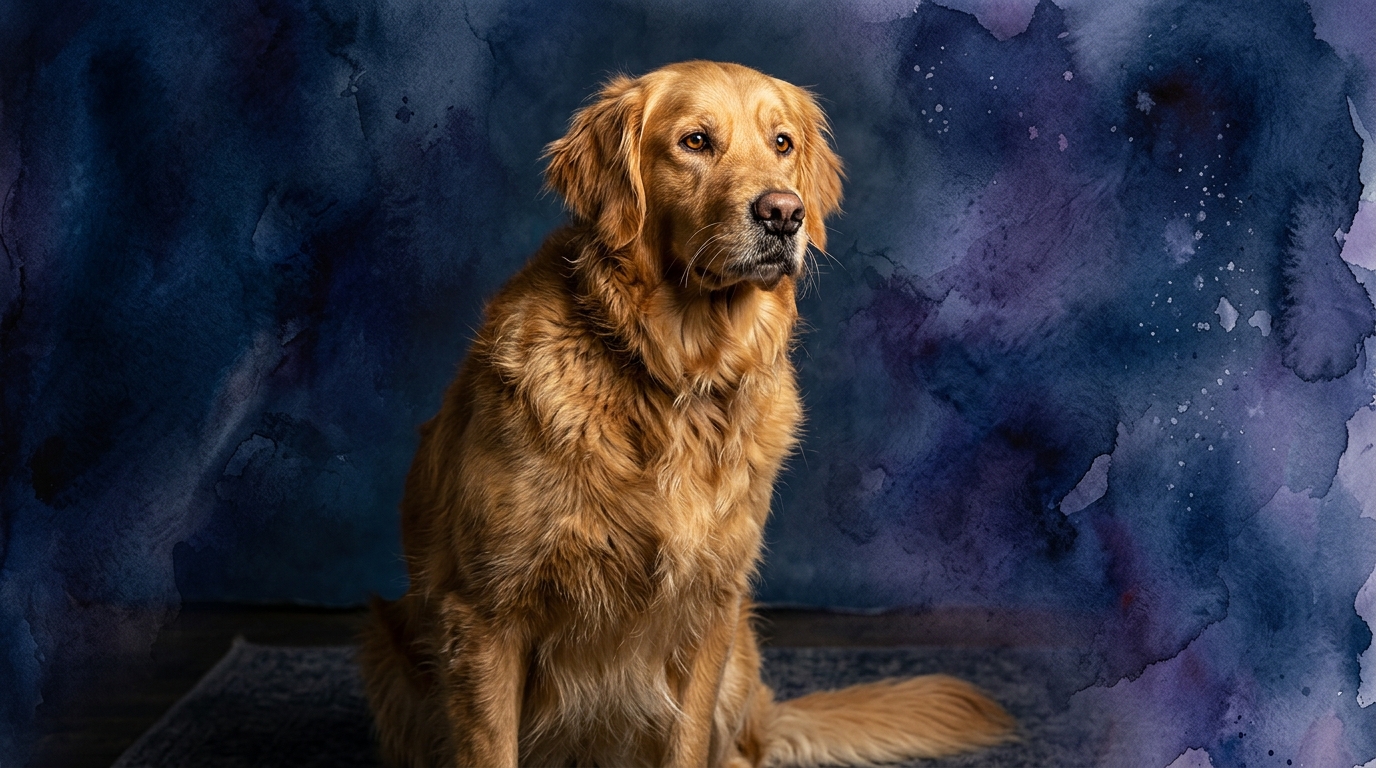
The Golden Retriever, a prominent Sporting breed ranked #4 by Coren, presents a cognitive profile emphasizing cooperative learning and social awareness. They score 4/5 in Problem Solving, indicating an aptitude for figuring out complex sequences, like opening latches or retrieving specific items from a group, often driven by a desire to please or interact. Their Training Speed is an exceptional 5/5, showcasing an ability to grasp new commands and routines with minimal repetitions. Social Intelligence also rates 5/5, reflecting their acute attunement to human cues, emotions, and intentions, making them adept at reading human body language. An Instinctive Drive of 4/5 highlights strong retrieving instincts and a natural inclination to work collaboratively, manifesting as a desire to 'help.' Their Memory, at 4/5, ensures they retain learned commands and experiences for extended periods, making retraining relatively straightforward.
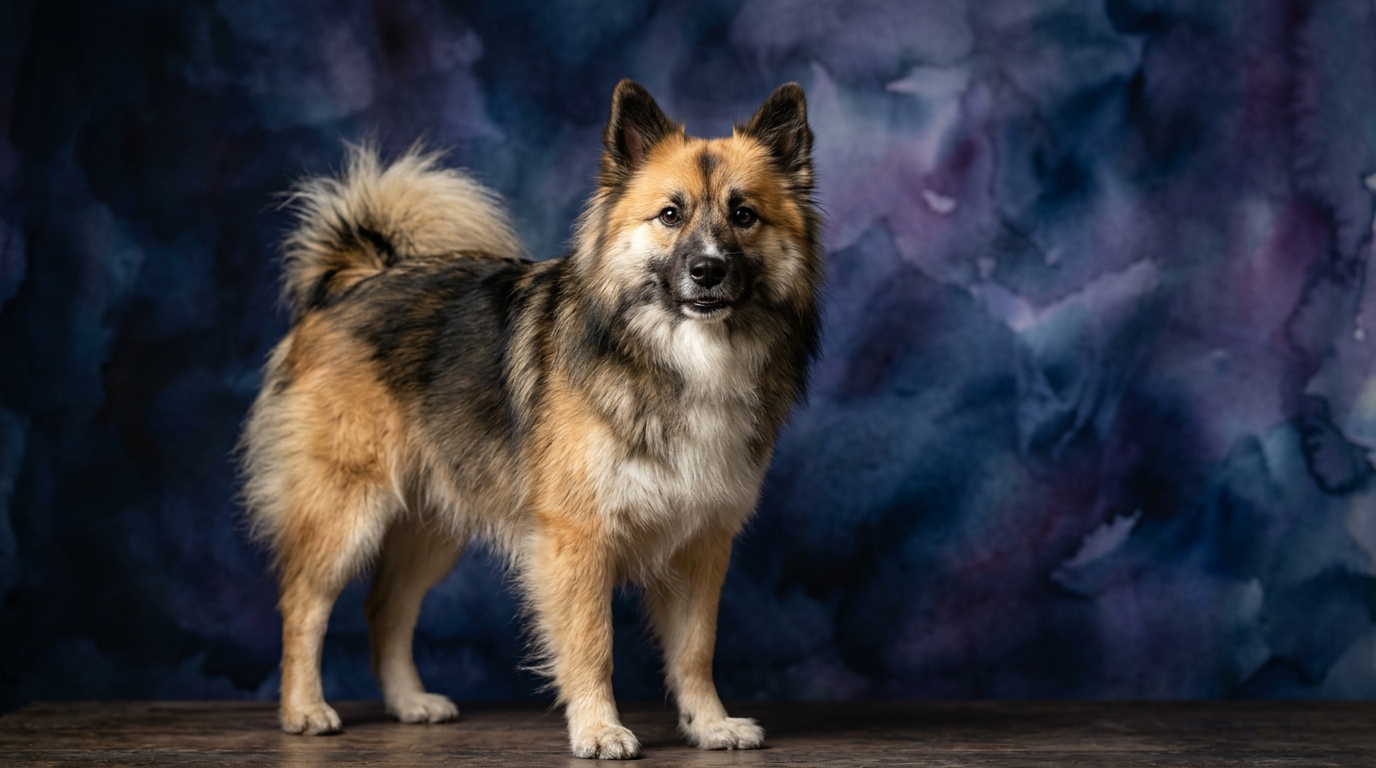
The Icelandic Sheepdog, a Herding breed without a Coren ranking, displays a cognitive makeup rooted in independent oversight and environmental awareness. Their Problem Solving is 3/5, demonstrating practical skills like navigating varied terrain or managing a flock, though they may not be as quick to solve abstract human-devised puzzles. Training Speed is 3/5, meaning they learn at a moderate pace, requiring consistent positive reinforcement, potentially influenced by their independent herding mindset. Social Intelligence scores 3/5; they form strong bonds with their family and are aware of their surroundings, but their social focus is often on the immediate 'flock' rather than broad human engagement. An Instinctive Drive of 3/5 points to their inherent herding tendencies, including barking to move livestock and a watchful nature. Memory at 3/5 indicates they can recall learned tasks and routines, especially those tied to daily life or work, but might need refreshers for less frequently practiced commands.
Where the Golden Retriever Wins Cognitively
Golden Retrievers show a distinct edge in their capacity for rapid acquisition of new behaviors, scoring a perfect 5/5 in Training Speed. This isn't just about rote repetition; it reflects an eagerness to engage and a strong desire to cooperate, making them exceptionally responsive to instruction. Their Social Intelligence at 5/5 means they are acutely perceptive of human intentions and emotions, allowing them to anticipate cues and adjust their behavior in complex social settings, far beyond simple obedience. This combination allows them to seamlessly integrate into diverse human activities and roles, from service work to competitive obedience, where nuanced understanding of human partners is key. Their problem-solving, at 4/5, often manifests in tasks where cooperation with a human is implied, such as figuring out how to retrieve a hidden object that a person wants them to find.
Where the Icelandic Sheepdog Wins Cognitively
While the Icelandic Sheepdog’s scores are generally lower in our direct comparison, their cognitive strengths lie in areas deeply rooted in their ancestral purpose. Their Instinctive Drive, rated 3/5, is a specific form of intelligence centered around vigilance, spatial awareness, and the management of a group, whether sheep or family members. They excel at observing their environment for changes and reacting with appropriate vocalizations or movements to maintain order, a nuanced form of problem-solving (3/5) geared towards practical, real-world scenarios rather than abstract puzzles. Their memory (3/5) is robust for routines and locations pertinent to their territory and daily oversight, allowing them to reliably patrol and monitor their surroundings. This breed's cognitive profile emphasizes independent decision-making within a defined context, rather than constant human direction.
Which is Easier to Train and Why
The Golden Retriever is undeniably easier to train for a broad spectrum of tasks, primarily due to their stellar Training Speed (5/5) and Social Intelligence (5/5). Their inherent desire to please, coupled with their ability to quickly interpret human cues, means they often pick up commands with minimal repetitions. They thrive on positive reinforcement and human interaction, making training sessions feel like a collaborative game where their responsiveness is highly rewarded. This cooperative spirit makes them excellent candidates for advanced obedience, agility, and even complex service roles where precision and consistent execution are paramount.
In contrast, the Icelandic Sheepdog, with its 3/5 in Training Speed and Social Intelligence, requires a more patient and consistent approach. Their herding background fosters a degree of independence; they are bred to make decisions about livestock, not simply follow every human directive without question. While capable of learning, their attention might wander if the task isn't engaging or if they perceive a more pressing 'duty' related to monitoring their environment or 'flock.' Training an Icelandic Sheepdog often requires making the task seem like their own idea or linking it to their natural drives, leveraging their watchful nature and problem-solving skills in context-specific ways. They respond well to positive reinforcement but may need more motivation and creativity in training methods to maintain engagement.
Which Suits Active Owners vs. Relaxed Owners
For active owners seeking a highly engaged partner for diverse activities, the Golden Retriever is an exceptional match. Their high energy, combined with their eager-to-please nature and quick learning ability, makes them ideal for dog sports, long hikes, swimming, and even complex service work. They thrive on having a 'job' that involves interaction and collaboration, requiring consistent mental and physical stimulation to prevent boredom. Relaxed owners might find the Golden Retriever's need for engagement a bit demanding if not adequately met, potentially leading to behaviors like excessive chewing or digging.
The Icelandic Sheepdog also requires an active owner, but of a different kind. While they are not necessarily suited for a 'relaxed' owner, their activity needs are often tied to purposeful movement and oversight rather than relentless retrieving or high-impact sports. They are well-suited for owners who enjoy regular, moderate walks, exploring varied terrain, and engaging in activities that allow them to use their watchful herding instincts, like agility or even just monitoring a large yard. Their preference for observing and managing their 'flock' means they are not always seeking constant physical interaction like a Golden, but they need their minds stimulated by their environment. Owners who appreciate a dog with a strong sense of purpose and a watchful demeanor will find a good fit, understanding that their activity often involves patrolling or surveying rather than always direct human-led play.
The Verdict
Choose a Golden Retriever if you desire a highly cooperative, socially attuned companion who learns rapidly and thrives on diverse interactive activities and a strong human bond.
Opt for an Icelandic Sheepdog if you appreciate an independent, watchful companion with a keen sense of their surroundings, suited for active, observant owners who value purposeful engagement over constant direction.
🧠 Find Your Pet's IQ Score
Our Pet IQ Lab assessment covers 25+ tests across 5 cognitive dimensions — personalized to your breed.
Take the Full IQ Test →Frequently Asked Questions
Are Golden Retrievers better at problem-solving than Icelandic Sheepdogs?
Golden Retrievers generally exhibit higher scores in problem-solving, particularly when the task involves human cooperation or understanding abstract rules. Icelandic Sheepdogs excel more in practical, environmental problem-solving related to their herding instincts, like navigating complex terrain.
Do Icelandic Sheepdogs make good family pets despite lower social intelligence scores?
Yes, Icelandic Sheepdogs form strong, devoted bonds with their immediate family, acting as watchful and loyal companions within their 'flock.' Their 'social intelligence' score primarily reflects their broader engagement with diverse human interactions, not their capacity for deep family attachment, which is very strong.
How do their memory capabilities impact daily life and training?
A Golden Retriever's superior memory (4/5) means they retain complex commands and routines with fewer refreshers, making consistent performance easier over time. An Icelandic Sheepdog's memory (3/5) is robust for consistent routines and environment-specific details, but might need more reinforcement for less frequent or abstract tasks to maintain proficiency.