Side-by-Side IQ Profile: Golden Retriever vs. Miniature Bull Terrier
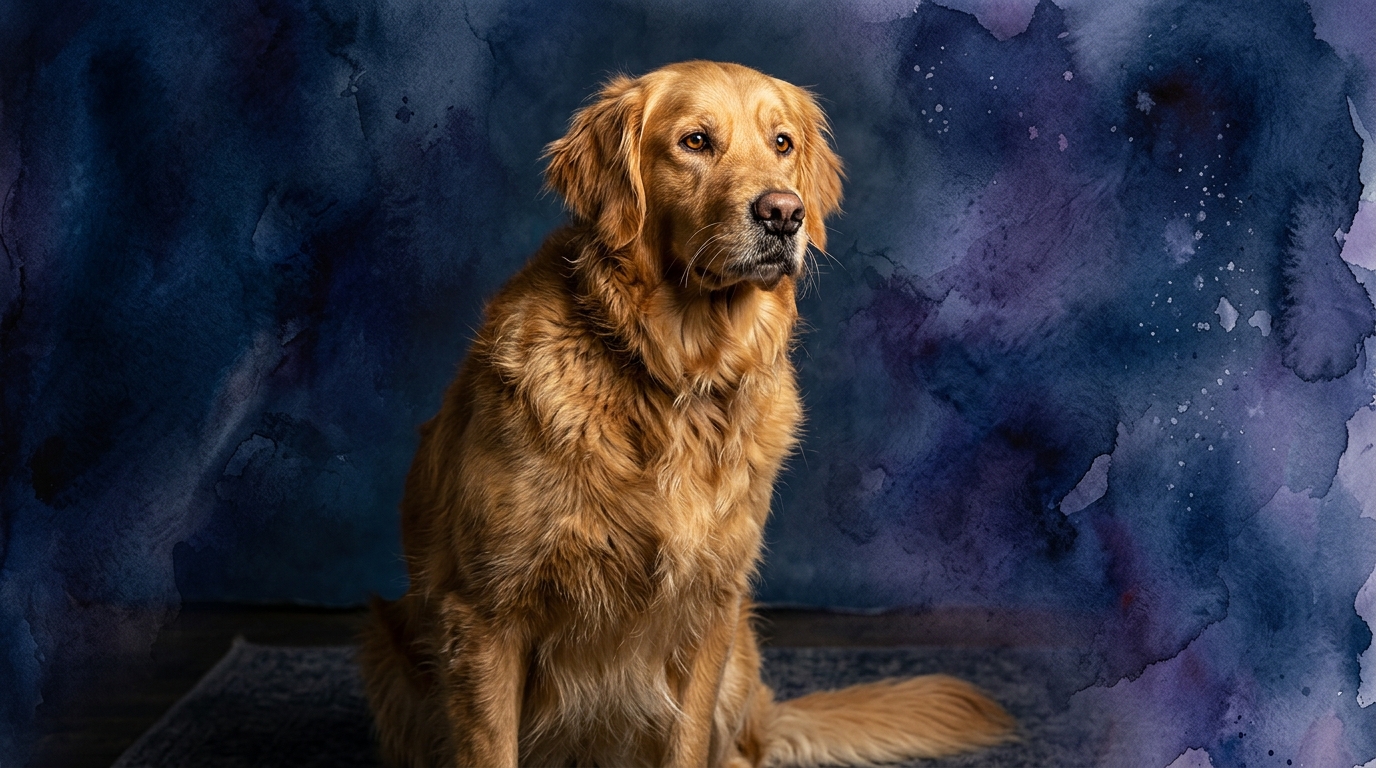
The Cosmic Pet Pet IQ Lab employs a multi-dimensional approach to assess canine cognition, moving beyond simplistic 'smartness' labels to evaluate specific strengths. For the Golden Retriever, a breed extensively studied and ranked #4 by Dr. Stanley Coren, their profile highlights a remarkable aptitude for partnership and learning. Their Problem Solving is rated 4/5, indicating an ability to navigate complex tasks and learn from experiences, often with a focus on achieving a goal alongside their human. Training Speed is an exceptional 5/5, reflecting their rapid grasp of new commands and routines, driven by a strong desire to please and cooperate. Social Intelligence stands at 5/5, showcasing their profound capacity to interpret human emotions, intentions, and social cues, making them highly empathetic and responsive companions. Their Instinctive Drive, rated 4/5, is channeled towards retrieving, carrying, and engaging in purposeful activities that often involve teamwork. Finally, Memory at 4/5 ensures they retain a vast repertoire of learned behaviors and experiences over time, contributing to their consistent performance.
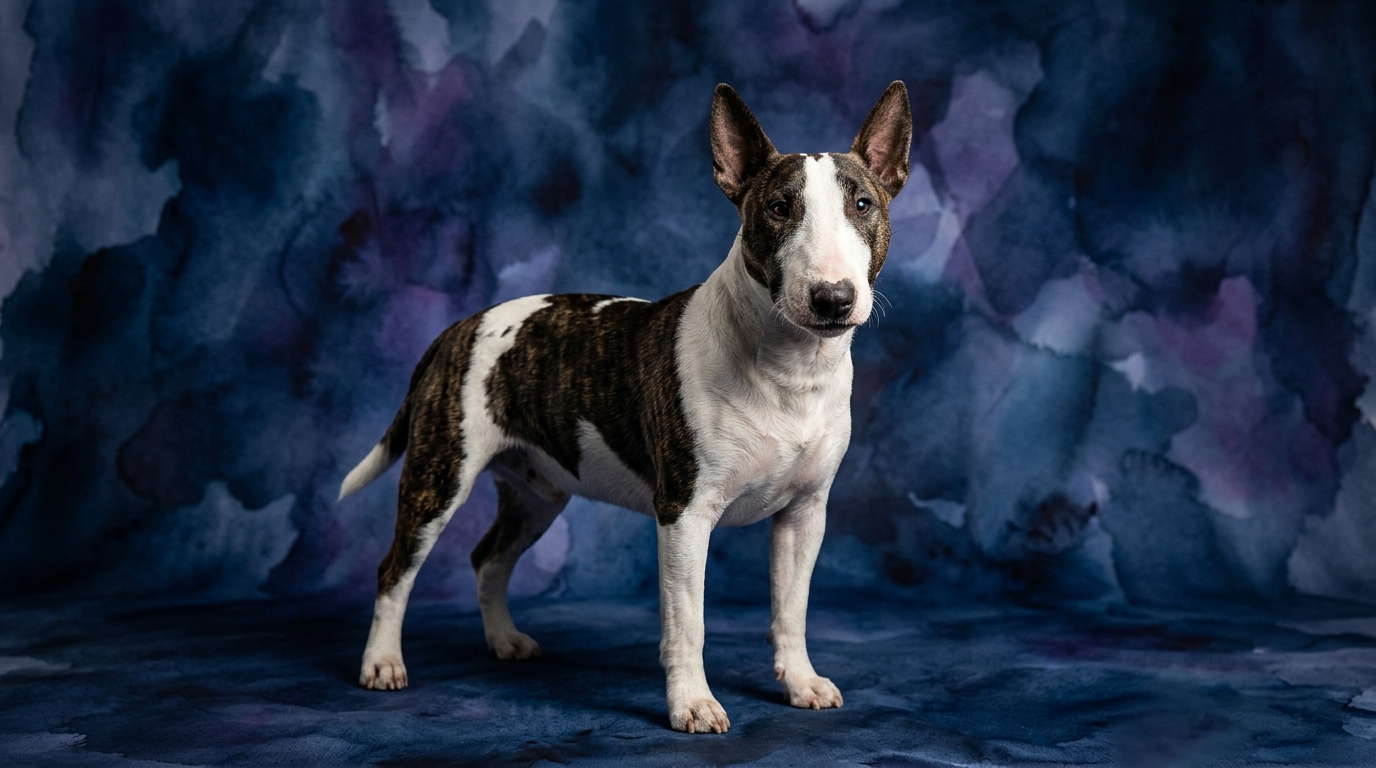
The Miniature Bull Terrier, while not included in Dr. Coren's specific ranking, presents a distinct cognitive profile shaped by its terrier heritage. Their Problem Solving is rated 3/5, suggesting they approach challenges with a determined, often independent mindset, sometimes relying on trial-and-error or a direct, tenacious approach rather than seeking immediate human guidance. Training Speed is 3/5, meaning they can learn, but often require more repetition, patience, and highly motivating rewards due to their independent nature and occasional preference for their own agenda. Social Intelligence is 3/5; they form deep bonds and can read their chosen humans, but might be less universally effusive or as attuned to subtle social nuances as a Golden Retriever, preferring to interact on their own terms. Their Instinctive Drive, also 3/5, is characterized by a strong prey drive, a desire for vigorous play, and a tenacious spirit, often manifesting in self-directed activities rather than seeking cooperative tasks. Memory is rated 3/5; they retain information, but their independent streak means they might appear to 'forget' commands if the motivation isn't compelling or if it conflicts with their current focus.
Where the Golden Retriever Excels Cognitively
The Golden Retriever demonstrates superior cooperative problem-solving, making them adept at tasks requiring intricate human collaboration. For instance, in complex scent discrimination or assistance roles, they not only understand the objective but actively engage with their handler to achieve it, seamlessly integrating human cues into their problem-solving strategy. This collaborative approach allows them to tackle multi-step challenges that demand sustained focus and partnership.
Their exceptional social attunement is another cognitive strength. Goldens are remarkably skilled at interpreting subtle human cues, including body language, vocal tone, and even emotional states. This allows them to respond appropriately to nuanced instructions and adapt their behavior to comfort a distressed individual or adjust their play intensity based on a child's mood, showcasing a deep understanding of social context.
Furthermore, their faster acquisition of complex sequences allows them to string together multiple commands and behaviors more readily than many other breeds. Thanks to their high training speed and robust memory, a Golden Retriever can learn and execute a series of actions—like 'sit, stay, come, fetch the blue ball, bring it here, drop it'—with impressive fluidity and reliability, making them highly versatile for various roles.
Where the Miniature Bull Terrier Shows Unique Cognitive Strengths
The Miniature Bull Terrier shines in independent problem-solving, often devising solutions without constant human prompting. When faced with a puzzle toy or a barrier to a desired object, their determination and resourcefulness come to the fore. They might employ unique, sometimes unconventional, methods to achieve their goal, relying on their own cleverness and tenacity rather than waiting for handler instruction, especially when their motivation is strong.
Another distinct advantage is their resilience to distraction once focused on a goal. While a Golden Retriever might pause to check in with their handler or be momentarily diverted by a new sound, a Miniature Bull Terrier, once engaged in a task—be it digging for a perceived critter or vigorously dissecting a robust toy—can exhibit a remarkable single-mindedness. This determined focus allows them to persist through environmental disruptions until their objective is met.
Their resourcefulness in novel situations is also noteworthy. Because their learning isn't always rigidly dependent on human direction, Miniature Bull Terriers can sometimes be more adaptable when encountering entirely new challenges where established patterns or learned commands don't apply. Their inherent curiosity and 'can-do' attitude, even if unconventional, can lead to creative solutions in situations where a more rule-bound learner might falter.
Training Dynamics: Golden Retriever vs. Miniature Bull Terrier
When it comes to ease of training, the Golden Retriever generally presents a much smoother experience. Their 5/5 training speed and 5/5 social intelligence mean they actively seek to understand and comply with human directives. They thrive on positive reinforcement and handler praise, viewing training as a cooperative and rewarding game. This willingness to engage and their strong memory help them quickly build a vast vocabulary of commands and retain complex routines. They are less prone to 'selective hearing' and genuinely enjoy the process of learning and working alongside their human, making them highly responsive and predictable trainees.
In contrast, training a Miniature Bull Terrier often requires more patience, creativity, and a deeper understanding of their independent motivations. Their 3/5 training speed and 3/5 social intelligence mean they are not inherently driven to please in the same way. Miniature Bull Terriers are independent thinkers who often weigh whether a command is worth their effort or if it aligns with their current interest. Their terrier stubbornness means they might ignore commands if not adequately motivated, necessitating the use of high-value rewards and making consistency absolutely crucial. They learn effectively when the training is engaging, fun, and makes sense to them, rather than simply because they are asked.
Suitability for Active vs. Relaxed Owners
Both breeds benefit from active owners, but their activity preferences differ significantly. Golden Retrievers are excellent companions for active individuals who enjoy structured outdoor activities like hiking, running, swimming, and various dog sports that require teamwork, such as agility, obedience, and retrieving trials. Their strong instinctive drive for purposeful activity and their high energy levels are channeled constructively through these shared endeavors. For more relaxed owners, a Golden Retriever can adapt, provided their substantial exercise needs are consistently met through daily walks, play, and mental stimulation. They are typically happy to settle down and cuddle after a good workout, enjoying quiet family time.
Miniature Bull Terriers also require active engagement but often with a more independent and vigorous play style. They suit owners who appreciate intense bursts of activity, long exploring walks, and mental challenges that tap into their determined nature. They excel in activities like earthdog trials, vigorous fetch sessions, or puzzle toys that require tenacity. However, they are less suited for purely relaxed owners; their strong drive and independent spirit demand consistent physical and mental engagement to prevent boredom and potential destructive behaviors. A Miniature Bull Terrier is not content to be a couch potato without significant, stimulating activity to burn off their energy and satisfy their cognitive needs.
The Verdict
Choose a Golden Retriever if you prioritize a highly cooperative, empathetic companion who thrives on shared activities, excels in structured training, and seamlessly integrates into a family-oriented lifestyle, offering consistent responsiveness and affection.
Opt for a Miniature Bull Terrier if you admire a dog with an independent spirit, a determined personality, and a unique, sometimes quirky approach to life, and are prepared to invest in patient, creative training methods for a devoted yet self-reliant companion.
🧠 Find Your Pet's IQ Score
Our Pet IQ Lab assessment covers 25+ tests across 5 cognitive dimensions — personalized to your breed.
Take the Full IQ Test →Frequently Asked Questions
Are Golden Retrievers good therapy dogs because of their intelligence?
Yes, their exceptional social intelligence and high training speed make them outstanding therapy dogs. They are naturally attuned to human emotions and learn quickly how to offer comfort and appropriate interactions in varied settings, making them highly effective in supportive roles.
Does a Miniature Bull Terrier's lack of a Coren ranking mean it's not smart?
Not at all; the Coren ranking primarily measures obedience intelligence and willingness to please, which aligns with cooperative breeds. Miniature Bull Terriers possess a different kind of intelligence, characterized by independent problem-solving and a determined spirit, which simply doesn't align with traditional obedience metrics but is valuable in its own right.
How does 'instinctive drive' differ between these two breeds?
For Golden Retrievers, instinctive drive often manifests as a desire for cooperative retrieving and partnership activities, like carrying items for their owner or participating in scent work. For Miniature Bull Terriers, it leans towards independent pursuit, vigorous play, and tenacious engagement with tasks, reflecting their terrier heritage of hunting and spirited interaction with their environment.