A Side-by-Side Cognitive Snapshot
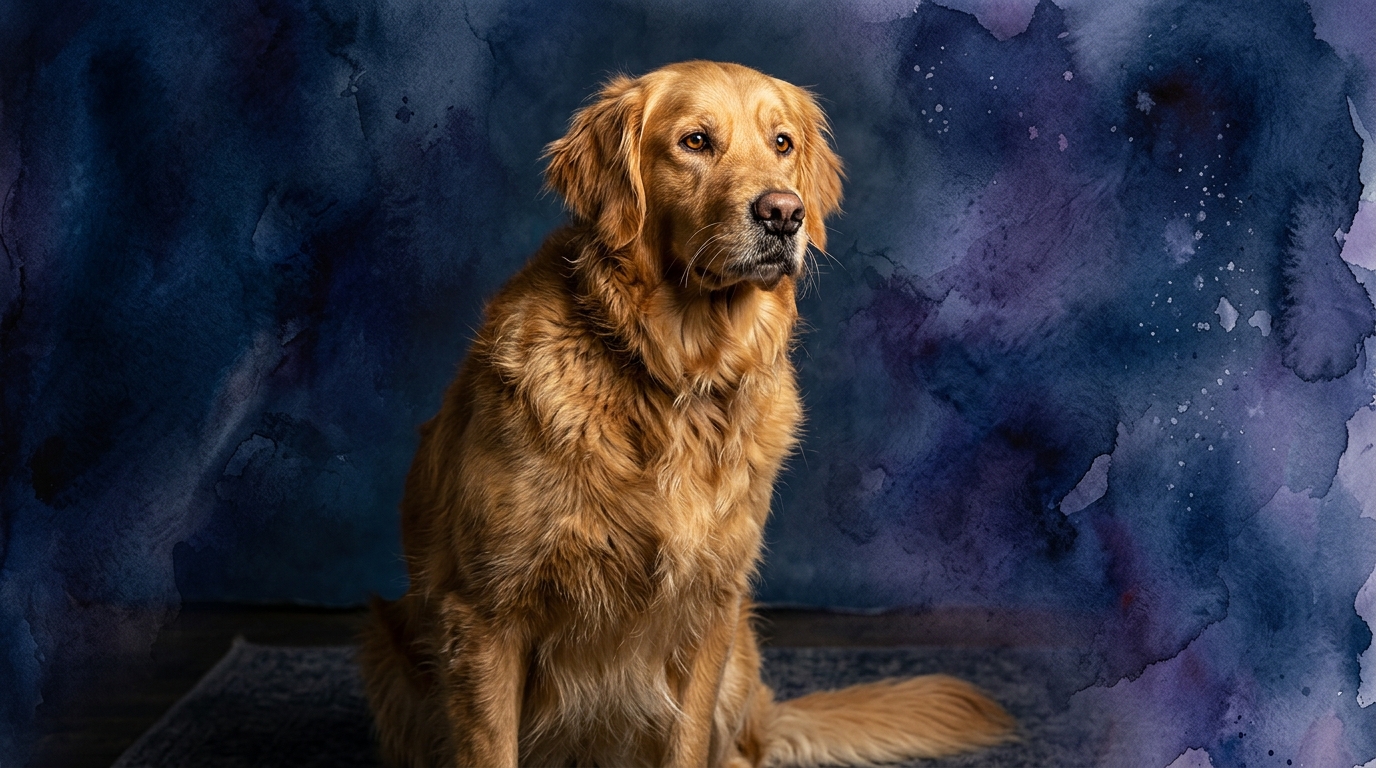
The Pet IQ Lab's framework allows us to dissect the cognitive strengths of these two distinct breeds. The Golden Retriever, ranking #4 on the Coren scale, demonstrates a Problem Solving score of 4/5, indicating an aptitude for figuring out novel situations and navigating complex environments. Their Training Speed is an exceptional 5/5, suggesting they grasp new commands with minimal repetition, eager to please and quick to form associations. Social Intelligence, also 5/5, highlights their profound ability to interpret human cues, understand emotions, and integrate seamlessly into family dynamics. An Instinctive Drive of 4/5 points to a strong internal motivation for purposeful activity, often expressed through retrieving or working alongside humans, while their Memory at 4/5 ensures they retain learned behaviors and social connections over time.
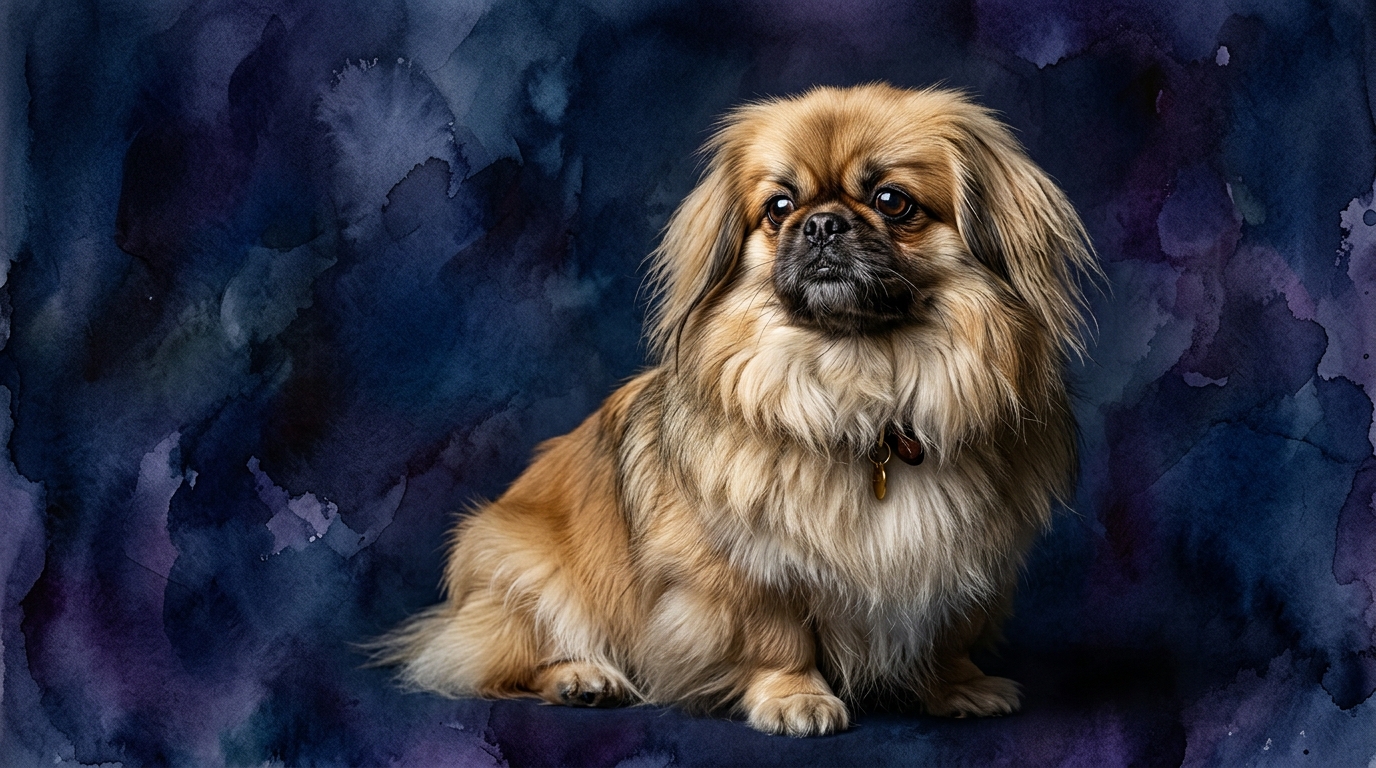
In contrast, the Pekingese, with a Coren rank of #77, presents a different cognitive profile. Their Problem Solving score is 3/5, meaning they are capable of navigating simpler puzzles and daily routines but might require more guidance for intricate challenges. A Training Speed of 3/5 suggests they learn at a moderate pace, benefiting from consistent, positive reinforcement rather than rapid assimilation. Social Intelligence, at 3/5, indicates they form deep bonds with their inner circle but can be more discerning or reserved with strangers, often prioritizing their own comfort or personal space. Their Instinctive Drive, also 3/5, points to a lower inherent desire for cooperative work or strenuous activity, preferring a more relaxed pace. Finally, a Memory score of 3/5 means they recall familiar routines and primary caregivers reliably, though less frequently practiced commands might need occasional refreshers.
Golden Retriever's Cognitive Edge
The Golden Retriever's cognitive strengths are evident across multiple dimensions, making them exceptional partners for various human endeavors. Their 4/5 Problem Solving ability allows them to excel in tasks requiring strategic thinking, such as navigating complex agility courses or understanding multi-step commands in service work. For example, a Golden Retriever might quickly learn to open a specific cupboard or retrieve a dropped item from an unusual spot without extensive prior training. Coupled with a 5/5 Training Speed, this means they can master a wide repertoire of commands and behaviors efficiently, from basic obedience to intricate tricks, often requiring only a handful of repetitions before a command is solidified. This rapid learning curve enables them to progress quickly through advanced training programs.
Furthermore, their 5/5 Social Intelligence is a profound asset. Golden Retrievers are acutely attuned to human emotional states, often preemptively offering comfort or adjusting their behavior based on their owner's mood. They can interpret subtle body language and vocal tones, making them remarkably empathetic companions. This deep social awareness facilitates strong, responsive bonds, allowing them to anticipate needs and react appropriately in complex social situations, whether it's comforting a distressed child or politely greeting a new visitor. Their 4/5 Instinctive Drive fuels a desire for purpose, making them eager participants in activities that provide mental and physical engagement, from fetching to tracking.
Pekingese's Unique Cognitive Strengths
While the Pekingese's scores might appear lower on a scale often skewed towards working dog attributes, their cognitive profile represents a different kind of aptitude, one perfectly suited to their historical role as companions. Their 3/5 Problem Solving capability, for instance, translates into a shrewdness for managing their immediate environment to their advantage. A Pekingese might not solve a puzzle box designed for a working dog, but they are adept at finding the warmest sunbeam, strategically positioning themselves for maximum comfort, or employing subtle cues to solicit attention or treats from their preferred human. This is a form of practical, self-serving problem-solving that reflects their independent nature.
Their 3/5 Instinctive Drive, rather than being a deficit, signifies a self-contained cognitive state. Unlike breeds constantly seeking a job, a Pekingese is content with less structured mental stimulation, thriving on routine and quiet companionship. This independence means they don't constantly demand tasks or activities, which is a cognitive strength for owners seeking a less demanding companion. Their 3/5 Social Intelligence, while not as overtly empathetic as a Golden Retriever's, allows them to form deep, loyal bonds with their chosen few, discerning quickly who their primary caregivers are and how to effectively communicate their needs to them. This selective social focus demonstrates a discerning cognitive process, prioritizing quality over quantity in their social interactions.
Training Dynamics: Effort vs. Eagerness
When it comes to training, the disparity between the Golden Retriever and the Pekingese becomes particularly clear, largely due to their respective Training Speed and Instinctive Drive scores. The Golden Retriever, with a 5/5 Training Speed and 4/5 Instinctive Drive, approaches training with an inherent eagerness and a strong desire to cooperate. They quickly associate commands with actions and rewards, making the learning process fluid and efficient. Their high social intelligence also means they are highly motivated by human praise and approval, viewing training as a collaborative activity. This translates into fewer repetitions needed for new behaviors and a greater willingness to engage in extended training sessions. They are often described as "biddable," meaning they are inherently inclined to follow direction.
The Pekingese, with a 3/5 Training Speed and 3/5 Instinctive Drive, typically requires a more patient and nuanced approach. Their independent nature means they are less motivated by the sheer act of pleasing and more by what benefits them directly, such as a high-value treat or a comfortable outcome. They may learn at a slower pace, needing more repetitions and consistent reinforcement to solidify commands. Training sessions should be kept short, positive, and engaging to prevent boredom or stubbornness. While they are certainly capable of learning basic obedience and house rules, their cognitive inclination isn't towards complex, cooperative tasks. Trainers often find success by making training feel like a game or a beneficial exchange from the Pekingese's perspective, rather than a demanding instruction.
Matching Canine Cognition to Lifestyle
The differing cognitive profiles of the Golden Retriever and the Pekingese directly influence their suitability for various owner lifestyles. For active owners who enjoy outdoor adventures, dog sports, or family activities that involve a highly engaged canine partner, the Golden Retriever is an ideal match. Their 4/5 Instinctive Drive means they thrive on purposeful activity, whether it’s retrieving a ball for hours, hiking, or participating in agility. Their 5/5 Social Intelligence makes them excellent companions for outings, readily adapting to new people and environments, and their 4/5 Problem Solving ability allows them to navigate diverse situations with confidence. They require consistent mental and physical stimulation to prevent boredom and channel their cognitive energy constructively.
Conversely, the Pekingese is better suited for relaxed owners who appreciate a calmer, more independent companion. Their 3/5 Instinctive Drive means they are content with shorter, leisurely walks and prefer indoor comfort, making them excellent apartment dwellers or companions for less physically active individuals. Their cognitive focus is often on their immediate comfort and the routines of their household, rather than seeking external stimulation. While they appreciate companionship, their 3/5 Social Intelligence means they are less likely to be overly demanding of constant interaction, allowing for a more serene household environment. Their cognitive makeup aligns with a lifestyle that prioritizes quiet companionship and a predictable routine.
The Verdict
Opt for a Golden Retriever if you seek an exceptionally cooperative, empathetic, and highly trainable companion eager for active engagement, complex tasks, and deep social interaction.
Choose a Pekingese if you desire an independent, self-possessed companion content with a quieter, more relaxed lifestyle, appreciating comfort and routine over strenuous activity.
🧠 Find Your Pet's IQ Score
Our Pet IQ Lab assessment covers 25+ tests across 5 cognitive dimensions — personalized to your breed.
Take the Full IQ Test →Frequently Asked Questions
Does a lower Coren rank mean a dog cannot be trained?
Not at all. The Coren rank primarily measures "working and obedience intelligence." While a Pekingese (rank #77) may require more patience and repetitions than a Golden Retriever (rank #4) due to their 3/5 training speed, they are fully capable of learning basic commands and house rules with consistent, positive reinforcement.
Are Golden Retrievers prone to boredom without constant activity?
Golden Retrievers, with their high problem-solving (4/5) and instinctive drive (4/5), do thrive on regular mental and physical engagement. Without sufficient stimulation, they can become bored, which might manifest as unwanted behaviors. Providing puzzles, training, and exercise is key to their cognitive well-being.
Can a Pekingese be a good therapy dog?
While a Golden Retriever's 5/5 social intelligence makes them natural therapy candidates, a Pekingese can also be a good therapy dog for specific settings. Their independent nature and preference for calm environments might suit one-on-one visits in quiet settings, provided they are comfortable with gentle handling and have a calm temperament.